What is Elephant Creeper, Vidhara, Samudrasokha?
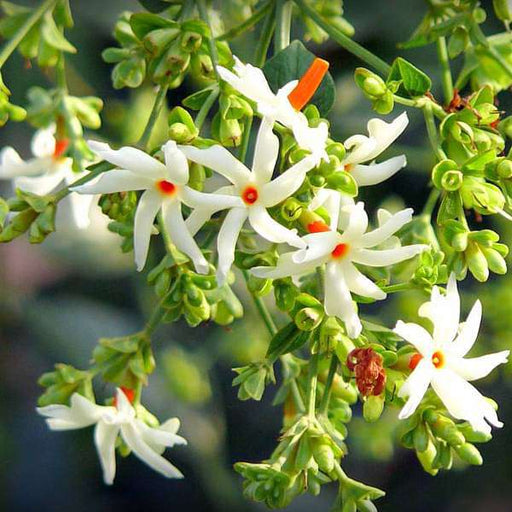
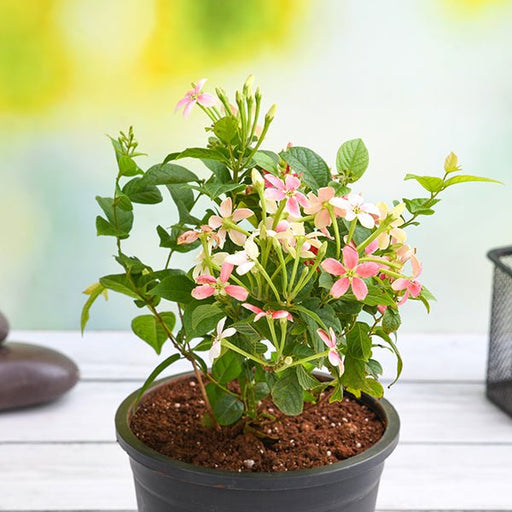
Elephant Creeper, also known as Vidhara or Samudrasokha, is a tropical vine that’s not just a pretty face. This plant boasts medicinal properties and is often used in traditional medicine. With its lush green leaves and vibrant flowers, it’s like the life of the garden party, attracting attention and admiration from all who pass by.
Where can I grow Elephant Creeper?
Elephant Creeper loves to stretch its legs in warm, tropical climates. Think of it as the sunbather of the plant world! It thrives in well-drained soil and can be grown in gardens, pots, or even as a climber on trellises. Just make sure it gets plenty of sunlight, and it’ll be happy as a clam.
How do I care for Elephant Creeper?
Caring for Elephant Creeper is like nurturing a diva. It loves regular watering but hates soggy feet, so keep the soil moist but not drenched. Prune it occasionally to maintain its shape and encourage new growth. Fertilize during the growing season, and watch it flourish like a star on the rise!
Is Elephant Creeper invasive?
Ah, the age-old question of plant behavior! Elephant Creeper can be a bit of a show-off and may spread quickly if left unchecked. While it’s not classified as highly invasive, it’s wise to keep an eye on it. A little pruning goes a long way in keeping this vine from taking over your garden stage.
What are the medicinal uses of Elephant Creeper?
Elephant Creeper is not just a pretty face; it’s also a herbal superstar! Traditionally, it’s used to treat various ailments, including respiratory issues and skin conditions. Its roots and leaves are often brewed into teas or concoctions. Just remember, while it’s a natural remedy, consult a professional before diving into the herbal world!
Can I propagate Elephant Creeper?
Absolutely! Propagating Elephant Creeper is as easy as pie. You can do it through stem cuttings or seeds. Just take a cutting, let it root in water or soil, and voilà! You’ll have a new plant ready to take the stage. It’s like cloning your favorite plant without the sci-fi drama!
What pests affect Elephant Creeper?
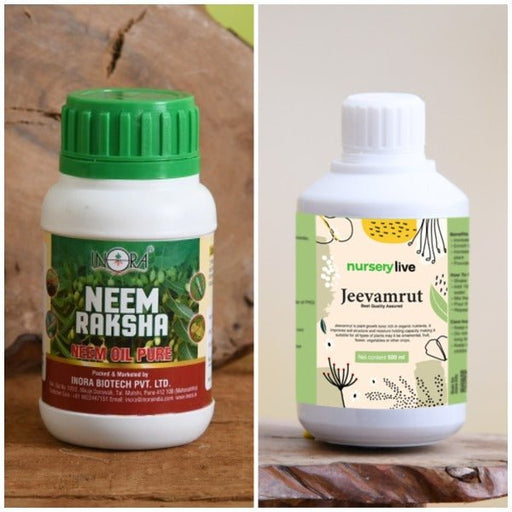
Like any diva, Elephant Creeper can attract a few unwanted guests. Watch out for aphids, spider mites, and whiteflies. They may try to crash the party, but a good spray of insecticidal soap or neem oil will send them packing. Keep your plant healthy, and it’ll fend off these pests like a pro!
Is Elephant Creeper safe for pets?
While Elephant Creeper is a delightful addition to your garden, it’s not exactly a pet-friendly snack. The plant contains compounds that can be toxic to pets if ingested. So, if your furry friend has a penchant for munching on greenery, it’s best to keep this beauty out of their reach. Safety first!
How long does it take for Elephant Creeper to grow?
Patience is a virtue, especially with Elephant Creeper! Typically, you can expect noticeable growth within a few weeks, but full maturity may take a few months. With the right care, it’ll climb and spread like it’s auditioning for a role in a botanical blockbuster. Just sit back and enjoy the show!
Can Elephant Creeper survive winter?
Elephant Creeper is a tropical plant, so winter is not its favorite season. If you live in a colder climate, it’s best to bring it indoors or provide some protection. Think of it as giving your plant a cozy winter retreat. With a little TLC, it’ll be ready to shine again come spring!
What is the ideal soil for Elephant Creeper?
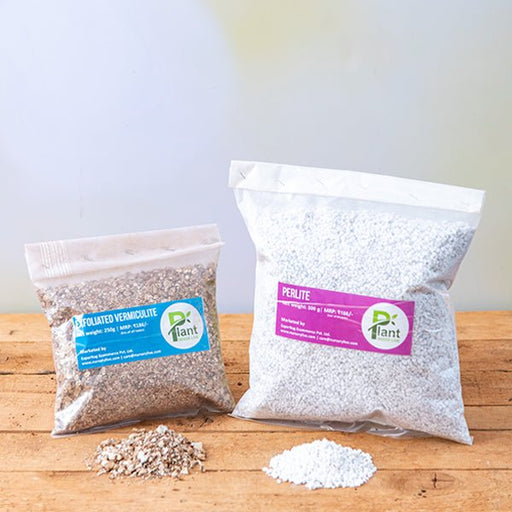
Elephant Creeper prefers well-draining soil that’s rich in organic matter. Think of it as a gourmet meal for your plant! A mix of potting soil, compost, and perlite will do the trick. This combination keeps the roots happy and healthy, allowing your vine to thrive and show off its stunning foliage.
How often should I water Elephant Creeper?
Watering Elephant Creeper is like giving it a refreshing drink after a workout. Aim for once a week, allowing the top inch of soil to dry out between waterings. In hotter months, it might need a little more love. Just remember, soggy soil is a no-go; this diva prefers to keep it classy and dry!


 White Marble Pebbles (1 kg)
₹199
White Marble Pebbles (1 kg)
₹199 Plant O Boost — Growth Booster
₹239
Plant O Boost — Growth Booster
₹239 Garden Essential Plant Care Kit
₹599
Garden Essential Plant Care Kit
₹599