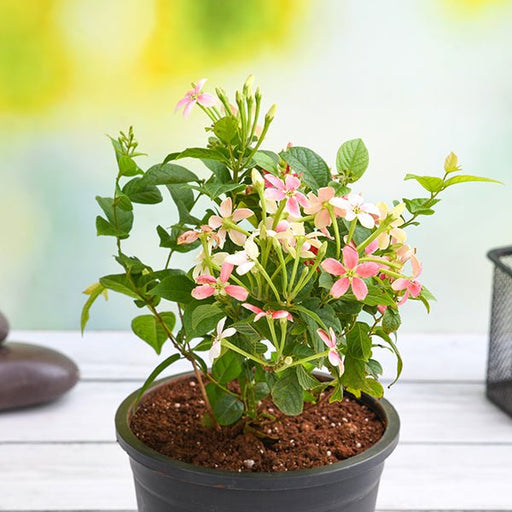
What is Jacobinia, Brazilian plume (Any Color)?
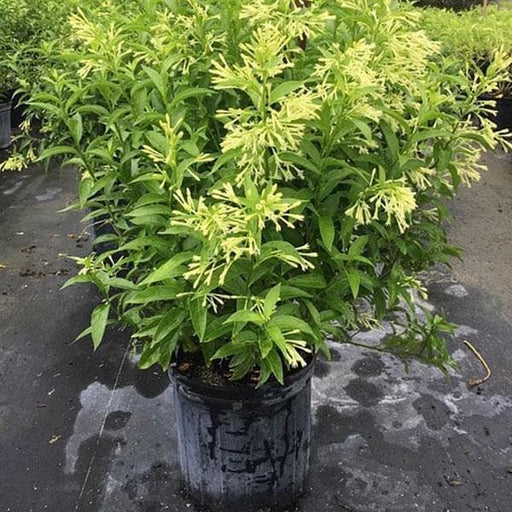
Jacobinia, also known as Brazilian plume, is a tropical beauty that flaunts vibrant, plume-like flowers. This plant is a showstopper in any garden, boasting colors that can make a rainbow jealous. With its lush foliage and striking blooms, it’s the perfect way to add a splash of exotic flair to your plant collection.
How do I care for Jacobinia, Brazilian plume?
Caring for Jacobinia is like pampering a diva! It loves bright, indirect sunlight and well-draining soil. Water it regularly, but don’t drown it—this plant prefers to be slightly dry between drinks. Fertilize during the growing season, and watch it strut its stuff with those fabulous flowers. Just remember, no cold drafts allowed!
Can Jacobinia, Brazilian plume be grown indoors?
Absolutely! Jacobinia can be the life of the indoor party. Just ensure it gets plenty of bright, indirect light and a cozy spot away from chilly drafts. With the right care, it’ll thrive indoors, bringing a touch of tropical charm to your living space. Just don’t forget to give it a little love and attention!
What colors do Jacobinia, Brazilian plume flowers come in?
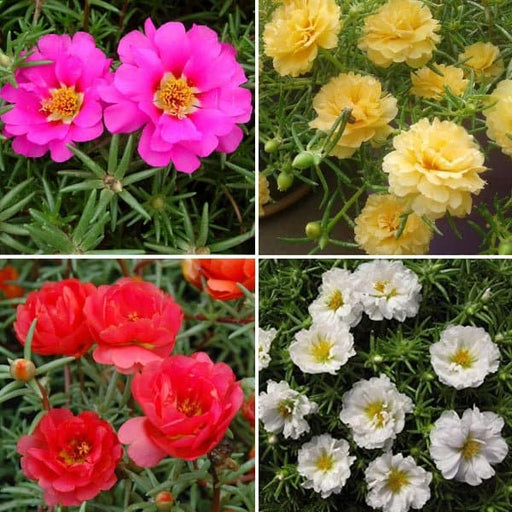
Jacobinia is like a painter’s palette, offering a dazzling array of colors! You can find it in shades of red, orange, yellow, and even pink. Each bloom is a vibrant spectacle, making it a favorite for those who want to add a pop of color to their garden or home. Talk about a floral fiesta!
Is Jacobinia, Brazilian plume toxic to pets?
Good news for pet parents! Jacobinia is considered non-toxic to cats and dogs. So, you can let your furry friends frolic around this tropical beauty without worrying about any nasty surprises. Just keep an eye on them; they might be tempted to nibble on those colorful leaves!
How often should I water Jacobinia, Brazilian plume?
Watering Jacobinia is a balancing act! Aim to keep the soil slightly moist but not soggy. Typically, watering once a week should do the trick, but always check the top inch of soil first. If it feels dry, it’s time for a drink. Just remember, this diva doesn’t like to be overwatered!
What is the ideal temperature for Jacobinia, Brazilian plume?
Jacobinia loves to bask in warm temperatures, ideally between 65°F and 80°F. It’s a tropical plant at heart, so keep it away from chilly drafts and frosty windows. If you can keep it cozy, it’ll reward you with stunning blooms that’ll make you feel like you’re on a permanent vacation!
Can I propagate Jacobinia, Brazilian plume?
Yes, you can! Propagating Jacobinia is like creating mini versions of your favorite plant. Simply take cuttings from healthy stems, let them callous for a day, and then plant them in moist soil. With a little patience and care, you’ll soon have new plants to share or keep for yourself. It’s a win-win!
What pests should I watch for on Jacobinia, Brazilian plume?
Keep an eye out for pesky pests like aphids and spider mites. They can be as annoying as a fly at a picnic! Regularly inspect your plant and give it a gentle rinse to keep these critters at bay. If they do show up, a little insecticidal soap can send them packing!
How long does Jacobinia, Brazilian plume bloom?
Jacobinia is a generous bloomer, typically showcasing its vibrant flowers from late spring to fall. With the right care, you can enjoy its colorful display for several months. Just think of it as a floral party that keeps going—who wouldn’t want that kind of celebration in their garden?
Can Jacobinia, Brazilian plume survive winter?
Jacobinia is not a fan of the cold! If you live in a chilly climate, it’s best to bring it indoors during winter. Keep it warm and cozy, and it’ll be ready to burst back into bloom when spring arrives. Think of it as a tropical vacation for your plant—who wouldn’t want that?
What is the best fertilizer for Jacobinia, Brazilian plume?
Feed your Jacobinia with a balanced, water-soluble fertilizer during the growing season. Look for something with equal parts nitrogen, phosphorus, and potassium. This will keep your plant happy and blooming like a superstar. Just remember, a little goes a long way—too much fertilizer can lead to a case of the “burns”!


 White Marble Pebbles (1 kg)
₹199
White Marble Pebbles (1 kg)
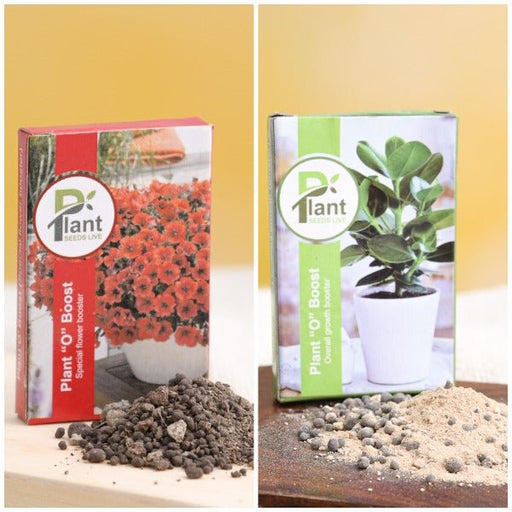
₹199 Plant O Boost — Growth Booster
₹239
Plant O Boost — Growth Booster
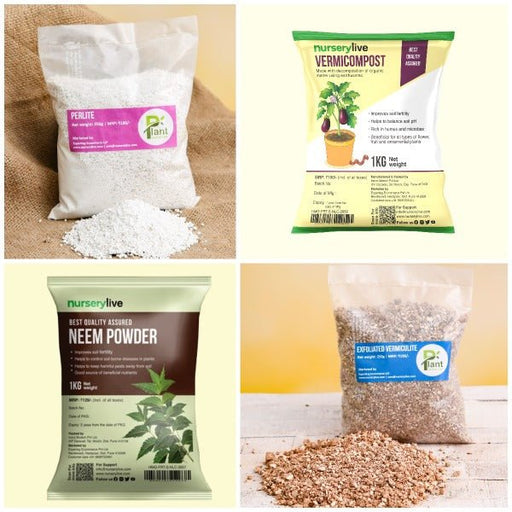
₹239 Garden Essential Plant Care Kit
₹599
Garden Essential Plant Care Kit
₹599