What is a Bird Nest Fern, Asplenium nidus?
The Bird Nest Fern, scientifically known as Asplenium nidus, is a tropical beauty that resembles a bird's nest—hence the name! With its lush, wavy fronds, it’s the perfect plant for those who want to add a touch of the rainforest to their home without the risk of encountering a parrot.
How do I care for my Bird Nest Fern?
Caring for your Bird Nest Fern is as easy as pie—if pie were a low-light, humidity-loving plant! Keep it in indirect sunlight, water it when the top inch of soil is dry, and mist it occasionally. Just remember, it prefers a cozy, humid environment, not a sauna!
Can Bird Nest Fern survive in low light?
Absolutely! The Bird Nest Fern thrives in low light, making it the perfect companion for those dimly lit corners of your home. Just don’t expect it to grow like a weed; it’s more of a slow and steady type, like a tortoise in a race against a hare.
How often should I water my Bird Nest Fern?
Water your Bird Nest Fern when the top inch of soil feels dry—think of it as giving your plant a refreshing drink after a long day. Just avoid drowning it; this fern prefers to sip, not gulp. Overwatering is a surefire way to turn your lush green friend into a soggy mess!
What type of soil is best for Bird Nest Fern?
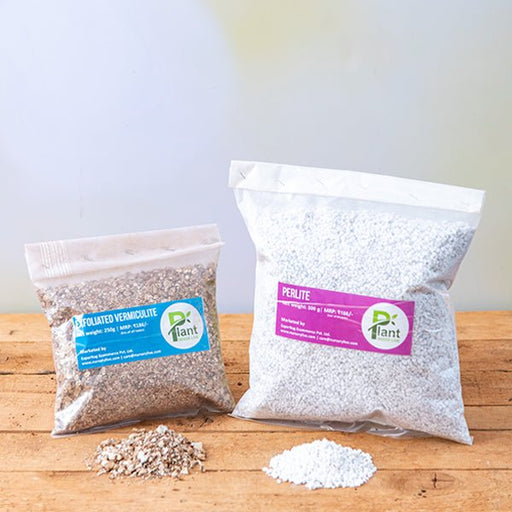
Your Bird Nest Fern craves well-draining, organic soil—think of it as the gourmet meal of the plant world! A mix of potting soil, peat, and perlite will keep it happy and healthy. Just remember, it’s not a fan of heavy clay; it prefers to keep its roots nice and airy.
Does Bird Nest Fern need fertilizer?
Yes, your Bird Nest Fern will appreciate a little extra love in the form of fertilizer! Feed it with a balanced liquid fertilizer every month during the growing season. Just don’t overdo it; too much fertilizer can turn your fern into a hyperactive plant that can’t sit still!
Can I propagate my Bird Nest Fern?
Propagation of the Bird Nest Fern is a bit tricky, but not impossible! You can try dividing the plant during repotting, ensuring each section has roots. Just remember, patience is key; it’s not like cloning a plant in a sci-fi movie. Give it time to grow into its new home!
Is Bird Nest Fern toxic to pets?
Good news for pet parents! The Bird Nest Fern is non-toxic to cats and dogs, so you can let your furry friends roam freely without fear of a botanical disaster. Just keep an eye on them; while it’s safe, that doesn’t mean they won’t try to use it as a chew toy!
How do I repot my Bird Nest Fern?
Repotting your Bird Nest Fern is like giving it a new apartment! Choose a pot that’s one size larger, gently remove the plant from its old home, and place it in fresh soil. Just be careful with those roots; they’re delicate, and you don’t want to send your fern into a panic!
What pests should I watch out for with Bird Nest Fern?
Your Bird Nest Fern can attract pests like spider mites and mealybugs, but don’t worry; they’re not the end of the world! Regularly inspect your plant and wipe down the leaves with a damp cloth. If pests invade, a gentle insecticidal soap will send them packing without a fuss.
Can Bird Nest Fern grow outdoors?
Yes, the Bird Nest Fern can thrive outdoors in warm, humid climates! Just make sure to place it in a shady spot, away from direct sunlight. If you live in a cooler area, consider it a houseplant superstar instead. It’s not a fan of frost; it prefers to keep its feathers warm and cozy!