What is a Begonia plant?
A Begonia plant is like the diva of the plant world—fabulous, colorful, and a bit high-maintenance. With over 1,800 species, these beauties flaunt their vibrant leaves and flowers in shades that could make a rainbow jealous. Perfect for indoor or outdoor settings, they’re sure to steal the spotlight in any garden or home.
How do I care for my Begonia?
Caring for a Begonia is like nurturing a celebrity—give it bright, indirect light, keep the soil moist but not soggy, and avoid cold drafts. They love humidity, so misting them is like giving them a spa day. Just remember, too much love (or water) can lead to root rot, and nobody wants that drama!
What are the different types of Begonias?
Begonias come in a dazzling array of types, from the show-stopping Rex with its flamboyant foliage to the charming Wax Begonia that’s as easy-going as your favorite sitcom. You’ve got tuberous, rhizomatous, and fibrous types, each with its own flair. Choose your favorite, and let the plant party begin!
Can Begonias grow indoors?
Absolutely! Begonias are the ultimate indoor party guests. They thrive in bright, indirect light and love a cozy, humid environment. Just make sure they have well-draining soil and a pot with drainage holes. With the right care, your Begonia will be the life of the living room, adding a splash of color to your decor.
How often should I water my Begonia?
Watering your Begonia is like a delicate dance—too little and it wilts, too much and it drowns. Aim for once a week, allowing the top inch of soil to dry out between drinks. In the summer, they might get thirstier, so keep an eye on them. Hydration is key, but don’t overdo it!
What pests affect Begonias?
Begonias can attract pests like aphids, mealybugs, and spider mites—think of them as the uninvited guests at your plant party. Keep an eye out for sticky residue or webbing. A gentle wash with soapy water or neem oil can send these party crashers packing, ensuring your Begonia remains the belle of the ball.
Are Begonias toxic to pets?
Good news for pet parents! Most Begonias are mildly toxic to cats and dogs, but they’re not the villain in your pet’s story. If ingested, they might cause some tummy trouble, but it’s usually nothing a vet visit can’t handle. Keep them out of reach, and your furry friends can stay safe and sound.
How do I propagate Begonias?
Propagating Begonias is like starting a plant family! You can do it through leaf cuttings or division. Just snip a healthy leaf, let it callous for a day, then place it in moist soil. With a little patience and love, you’ll soon have new Begonia babies to share—or keep all to yourself!
What is the best soil for Begonias?
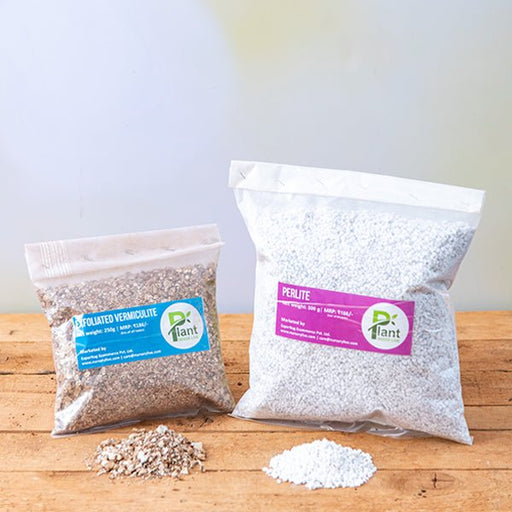
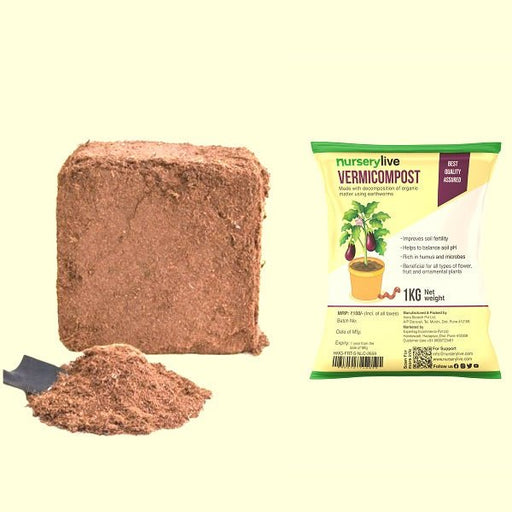
Begonias are picky about their soil, much like a food critic at a fancy restaurant. They prefer a well-draining potting mix rich in organic matter. A blend of peat, perlite, and vermiculite works wonders. This ensures they get the nutrients they crave while avoiding soggy situations that could lead to root rot.
Do Begonias need fertilizer?
Yes, Begonias are like plant divas that appreciate a little pampering! Feed them with a balanced, water-soluble fertilizer every 4-6 weeks during the growing season. Just remember, too much fertilizer can lead to burnt leaves—nobody wants that! A little goes a long way in keeping your Begonia looking fabulous.
Can I grow Begonias outside?
You bet! Begonias can strut their stuff outdoors, but they prefer a shady spot away from harsh sunlight. They thrive in warm, humid conditions, making them perfect for patios or shaded gardens. Just be mindful of frost; these beauties are not fans of chilly weather. Let them bask in the warmth and watch them flourish!
How do I know if my Begonia is healthy?
A healthy Begonia is like a happy celebrity—vibrant leaves, colorful blooms, and a general air of fabulousness! Look for firm, lush foliage without brown spots or wilting. If it’s growing steadily and showing off its colors, you’re doing something right. Keep up the good work, and your Begonia will continue to shine!


 White Marble Pebbles (1 kg)
₹199
White Marble Pebbles (1 kg)
₹199 Plant O Boost — Growth Booster
₹239
Plant O Boost — Growth Booster
₹239 Garden Essential Plant Care Kit
₹599
Garden Essential Plant Care Kit
₹599