What is Wild Ginger, Asarum Canadense?
Wild Ginger, or Asarum Canadense, is a delightful perennial plant native to North America. With its heart-shaped leaves and unique, hidden flowers, it’s like the introverted cousin of the garden. It thrives in shady spots, making it a perfect ground cover for those shady nooks where other plants fear to tread.
How do I grow Wild Ginger?
Growing Wild Ginger is as easy as pie—if pie were a shade-loving, low-maintenance plant! Simply choose a shady spot with moist, well-drained soil, and plant the rhizomes about 2 inches deep. Water them occasionally, and watch as they spread their charming foliage, creating a lush carpet of green in your garden.
What are the benefits of Wild Ginger?
Wild Ginger isn’t just a pretty face; it’s a multitasker! It acts as a natural ground cover, suppressing weeds while adding beauty to your landscape. Plus, its roots have been used in traditional medicine, and the leaves can be a delightful addition to your herbal tea. Who knew a plant could be so versatile?
Is Wild Ginger edible?
Yes, but with a twist! While the roots of Wild Ginger can be used as a spice, they contain a compound called asarone, which can be toxic in large amounts. So, if you’re feeling adventurous, use it sparingly in culinary creations, but don’t go overboard—your taste buds and tummy will thank you!
Where does Wild Ginger grow best?
Wild Ginger loves to hang out in shady, moist areas, like that one friend who avoids the spotlight. It thrives in rich, well-drained soil, often found in woodlands or under trees. If you can replicate that cozy environment in your garden, you’ll have a happy little plant that flourishes year after year.
How do I care for Wild Ginger?
Caring for Wild Ginger is like nurturing a low-maintenance pet. Just ensure it has plenty of shade and moisture, and it’ll be content. Mulching helps retain soil moisture, and occasional watering during dry spells keeps it happy. Prune any dead leaves, and you’ll have a thriving plant that requires minimal fuss.
Can Wild Ginger attract wildlife?
Absolutely! Wild Ginger is like the popular kid in school, attracting all sorts of wildlife. Its flowers, though hidden, are a favorite among pollinators like bees and butterflies. Plus, its lush foliage provides shelter for small critters. Plant it, and you’ll have a bustling ecosystem right in your backyard!
Is Wild Ginger invasive?
Fear not! Wild Ginger is more of a gentle spreader than an invasive menace. While it can spread through rhizomes, it’s not known to take over gardens like some other plants. With a little management, you can enjoy its beauty without worrying about it staging a hostile takeover of your flower beds.
When does Wild Ginger bloom?
Wild Ginger blooms in the spring, but don’t expect a flashy show. Its flowers are shy, hiding beneath the leaves and resembling little brownish-purple bells. They may not steal the spotlight, but they add a unique charm to your garden. So, keep your eyes peeled for this understated beauty!
Can I use Wild Ginger for medicinal purposes?
Yes, but with caution! Wild Ginger has a history in traditional medicine, often used for digestive issues and respiratory ailments. However, it’s essential to consult a healthcare professional before diving into herbal remedies. Remember, just because it’s natural doesn’t mean it’s always safe—better safe than sorry!
How long does Wild Ginger live?
Wild Ginger is the perennial champion of longevity, often living for many years—sometimes even decades! With the right care, it’ll keep coming back year after year, providing you with its lovely foliage and subtle blooms. It’s like having a loyal friend in your garden, always ready to brighten your day.
Can I propagate Wild Ginger?
Yes, you can! Propagating Wild Ginger is as easy as pie—just like growing it! You can divide the rhizomes in early spring or fall. Simply dig them up, separate the healthy sections, and replant them in your desired location. Soon, you’ll have more of this charming plant to share with friends or expand your garden!


 White Marble Pebbles (1 kg)
₹199
White Marble Pebbles (1 kg)
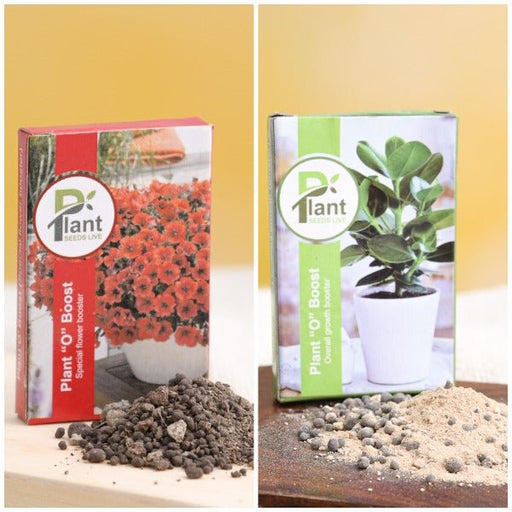
₹199 Plant O Boost — Growth Booster
₹239
Plant O Boost — Growth Booster
₹239 Garden Essential Plant Care Kit
₹599
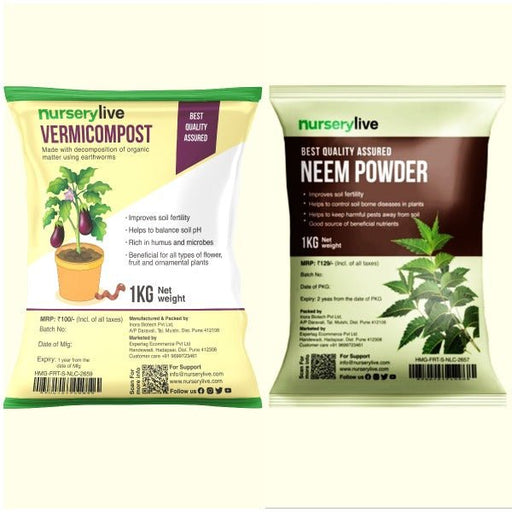
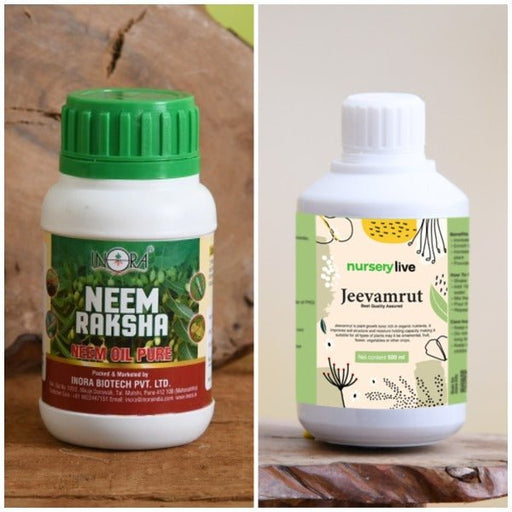
Garden Essential Plant Care Kit
₹599