


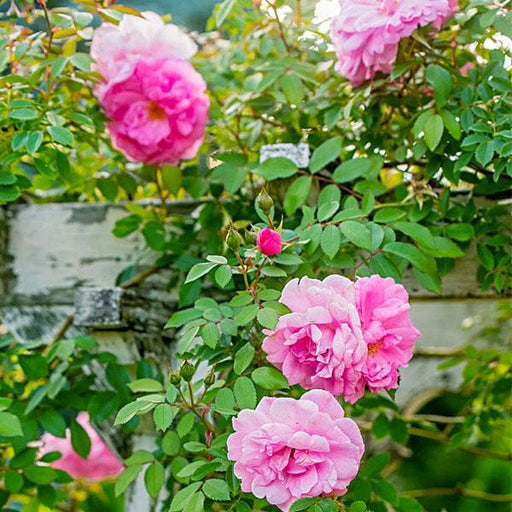
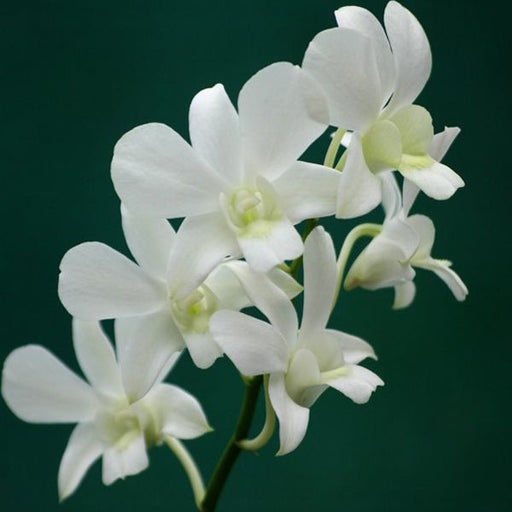
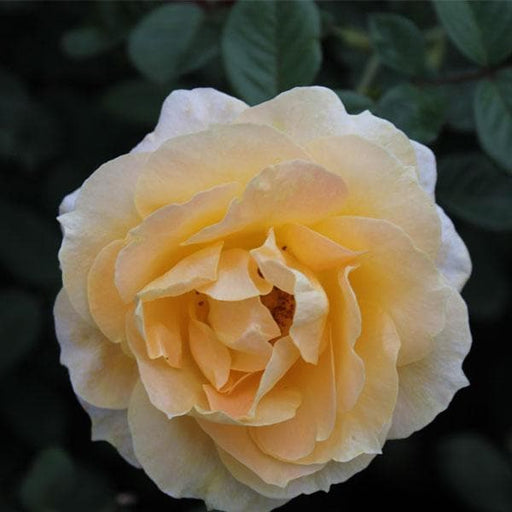


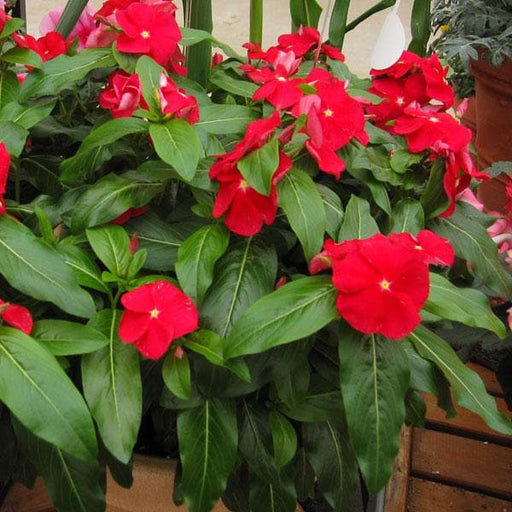


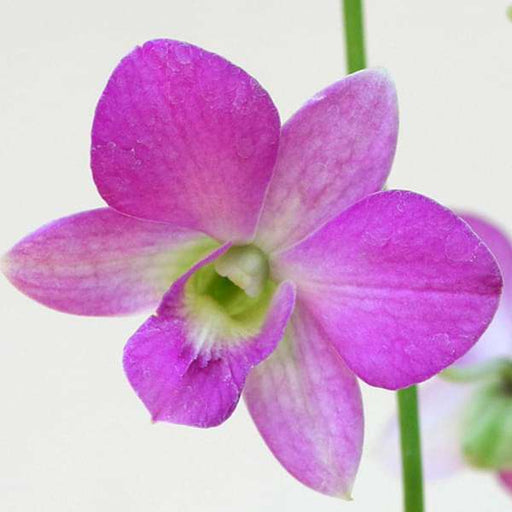
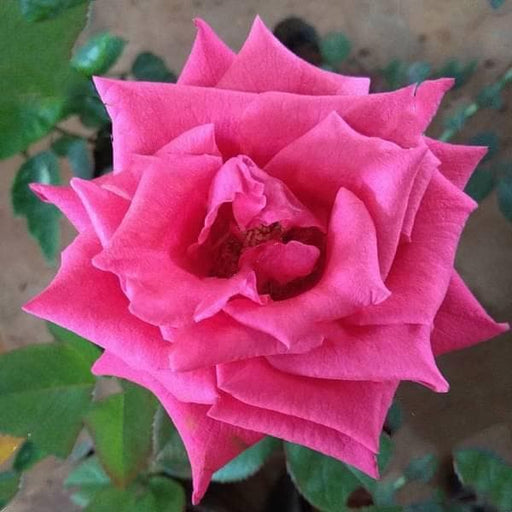
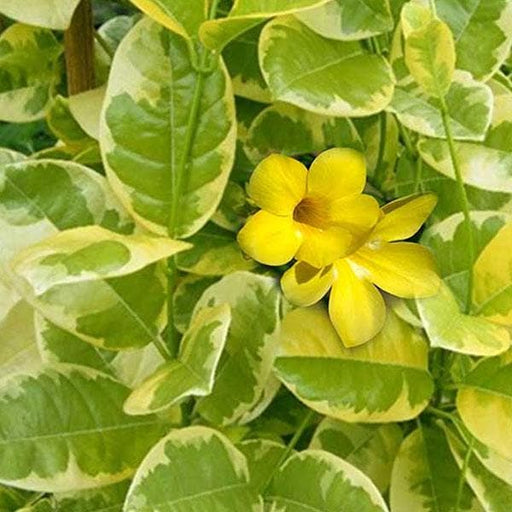


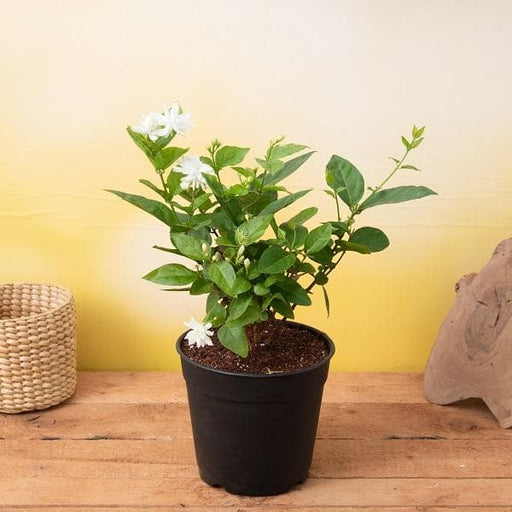

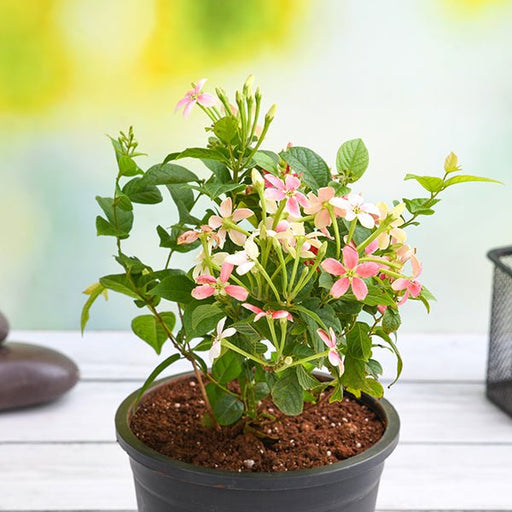
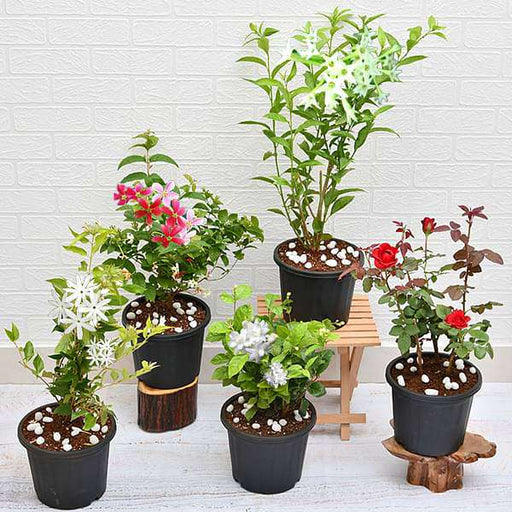
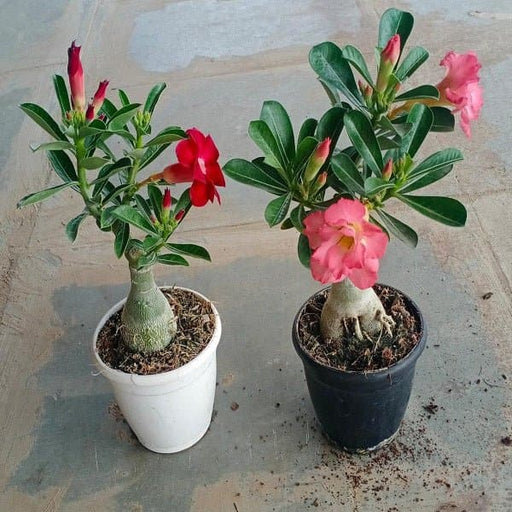

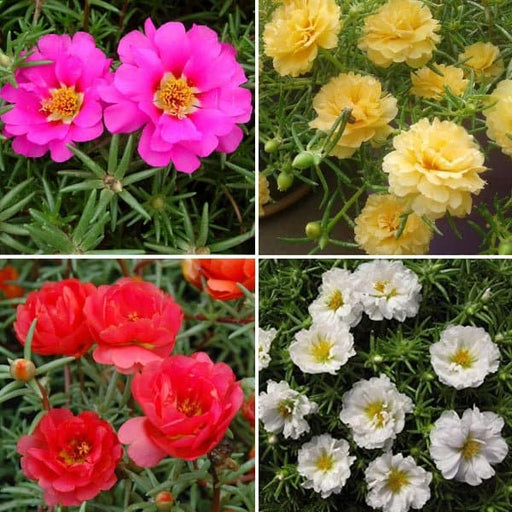


Plumeria, also known as Frangipani or Champa, is a popular flowering plant admired for its beautiful, fragrant blooms. Its flowers come in shades such as white, pink, yellow, and red, making it a lovely choice for gardens, balconies, and outdoor spaces. Plumeria prefers plenty of sunlight and well-drained soil. It is relatively easy to care for and needs moderate watering, especially when the soil becomes dry. With its attractive flowers and pleasant fragrance, Plumeria can add a tropical feel to any garden. Nurserylive is one option to explore for Plumeria plants and other flowering varieties.
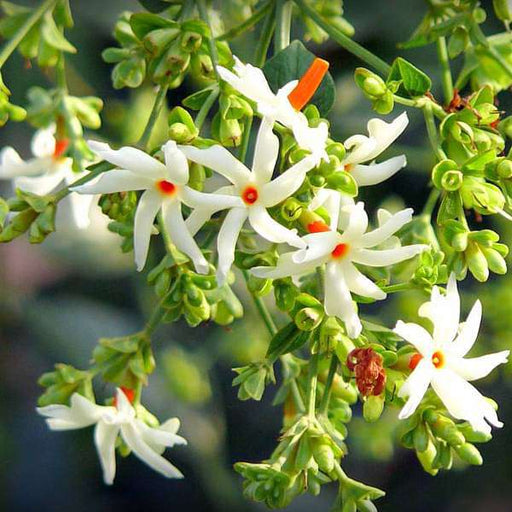
Parijat, also called Harsingar or Night-flowering Jasmine, is loved for its delicate white flowers with orange centers and pleasant fragrance. The flowers usually bloom at night and fall naturally in the morning, giving the plant a unique charm. Parijat grows well in warm conditions with good sunlight and well-drained soil. It is also traditionally valued in Indian households and is often used for पूजा and other cultural purposes. With regular watering and basic care, it can be a beautiful addition to a home garden. Nurserylive is one option to explore for Parijat plants and other flowering varieties.
Good plant Golden cypress Bonsai - Plant
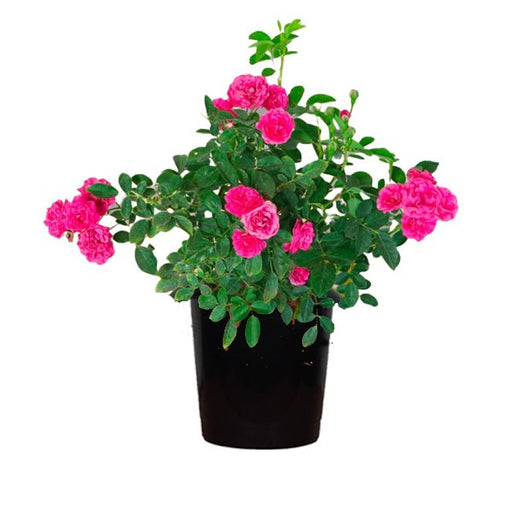
Good plant Miniature Rose, Button Rose (Any Color) - Plant
Good plant Hibiscus, Gudhal Flower (Red Double) - Plant
Came well-hydrated and ready to display. Will definitely purchase from this store again!
Packed exceptionally well! Not a single broken stem, and it looks beautiful on display.
Came well-hydrated and ready to display. Will definitely purchase from this store again!
Easily one of my favorite plant orders to date! Firm roots and brilliant green leaves.
Received this in pristine condition with vibrant leaves! Really truly impressive standard throughout.
Seamless ordering process from start to finish. The plant is thriving effortlessly.
The foliage is thick, bright, and completely undamaged. Clearly grown with genuine care.
I am beyond happy with how healthy this plant looks! Better than what I expected.
The plant arrived safely packed and looks stunning in my living room corner.
The shipping was extremely prompt and the wrapping protected the foliage nicely. A fantastic leafy addition.
Received this in pristine condition with vibrant leaves! Really exceptional quality standard throughout.
Carefully packed and delivered right on schedule! The plant is in full health.
The foliage is thick, bright, and completely undamaged. Clearly grown with genuine care.
Packed exceptionally well! Not a single broken stem, and it looks beautiful on display.
I am beyond happy with how healthy this plant looks! Better than what I expected.
The Rudraksha tree, scientifically known as *Elaeocarpus ganitrus*, is an evergreen tree famous for producing the seeds used as Rudraksha beads. It holds an important place in Indian religious and cultural traditions. The tree has attractive green foliage, small flowers, and blue fruits that contain the seeds.
Rudraksha generally prefers warm and humid conditions, with fertile, well-drained soil and consistent moisture. Young plants benefit from regular watering and some protection from harsh conditions, while established trees can develop into fairly large specimens and need adequate space.
For anyone interested in growing one, checking the local climate and providing good drainage are important first steps. Nurseryilive is one place I came across while exploring culturally significant trees and other plants for gardens.
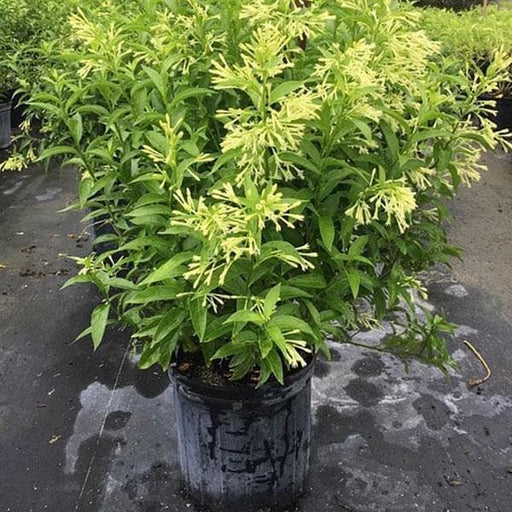
Raat Ki Rani, commonly known as Night-Blooming Jasmine, is a popular flowering shrub admired for its strong fragrance, especially after sunset. Its small, pale greenish-white flowers may look simple during the day, but their sweet scent becomes much more noticeable at night.
It grows well in warm climates with good sunlight or partial shade. Raat Ki Rani prefers fertile, well-drained soil and regular watering during active growth, although excessive moisture should be avoided. Pruning after flowering can help keep the plant compact and encourage fresh growth.
It is a nice choice for balconies, courtyards, and gardens where evening fragrance is appreciated. Nurseryilive is one place I came across while exploring fragrant flowering plants like Raat Ki Ran
Parijat, also called Harsingar or Night-flowering Jasmine, is a lovely flowering plant known for its delicate white petals and bright orange centre. The flowers usually open in the evening and release a pleasant fragrance, then naturally fall by morning. This makes Parijat especially appealing for courtyards and home gardens.
The plant grows well in warm conditions and can handle full sun or partial shade. It prefers fertile, well-drained soil and moderate watering, with extra attention during hot and dry periods. Avoiding waterlogging is important for healthy roots. Occasional pruning can help maintain its shape and encourage fresh growth.
Parijat also has an important place in Indian culture and traditional practices. Nurseryilive is one place I came across while exploring fragrant flowering plants such
A bonsai tree is a living tree or shrub trained to grow in a small container while maintaining the appearance of a mature tree. Bonsai is an art and growing technique rather than a specific plant species. Ficus, jade, bougainvillea, juniper, and certain maple varieties are commonly used for bonsai.
Bonsai plants need careful attention to light, watering, soil drainage, pruning, and occasional repotting. The container should have good drainage, and watering should be based on the plant’s soil and climate rather than a fixed schedule. Regular pruning and training help maintain the desired shape.
I find bonsai interesting because even a small tree can develop a distinctive form over time. Nurseryilive is one place I came across while exploring bonsai varieties and ot
Neem is a hardy evergreen tree that has been a familiar part of Indian landscapes for generations. Its botanical name is *Azadirachta indica*, and it is known for its dense green foliage, spreading canopy, and ability to tolerate warm and relatively dry conditions.
Neem grows best in full sunlight and well-drained soil. Young plants need regular watering while they become established, but mature trees can handle dry periods reasonably well. Because neem can become quite large, it is important to provide enough space when planting it near homes, roads, or other structures.
The leaves, seeds, bark, and other parts of the tree have long been used in traditional practices. Nurseryilive is one place I came across while exploring hard