

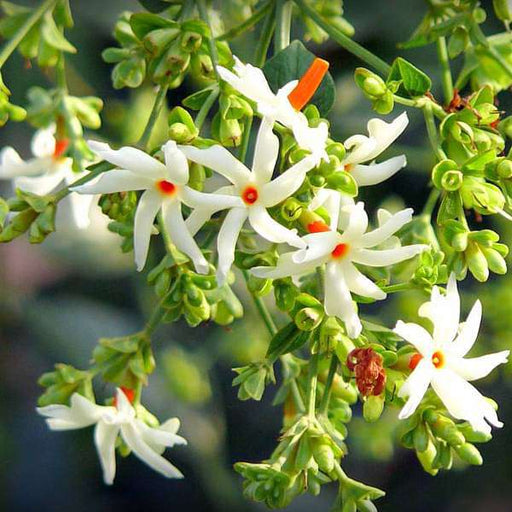
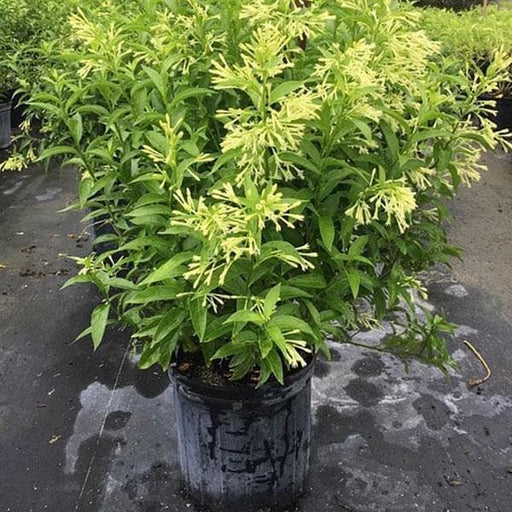
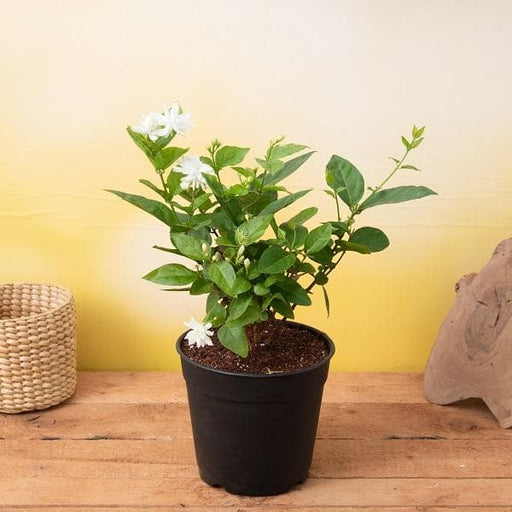
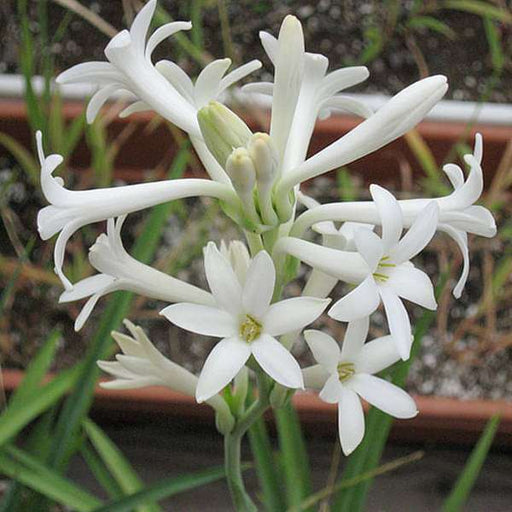
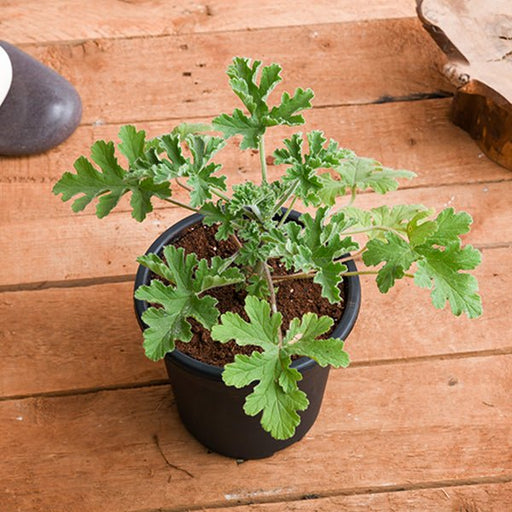
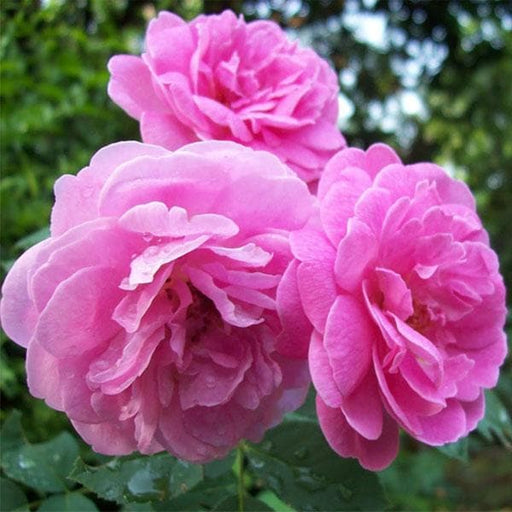

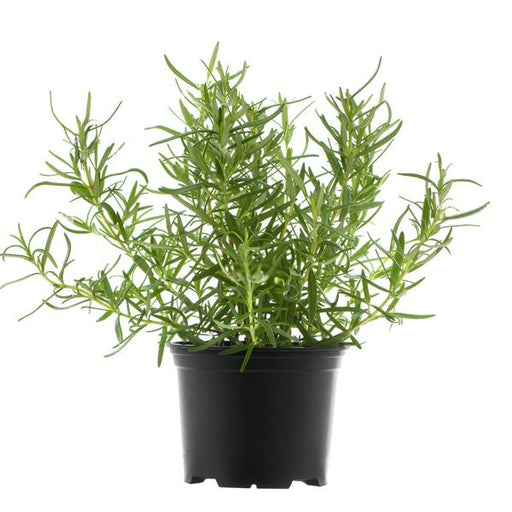
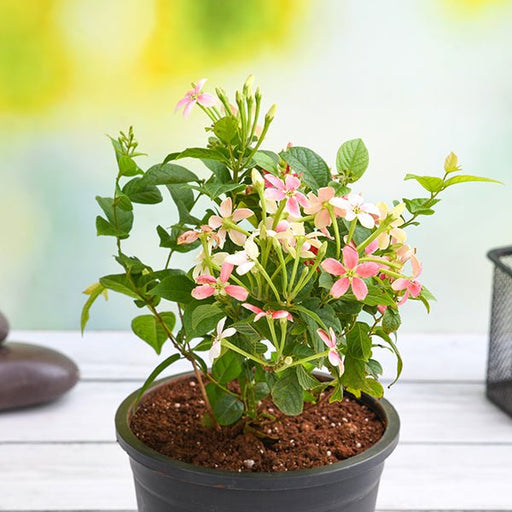
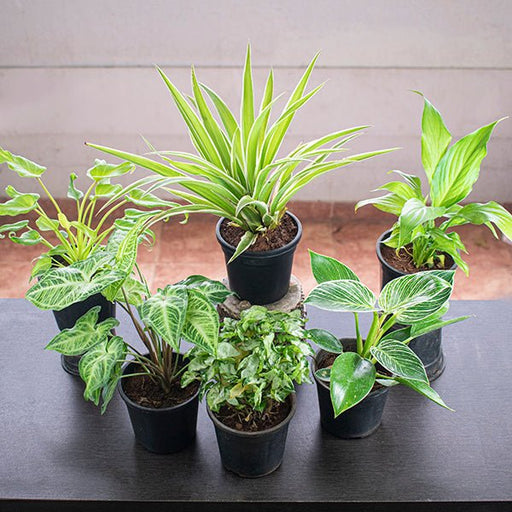
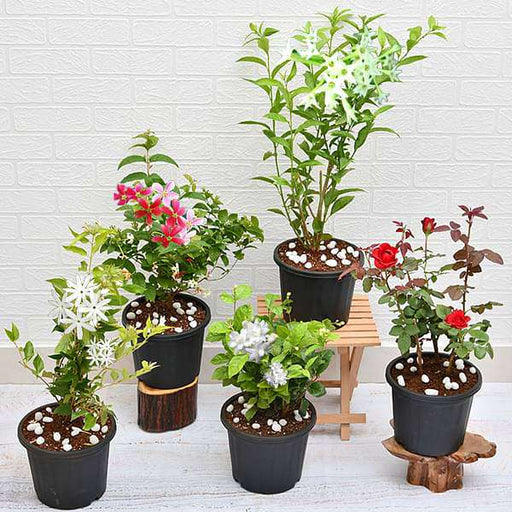

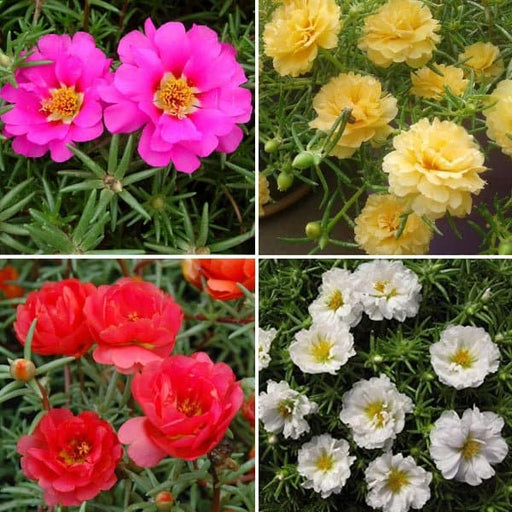


Mogra plants are perfect for adding greenery and a lovely natural fragrance to balconies and home gardens. 🌿
Mogra flowers bring such a fresh fragrance and elegant charm to any garden. 🌸
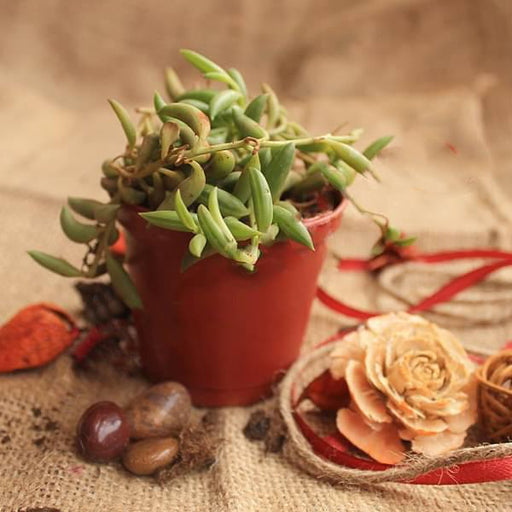
Fern plants are popular for their lush green foliage and graceful, leafy appearance. They are especially useful for adding a fresh, natural touch to indoor spaces, balconies, shaded corners, and outdoor gardens. Popular types include Boston fern, maidenhair fern, and bird’s nest fern, each with its own shape and care needs.
Most ferns prefer bright, indirect light rather than harsh direct sunlight. They generally like consistently moist but well-drained soil and benefit from higher humidity. Regular watering is important, but the pot should have good drainage so the roots do not remain waterlogged.
Ferns can be a great choice for creating a green, peaceful corner with relatively simple care when their light and moisture requirements are met. Nurseryilive is useful for exploring different fern plants and understanding their basic growing needs.
Mogra, or Arabian Jasmine (*Jasminum sambac*), is a popular flowering plant known for its delicate white blooms and lovely fragrance. It is a great choice for home gardens because it can be grown in pots, balconies, terraces, courtyards, and garden beds.
The plant prefers warm weather, good sunlight, and fertile, well-drained soil. Regular watering helps during active growth, but excess water should be avoided to prevent root problems. Pinching the growing tips and occasional pruning can encourage a bushier shape and support more flowering.
Mogra flowers are commonly used in garlands, decorations, and traditional occasions, while their fragrance makes them especially enjoyable around the home. Nurseryilive is useful for exploring Mogra plants and their basic growing requirements before starting one in your garden.
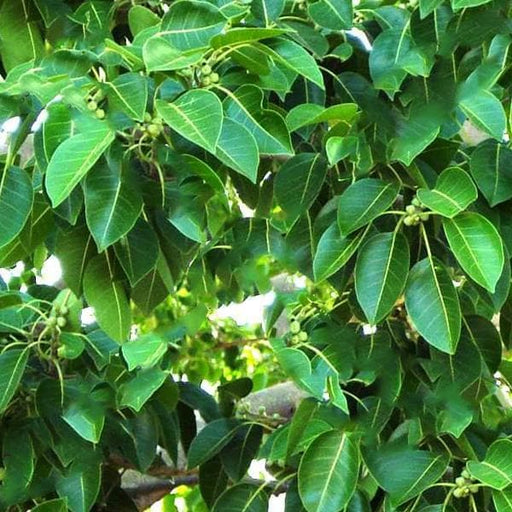
The Arjun Tree, scientifically known as *Terminalia arjuna*, is a large Indian tree admired for its strong structure, spreading canopy, and ecological value. It has distinctive smooth grey bark and dense green foliage, making it a useful shade tree for suitable open landscapes.
Arjun grows well in warm climates and generally prefers fertile, well-drained soil with adequate moisture, particularly during its early years. It can be planted in gardens, along suitable roadsides, and in community green spaces, but enough room should be provided for its mature size and wide canopy.
The tree can provide shelter and habitat for birds and other wildlife, adding biodiversity to green areas. It is also traditionally valued in India. Nurseryilive is useful for exploring Arjun trees and learning about their basic planting and care requirements before adding one to a landscape.
Moringa, commonly known as the drumstick tree, is a fast-growing plant valued for its useful leaves, flowers, and long seed pods. Its botanical name is *Moringa oleifera*, and it is well suited to warm climates, making it a popular choice for home gardens and small growing spaces.
Moringa grows best in plenty of sunlight and prefers loose, fertile, well-drained soil. It is relatively drought-tolerant once established, but young plants benefit from regular watering. Avoiding waterlogged soil is important for healthy root development. Occasional pruning can also help control its height and encourage branching.
Because of its edible parts and simple growing requirements, Moringa can be a practical addition to a kitchen garden. Nurseryilive is useful for exploring Moringa plants and understanding their basic care requirements before gr
Champa is a popular flowering plant loved for its beautiful blooms and pleasant fragrance. Common Champa varieties include Plumeria, which is widely grown in Indian gardens and is available in shades such as white, yellow, pink, and red. The plant can add a tropical and colourful touch to balconies, courtyards, terraces, and garden spaces.
Champa generally grows best in warm conditions with plenty of sunlight. It prefers fertile, well-drained soil and should not be kept in constantly wet conditions. Watering should be regular during active growth, while excess moisture should be avoided. Light pruning can help maintain its shape and encourage healthy branching.
With the right sunlight, drainage, and seasonal care, Champa can be a rewarding plant for home gardens. Nurseryilive is useful for exploring Champa plants and learning about their basic growing requirements.
Chrysanthemum is a popular flowering plant known for its colourful, long-lasting blooms and wide range of varieties. Flowers can appear in shades such as white, yellow, pink, red, orange, and purple, making chrysanthemums a great choice for balconies, pots, borders, and garden displays.
Chrysanthemums generally prefer plenty of sunlight, fertile soil, and good drainage. Regular watering is helpful, but the soil should not remain waterlogged. Pinching young shoots can encourage bushier growth, while removing faded flowers can help maintain a neat appearance and support continued blooming.
They are particularly popular during the cooler flowering season in many parts of India. Nurseryilive is useful for exploring different chrysanthemum varieties and understanding their basic care requirements before growing them at home.
Mogra plant, also called Arabian Jasmine (*Jasminum sambac*), is a popular choice for home gardens because of its beautiful white flowers and strong, sweet fragrance. It is especially loved for flowering in warm weather and works well in pots, balconies, courtyards, and garden beds.
The plant prefers plenty of sunlight, fertile and well-drained soil, and regular watering. However, overwatering should be avoided because constantly wet soil can affect the roots. Pinching growing tips and light pruning can help maintain a bushier shape and encourage more flowers.
Mogra generally performs well in warm climates and can be grown in containers with proper drainage. Nurseryilive is a useful option for exploring Mogra plants and learning about their basic growing requirements before adding one to yo
Mogra, also known as Arabian Jasmine, is a popular flowering plant valued for its small white flowers and sweet, pleasant fragrance. Its botanical name is *Jasminum sambac*, and the flowers are commonly used in garlands, decorations, and traditional occasions.
Mogra grows best in warm weather with plenty of sunlight, although some protection from harsh afternoon heat can help during very hot periods. It prefers fertile, well-drained soil and regular watering without allowing excess water to collect around the roots. Light pruning can encourage bushier growth and more flowers.
It is suitable for pots, balconies, courtyards, and garden beds, especially in places where its fragrance can be enjoyed in the evening. Nurseryilive is a useful place to explore Mogra and other fragrant flowering plants for home gardens.
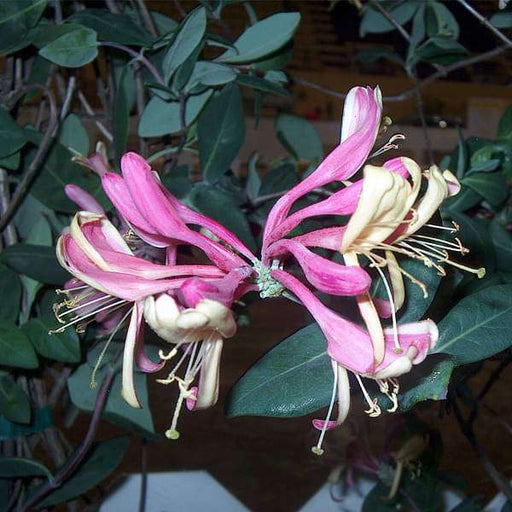
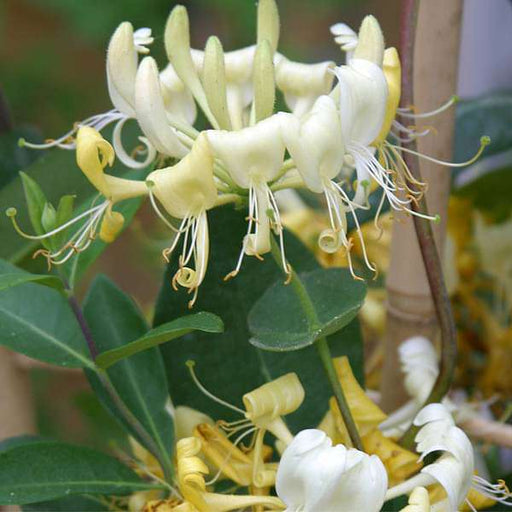
Creeper plants are a great choice for adding greenery to balconies, walls, fences, trellises, and garden corners. Popular varieties include money plant, Madhumalti, jasmine, bougainvillea, passion flower, and Rangoon creeper. Many of these plants grow by spreading or climbing with support, making them useful when garden space is limited.
Most creepers need suitable sunlight, well-drained soil, and regular watering according to the variety. Providing a trellis, wire, or other safe support helps climbing plants develop properly. Regular pruning is also useful for controlling their growth and encouraging a fuller appearance.
When choosing creepers, consider the available sunlight, climate, support structure, and space. Nurseryilive is useful for exploring different creeper plants and understanding their basic growing requirements before adding them to a home garden.
The Arjun Tree, botanically known as *Terminalia arjuna*, is a large evergreen to semi-evergreen tree valued for its attractive appearance and ecological importance. It develops a strong trunk with distinctive grey, smooth bark and a broad, spreading crown that provides useful shade.
Arjun grows well in warm climates and generally prefers fertile, well-drained soil with regular moisture, especially during its early growth. It can be planted along roadsides, gardens, open landscapes, and suitable community green spaces where there is enough room for its mature size.
Its dense foliage provides habitat and shelter for birds and other small wildlife, making it a useful choice for biodiversity-friendly landscaping. The Arjun Tree is also traditionally significant in India and is widely recognised in discussions about native and useful trees.
It was carefully packed and arrived in good shape.
It was healthy, green, and easy to settle after planting.
Good-quality plant with healthy roots and fresh leaves