Trachycarpus wagnerianus care
If you think caring for a Trachycarpus wagnerianus is like raising a pet rock, think again! This palm is a diva that demands just the right amount of sunlight, water, and love. It thrives in well-drained soil and can tolerate a bit of neglect, but don’t push your luck. Treat it like royalty, and it will reward you with lush fronds that scream, “Look at me!”
Trachycarpus wagnerianus growth rate
Patience is a virtue, especially when waiting for your Trachycarpus wagnerianus to strut its stuff. This palm isn’t in a hurry; it takes its sweet time to grow. Expect a slow but steady rise to glory, making it the tortoise in the race of palm trees. But hey, good things come to those who wait, right?
Trachycarpus wagnerianus propagation
Want to play plant matchmaker? Propagating Trachycarpus wagnerianus is like setting up a blind date for your garden. You can do it through seeds or offsets, but remember, not every seed will find its soulmate. Patience is key, and soon enough, you’ll have a mini palm army ready to take over your backyard.
Trachycarpus wagnerianus pests
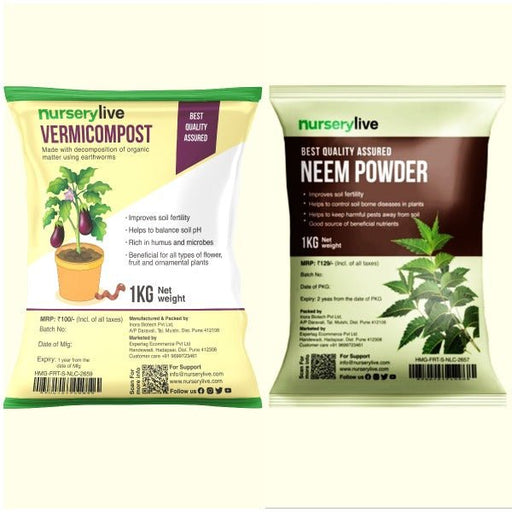
Every palm has its enemies, and the Trachycarpus wagnerianus is no exception. From pesky spider mites to the occasional scale insect, these little critters can be a nuisance. But fear not! A little neem oil or insecticidal soap can send them packing. Just think of it as your palm’s personal bodyguard.
Trachycarpus wagnerianus sunlight requirements
This palm is a sun worshipper, but it’s not a fan of the harsh midday rays. Think of it as a beachgoer who prefers the early morning sun and a shady umbrella in the afternoon. It thrives in partial shade to full sun, so give it a cozy spot where it can soak up the rays without getting scorched.
Trachycarpus wagnerianus soil type
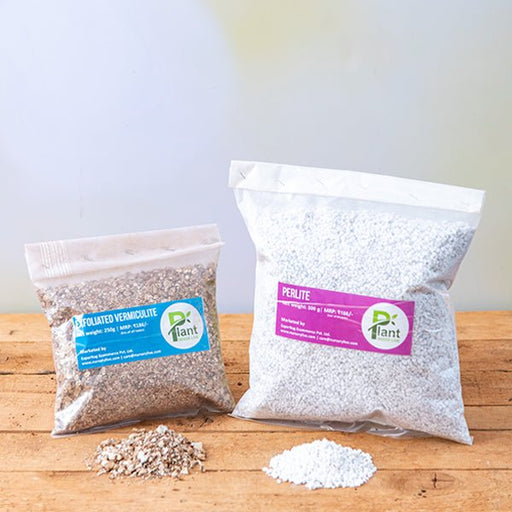
The Trachycarpus wagnerianus is a bit of a soil snob. It prefers well-draining soil that doesn’t hold onto water like a clingy ex. A mix of sand, peat, and perlite will make it feel right at home. Just remember, soggy roots are a big no-no; this palm likes to keep things dry and breezy.
Trachycarpus wagnerianus temperature tolerance
This palm is like that friend who can handle both the heat and the cold. It can brave temperatures as low as 10°F (-12°C) and still look fabulous. So whether you’re in a tropical paradise or a chilly climate, the Trachycarpus wagnerianus is ready to show off its resilience.
Trachycarpus wagnerianus landscape design
If you’re looking to add a touch of exotic flair to your garden, the Trachycarpus wagnerianus is your go-to plant. Its fan-like fronds and sturdy trunk make it a showstopper in any landscape design. Pair it with colorful flowers or other tropical plants, and watch your garden transform into a paradise that even Instagram would envy.
Trachycarpus wagnerianus watering needs
Watering your Trachycarpus wagnerianus is like giving it a refreshing drink after a long day. It enjoys a good soak, but don’t drown it! Allow the top inch of soil to dry out before giving it another splash. Think of it as a spa day for your palm—just the right amount of hydration to keep it looking fabulous.
Trachycarpus wagnerianus fertilization
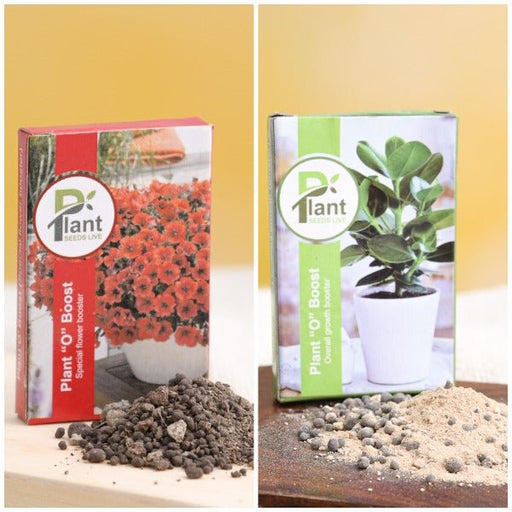
This palm loves a good meal, but it’s not picky. A balanced fertilizer during the growing season will keep it happy and healthy. Just remember, too much of a good thing can lead to a case of the “burnt tips.” So, feed it well, but don’t overdo it—your palm will thank you with lush, green fronds.
Trachycarpus wagnerianus indoor growing
Who says you can’t have a tropical paradise indoors? The Trachycarpus wagnerianus can thrive in pots, bringing a slice of the tropics right into your living room. Just make sure it gets enough light and space to spread its fronds. It’s like having a mini vacation spot without ever leaving your home.
Trachycarpus wagnerianus hardiness zone
This palm is a tough cookie, thriving in USDA hardiness zones 7 to 11. It’s like the Goldilocks of palms—not too hot, not too cold, but just right for a variety of climates. Whether you’re in a warm coastal area or a cooler inland spot, the Trachycarpus wagnerianus is ready to adapt and flourish.


 White Marble Pebbles (1 kg)
₹199
White Marble Pebbles (1 kg)
₹199 Plant O Boost — Growth Booster
₹239
Plant O Boost — Growth Booster
₹239 Garden Essential Plant Care Kit
₹599
Garden Essential Plant Care Kit
₹599