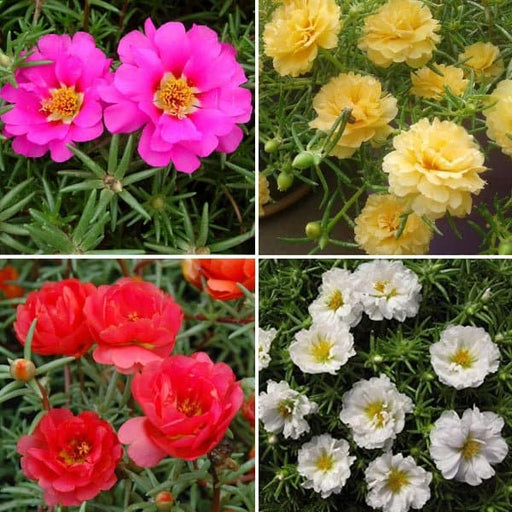
What is Solanum xanthocarpum?
Solanum xanthocarpum, also known as yellow berry nightshade, is a perennial plant that’s as charming as it sounds. With its vibrant yellow fruits and lush green foliage, it’s a showstopper in any garden. Just remember, while it looks delightful, it’s not a snack for humans—leave the berries for the birds!
Where does Solanum xanthocarpum grow?
This plant thrives in tropical and subtropical regions, making it a true sun worshipper. You’ll find it basking in the warmth of India, Southeast Asia, and parts of Africa. It loves well-drained soil and a bit of humidity, so if you’re in a dry area, it might just give you the cold shoulder!
Is Solanum xanthocarpum edible?
Ah, the million-dollar question! While the fruits may look tempting, they’re not for human consumption. They can be toxic if ingested, so keep your culinary adventures far away from this plant. It’s best to admire its beauty from a distance and leave the snacking to the local wildlife!
What are the medicinal uses of Solanum xanthocarpum?
This plant isn’t just a pretty face; it has a history of medicinal use in traditional medicine. It’s believed to have anti-inflammatory and analgesic properties. However, before you start brewing potions, consult a healthcare professional. Remember, just because it’s natural doesn’t mean it’s safe for self-medication!
How do you propagate Solanum xanthocarpum?
Propagation is as easy as pie! You can grow this beauty from seeds or cuttings. Just plant the seeds in well-drained soil, keep them moist, and watch them sprout. If you’re using cuttings, ensure they’re healthy and rooted well. Soon, you’ll have a mini jungle of Solanum xanthocarpum!
What pests affect Solanum xanthocarpum?
Like any diva, Solanum xanthocarpum can attract its share of pests. Watch out for aphids, spider mites, and whiteflies—they love to crash the party! Regularly inspect your plant and use organic insecticides if needed. A little TLC goes a long way in keeping these uninvited guests at bay!
How much sunlight does Solanum xanthocarpum need?
This plant is a sun lover, craving full to partial sunlight. Ideally, it should bask in at least 6 hours of sunlight daily. Too much shade, and it might sulk; too much direct sun, and it could get scorched. Finding that sweet spot is key to keeping your Solanum xanthocarpum happy!
What type of soil is best for Solanum xanthocarpum?
Well-drained, loamy soil is the name of the game! This plant doesn’t fancy soggy feet, so ensure good drainage to avoid root rot. A slightly acidic to neutral pH will keep it thriving. Mix in some organic matter, and you’ll have a soil recipe that even Solanum xanthocarpum would approve of!
How often should you water Solanum xanthocarpum?
Watering is an art, not a science! Keep the soil consistently moist but not waterlogged. During the growing season, a weekly drink should suffice, while in winter, you can cut back. Just remember, this plant prefers a sip over a swim—nobody likes soggy roots!
Can Solanum xanthocarpum be grown indoors?
Absolutely! If you have a sunny spot, Solanum xanthocarpum can thrive indoors. Just ensure it gets enough light and is in a pot with good drainage. It might even become your new favorite houseplant, adding a splash of color to your living space. Just don’t forget to give it some love!
What are the common diseases affecting Solanum xanthocarpum?
This plant can face a few foes, including fungal infections and root rot. Keep an eye out for yellowing leaves or wilting, as these could be signs of trouble. Good air circulation and proper watering practices can help prevent these issues. A little vigilance goes a long way in keeping your plant healthy!
Is Solanum xanthocarpum suitable for landscaping?
Definitely! With its striking appearance and lush foliage, Solanum xanthocarpum can be a fantastic addition to your landscape. Use it as a focal point or in mixed borders for a pop of color. Just remember to keep it away from high-traffic areas, as those berries are a no-go for humans!


 White Marble Pebbles (1 kg)
₹199
White Marble Pebbles (1 kg)
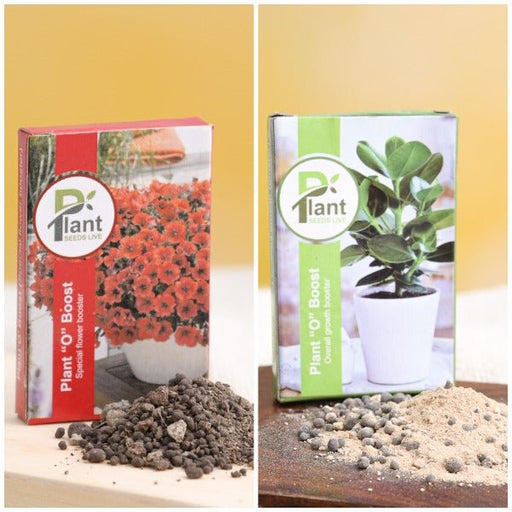
₹199 Plant O Boost — Growth Booster
₹239
Plant O Boost — Growth Booster
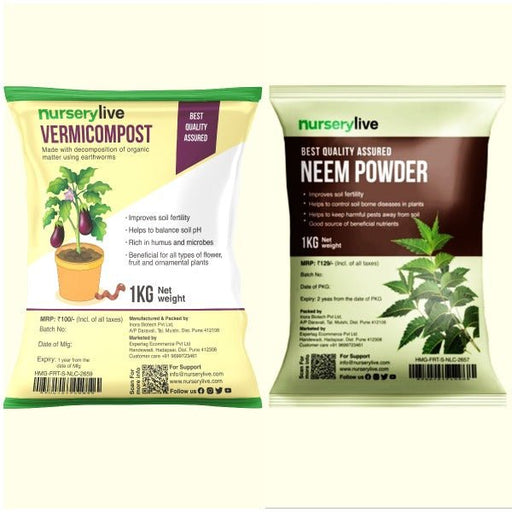
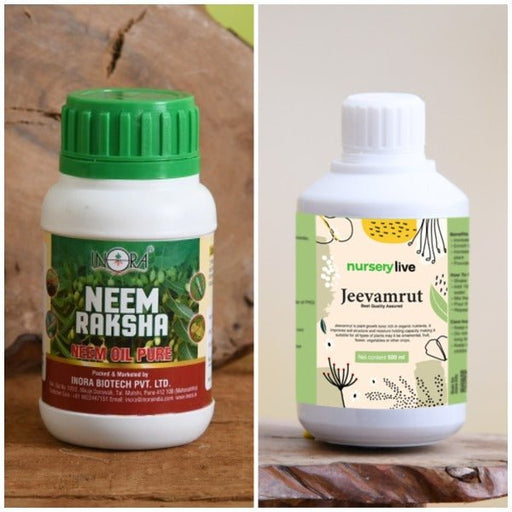
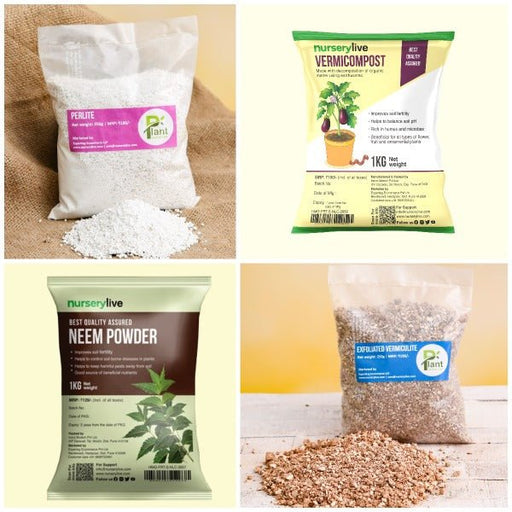
₹239 Garden Essential Plant Care Kit
₹599
Garden Essential Plant Care Kit
₹599