What are the best plants for a 2 X 2 ft vertical garden setup?
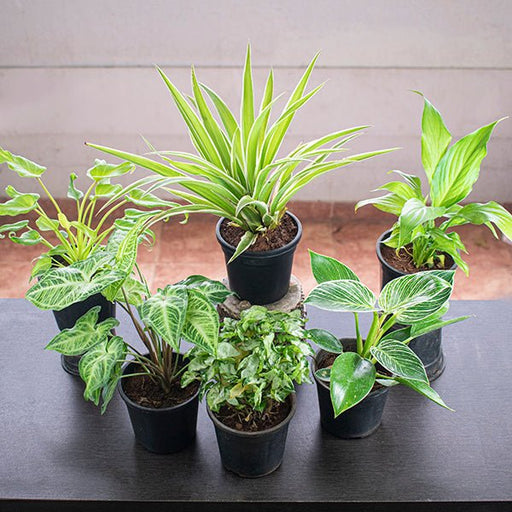
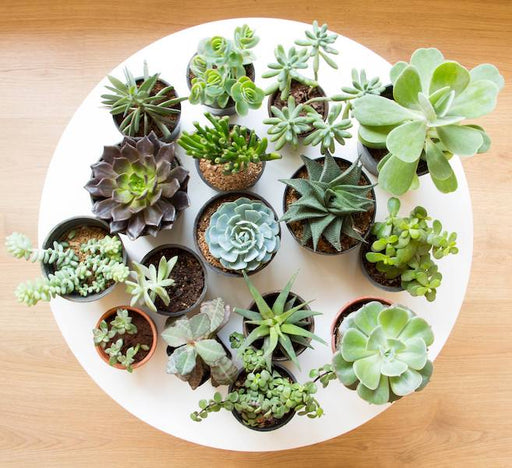
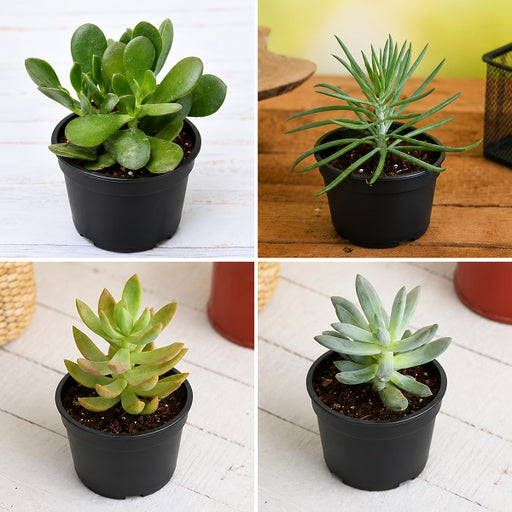
For a 2 X 2 ft vertical garden, consider compact plants like herbs (basil, mint), succulents, or trailing vines (pothos, string of pearls). They thrive in small spaces and add a pop of green. Just remember, they’re not just pretty faces; they also purify the air and make your space feel alive!
How do I maintain a vertical garden?
Maintaining a vertical garden is like keeping a pet—water, feed, and love! Regularly check for pests, ensure proper drainage, and rotate plants for even sunlight. A little pruning goes a long way, and don’t forget to talk to them; they love a good chat while you’re watering!
Can I use a vertical garden indoors?
Absolutely! Indoor vertical gardens are like the cool kids of home decor. They purify the air, boost your mood, and add a splash of nature to your space. Just ensure they get enough light—consider grow lights if your plants are feeling a bit too cozy in the shade!
What type of soil is best for vertical gardens?
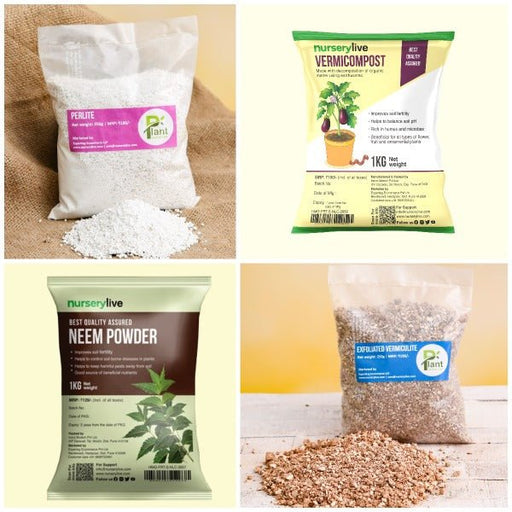
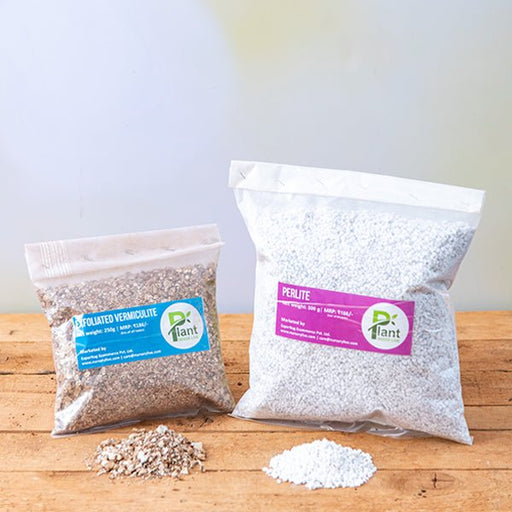
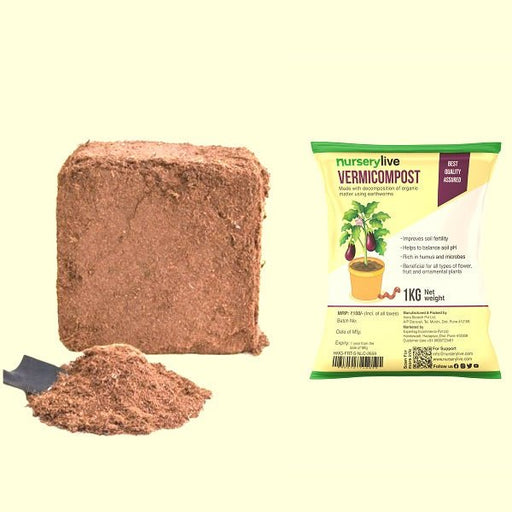
Think of soil as the comfy bed for your plants. A lightweight, well-draining potting mix is ideal for vertical gardens. You want it to hold moisture without turning into a swamp. Add some perlite or vermiculite for aeration, and your plants will be living the high life!
How often should I water my vertical garden?
Watering is like a dance—find the right rhythm! Generally, check your plants every few days. If the top inch of soil feels dry, it’s time for a drink. But don’t drown them; they’re not fish! Adjust based on plant type and season, and you’ll be a watering maestro.
Can I grow vegetables in a vertical garden?
Yes, you can! Vegetables love vertical gardens like kids love candy. Opt for compact varieties like cherry tomatoes, lettuce, or peppers. Just ensure they get enough sunlight and support for climbing. Your vertical garden will be the talk of the town, and you’ll be the proud veggie parent!
What are the benefits of a vertical garden?
Vertical gardens are like the Swiss Army knives of gardening! They save space, improve air quality, and enhance aesthetics. Plus, they can reduce noise pollution and provide insulation. It’s a win-win for your home and the environment—who knew being green could be so stylish?
How do I choose the right location for my vertical garden?
Choosing a location is like picking a vacation spot for your plants. Look for a spot with adequate sunlight (at least 6 hours a day) and easy access for watering. Avoid windy areas; your plants don’t want to be blown away. A little TLC goes a long way in plant happiness!
Can I use recycled materials for a vertical garden?
Absolutely! Recycling is the new black in gardening. Old pallets, shoe organizers, or even wine crates can be transformed into stunning vertical gardens. Just ensure they’re clean and safe for plants. It’s eco-friendly and gives your garden a unique flair—talk about a conversation starter!
How do I prevent pests in my vertical garden?
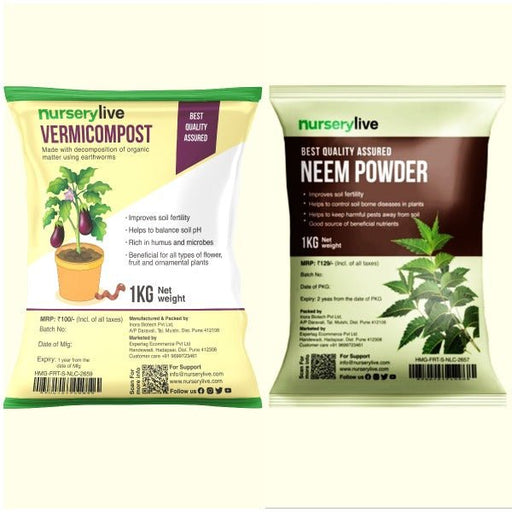
Pests are like uninvited guests; you want to keep them out! Regularly inspect your plants and use natural deterrents like neem oil or insecticidal soap. Encourage beneficial insects like ladybugs, and keep your garden tidy. A little prevention goes a long way in keeping your green paradise pest-free!
Can I create a vertical garden on a budget?
Creating a vertical garden on a budget is totally doable! Use recycled materials, shop for plants during sales, and DIY your setup. You don’t need to break the bank to create a green oasis. With a little creativity and resourcefulness, you’ll have a stunning garden that’s easy on the wallet!
What is the best way to support climbing plants in a vertical garden?
Supporting climbing plants is like giving them a helping hand. Use trellises, strings, or even repurposed ladders to provide structure. Ensure they’re securely anchored, and guide your plants as they grow. With the right support, your climbing plants will reach new heights—literally!


 White Marble Pebbles (1 kg)
₹199
White Marble Pebbles (1 kg)
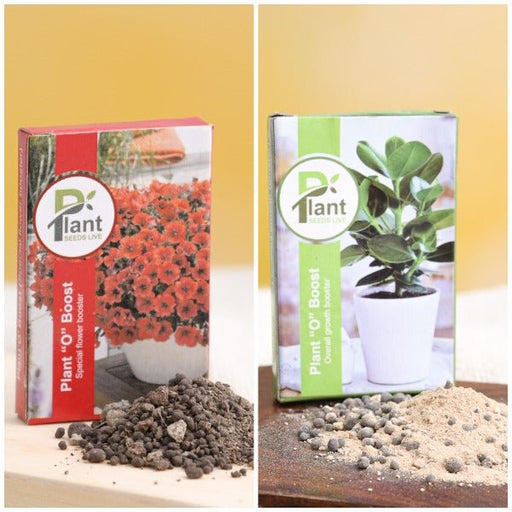
₹199 Plant O Boost — Growth Booster
₹239
Plant O Boost — Growth Booster
₹239 Garden Essential Plant Care Kit
₹599
Garden Essential Plant Care Kit
₹599