What is Monk's Hood - Plant?
Monk's Hood, or Aconitum, is a stunning yet sneaky perennial. With its hooded flowers resembling a monk's cowl, it’s a showstopper in gardens. But beware! This beauty is highly toxic, so keep it away from curious pets and children. Admire from a distance, and let it be the drama queen of your garden!
Is Monk's Hood - Plant poisonous?
Absolutely! Monk's Hood is like the diva of the plant world—gorgeous but dangerous. All parts of the plant contain aconitine, a potent toxin. Ingesting even a small amount can lead to serious health issues. So, while it may look inviting, treat it like that one friend who always brings drama—best enjoyed from afar!
How do I grow Monk's Hood - Plant?
Growing Monk's Hood is like hosting a party for introverts—low maintenance but needs the right vibe! Plant it in well-drained soil with partial shade. Water it regularly, but don’t drown it; it prefers a dry spell now and then. With a little patience, you’ll have a stunning display that whispers elegance!
When does Monk's Hood - Plant bloom?
Monk's Hood blooms in late summer to early fall, strutting its stuff when other plants are winding down. Its tall spikes of blue, purple, or white flowers are like the grand finale of a garden show. Just when you think the season is over, Monk's Hood steps onto the stage, stealing the spotlight!
Where can I find Monk's Hood - Plant?
You can find Monk's Hood at local nurseries, garden centers, or online plant retailers. Just remember, it’s not your average houseplant; it prefers a garden stage! Check for reputable sellers to ensure you’re getting the real deal. And don’t forget to read the care instructions—this diva has specific needs!
Can I use Monk's Hood - Plant in herbal medicine?
While Monk's Hood has a history in traditional medicine, it’s best left to the professionals. Its toxic properties can lead to serious health risks, so don’t play doctor with this plant! Stick to safer herbs for your remedies, and let Monk's Hood be the eye candy in your garden instead of a medicine cabinet resident.
How tall does Monk's Hood - Plant grow?
Monk's Hood can reach heights of 2 to 4 feet, making it a tall drink of water in the garden. Its stature adds drama and elegance, perfect for back borders or as a focal point. Just be sure to give it enough space to strut its stuff without overshadowing its neighbors!
Is Monk's Hood - Plant deer resistant?
Yes, Monk's Hood is like the bouncer of the garden—deer tend to avoid it due to its toxicity. While they may munch on other plants, they’ll steer clear of this beauty. So, if you’re looking for a plant that can withstand the nibbling critters, Monk's Hood is your go-to!
Can I propagate Monk's Hood - Plant?
Absolutely! Monk's Hood can be propagated through division or seeds, but it’s like a secret club—only for the brave! Division is best done in spring or fall, while seeds require patience and a bit of finesse. Just remember, handle with care; this plant has a reputation to uphold!
What are the common pests of Monk's Hood - Plant?
Monk's Hood is generally pest-resistant, but it can occasionally attract aphids or slugs. Think of them as uninvited guests at a fancy party. If you spot them, a gentle spray of insecticidal soap or a hand-picking session should do the trick. Keep your Monk's Hood looking fabulous and pest-free!
Can Monk's Hood - Plant grow in containers?
Yes, Monk's Hood can be container-grown, but it prefers a spacious pot to stretch its legs! Ensure good drainage and use quality potting soil. Just remember, it’s a bit of a diva—regular watering and partial shade will keep it happy. With the right care, it’ll be the belle of your patio ball!


 White Marble Pebbles (1 kg)
₹199
White Marble Pebbles (1 kg)
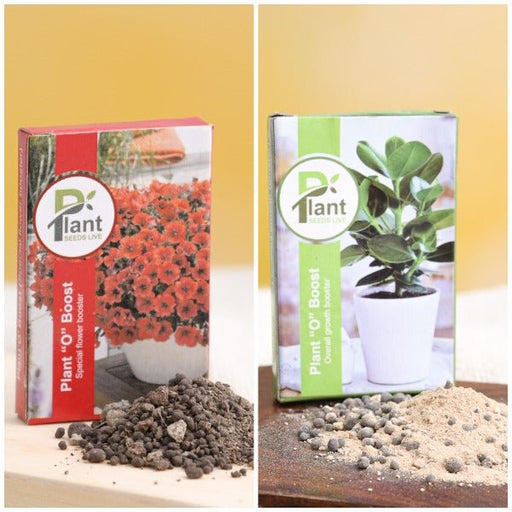
₹199 Plant O Boost — Growth Booster
₹239
Plant O Boost — Growth Booster
₹239 Garden Essential Plant Care Kit
₹599
Garden Essential Plant Care Kit
₹599