What is Lilium Lancifolium, Tiger Lily (Red)?
Lilium Lancifolium, commonly known as the Tiger Lily (Red), is a stunning perennial flower that flaunts vibrant orange-red petals adorned with dark spots. This beauty not only adds a pop of color to your garden but also attracts pollinators like bees and butterflies, making it a favorite among nature lovers.
How do I care for Lilium Lancifolium?
Caring for your Tiger Lily is as easy as pie! Plant it in well-drained soil with plenty of sunlight, water it moderately, and watch it thrive. Just remember, it loves to stretch its roots, so give it some space. Fertilize occasionally, and you'll have a blooming masterpiece in no time!
When does Lilium Lancifolium bloom?
Get ready for a floral fiesta! The Tiger Lily typically blooms in mid to late summer, showcasing its fiery colors. With a little patience and care, you’ll be rewarded with a spectacular display that will have your neighbors green with envy. Mark your calendars for the summer bloom party!
Can I grow Lilium Lancifolium in pots?
Absolutely! Lilium Lancifolium can be a pot superstar. Just ensure your container has good drainage and is large enough for its roots to spread. With the right care, you can enjoy this fiery beauty on your patio or balcony, bringing a touch of wild elegance to your outdoor space.
Is Lilium Lancifolium deer-resistant?
Good news for gardeners with a deer dilemma! The Tiger Lily is often considered deer-resistant due to its slightly bitter taste. While no plant is entirely safe from a hungry deer, this vibrant beauty tends to be left alone, allowing you to enjoy its splendor without the worry of unwanted nibblers.
How tall does Lilium Lancifolium grow?
Prepare for a showstopper! Lilium Lancifolium can reach heights of 3 to 4 feet, making it a striking addition to any garden. Its tall, elegant stems and vibrant blooms create a dramatic effect, perfect for adding vertical interest to your floral arrangements or garden beds.
Is Lilium Lancifolium invasive?
Fear not, garden warriors! Lilium Lancifolium is not considered invasive. While it can spread through bulbs, it’s generally well-behaved and won’t take over your garden like an overzealous party guest. Just keep an eye on it, and you’ll enjoy its beauty without the chaos.
What soil is best for Lilium Lancifolium?
Lilium Lancifolium thrives in well-drained, loamy soil that’s rich in organic matter. Think of it as a diva that demands the best! A slightly acidic to neutral pH will keep it happy. Add some compost to the mix, and you’ll have a soil recipe that even the pickiest plants would love.
Can Lilium Lancifolium be grown in shade?
While Lilium Lancifolium prefers full sun, it can tolerate partial shade. However, don’t expect it to strut its stuff as vibrantly in the shade. For the best blooms and growth, give it a sunny spot where it can soak up those rays and show off its fiery colors!
How do I propagate Lilium Lancifolium?
Propagation is a piece of cake! You can divide the bulbs in the fall or spring when the plant is dormant. Just dig them up, separate the bulbs, and replant them in well-drained soil. With a little TLC, you’ll have more Tiger Lilies to flaunt in your garden!
Are Lilium Lancifolium flowers edible?
While the Tiger Lily is a beauty, it’s not exactly a culinary superstar. The flowers are technically edible, but they’re not the tastiest treat. If you’re looking to impress at dinner, stick to using them as a garnish or in floral arrangements instead of on your plate.
What pests should I watch for on Lilium Lancifolium?
Keep your eyes peeled for pesky critters like aphids and lily beetles. These little troublemakers can munch on your Tiger Lily’s leaves and flowers. A quick spray of insecticidal soap or a gentle hand-picking can keep them at bay, ensuring your plant remains the belle of the garden ball!


 White Marble Pebbles (1 kg)
₹199
White Marble Pebbles (1 kg)
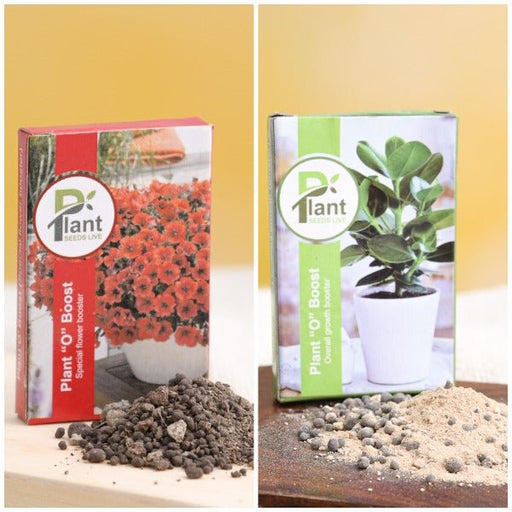
₹199 Plant O Boost — Growth Booster
₹239
Plant O Boost — Growth Booster
₹239 Garden Essential Plant Care Kit
₹599
Garden Essential Plant Care Kit
₹599