What is a Butternut Pumpkin?
Butternut pumpkin, also known as butternut squash, is a sweet, nutty fruit that’s a favorite in soups and pies. With its tan skin and vibrant orange flesh, it’s like the pumpkin’s sophisticated cousin who went to culinary school. Perfect for roasting, mashing, or pureeing, it’s a versatile kitchen superstar!
How do I plant Butternut Pumpkin?
Plant butternut pumpkin seeds in well-drained soil after the last frost. Space them about 3 feet apart, as they love to sprawl like a cat in the sun. Water them regularly, and watch them grow into glorious green vines. Just remember, they’re not fans of frost—so keep an eye on the weather!
What are the ideal growing conditions for Butternut Pumpkin?
Butternut pumpkins thrive in full sun and well-drained soil with a pH of 6.0 to 6.8. They’re like sunbathers at the beach, soaking up those rays! Ensure they have plenty of space to spread out, and don’t forget to keep them hydrated. Happy plants equal happy harvests!
How long does it take for Butternut Pumpkin to grow?
Patience is key! Butternut pumpkins typically take about 75 to 100 days from planting to harvest. It’s like waiting for a fine wine to age—worth every moment! Keep an eye on those vines, and soon you’ll be rewarded with a bountiful harvest of deliciousness.
When is the best time to harvest Butternut Pumpkin?
Harvest butternut pumpkins when their skin turns a deep tan and the stem starts to dry out. It’s like waiting for the perfect moment to pop the champagne! Use a sharp knife to cut them from the vine, leaving a few inches of stem. Store them in a cool, dry place.
How do I know when my Butternut Pumpkin is ripe?
A ripe butternut pumpkin will have a hard, tan skin and a dull sheen. Give it a gentle thump—if it sounds hollow, it’s ready for the spotlight! The stem should be dry and brown, indicating it’s time to bring your pumpkin home for some culinary magic.
Can I grow Butternut Pumpkin in containers?
Absolutely! Butternut pumpkins can be grown in large containers, but they’ll need plenty of space to spread their vines. Choose a container that’s at least 5 gallons and fill it with nutrient-rich soil. Just remember, they’re like party animals—give them room to roam and they’ll reward you with a bountiful harvest!
What pests should I watch out for when growing Butternut Pumpkin?
Keep an eye out for squash bugs, aphids, and cucumber beetles—they’re the uninvited guests at your pumpkin party! Use organic insecticides or introduce beneficial insects like ladybugs to keep them in check. A little vigilance goes a long way in ensuring your butternut pumpkins stay healthy and happy.
How do I store Butternut Pumpkin after harvest?
Store your harvested butternut pumpkins in a cool, dry place with good air circulation. They’re like fine art—best displayed away from direct sunlight! If stored properly, they can last for several months. Just don’t forget about them; they might start plotting their escape!
Can I eat the skin of Butternut Pumpkin?
Yes, you can eat the skin of butternut pumpkin, but it’s often tough and not as tasty as the flesh. If you’re feeling adventurous, roast it alongside the flesh for added texture. Just remember, it’s not the star of the show—let that sweet, creamy interior shine!
What are the health benefits of Butternut Pumpkin?
Butternut pumpkin is a nutritional powerhouse, packed with vitamins A and C, fiber, and antioxidants. It’s like a health guru in disguise! Incorporating it into your diet can boost your immune system, improve digestion, and keep your skin glowing. Plus, it’s delicious—what’s not to love?
Can I save seeds from my Butternut Pumpkin?
Absolutely! Saving seeds from your butternut pumpkin is a great way to grow your own next season. Just scoop out the seeds, rinse them, and let them dry completely. Store them in a cool, dry place until planting time. It’s like having a little piece of your garden legacy!


 White Marble Pebbles (1 kg)
₹199
White Marble Pebbles (1 kg)
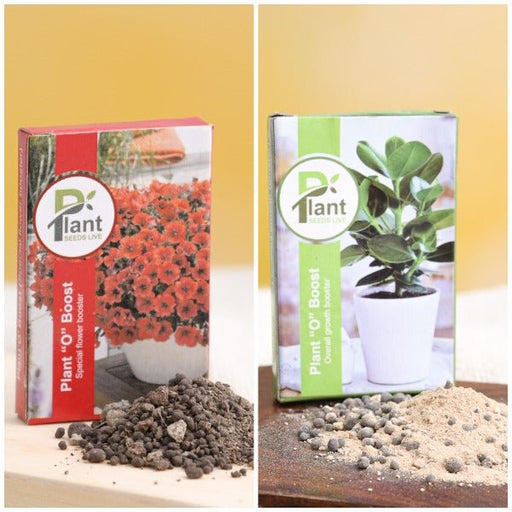
₹199 Plant O Boost — Growth Booster
₹239
Plant O Boost — Growth Booster
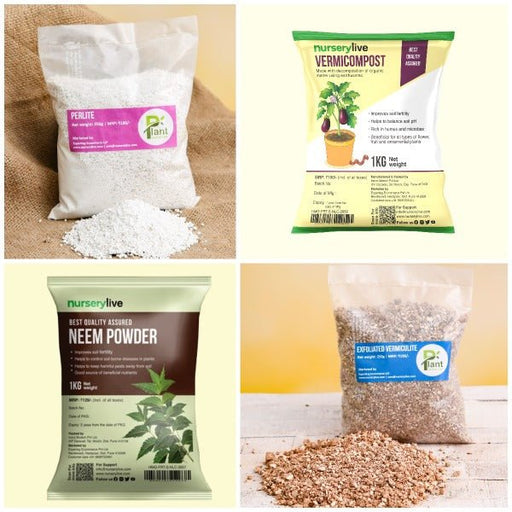
₹239 Garden Essential Plant Care Kit
₹599
Garden Essential Plant Care Kit
₹599