Aster Care
Aster care is like giving your plant a spa day—water, sunlight, and a little love go a long way. These beauties thrive in well-drained soil and prefer full sun, so make sure they’re not stuck in the shade like a wallflower at a dance. Regular deadheading will keep them blooming like they’re auditioning for a floral fashion show. Just remember, too much water can lead to root rot, which is like a bad hair day for your plant. So, treat your Aster to the right conditions, and it’ll reward you with a vibrant display that’ll make your neighbors green with envy.
Aster Varieties
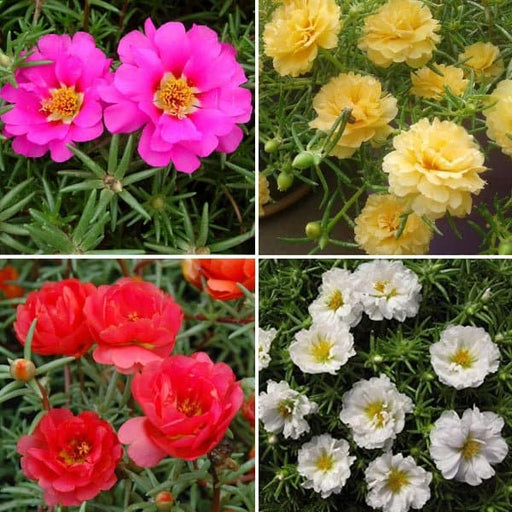
Aster varieties are like a box of chocolates—each one has its own unique flavor and charm. From the classic New England Aster to the delicate Alpine Aster, there’s a type for every garden personality. Some bloom in late summer, while others wait until fall to strut their stuff. With colors ranging from soft pastels to bold purples, you can mix and match to create a floral masterpiece. Just be careful not to get too carried away; you don’t want your garden to look like a paint factory explosion. Choose wisely, and your Aster collection will be the talk of the town.
Aster Planting Tips
Planting Asters is like setting the stage for a grand performance. Choose a sunny spot with well-drained soil, and make sure to give them enough space to spread their wings—err, leaves. Dig a hole that’s twice as wide as the root ball, and don’t forget to loosen the roots a bit; they can be a bit shy at first. Water them in like you’re giving them a refreshing drink after a long journey. And remember, patience is key; these beauties may take a little time to settle in, but once they do, they’ll be ready to steal the show.
Aster Pests
Aster pests are the uninvited guests at your garden party. Aphids, spider mites, and slugs can crash the scene and ruin the fun. But fear not! A little vigilance and some natural remedies can send these party crashers packing. Introduce beneficial insects like ladybugs to keep the aphids in check, or use neem oil to give those pesky mites the boot. Regularly inspecting your plants will help you catch any troublemakers before they turn your Aster soirée into a disaster. With a little effort, you can keep your garden pest-free and your Asters looking fabulous.
Aster Companion Plants
Aster companion plants are like the perfect sidekicks in a buddy cop movie—together, they create a dynamic duo that’s hard to beat. Pair your Asters with tall sunflowers for a dramatic height contrast or mix them with low-growing ground covers to create a lush tapestry. Not only do companion plants enhance the beauty of your garden, but they can also help deter pests and improve soil health. Just be sure to choose plants with similar sunlight and water needs, or you might end up with a garden rivalry instead of a harmonious partnership.
Aster Propagation
Aster propagation is like playing matchmaker for your plants. You can easily propagate Asters through division or cuttings, ensuring that your garden stays vibrant and full of life. When dividing, make sure to do it in early spring or fall, and don’t be afraid to get your hands dirty. For cuttings, snip a healthy stem and place it in water until roots develop—voilà, you’ve got yourself a new plant! Just remember, patience is a virtue; it may take some time for your new Asters to bloom, but the wait will be worth it when they finally show off their colors.
Aster Diseases
Aster diseases are the drama queens of the plant world, always looking for attention. From powdery mildew to root rot, these ailments can wreak havoc on your beloved blooms. But don’t panic! Prevention is your best defense. Ensure good air circulation and avoid overcrowding to keep those pesky fungi at bay. If you do spot a sickly Aster, act fast—remove affected leaves and treat with fungicides if necessary. With a little TLC and a watchful eye, you can keep your Asters healthy and thriving, leaving the drama to the soap operas.
Aster Blooming Season
Aster blooming season is like the grand finale of a fireworks show—everyone’s waiting for the big reveal! Depending on the variety, Asters can bloom from late summer to fall, adding a splash of color when many other plants are winding down. Their vibrant hues can brighten up any garden and attract pollinators like bees and butterflies, turning your yard into a buzzing paradise. So, mark your calendar and prepare for the floral extravaganza; your Asters are ready to take center stage and steal the spotlight.
Aster Soil Requirements
Aster soil requirements are like a recipe for a perfect cake—get the ingredients right, and you’ll have a masterpiece. These plants prefer well-drained, loamy soil that’s rich in organic matter. If your soil is heavy clay, consider amending it with compost to improve drainage. A pH level between 6.0 and 8.0 is ideal, so a little soil testing can go a long way. Remember, happy roots make for happy plants, so give your Asters the soil they crave, and they’ll reward you with a stunning display that’ll have everyone talking.
Aster Watering Needs
Aster watering needs are like a Goldilocks story—too much, and they’ll drown; too little, and they’ll wither. These plants prefer consistently moist soil, especially during their blooming season, but they don’t want to be sitting in a puddle like a kid in a rainstorm. Water them deeply but infrequently, allowing the top inch of soil to dry out between waterings. Mulching can help retain moisture and keep those pesky weeds at bay. With the right watering routine, your Asters will flourish and put on a show that’ll leave you in awe.
Aster Fertilization
Aster fertilization is like giving your plants a gourmet meal—just the right nutrients can make all the difference. A balanced, slow-release fertilizer in early spring will set the stage for a spectacular growing season. Avoid over-fertilizing, though; too much nitrogen can lead to lush foliage at the expense of blooms, and nobody wants a garden full of green without the color. A little compost can also do wonders, providing a natural boost that’ll have your Asters thriving. With the right fertilization strategy, your plants will be the envy of the neighborhood, flaunting their vibrant blooms like they just walked off a fashion runway.


 White Marble Pebbles (1 kg)
₹199
White Marble Pebbles (1 kg)
₹199 Plant O Boost — Growth Booster
₹239
Plant O Boost — Growth Booster
₹239 Garden Essential Plant Care Kit
₹599
Garden Essential Plant Care Kit
₹599