What is Agropyron repens?
Agropyron repens, commonly known as quackgrass, is a perennial grass that’s as persistent as your neighbor’s cat. It thrives in various conditions, spreading through rhizomes like gossip at a family reunion. While it can be a nuisance in gardens, it’s also a resilient plant that can withstand drought and poor soil.
How does Agropyron repens spread?
This sneaky grass spreads through underground rhizomes, making it the ninja of the plant world. One moment it’s minding its own business, and the next, it’s taking over your garden like an uninvited guest. If you’re not careful, it can turn your flower bed into a quackgrass convention.
Is Agropyron repens edible?
While Agropyron repens isn’t exactly on the gourmet menu, it’s not toxic either. Some adventurous souls have used its young shoots in salads, but let’s be honest: you’re better off sticking to the romaine. It’s more of a survival snack than a culinary delight, perfect for when the fridge is empty.
How do I control Agropyron repens?
Controlling Agropyron repens is like trying to tame a wild stallion. Pulling it out by hand can work, but you’ll need to be persistent. Herbicides can help, but be cautious—what you spray might also affect your prized petunias. A combination of methods is often the best way to keep this grass in check.
Is Agropyron repens invasive?
Yes, Agropyron repens is the life of the invasive plant party! It can quickly take over gardens and fields, outcompeting native plants for resources. If you’re not vigilant, it’ll turn your carefully curated landscape into a quackgrass jungle faster than you can say “weed whacker.”
What are the benefits of Agropyron repens?
Despite its reputation, Agropyron repens has some redeeming qualities. It’s excellent for erosion control, thanks to its extensive root system. Plus, it can improve soil health by adding organic matter when it dies back. So, while it may be a nuisance, it’s also a hardworking little grass in its own right.
Can Agropyron repens grow in shade?
Agropyron repens is like that friend who can adapt to any situation. It prefers full sun but can tolerate partial shade. Just don’t expect it to thrive in the dark like a mushroom; it still needs some light to show off its green glory.
What soil conditions does Agropyron repens prefer?
Agropyron repens is not picky about soil—it's the ultimate free spirit! It can grow in sandy, loamy, or clay soils, as long as there’s some moisture. Just remember, it’s not a fan of overly wet conditions, so don’t drown it in your quest for a lush lawn.
Is Agropyron repens drought-tolerant?
Absolutely! Agropyron repens is like the camel of the grass world, able to withstand dry spells with ease. Once established, it can survive on minimal water, making it a great choice for low-maintenance gardens. Just don’t expect it to throw a drought party; it still prefers a little hydration now and then.
How do I identify Agropyron repens?
Identifying Agropyron repens is easier than finding Waldo. Look for its long, narrow leaves that can reach up to 12 inches. The stems are erect and can grow up to 3 feet tall. If you see it spreading like wildfire, congratulations—you’ve found quackgrass in its natural habitat!
When is the best time to plant Agropyron repens?
The best time to plant Agropyron repens is in the spring or fall when the weather is just right. It’s like planting a party guest—too hot or too cold, and they won’t show up. Aim for mild temperatures, and watch this grass thrive like it’s on a summer vacation!
Can Agropyron repens be used for landscaping?
While Agropyron repens can be a bit of a rebel in the garden, it can be used strategically in landscaping. It’s great for erosion control and can fill in bare spots. Just be prepared to keep it in check, or it might turn your carefully planned landscape into a quackgrass free-for-all!


 White Marble Pebbles (1 kg)
₹199
White Marble Pebbles (1 kg)
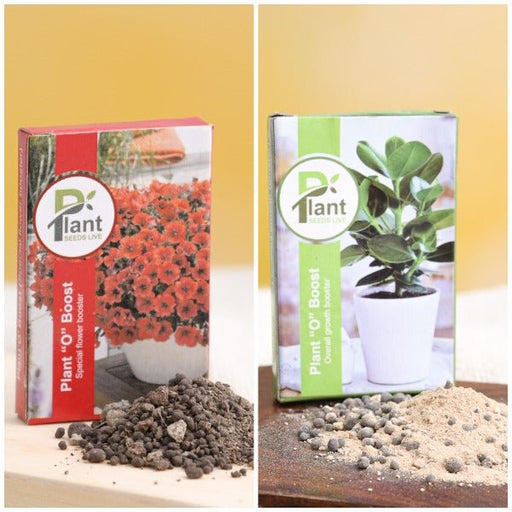
₹199 Plant O Boost — Growth Booster
₹239
Plant O Boost — Growth Booster
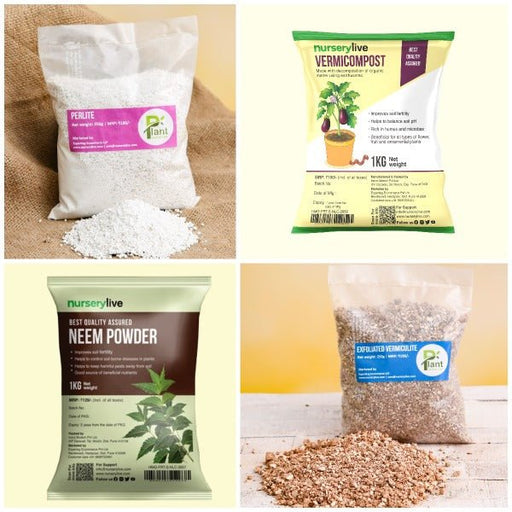
₹239 Garden Essential Plant Care Kit
₹599
Garden Essential Plant Care Kit
₹599