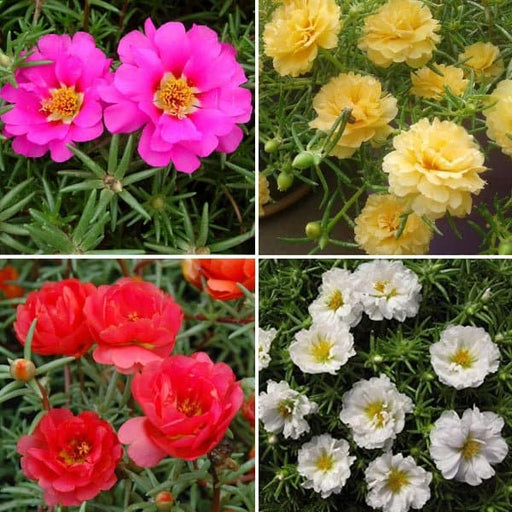
What are air purifying plants?
Air purifying plants are plants that have been shown to remove harmful pollutants and toxins from the air, improving air quality in the process. They do this by absorbing these pollutants through their leaves and roots and converting them into harmless substances.
What are some examples of air purifying plants?
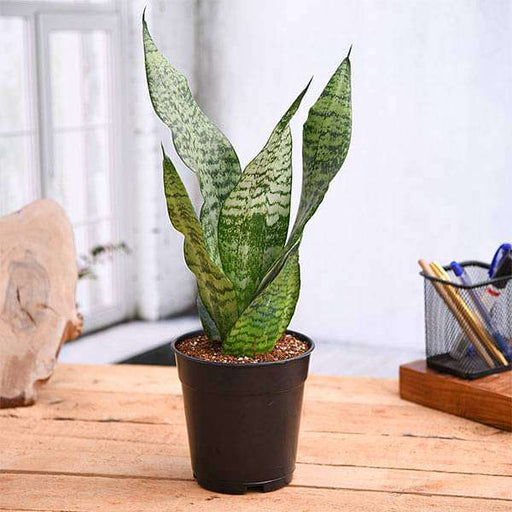
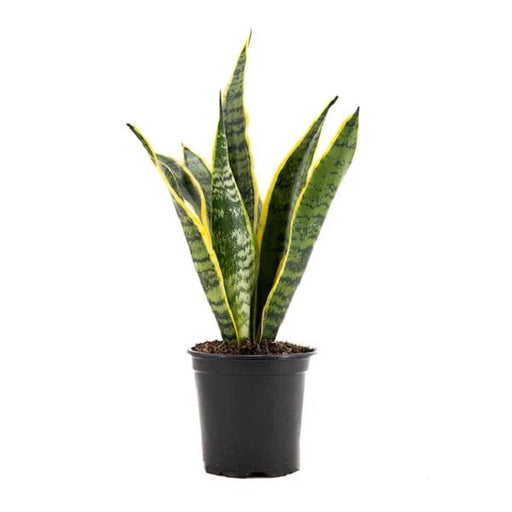
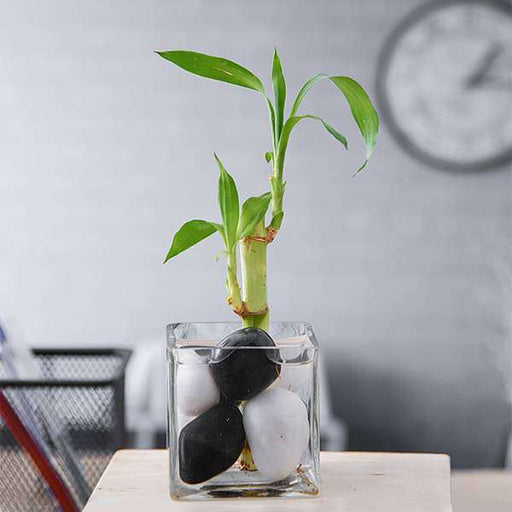
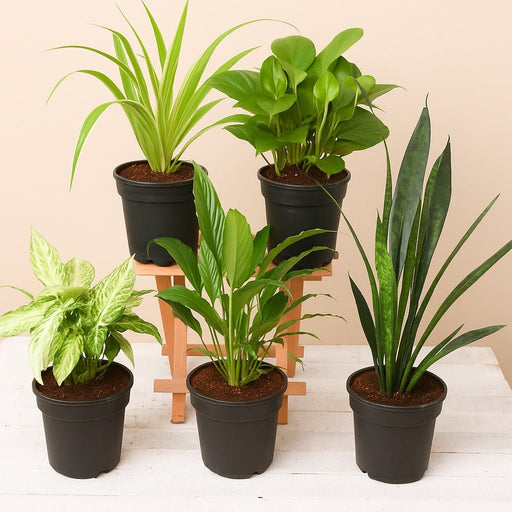
Some examples of air purifying plants include the peace lily, spider plant, snake plant, golden pothos, and bamboo palm. Each of these plants has been shown to effectively remove pollutants from the air.
How do air purifying plants improve air quality?
Air purifying plants improve air quality by absorbing harmful chemicals and pollutants through their leaves and roots. These pollutants can come from a variety of sources, including cleaning products, furniture, and air pollution. Once the plants absorb these pollutants, they convert them into harmless substances, improving the air quality in the process.
Can air purifying plants be grown in India?
Yes, many air purifying plants can be grown in India, provided the right growing conditions are provided. These plants typically thrive in bright, indirect sunlight and well-draining soil. Some popular air purifying plants in India include the spider plant, snake plant, and money plant.
What are some popular air purifying plants in India?
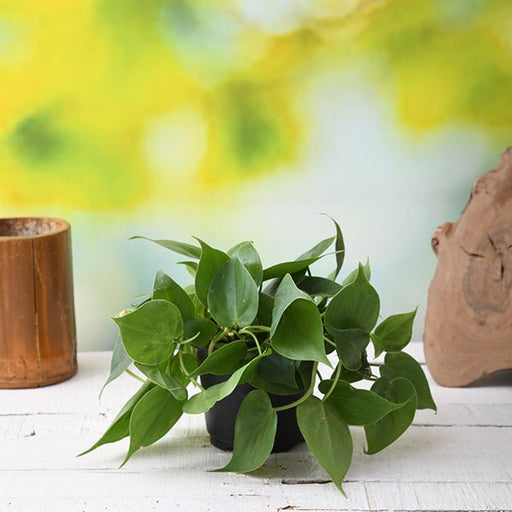
Some popular air purifying plants in India include the spider plant, snake plant, money plant, and peace lily. These plants have been shown to effectively remove pollutants from the air, improving air quality in the process.
How many air purifying plants do I need for my home?
The number of air purifying plants needed for a home depends on factors such as the size of the space, the number of occupants, and the level of pollution in the surrounding area. As a general rule, it's recommended to have at least one air purifying plant for every 100 square feet of space.
Do air purifying plants require a lot of sunlight?
Air purifying plants typically require bright, indirect sunlight but can tolerate low-light conditions. Some plants, such as the snake plant and peace lily, can even grow in low-light conditions and are well-suited for areas without much natural light.
What type of soil do air purifying plants need?
Air purifying plants typically need well-draining soil that is rich in organic matter. A good quality potting mix or a mix of garden soil and sand can work well for these plants. It's important to avoid overwatering these plants, as this can lead to root rot and other issues.
How often should I water my air purifying plants?
The watering frequency for air purifying plants varies depending on the plant species, pot size, and environmental conditions. As a general rule, it's better to underwater than overwater air purifying plants. It's recommended to water these plants once a week or when the soil is dry to the touch.
Do air purifying plants require fertilizer?
Air purifying plants do not typically require much fertilizer. Too much fertilizer can lead to overgrowth and damage to the plant. Fertilizing every 2-3 months with a balanced, all-purpose fertilizer can help maintain the plant's health and growth.
Can air purifying plants be grown indoors?
Yes, many air purifying plants can be grown indoors, making them a popular choice for improving air quality in homes and offices. These plants typically thrive in bright, indirect sunlight and well-draining soil.
Do air purifying plants have any health benefits?
Yes, air purifying plants have been shown to have a variety of health benefits. They can help reduce stress levels, improve concentration, and boost mood. Additionally, they can improve air quality by removing harmful pollutants from the air.
How do I know if my air purifying plant is working?
You can tell if your air purifying plant is working by monitoring the air quality in your home or office. You can use an air quality monitor to measure the levels of pollutants in the air. Over time, as the plant removes pollutants from the air, you should see a decrease in the levels of these pollutants.
Can air purifying plants remove all pollutants from the air?
While air purifying plants can remove many pollutants from the air, they are not able to remove all pollutants. Some pollutants, such as carbon monoxide and radon, require specialized equipment to remove from the air.
Do air purifying plants have any negative effects?
While air purifying plants are generally safe and beneficial, some people may experience allergic reactions to certain plant species. Additionally, overwatering these plants can lead to mold growth and other issues.
Can air purifying plants help with allergies?
Yes, air purifying plants can help with allergies by removing allergens from the air, such as dust, pollen, and mold spores. However, some people may be allergic to certain plant species, so it's important to choose plants that are not allergenic to you.
Can air purifying plants help with asthma?
Air purifying plants may help with asthma by removing pollutants from the air that can trigger asthma attacks. However, it's important to note that not all asthma triggers are airborne, so air purifying plants may not be a complete solution for asthma management.
How do I care for my air purifying plants?
To care for your air purifying plants, make sure to provide them with adequate sunlight, well-draining soil, and proper watering. You should also keep an eye out for pests and diseases, and take steps to prevent them from affecting your plants.
Can air purifying plants be propagated?
Yes, many air purifying plants can be propagated through stem cuttings or division. This is a great way to create new plants and expand your collection.
Can air purifying plants be used for outdoor landscaping?
Yes, many air purifying plants can be used for outdoor landscaping, provided the right growing conditions are provided. These plants typically thrive in bright, indirect sunlight and well-draining soil.
Are air purifying plants expensive?
Air purifying plants can vary in price depending on the species and size of the plant. However, many popular air purifying plants, such as the snake plant and spider plant, are relatively inexpensive and widely available.
How long do air purifying plants live?
The lifespan of air purifying plants varies depending on the species and growing conditions. Some plants, such as the spider plant, can live for several years with proper care.
Can air purifying plants be used in offices?
Yes, air purifying plants are often used in offices to improve air quality and boost productivity. They can be a great addition to any workspace.
How do air purifying plants help with productivity?
Air purifying plants can help with productivity by improving air quality and reducing stress levels. This can lead to improved concentration and a more positive work environment.
Can air purifying plants be used in hospitals?
Yes, air purifying plants can be used in hospitals to help improve air quality and create a more calming environment for patients and staff.
Can air purifying plants be toxic to pets?
Some air purifying plants can be toxic to pets, so it's important to choose pet-friendly plants if you have pets in your home. Some pet-friendly air purifying plants include the spider plant, bamboo palm, and money plant.
Can air purifying plants be used to improve sleep quality?
Yes, air purifying plants can be used to improve sleep quality by removing pollutants from the air and creating a more relaxing environment. Some plants, such as lavender and jasmine, are also known for their calming properties and can help promote restful sleep.
Can air purifying plants be used to reduce stress levels?
Yes, air purifying plants can be used to reduce stress levels by improving air quality and creating a more calming environment. Some plants, such as the peace lily and snake plant, have also been shown to have stress-reducing properties.
Can air purifying plants be used to improve mental health?
Yes, air purifying plants can be used to improve mental health by creating a more positive and calming environment. Studies have shown that exposure to nature and greenery can have a positive impact on mental health and well-being.
Can air purifying plants be used to improve indoor air quality during wildfires?
Air purifying plants can help improve indoor air quality during wildfires by removing pollutants from the air. However, it's important to note that air purifying plants are not a substitute for proper air filtration and ventilation during wildfires, and it's important to follow guidelines and recommendations from local health authorities.