Manihot esculenta
(MRP Inclusive of all taxes)
- Shipping ₹79 for entire order
- Dispatch in 7 days
- Country of origin: India
(MRP Inclusive of all taxes)
Save 29%
Air Purifier Money Plant with Pot The Air Purifier Money Plant, also known as Pothos or Epipremnum aureum, is a stunning indoor plant that...
View full details
Save up to 15%
Peace Lily, Spathiphyllum - Plant The Peace Lily, scientifically known as Spathiphyllum, is a stunning houseplant celebrated for its elegant white...
View full details
Save 25%
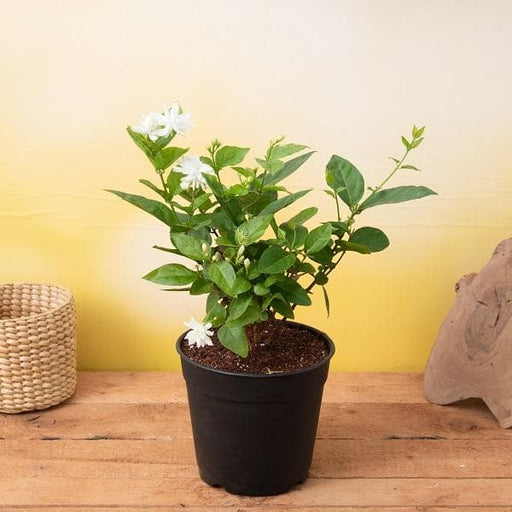
Jasminum sambac, Mogra, Arabian Jasmine - Plant Jasminum sambac, commonly known as Mogra or Arabian Jasmine, is a fragrant flowering plant...
View full details
Save 18%
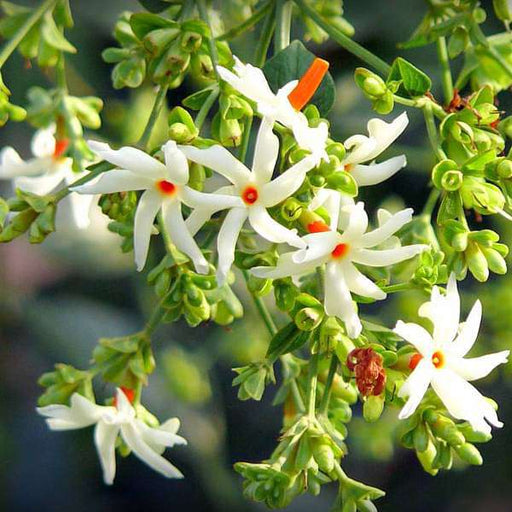
Combo Constituents Includes the Parijat Tree (Night-Flowering Jasmine), a culturally significant plant with fragrant flowers. Description The Pari...
View full details
Save 25%
Miniature Rose, Button Rose (Any Color) - Plant The Miniature Rose, also known as the Button Rose, is a charming and compact flowering plant that ...
View full details
Save 25%
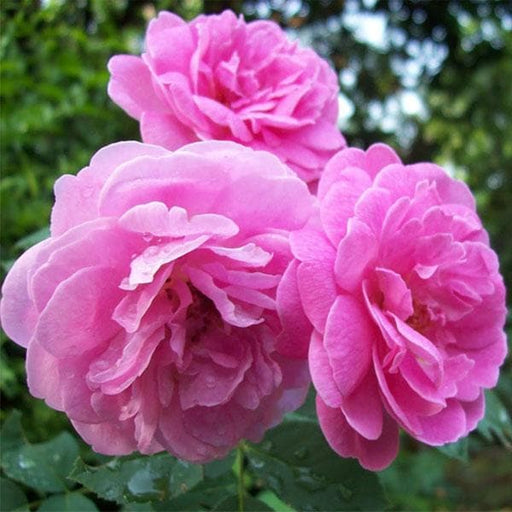
Damascus Rose, Scented Rose (Any Color) - Plant The Damascus Rose, also known as Rosa damascena, is a timeless symbol of beauty and romanc...
View full details
Save 17%
Beautiful Fragrant Mogra, Arabian Jasmine Plant with Pot The Beautiful Fragrant Mogra, also known as Arabian Jasmine (Jasminum sambac), is...
View full details
Save 15%
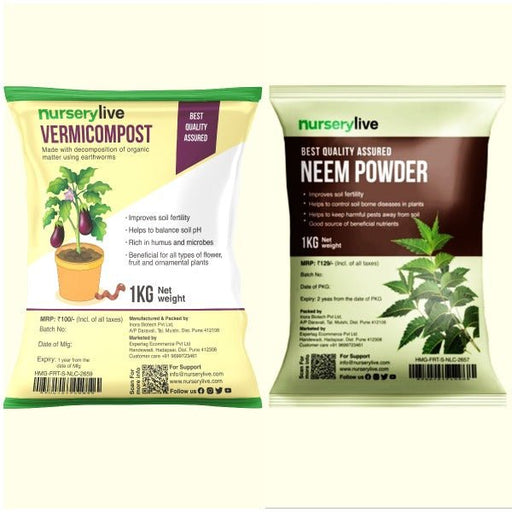
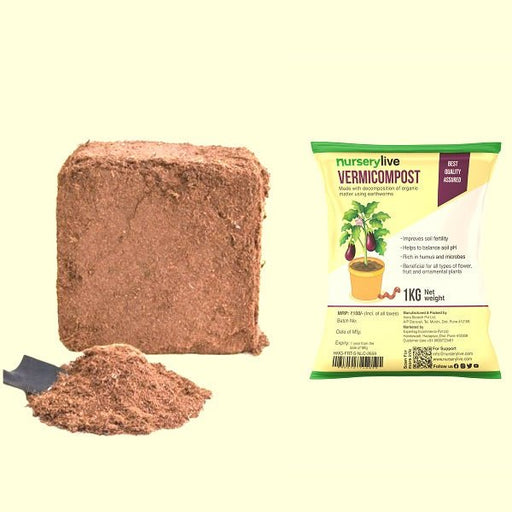
Pack of Vermicompost and Neem Cake for House Plants Transform your indoor garden with our premium Pack of Vermicompost and Neem Cake, spec...
View full details
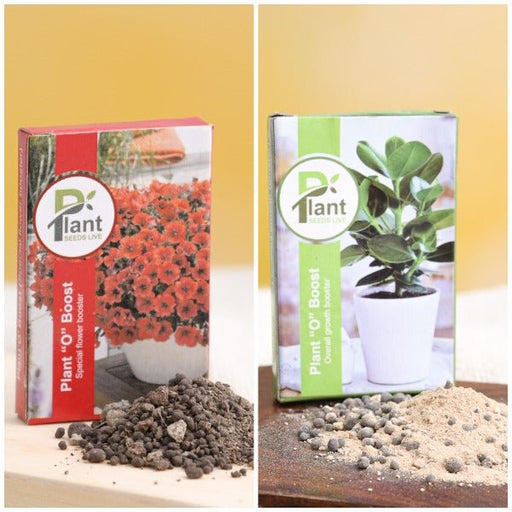
Pack of Plant Growth and Flower Boosters Unlock the full potential of your garden with our Pack of Plant Growth and Flower Boosters! This ...
View full details
Save 38%
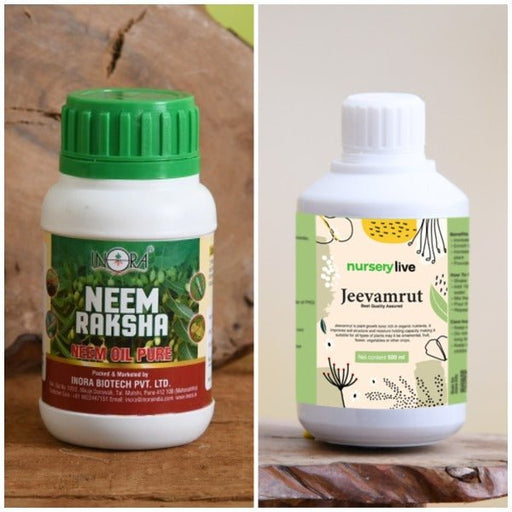
Combo of Jeevamrut and Neem Raksha for Easy Growth and Protection of Houseplants Transform your indoor garden with our exclusive combo of ...
View full details
Save 22%
Plant Nutrients Kit (Pack of 16) for a Healthy Garden Transform your garden into a lush paradise with our Plant Nutrients Kit, featuring 1...
View full details
Save 16%
Combo of Top Plant Fertilizers Elevate your gardening game with our exclusive Combo of Top Plant Fertilizers, featuring two bags of premiu...
View full details
Save 24%
Pack of 4 Additives to Make Soil Healthy and Nutrient Rich Transform your garden into a thriving ecosystem with our Pack of 4 Additives de...
View full details
Save 30%
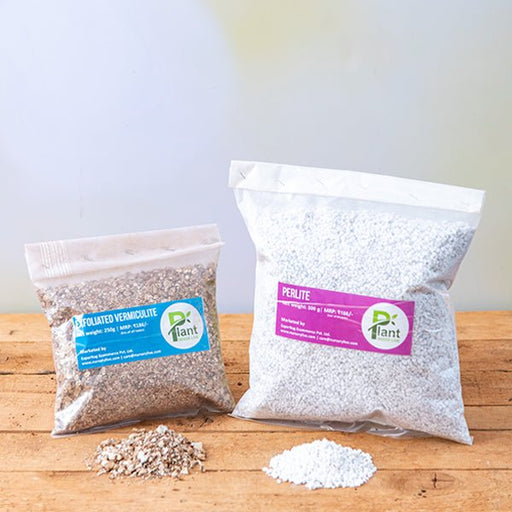
Transform your gardening experience with our premium Combo of Perlite and Vermiculite. This unique blend is designed to enhance soil aeration and ...
View full details
Save 27%
Combo of 2 Vermicompost and Cocopeat - Enrich Your Soil Naturally! Transform your garden into a thriving ecosystem with our Combo of 2 Ver...
View full details
Save 35%
Best 6 Plants for Perfect Indoor Garden Transform your living space into a lush oasis with our curated collection of the Best 6 Plants for a...
View full details
Save up to 50%
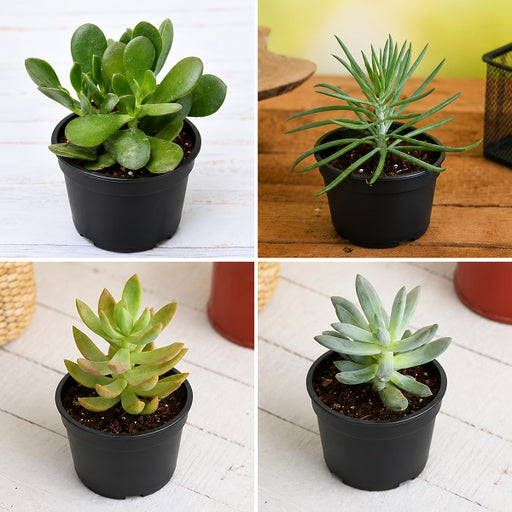
Mini Succulent Garden Pack Transform your space with our Mini Succulent Garden Pack, featuring a delightful collection of 4 any variety beautiful s...
View full details
Save 30%
5 Best Fragrant Plants Transform your garden or indoor space into a fragrant paradise with our curated selection of the 5 Best Fragrant Plants. Th...
View full details
Save 24%
Set of 2 Bonsai Looking Grafted Adeniums Transform your indoor or outdoor space with our exquisite Set of 2 Bonsai Looking Grafted Adenium...
View full details
Save 45%
Top 4 Die Hard Succulents Pack Transform your indoor or outdoor space with our Top 4 Die Hard Succulents Pack, featuring a curated selecti...
View full details
Save 30%
5 Best Indoor Plants Pack Transform your living space into a lush oasis with our '5 Best Indoor Plants Pack.' This carefully curated collection fe...
View full details
Save 25%
Set of 4 Evergreen Air Purifier Plant Pack Transform your indoor space into a lush, green oasis with our Set of 4 Evergreen Air Purifier Pla...
View full details| SrNo | Item Name |
|---|---|
| 1 | Manihot esculenta |
Manihot esculenta, commonly known as cassava or yuca, is a tropical root vegetable native to South America. This hardy plant thrives in poor soils and is a staple food source for millions worldwide, particularly in Africa, Asia, and Latin America. Rich in carbohydrates, cassava is a vital source of energy and is often processed into flour, tapioca, and other food products.
What makes Manihot esculenta special is its adaptability to various climates and its resilience against drought. This makes it an essential crop for food security in regions prone to climate change. Its ability to grow in marginal soils also contributes to sustainable agriculture practices, reducing the need for chemical fertilizers.
One of the unique features of cassava is its high starch content, which can be converted into biofuels and other industrial products. Additionally, cassava leaves are rich in protein and can be used as a nutritious vegetable. This dual-purpose plant not only supports food systems but also offers economic opportunities for farmers.
Manihot esculenta plays a significant role in sustainable agriculture. Its ability to thrive in poor soils reduces the need for chemical fertilizers, promoting healthier ecosystems. Additionally, cassava's drought resistance makes it a valuable crop in the face of climate change, helping to ensure food security for vulnerable populations.
If you think the Manihot esculenta, also known as cassava, is just a pretty face in the plant world, think again! This versatile tree is a nutritional powerhouse, packed with carbohydrates, vitamins, and minerals. It’s like the Swiss Army knife of the plant kingdom—great for food, flour, and even biofuel. Who knew a tree could be so multi-talented? Whether you’re whipping up some tapioca pudding or looking for gluten-free flour, this tree has got your back. Plus, it’s drought-resistant, making it the ultimate survivor in the plant world. So, if you’re looking to impress your friends with your knowledge of superfoods, just drop “Manihot esculenta” into the conversation and watch their jaws drop!
Cultivating Manihot esculenta is like hosting a party where everyone is invited, and the only requirement is a little sunshine and some well-drained soil. This tree thrives in tropical climates, so if you’re dreaming of a lush garden, it’s time to roll up your sleeves. Planting cassava is as easy as pie—just stick a cutting in the ground, and voilà! You’ve got yourself a future snack. It’s a low-maintenance diva that doesn’t require much fuss, making it perfect for both seasoned gardeners and those who can barely keep a cactus alive. Just remember, patience is key; this tree takes a few months to show off its starchy roots. So, grab your gardening gloves and get ready to cultivate some cassava magic!
The uses of Manihot esculenta are as diverse as a buffet table at a family reunion. From delicious dishes to industrial applications, this tree is the ultimate multitasker. In the kitchen, it transforms into everything from crispy fries to creamy puddings. But wait, there’s more! The starchy roots can be processed into flour, making it a gluten-free dream come true. And if you think that’s impressive, consider its role in the biofuel industry—yes, cassava can help power your car! Talk about a tree that’s got its hands in every pie. So, whether you’re a foodie, a baker, or an eco-warrior, Manihot esculenta is here to save the day, one root at a time.
When it comes to nutritional value, Manihot esculenta is like that friend who always brings the best snacks to the party. Packed with carbohydrates, it’s a fantastic energy source, perfect for those long days when you need a little pick-me-up. But wait, there’s more! This tree also offers a decent dose of vitamins and minerals, including vitamin C and potassium. It’s like a health food store in root form! Just remember, while it’s nutritious, it’s best enjoyed cooked, as raw cassava can be a bit toxic. So, whip up some delicious dishes and let this tree fuel your adventures—because who doesn’t want to be powered by a superfood?
Ah, the pests of Manihot esculenta—nature’s little party crashers. These pesky critters can turn your thriving cassava garden into a scene from a horror movie. From aphids to mealybugs, they’re always on the lookout for a free meal. But fear not, brave gardener! With a little vigilance and some organic pest control methods, you can keep these invaders at bay. Think of it as a game of whack-a-mole, where you’re the hero defending your precious plants. Regular inspections and a few natural predators can help maintain the peace in your garden. So, arm yourself with knowledge and a spray bottle, and show those pests who’s boss!
Just like ice cream flavors, Manihot esculenta comes in a delightful array of varieties. From sweet to bitter, each type has its own unique charm and culinary potential. The sweet varieties are perfect for making delicious dishes, while the bitter ones are often used for industrial purposes. It’s like having a toolbox full of options—each variety ready to tackle a different task. So, whether you’re in the mood for some cassava chips or looking to experiment with flour, there’s a variety out there just waiting for you. Embrace the diversity and let your culinary creativity run wild with the many faces of Manihot esculenta!
If you’re looking to spice up your dinner routine, Manihot esculenta recipes are here to save the day! From savory to sweet, this versatile root can be transformed into a plethora of mouthwatering dishes. Think cassava fries that are crispier than your ex’s excuses or a creamy cassava pudding that will make you question why you ever settled for store-bought desserts. The possibilities are endless! With a little creativity, you can whip up everything from hearty stews to delightful baked goods. So, roll up your sleeves, grab some cassava, and let your inner chef shine. Your taste buds will thank you!
Storing Manihot esculenta is like playing a game of hide and seek with your food. To keep those starchy roots fresh, it’s best to store them in a cool, dry place, away from direct sunlight. Think of it as giving your cassava a cozy little home. If you’ve cooked up a storm, leftover cassava can be refrigerated for a few days, but don’t let it linger too long—nobody likes a sad, soggy root. For long-term storage, consider freezing it; just make sure to blanch it first. With the right storage techniques, you can enjoy the deliciousness of Manihot esculenta whenever the craving strikes!
The health benefits of Manihot esculenta are like a treasure chest waiting to be unlocked. This starchy root is not just a tasty treat; it’s also a source of dietary fiber, which is great for digestion. Plus, it’s gluten-free, making it a go-to for those with gluten sensitivities. But wait, there’s more! The vitamin C content can give your immune system a little boost, while the potassium helps keep your heart happy. It’s like a wellness retreat in root form! So, whether you’re looking to improve your diet or just want to enjoy some delicious food, Manihot esculenta is here to help you live your best life.
In the world of agriculture, Manihot esculenta is like the cool kid everyone wants to hang out with. Its resilience and adaptability make it a favorite among farmers, especially in tropical regions. This tree can thrive in poor soils and withstand drought, making it a reliable crop for food security. Plus, it’s a great source of income for many communities. Farmers can grow it for local consumption or export, turning their fields into cash-generating machines. So, if you’re looking to make a mark in the agricultural world, consider planting some cassava. It’s not just a crop; it’s a lifestyle!
When it comes to sustainability, Manihot esculenta is like the eco-friendly superhero of the plant world. Its ability to grow in less-than-ideal conditions means it can be cultivated with minimal resources, making it a sustainable choice for farmers. Plus, it contributes to soil health by preventing erosion and improving fertility. And let’s not forget its role in food security—this hardy tree can provide nourishment to communities around the globe. So, if you’re looking to support sustainable practices, consider adding Manihot esculenta to your garden. It’s not just a tree; it’s a champion for the planet!
Manihot esculenta, commonly known as cassava, is a starchy root vegetable that’s a staple in many tropical diets. Think of it as the potato’s exotic cousin, packed with carbohydrates and a side of sass. It’s versatile, delicious, and can be transformed into everything from flour to tapioca pearls. Who knew roots could be so trendy
Manihot esculenta thrives in tropical and subtropical regions, making it the diva of the plant world. You’ll find it strutting its stuff in countries like Brazil, Nigeria, and Thailand. It loves warm weather and well-drained soil, so if you’re planning a vacation, consider a cassava farm tour. Just don’t forget your sunscreen!
Cooking Manihot esculenta is as easy as pie—well, easier! First, peel and chop the root, then boil or steam until tender. Mash it, fry it, or turn it into a delightful flour. Just remember, raw cassava can be toxic, so don’t go munching on it like a salad. Safety first, culinary adventurer!
Manihot esculenta is a nutritional powerhouse! It’s gluten-free, rich in carbohydrates, and provides a good dose of fiber. Plus, it’s low in fat, making it a guilt-free indulgence. Just think of it as your friendly neighborhood root, helping you power through the day without the carb crash. Who knew roots could be so supportive
Absolutely! Manihot esculenta is the gluten-free superstar of the root vegetable world. It’s perfect for those dodging gluten like it’s a bad date. You can enjoy it in various forms, from flour to chips, without worrying about those pesky gluten side effects. So go ahead, indulge guilt-free!
Eating raw Manihot esculenta is a no-go! It contains cyanogenic glycosides, which can be toxic. Think of it as nature’s way of saying, “Cook me first!” Always prepare it properly by boiling or processing to unleash its deliciousness safely. Remember, safety first, culinary creativity second!
Manihot esculenta is a culinary chameleon! You can whip up cassava fries, tapioca pudding, or even fufu. It’s the secret ingredient in many traditional dishes across Africa and South America. So, whether you’re frying, boiling, or baking, this root has got your back in the kitchen. Get ready to impress!
Patience is a virtue when growing Manihot esculenta! It typically takes about 6 to 12 months to harvest, depending on the variety and conditions. So, if you’re planting it, grab a book and settle in for the wait. Good things come to those who dig—literally!
Store Manihot esculenta like a prized possession! Keep it in a cool, dry place, away from direct sunlight. If you’ve cooked it, refrigerate it in an airtight container. Just remember, it’s not a fan of moisture, so avoid the soggy situation. Treat it right, and it’ll reward you with delicious meals!
Manihot esculenta is quite the eco-champion! It’s drought-resistant and grows well in poor soils, making it a sustainable choice for farmers. Plus, it helps combat food insecurity in many regions. So, when you enjoy this root, you’re not just treating your taste buds; you’re also giving Mother Earth a high-five!
Yes, indeed! Manihot esculenta is not just a culinary delight; it’s also a potential biofuel superstar. Its high starch content can be converted into ethanol, making it a green alternative for energy. So, while you’re enjoying your cassava dish, remember it’s also helping fuel the future. Talk about multitasking!
Manihot esculenta comes in a variety of flavors and colors, like a root vegetable fashion show! The two main types are sweet and bitter cassava. Sweet cassava is safe to eat when cooked, while bitter cassava requires proper processing to remove toxins. So, choose your variety wisely and let the culinary adventure begin!