Skip to content

Ageratina altissima

Sold out
Original price ₹ 249
₹ 249
₹ 249
Current price ₹ 249

Product includes

SrNoItem Name
1Ageratina altissima

Ageratina altissima - White Snakeroot

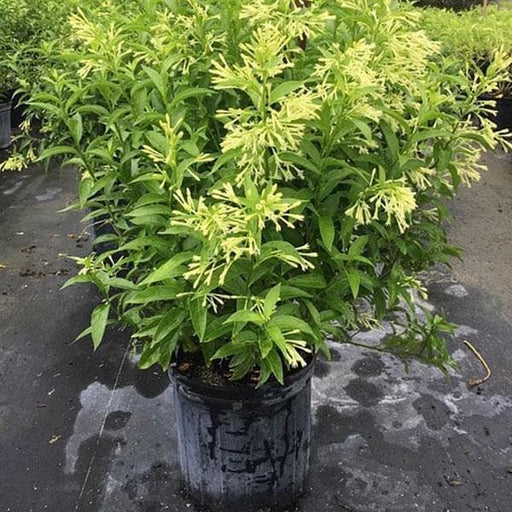
Ageratina altissima, commonly known as White Snakeroot, is a perennial herb native to North America. This plant is characterized by its clusters of small, white flowers that bloom from late summer to fall. It thrives in shaded woodland areas and is often found in rich, moist soils. Historically, it has been recognized for its medicinal properties, particularly in traditional herbal medicine.

What makes Ageratina altissima special is its role in the ecosystem and its historical significance. The plant is known to be toxic to livestock, leading to the term "milk sickness" when animals consume it. This toxicity has shaped its historical narrative, as it was responsible for the death of notable figures, including Abraham Lincoln's mother. Its ecological importance lies in providing nectar for pollinators, making it a vital component of woodland habitats.

One of the special features of Ageratina altissima is its ability to thrive in low-light conditions, making it an excellent choice for shaded gardens. Its lush green foliage and delicate white flowers create a stunning contrast, adding beauty to any landscape. Additionally, it is a hardy plant that can adapt to various soil types, making it a resilient choice for gardeners.

Growing Instructions

  • Plant in partial to full shade.
  • Use well-drained, rich soil with organic matter.
  • Space plants 1-2 feet apart to allow for growth.
  • Water regularly, especially during dry spells.

Care Instructions

  • Mulch around the base to retain moisture.
  • Remove dead or damaged leaves to promote healthy growth.
  • Fertilize in early spring with a balanced fertilizer.
  • Monitor for pests and diseases, treating as necessary.

Uses

  • Utilized in traditional herbal medicine for various ailments.
  • Attracts pollinators, making it beneficial for biodiversity.
  • Can be used in natural landscaping for shaded areas.
  • Historically significant in studies of plant toxicity.

Fun Facts

  • Ageratina altissima is also known as "Eupatorium rugosum."
  • The plant's toxicity is due to the presence of tremetol, which can affect humans through contaminated milk.
  • It is a key nectar source for butterflies and bees.
  • White Snakeroot has been used in folk medicine for its anti-inflammatory properties.

Environmental Impact

Ageratina altissima plays a crucial role in maintaining the health of woodland ecosystems. By providing food for pollinators, it supports biodiversity and contributes to the overall balance of the environment. Its ability to thrive in shaded areas helps prevent soil erosion and promotes the growth of other native plants.

Ageratina altissima Habitat

This tree thrives in the shady embrace of deciduous forests, often playing hide-and-seek with sunlight. It’s like that introverted friend who prefers cozy corners over crowded parties. Found in North America, particularly in the eastern regions, it loves moist, well-drained soils. So, if you’re planning a forest picnic, keep an eye out for this elusive beauty lurking in the underbrush.

Ageratina altissima Uses

Beyond its charming looks, this tree has a few tricks up its sleeve. Traditionally, it has been used in herbal medicine, proving that nature can be both beautiful and practical. Think of it as the Swiss Army knife of the forest—offering remedies while looking fabulous. Just remember, not all uses are safe, so consult a professional before turning your backyard into a pharmacy.

Ageratina altissima Growth Rate

If you’re looking for a tree that’s in no rush to grow up, Ageratina altissima is your go-to. With a moderate growth rate, it takes its sweet time reaching maturity, much like a teenager who’s still figuring out their life goals. Patience is key here; this tree will reward you with its presence, but only after it’s had its fill of sunlight and nutrients.

Ageratina altissima Leaves

The leaves of Ageratina altissima are like nature’s confetti—broad, green, and slightly serrated, they add a splash of color to the forest floor. They’re not just pretty faces; these leaves are also a feast for the eyes of herbivores. So, if you see a deer munching away, don’t be surprised; they’ve got good taste!

Ageratina altissima Flowers

When it comes to flowers, Ageratina altissima doesn’t hold back. Its clusters of tiny white blooms are like a party for pollinators, attracting bees and butterflies who are always on the lookout for a good time. These flowers are not just eye candy; they play a crucial role in the ecosystem, proving that even the smallest things can make a big impact.

Ageratina altissima Toxicity

while Ageratina altissima may look inviting, it has a dark side. This tree contains compounds that can be toxic to livestock and humans if ingested in large quantities. It’s like that friend who seems fun at first but has a few too many secrets. So, admire from a distance and keep your foraging adventures safe!

Ageratina altissima Propagation

If you’re keen on spreading the love (or seeds) of Ageratina altissima, you’re in for a treat. This tree can be propagated through seeds or cuttings, making it a gardener’s delight. Just remember, it’s not a race; take your time and let nature do its thing. Soon enough, you’ll have a mini forest of your own!

Ageratina altissima Pests

Like any celebrity, Ageratina altissima has its fair share of admirers and detractors. While it’s generally resilient, it can fall prey to pests like aphids and caterpillars. Think of them as the paparazzi—always lurking, trying to get a piece of the action. Regular checks and a little TLC can keep these nuisances at bay.

Ageratina altissima Climate

This tree is a fan of temperate climates, thriving in areas with distinct seasons. It’s like that friend who loves a good snow day but also enjoys a sunny picnic. Ageratina altissima can handle a bit of frost, but it prefers to bask in the warmth of spring and summer. So, if you live in a region with a temperate climate, consider adding this tree to your landscape.

Ageratina altissima Maintenance

If you’re looking for a low-maintenance tree, Ageratina altissima is your best bet. It doesn’t require constant pampering or a personal gardener. Just a little pruning here and there, and it’s good to go. It’s like the laid-back friend who shows up to the party without needing a full makeover.

Ageratina altissima Ecological Importance

This tree is not just a pretty face; it plays a vital role in its ecosystem. Providing shelter and food for various wildlife, Ageratina altissima is like the generous host of a forest party. Its presence supports biodiversity, making it an unsung hero in the world of trees. So, next time you see one, give it a nod of appreciation for all the hard work it does!

Trending Collections

Save 40% with Gardening Solutions

You may also need

FAQ

What is Ageratina altissima?

Ageratina altissima, also known as white snakeroot, is a perennial herb native to North America. It’s famous for its fluffy white flowers and its role in the infamous “milk sickness.” Cows munch on it, and then humans get a surprise—nausea and tremors! So, steer clear of this plant if you value your milkshakes.

Where does Ageratina altissima grow?

Ageratina altissima thrives in shady, moist areas, often found in woodlands and along roadsides. It’s like that friend who prefers the cozy corner of the café over the bustling center. This plant loves rich, well-drained soil and can spread like gossip in a small town, so watch out for its sneaky invasiveness!

Is Ageratina altissima toxic?

Yes, Ageratina altissima is toxic! It contains a compound called tremetol, which can cause serious health issues in humans and livestock. Think of it as nature’s way of saying, “Not everything that looks pretty is safe!” So, if you see this plant, admire it from a distance and don’t let it crash your picnic.

How can I identify Ageratina altissima?

Identifying Ageratina altissima is easy if you know what to look for. It has heart-shaped leaves and clusters of small, white flowers that bloom in late summer to fall. Just remember, if it looks like a fluffy cloud on a stick, you’re probably looking at this sneaky herb. Just don’t get too close!

Is Ageratina altissima invasive?

Yes, Ageratina altissima can be invasive! It spreads through rhizomes and seeds, making it a bit of a party crasher in gardens and natural areas. While it may look charming, it can outcompete native plants faster than you can say “biodiversity.” Keep an eye on it, or it might just take over your backyard!

Can Ageratina altissima be used medicinally?

While Ageratina altissima has a history of medicinal use, it’s best left alone. Historically, it was used for various ailments, but its toxicity makes it a risky choice. So, unless you’re a fan of playing with fire, stick to safer herbs for your herbal remedies. Your health will thank you!

What animals are affected by Ageratina altissima?

Ageratina altissima is particularly harmful to livestock, especially cows. When they munch on it, they can develop milk sickness, leading to tremors and even death. It’s like a bad hangover, but without the fun night out! So, if you’re raising livestock, keep this plant off the menu for their sake.

How does Ageratina altissima reproduce?

Ageratina altissima reproduces both sexually through seeds and asexually via rhizomes. It’s like the overachiever of the plant world, ensuring its survival by any means necessary. One plant can quickly turn into a whole colony, so if you see one, be prepared for a potential botanical takeover in your garden!

Is Ageratina altissima used in landscaping?

While Ageratina altissima might be tempting for its fluffy flowers, it’s not the best choice for landscaping. Its invasive nature can lead to chaos in your garden, and you might end up with more snakeroot than you bargained for. Stick to well-behaved plants that won’t throw a wild party in your yard!

What are the ecological impacts of Ageratina altissima?

Ageratina altissima can disrupt local ecosystems by outcompeting native plants for resources. This can lead to reduced biodiversity and a less resilient environment. Think of it as the overbearing relative at a family gathering—taking up all the space and attention, leaving little room for others to thrive.

How can I control Ageratina altissima?

Controlling Ageratina altissima requires persistence. Manual removal, herbicides, and promoting native plants can help keep this invader in check. Just remember, it’s a bit like a game of whack-a-mole; as soon as you think you’ve got it, another one pops up! Stay vigilant, and you’ll reclaim your garden.

Is Ageratina altissima beneficial for anything?

While Ageratina altissima has its downsides, it does provide nectar for some pollinators. However, the risks it poses to livestock and humans often outweigh this benefit. So, while it may throw a little party for bees, it’s best to keep it off the guest list for your garden!