


There are several reasons why it is important to care for indoor plants. First, plants help to purify the air by removing harmful pollutants and increasing the amount of oxygen in the air.
This can improve air quality and make the space more comfortable to breathe in. Second, plants can help to reduce stress and improve mental health by providing a natural and calming presence in the home or office.
Finally, caring for plants can be a rewarding and enjoyable hobby that can help to increase feelings of accomplishment and satisfaction.
There are a few key things to consider when caring for indoor plants:
Choose the right plants for your space - Consider the size, light levels, and humidity of your space before selecting plants.
Properly water your plants - Overwatering and underwatering can be detrimental to a plant's health. Use a moisture meter or your finger to check the soil moisture before watering.
Provide adequate lighting - Most indoor plants require bright, indirect light. If your space doesn't have enough natural light, consider using grow lights.
Use the right potting mix - A well-draining mix is crucial for indoor plants. Avoid using garden soil as it may retain too much moisture.
Regularly clean and prune your plants - Remove dead or yellowing leaves and stems to promote healthy growth and prevent pests and diseases.
Avoid placing plants near drafts or heat sources - Cold drafts and extreme temperatures can damage plants.
Monitor for pests and diseases - Check your plants regularly for signs of pests or diseases, and take action as needed.
Fertilize regularly - Most indoor plants require regular fertilization to thrive. Use a balanced, water-soluble fertilizer according to the plant's needs.
Repot as needed - Over time, plants may outgrow their pots and require repotting. Choose a pot that is slightly larger and has good drainage.
Enjoy your plants - Indoor plants not only improve air quality and add beauty to your space, but they can also reduce stress and improve your overall well-being.


Combo Constituents Includes the Parijat Tree (Night-Flowering Jasmine), a culturally significant plant with fragrant flowers. Description The Pari...
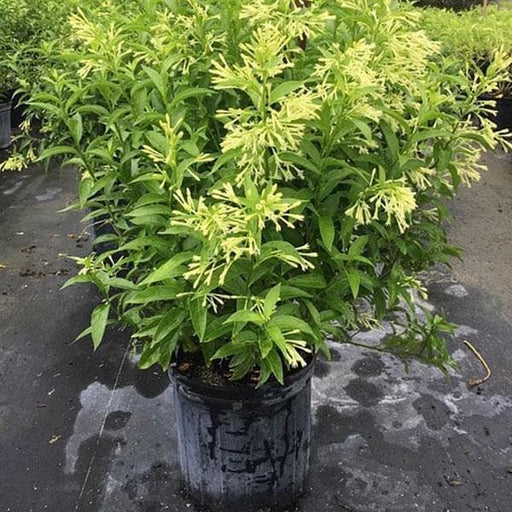
View full detailsDescription Raat Ki Rani (*Cestrum nocturnum*), also known as Night Blooming Jasmine, is a fragrant shrub native to the Caribbean and Central Ameri...
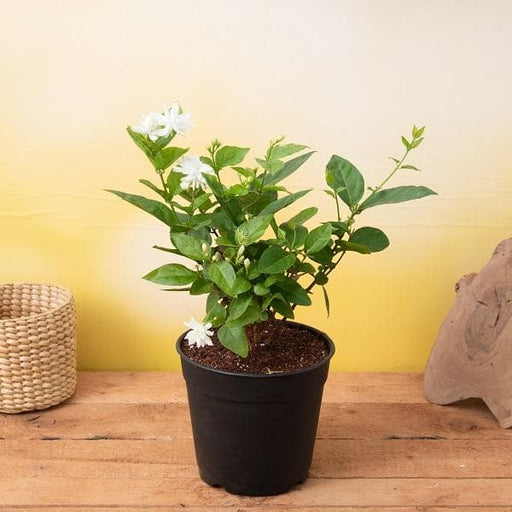
View full detailsJasminum sambac, Mogra, Arabian Jasmine - Plant Jasminum sambac, commonly known as Mogra or Arabian Jasmine, is a fragrant flowering plant...
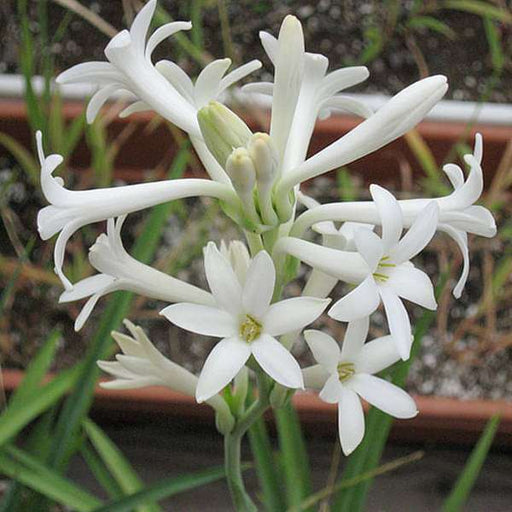
View full detailsRajnigandha, Tuberose - Plant The Rajnigandha, scientifically known as Polianthes tuberosa, is a captivating perennial plant renowned for ...
View full detailsCitronella, Odomas - Plant The Citronella plant, scientifically known as Cymbopogon nardus, is a tropical grass renowned for its aromatic ...
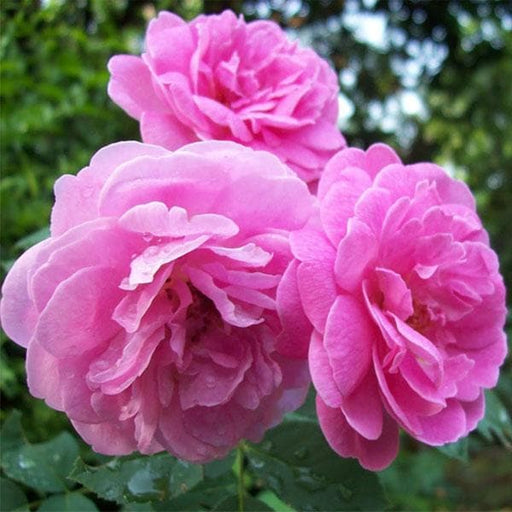
View full detailsDamascus Rose, Scented Rose (Any Color) - Plant The Damascus Rose, also known as Rosa damascena, is a timeless symbol of beauty and romanc...
View full detailsMiniature Rose, Button Rose (Any Color) - Plant The Miniature Rose, also known as the Button Rose, is a charming and compact flowering plant that ...
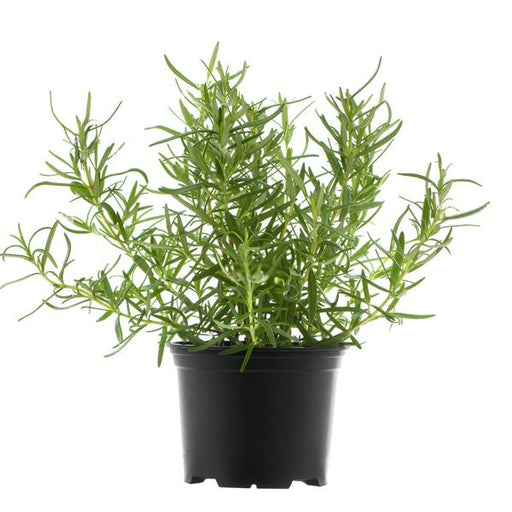
View full detailsRosemary - Plant Rosemary (Rosmarinus officinalis) is a fragrant evergreen herb native to the Mediterranean region. Known for its needle-like leav...
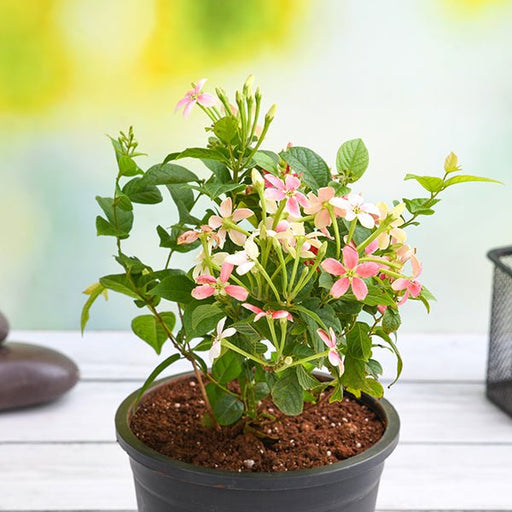
View full detailsMadhumalti Dwarf, Rangoon Creeper - Plant The Madhumalti Dwarf, also known as the Rangoon Creeper (Quisqualis indica), is a stunning perennial vin...
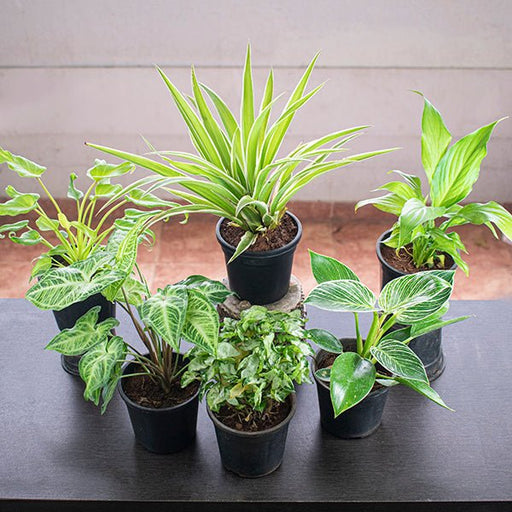
View full detailsBest 6 Plants for Perfect Indoor Garden Transform your living space into a lush oasis with our curated collection of the Best 6 Plants for a...
View full detailsBest 6 Plants for Perfect Indoor Garden Transform your living space into a lush oasis with our curated collection of the Best 6 Plants for a...
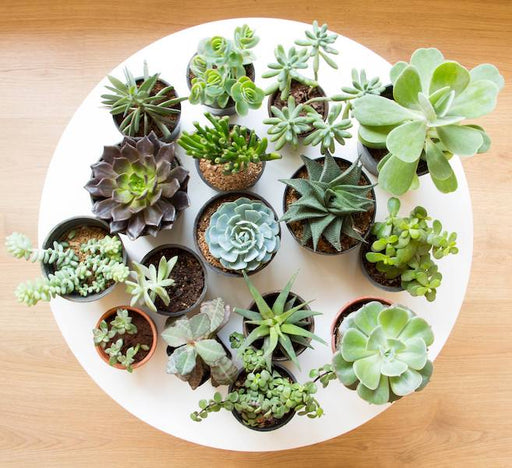
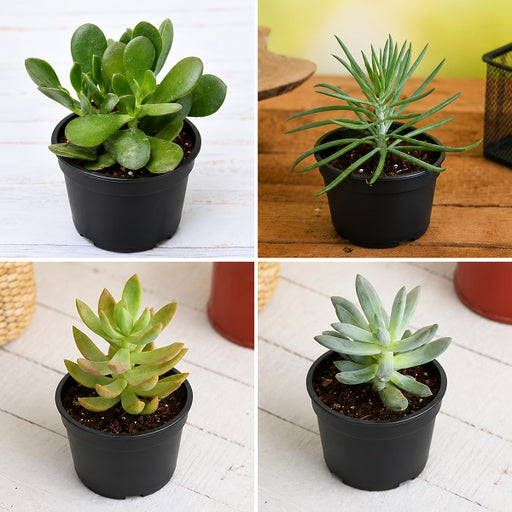
View full detailsMini Succulent Garden Pack Transform your space with our Mini Succulent Garden Pack, featuring a delightful collection of 4 any variety beautiful s...
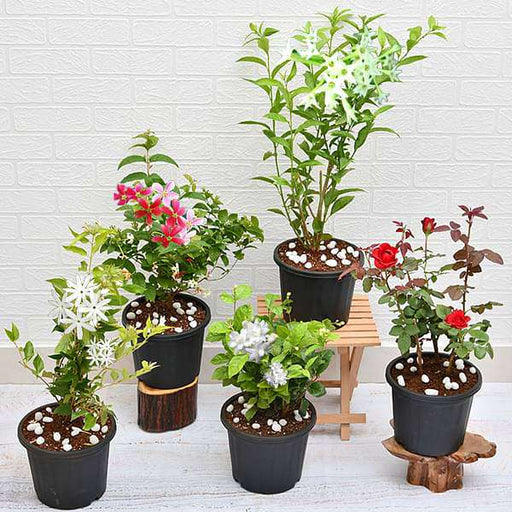
View full details5 Best Fragrant Plants Transform your garden or indoor space into a fragrant paradise with our curated selection of the 5 Best Fragrant Plants. Th...
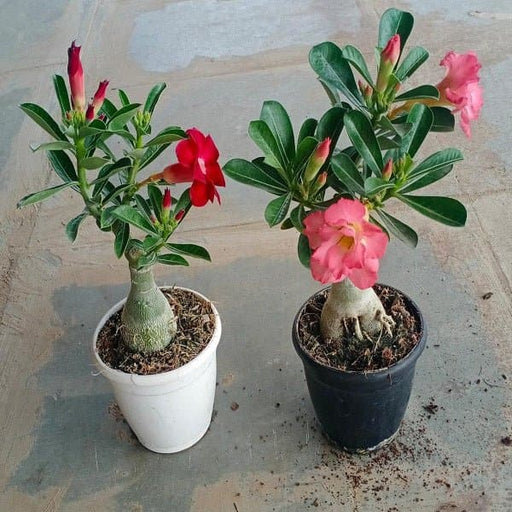
View full detailsSet of 2 Bonsai Looking Grafted Adeniums Transform your indoor or outdoor space with our exquisite Set of 2 Bonsai Looking Grafted Adenium...
View full detailsTop 4 Die Hard Succulents Pack Note: Plants included in this pack will be delivered in a 3-inch nursery pot (any color). Transform your indoor or ...
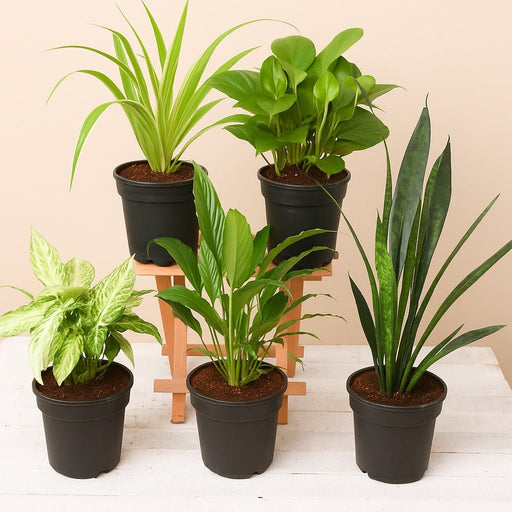
View full details5 Best Indoor Plants Pack Transform your living space into a lush oasis with our '5 Best Indoor Plants Pack.' This carefully curated collection fe...
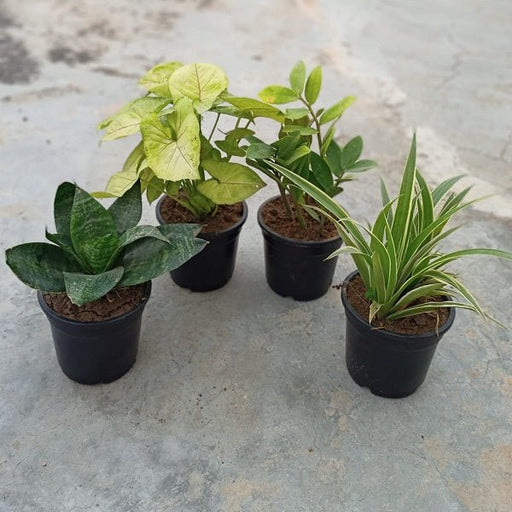
View full detailsSet of 4 Evergreen Air Purifier Plant Pack Transform your indoor space into a lush, green oasis with our Set of 4 Evergreen Air Purifier Pla...
View full detailsTop 5 Pollution Killer Plants Pack Transform your living space into a breath of fresh air with our 'Top 5 Pollution Killer Plants Pack'. This care...
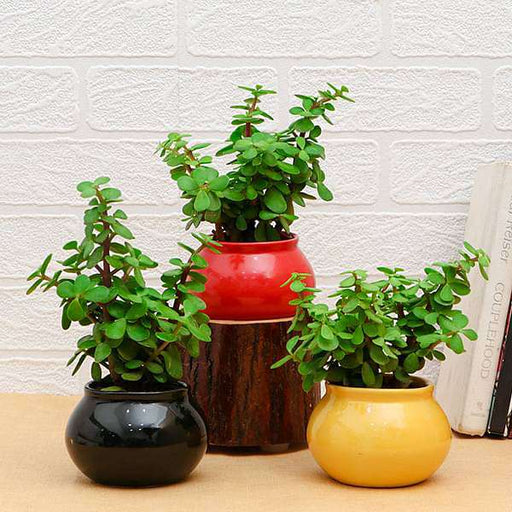
View full detailsPack of 3 Good Luck Jade Plants in Ceramic Pots Bring a touch of nature into your home with our Pack of 3 Good Luck Jade Plants, featuring...
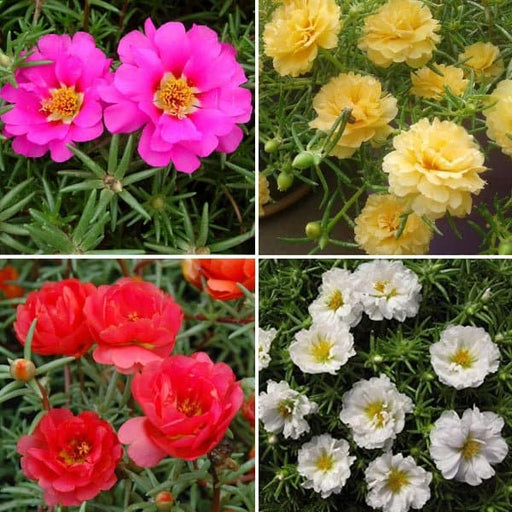
View full detailsPortulaca Garden Pack (4 Plants + 4 Black Pots) Note- You will get any color (Assorted) potted Porulaca plant with this pack. Transform your garde...
View full details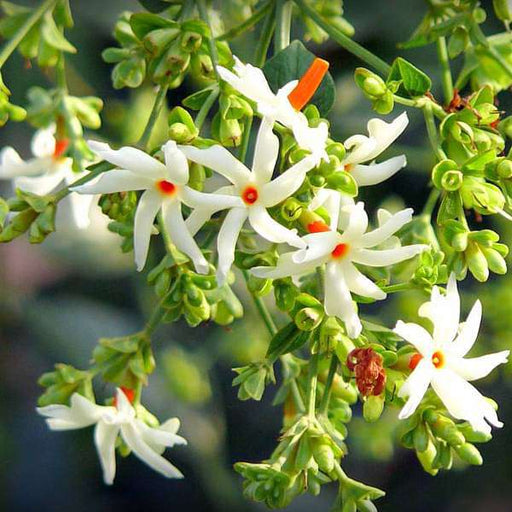




Leave a comment