


In the fast-paced world we live in today, the need for sustainable and eco-friendly solutions has never been more critical. With rising costs and increased awareness about environmental impacts, it’s clear that making eco-friendly choices not only benefits the planet but also helps save money in the long run 🌍💡.
From energy-efficient home upgrades to using sustainable products, these small changes can have a huge impact. In this post, we’ll explore some of the best eco-friendly ideas that can help you save money while reducing your environmental footprint.
One of the biggest takeaways from recent years is that we often spend money on things that are not only unnecessary but also harmful to the environment. With the world facing challenges like climate change and resource depletion, it's important that we change our habits and make conscious decisions about how we live.
By adopting a few simple and cost-effective eco-friendly practices, you can make your lifestyle both greener and more affordable 🌱💚.
Growing your own fruits, vegetables, and herbs at home is one of the best ways to save money while being eco-friendly. Not only does it cut down on grocery bills, but it also helps reduce the carbon footprint associated with food production and transportation. Plus, you’ll have fresh, healthy produce right at your fingertips.
Start by planting easy-to-grow crops such as tomatoes, lettuce, spinach, herbs like basil and mint, and even fruits like strawberries 🍓. The best part? You don’t need a lot of space.
A small balcony or windowsill can accommodate container gardens. As you continue to grow your own food, you’ll be amazed at how much money you can save while contributing to a healthier planet. You can even create your own compost from kitchen scraps, further reducing waste and enhancing your garden’s soil.
The concept of reducing waste and reusing items around your home is key to saving both money and resources. For instance, instead of constantly buying new products, take a look at what you already have and see how it can be repurposed or repaired. Reusing jars, containers, and boxes can eliminate the need for plastic packaging and save you money 💰.
Additionally, take recycling seriously! Many household items like glass bottles, old clothes, and plastic containers can be recycled into new products, reducing the amount of waste that ends up in landfills.
Many municipalities offer curbside pickup for recyclables, making it easy for you to keep your home eco-friendly and reduce costs by minimizing waste disposal fees.
One of the easiest and most effective ways to save money while being eco-friendly is by switching to energy-efficient appliances. Energy-efficient appliances, such as LED bulbs, smart thermostats, energy-efficient refrigerators, and washing machines, use less power to operate, which leads to lower electricity bills ⚡💡.
These small adjustments can make a significant impact over time, cutting down on energy consumption and saving you money.
Upgrading to energy-efficient appliances may require an initial investment, but the long-term savings are substantial. In addition to saving money on your monthly utility bills, you’ll also reduce your home’s overall carbon footprint, contributing to a greener environment 🌍.
Consider investing in appliances with ENERGY STAR labels, which are certified for their energy efficiency.
The use of disposable products like paper towels, plastic wrap, and single-use plastic bags has a huge environmental impact. But did you know that by switching to reusable household items, you can save a significant amount of money in the long run? 🤔💸
Instead of buying paper towels every week, opt for reusable cloth towels or napkins. For food storage, use glass jars or beeswax wraps instead of plastic wraps.
You can also use reusable shopping bags, which not only cut down on plastic waste but can also save you the 5-10 cents that many grocery stores charge for single-use bags 🛍️. These small changes can make a big difference in both your budget and the environment.
If you live in an area that experiences regular rainfall, harvesting rainwater can be a simple yet effective way to save money on water bills. With a rainwater harvesting system in place, you can collect rainwater and use it for gardening, cleaning, and even flushing toilets 💧.
This reduces the strain on your municipal water system and helps conserve precious water resources. The best part? You can set up a rainwater harvesting system with minimal investment, and it will quickly pay for itself through lower water bills.
Consider installing rain barrels or a more advanced rainwater harvesting system to capture runoff from your roof. Use the stored water to water your plants or clean outdoor spaces, reducing your reliance on tap water. Plus, you’ll feel good about reducing your environmental impact by conserving water during dry months 🌞.
Many traditional cleaning products contain harsh chemicals that are harmful to both the environment and your health. Fortunately, eco-friendly cleaning products are just as effective as their chemical-laden counterparts and are often less expensive 💵.
Instead of buying toxic cleaning solutions, make your own using natural ingredients like vinegar, baking soda, and lemon juice 🍋. These ingredients are cheap, non-toxic, and can clean almost anything in your home!
Eco-friendly cleaning products not only help save money but also reduce your exposure to harmful chemicals. They are gentler on the environment and can help reduce air and water pollution. Plus, buying in bulk or making your own cleaning supplies can save you even more money over time!
When it comes to home decor and furniture, opting for natural fabrics like cotton, linen, or bamboo can be a more sustainable and budget-friendly choice. These materials are biodegradable, require less energy to produce, and last longer than synthetic alternatives 🌱.
Whether it’s bedding, curtains, or upholstery, choosing natural fabrics can help reduce your carbon footprint and save you money in the long run.
Additionally, natural fabrics are breathable, which can help regulate your home’s temperature and reduce the need for excessive air conditioning or heating. This will not only keep you comfortable but also reduce energy consumption and lower your electricity bills 💸🌞.
Minimalism isn’t just a lifestyle choice – it’s also an eco-friendly and cost-effective way to live. By simplifying your home and reducing the amount of stuff you own, you can lower your consumption and waste.
Less clutter means less cleaning, fewer products to buy, and less energy spent maintaining your home 🧹. Consider decluttering your space and keeping only the items that truly serve a purpose, which will help you save both money and time.
Minimalism also helps reduce the environmental impact of overproduction and overconsumption. By buying fewer things, you’re helping to reduce the demand for resources and energy used in manufacturing, packaging, and shipping products 🌿.
When you do need to buy something, consider investing in high-quality, durable items that will last longer, reducing the need for frequent replacements.
In the digital age, there’s no need to keep printing everything. Switching to digital documents, invoices, and bills can save you money on paper, ink, and storage. It’s also a great way to reduce your environmental impact by minimizing paper waste 📚💻.
Most companies now offer e-billing options, and digital documents are much easier to store and access than their paper counterparts.
By going paperless, you’ll help conserve trees, reduce waste, and save money on postage and printing costs. Plus, you can easily keep your records organized and reduce clutter in your home. It’s a win-win for both your budget and the planet 🌍💰.
Even when electronics aren’t in use, they can still consume power if left plugged in. This is called “phantom energy” or “vampire power.”
By simply unplugging electronics when they’re not in use, you can save energy and reduce your electricity bills ⚡💡. Consider using power strips for multiple devices so that you can easily disconnect everything at once when you’re done using it.
This simple habit can help reduce your home’s overall energy consumption, contributing to both lower bills and a greener home environment 🌱. It’s a small but effective step toward creating a more sustainable and eco-friendly living space.
By incorporating these eco-friendly ideas into your daily life, you can make a significant impact on both your budget and the planet 🌍. Small changes, such as growing your own food, reducing waste, and using energy-efficient appliances, can add up to big savings over time.
Not only will you be saving money, but you’ll also be doing your part to create a more sustainable future for generations to come 🌿💰.
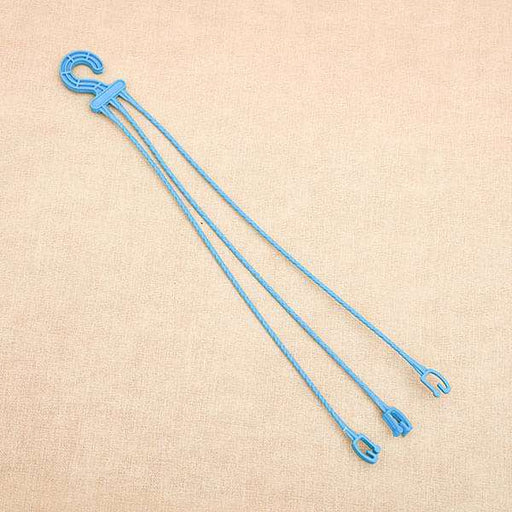
14.9 Inch (38 cm) Plastic Hanger For Planters (Sky Blue) - Set of 6 Elevate your indoor and outdoor gardening with our 14.9 inch (38 cm) P...
View full details


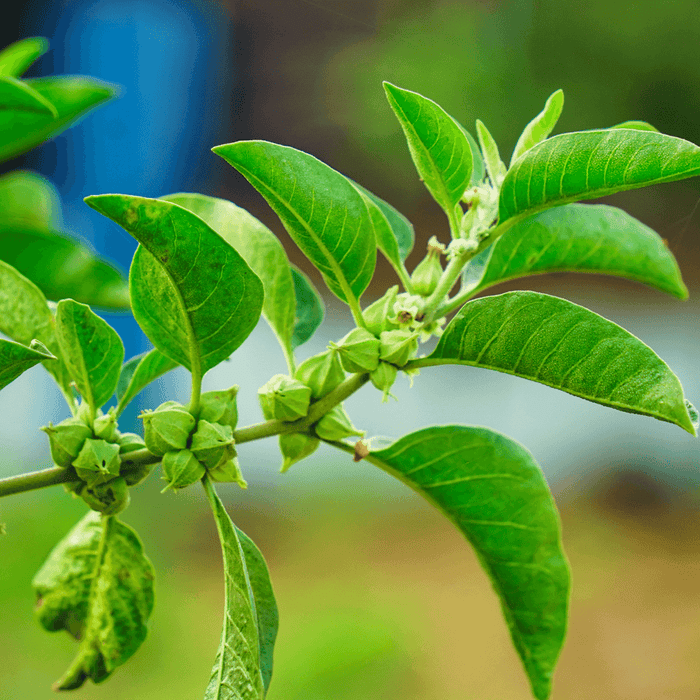



Combo Constituents Includes the Parijat Tree (Night-Flowering Jasmine), a culturally significant plant with fragrant flowers. Description The Pari...
View full detailsDescription Raat Ki Rani (*Cestrum nocturnum*), also known as Night Blooming Jasmine, is a fragrant shrub native to the Caribbean and Central Ameri...
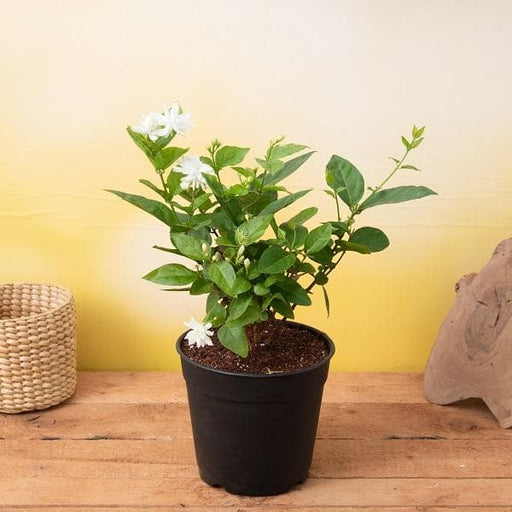
View full detailsJasminum sambac, Mogra, Arabian Jasmine - Plant Jasminum sambac, commonly known as Mogra or Arabian Jasmine, is a fragrant flowering plant...
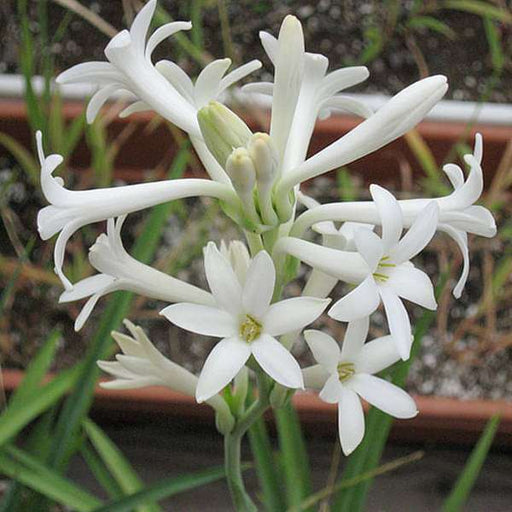
View full detailsRajnigandha, Tuberose - Plant The Rajnigandha, scientifically known as Polianthes tuberosa, is a captivating perennial plant renowned for ...
View full detailsCitronella, Odomas - Plant The Citronella plant, scientifically known as Cymbopogon nardus, is a tropical grass renowned for its aromatic ...
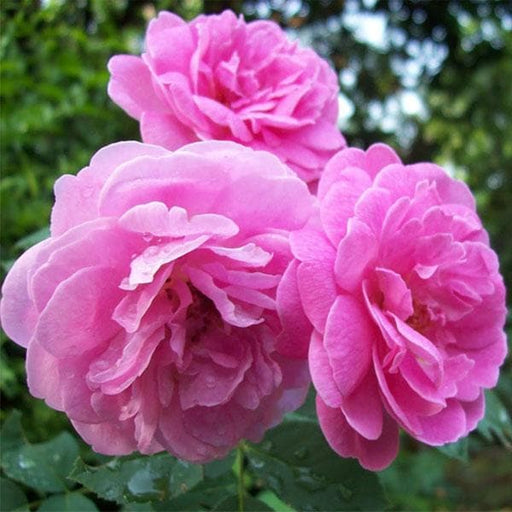
View full detailsDamascus Rose, Scented Rose (Any Color) - Plant The Damascus Rose, also known as Rosa damascena, is a timeless symbol of beauty and romanc...
View full detailsMiniature Rose, Button Rose (Any Color) - Plant The Miniature Rose, also known as the Button Rose, is a charming and compact flowering plant that ...
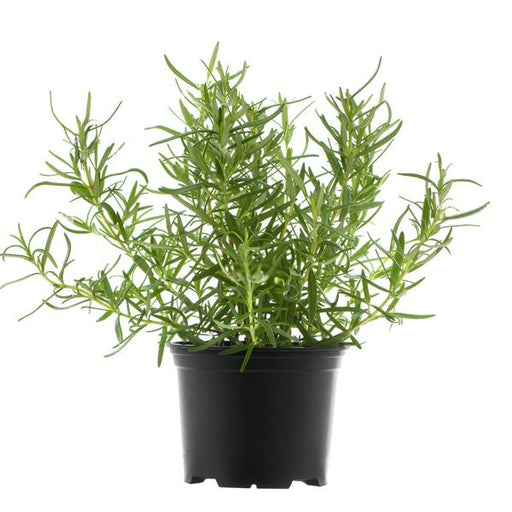
View full detailsRosemary - Plant Rosemary (Rosmarinus officinalis) is a fragrant evergreen herb native to the Mediterranean region. Known for its needle-like leav...
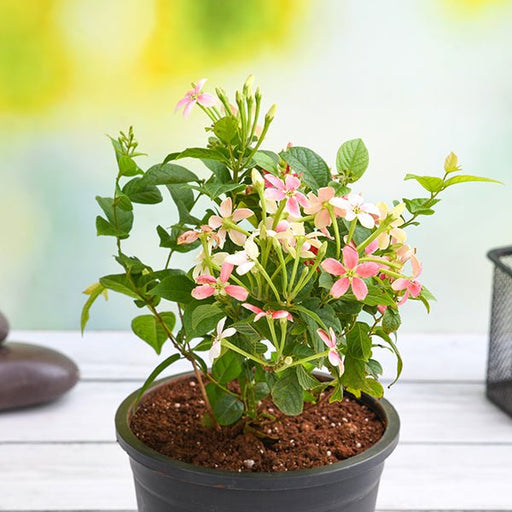
View full detailsMadhumalti Dwarf, Rangoon Creeper - Plant The Madhumalti Dwarf, also known as the Rangoon Creeper (Quisqualis indica), is a stunning perennial vin...
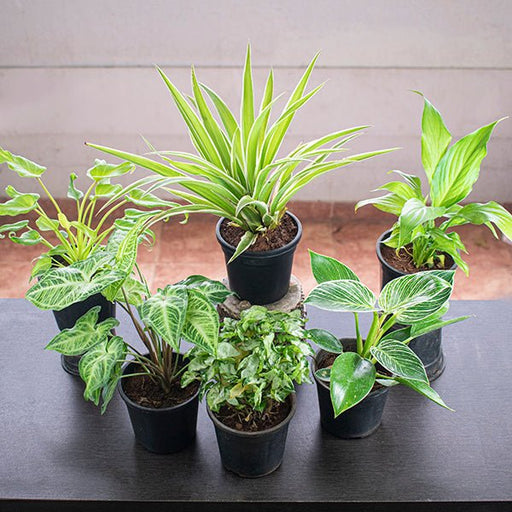
View full detailsBest 6 Plants for Perfect Indoor Garden Transform your living space into a lush oasis with our curated collection of the Best 6 Plants for a...
View full detailsBest 6 Plants for Perfect Indoor Garden Transform your living space into a lush oasis with our curated collection of the Best 6 Plants for a...
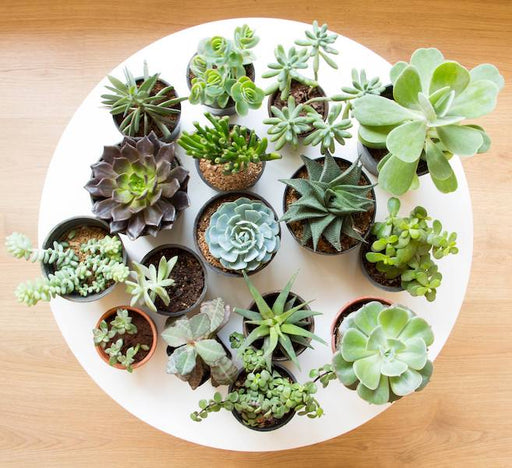
View full detailsMini Succulent Garden Pack Transform your space with our Mini Succulent Garden Pack, featuring a delightful collection of 4 any variety beautiful s...
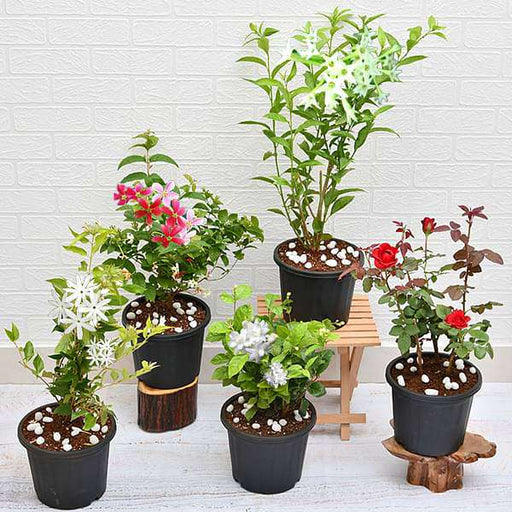
View full details5 Best Fragrant Plants Transform your garden or indoor space into a fragrant paradise with our curated selection of the 5 Best Fragrant Plants. Th...
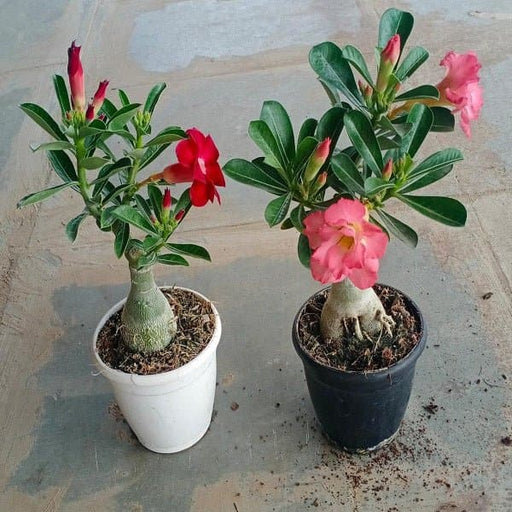
View full detailsSet of 2 Bonsai Looking Grafted Adeniums Transform your indoor or outdoor space with our exquisite Set of 2 Bonsai Looking Grafted Adenium...
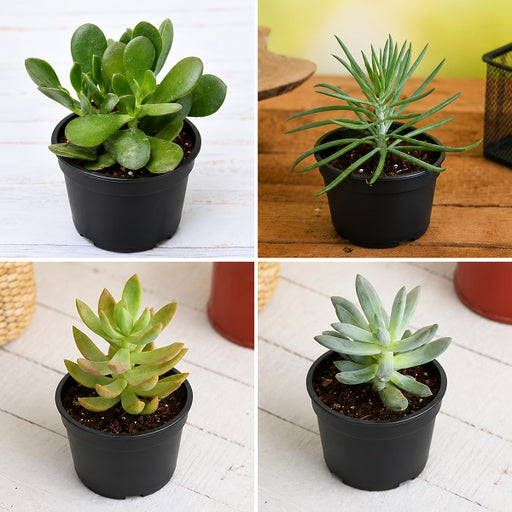
View full detailsTop 4 Die Hard Succulents Pack Note: Plants included in this pack will be delivered in a 3-inch nursery pot (any color). Transform your indoor or ...
View full details5 Best Indoor Plants Pack Transform your living space into a lush oasis with our '5 Best Indoor Plants Pack.' This carefully curated collection fe...
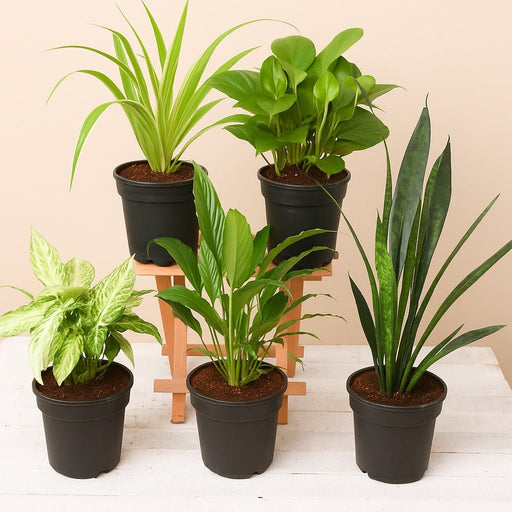
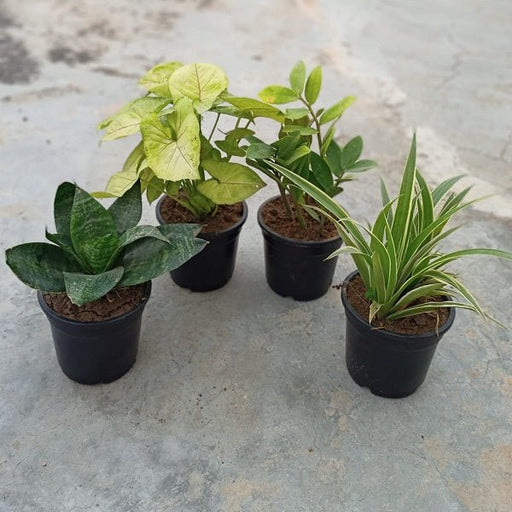
View full detailsSet of 4 Evergreen Air Purifier Plant Pack Transform your indoor space into a lush, green oasis with our Set of 4 Evergreen Air Purifier Pla...
View full detailsTop 5 Pollution Killer Plants Pack Transform your living space into a breath of fresh air with our 'Top 5 Pollution Killer Plants Pack'. This care...
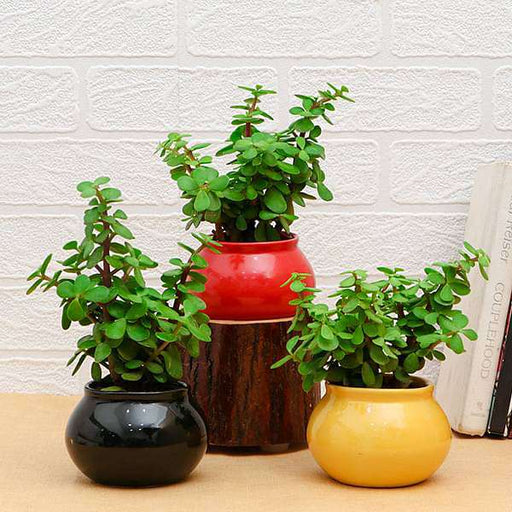
View full detailsPack of 3 Good Luck Jade Plants in Ceramic Pots Bring a touch of nature into your home with our Pack of 3 Good Luck Jade Plants, featuring...
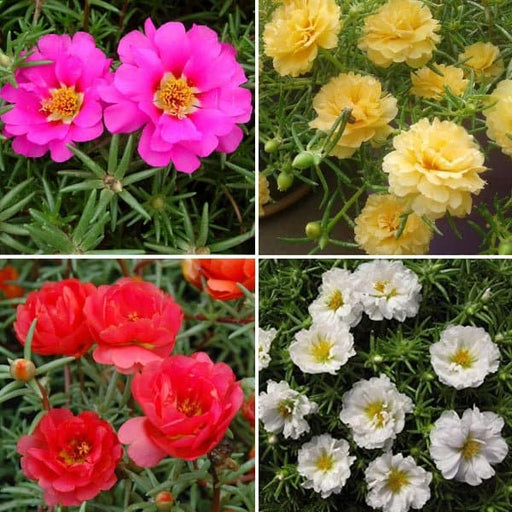
View full detailsPortulaca Garden Pack (4 Plants + 4 Black Pots) Note- You will get any color (Assorted) potted Porulaca plant with this pack. Transform your garde...
View full details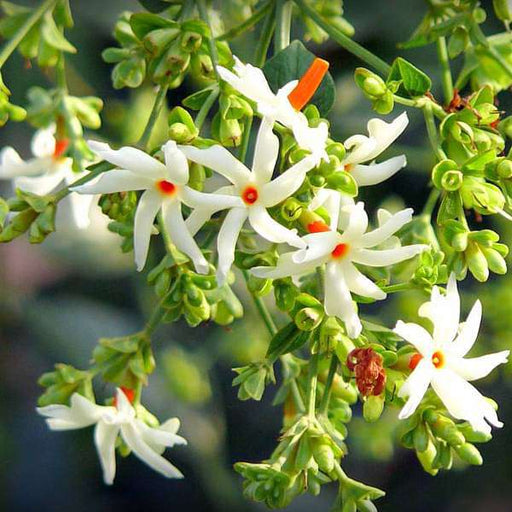




Leave a comment