
Expert Support
Available 24/7 via chat
Available 24/7 via chat
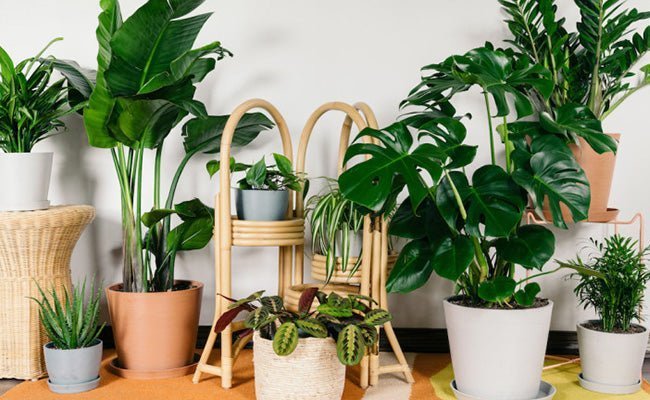
Taking care of your garden and indoor plants throughout the year is a goal every plant lover strives for. However, it can often feel overwhelming with so many things to consider, from proper watering and soil care to pest management. 🌱
Whether you’re a novice gardener or have years of experience, maintaining healthy plants requires knowledge and dedication. To help you on your journey, we’ve created the must-follow Plant Care Guide, a comprehensive resource to ensure your plants stay healthy and vibrant. 🌸
How to Keep Outdoor Plants Healthy? 🌿
Outdoor plants are exposed to various elements that can affect their growth, including weather conditions, pests, and soil quality. For healthy outdoor plants, it’s crucial to ensure they are planted in nutrient-rich soil. 🌍
Over time, soil can become depleted of nutrients, so it's essential to replenish it. Organic fertilizers like compost are a natural way to improve soil quality, increase water retention, and provide essential nutrients.
These fertilizers also enhance soil structure and aeration, promoting overall plant health. 🌾
Applying the right amount of fertilizer is crucial, as over-fertilizing can harm your plants. Remember, outdoor plants generally need more fertilizer than indoor plants due to their exposure to the elements.
Regularly check your plants for signs of nutrient deficiency, such as yellowing leaves or stunted growth, and adjust fertilization as needed. 🌿

Adding mulch to your garden can also help retain moisture in the soil, suppress weeds, and regulate root temperature. Mulch provides a natural shield against extreme temperatures, helping to maintain stable moisture levels and protect your plants. 🌾
Mulching not only nurtures your garden but also prevents soil erosion, keeping your garden healthy for longer. 🌻
How to Keep Indoor Plants Healthy? 🏡
Indoor plants are an excellent way to add greenery to your home, but they require special care since they’re not exposed to natural weather patterns like outdoor plants.
To keep your indoor plants healthy, the first step is ensuring they have sufficient space for proper growth. 🌱 Many indoor plant owners make the mistake of crowding plants together, which can restrict air circulation and limit their access to light and water.
Always leave enough space between your plants to ensure they can breathe and grow properly. 🌿
Indoor plants can suffer from a lack of light, so placing them near windows or using grow lights can provide them with the light they need to thrive. Keep in mind that different plants require different light conditions.
Some plants, like succulents, need direct sunlight, while others, like ferns, thrive in low light. 🌞

One of the main issues with indoor plants is overwatering or underwatering, as it’s easy to lose track of when and how much to water. As a rule of thumb, always check the soil moisture before watering, and make sure the pot has good drainage to prevent water from sitting at the bottom. 💧
Indoor plants generally need less frequent watering than outdoor plants, and overwatering can lead to root rot, fungal growth, and other issues. 🌿
How to Water Your Plants Properly? 💦
Watering is one of the most important aspects of plant care, yet it’s also one of the most common causes of plant stress. Whether your plants are indoors or outdoors, understanding their watering needs is crucial. 🌱
The general rule for watering is to water deeply but infrequently. Plants prefer deep watering that reaches the root zone, as this encourages strong root growth and helps plants survive dry spells. 🌻
Overwatering can suffocate plant roots and lead to diseases such as root rot, while underwatering can cause your plants to wilt and dry out. To avoid both extremes, it’s essential to check the soil regularly to ensure it's moist but not soggy. 🏵️
Depending on the plant type and season, adjust the frequency of watering accordingly. For example, indoor plants generally need less water during the winter months due to slower growth. ❄️
How to Safeguard Your Garden from Pests? 🐞
Pests are a common issue for both indoor and outdoor plants. From aphids and mealybugs to gnats and scale, pests can wreak havoc on your plants if left unchecked. 🐜
The first step in pest control is preventing infestations by inspecting your plants regularly for any signs of pests or damage. Be sure to quarantine any new plants for a few weeks before adding them to your collection to avoid introducing pests. 🦗
Natural remedies, such as Neem oil, are a great way to protect your plants from pests without harmful chemicals. Neem oil works as a natural insecticide, fungicide, and miticide, effectively eliminating pests while promoting plant health. 🐝
Apply Neem oil regularly, especially during pest-prone seasons, to keep your garden healthy and thriving. 🌿
How to Choose Healthy Plants? 🌿
Choosing healthy plants is essential for the success of your garden. When buying plants, whether for indoor or outdoor spaces, always check for signs of good health. Avoid plants with yellowing leaves, spots, or pests. 🌱
Healthy plants will have firm, green leaves and strong stems, indicating they are ready to thrive in their new home. 🏡
Choosing disease-resistant varieties is a great way to minimize the chances of your plants falling ill. Regularly check your plants for any changes in appearance or signs of stress, and address issues promptly to ensure the longevity of your garden. 🌸

How to Take Care of Your Plant’s Nutrient Requirements? 🌿
Every plant needs essential nutrients like nitrogen, phosphorus, and potassium to thrive. 💧 Fertilizing your plants with the right amount of nutrients ensures healthy growth and vibrant blooms. Use organic plant food or homemade fertilizers like compost to enrich your soil. 🌻
Some easy-to-use methods include adding used coffee grounds or egg shells to the soil for added nutrients. Coffee grounds are rich in nitrogen, magnesium, and potassium, which are essential for healthy plant growth. ☕

How to Maintain Your Plants? 🌿
Maintaining your plants is an ongoing task that includes tasks like pruning, removing dead leaves, and keeping your plants clean. Regular maintenance ensures healthy growth and promotes new, vibrant blooms. ✂️
Keep trimming excessive growth, culling dead foliage, and keeping your plants neat and tidy. Healthy plants are more resilient to pests and diseases and can thrive for a long time. 🌸

Maintaining your plants and ensuring they stay healthy requires attention to detail and a bit of effort. But with these essential tips and guidelines, you can create and sustain a thriving garden, whether indoors or outdoors. 🌷 Happy gardening!
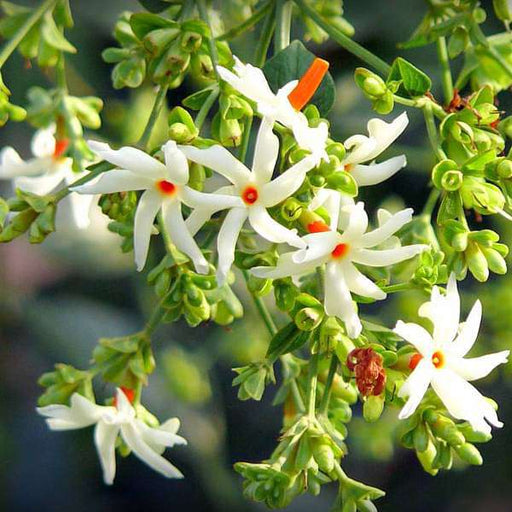
Combo Constituents Includes the Parijat Tree (Night-Flowering Jasmine), a culturally significant plant with fragrant flowers. Description The Pari...
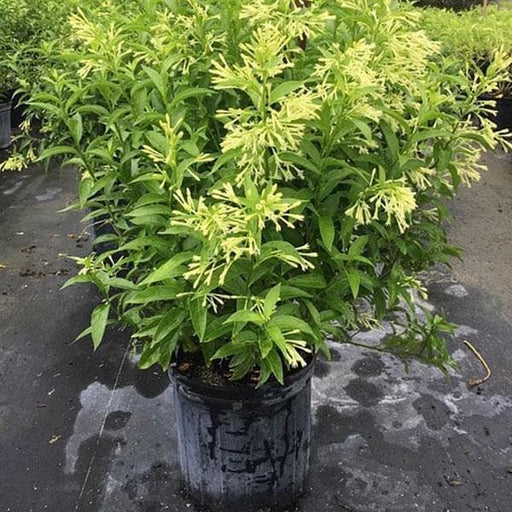
View full detailsDescription Raat Ki Rani (*Cestrum nocturnum*), also known as Night Blooming Jasmine, is a fragrant shrub native to the Caribbean and Central Ameri...
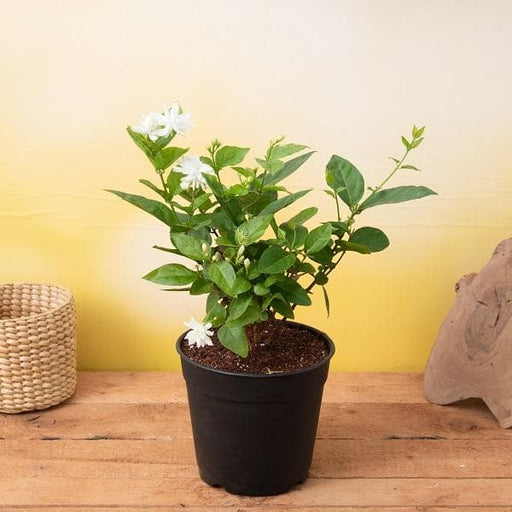
View full detailsJasminum sambac, Mogra, Arabian Jasmine - Plant Jasminum sambac, commonly known as Mogra or Arabian Jasmine, is a fragrant flowering plant...
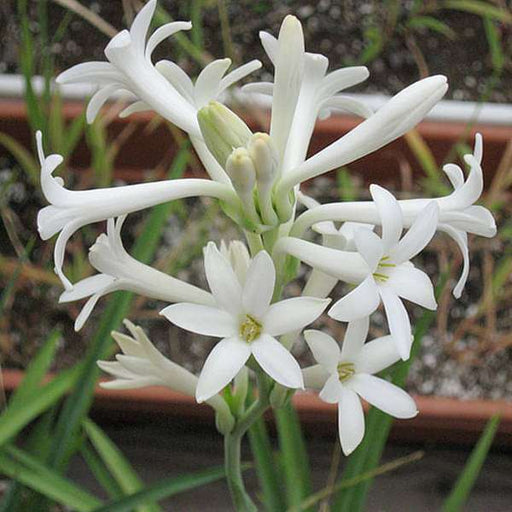
View full detailsRajnigandha, Tuberose - Plant The Rajnigandha, scientifically known as Polianthes tuberosa, is a captivating perennial plant renowned for ...
View full detailsCitronella, Odomas - Plant The Citronella plant, scientifically known as Cymbopogon nardus, is a tropical grass renowned for its aromatic ...
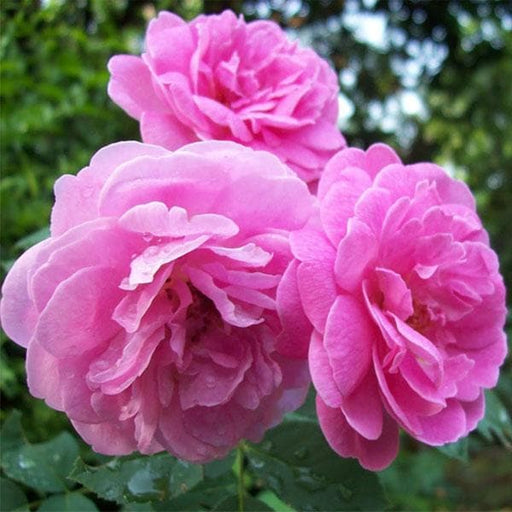
View full detailsDamascus Rose, Scented Rose (Any Color) - Plant The Damascus Rose, also known as Rosa damascena, is a timeless symbol of beauty and romanc...
View full detailsMiniature Rose, Button Rose (Any Color) - Plant The Miniature Rose, also known as the Button Rose, is a charming and compact flowering plant that ...
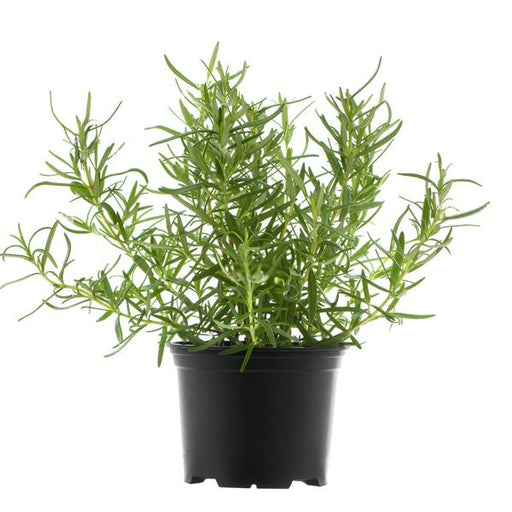
View full detailsRosemary - Plant Rosemary (Rosmarinus officinalis) is a fragrant evergreen herb native to the Mediterranean region. Known for its needle-like leav...
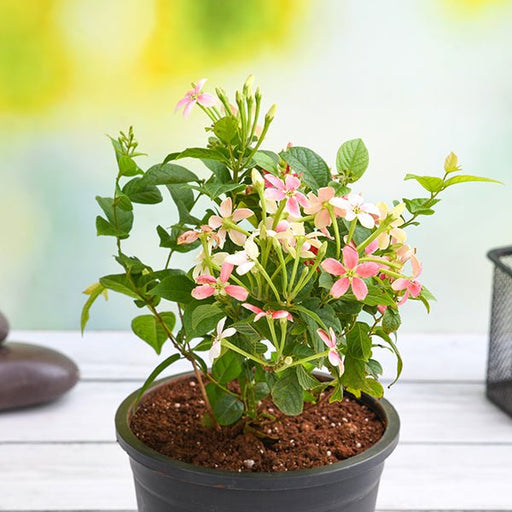
View full detailsMadhumalti Dwarf, Rangoon Creeper - Plant The Madhumalti Dwarf, also known as the Rangoon Creeper (Quisqualis indica), is a stunning perennial vin...
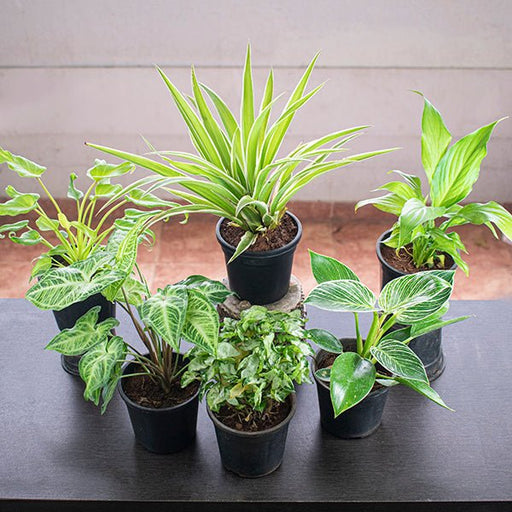
View full detailsBest 6 Plants for Perfect Indoor Garden Transform your living space into a lush oasis with our curated collection of the Best 6 Plants for a...
View full detailsBest 6 Plants for Perfect Indoor Garden Transform your living space into a lush oasis with our curated collection of the Best 6 Plants for a...
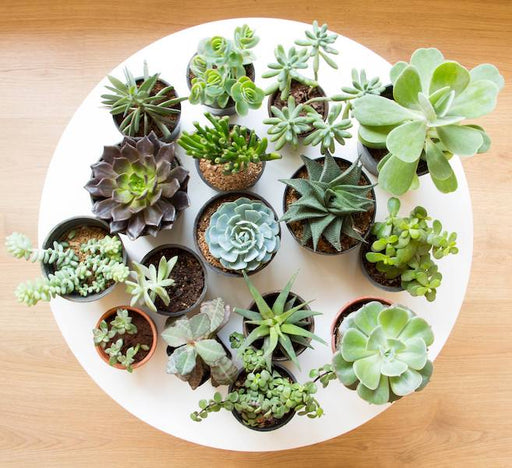
View full detailsMini Succulent Garden Pack Transform your space with our Mini Succulent Garden Pack, featuring a delightful collection of 4 any variety beautiful s...
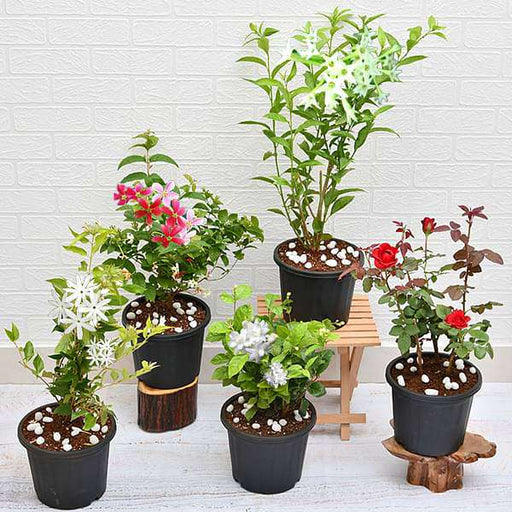
View full details5 Best Fragrant Plants Transform your garden or indoor space into a fragrant paradise with our curated selection of the 5 Best Fragrant Plants. Th...
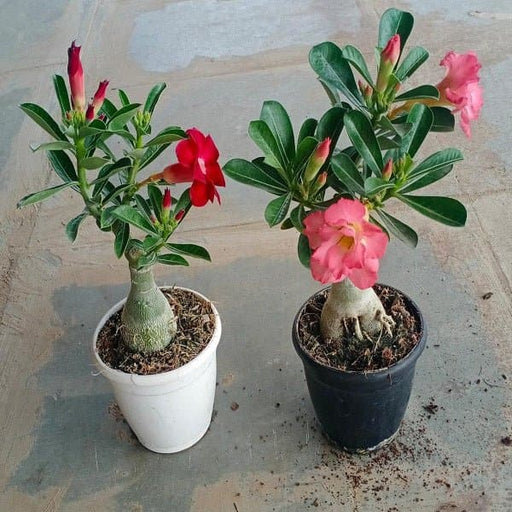
View full detailsSet of 2 Bonsai Looking Grafted Adeniums Transform your indoor or outdoor space with our exquisite Set of 2 Bonsai Looking Grafted Adenium...
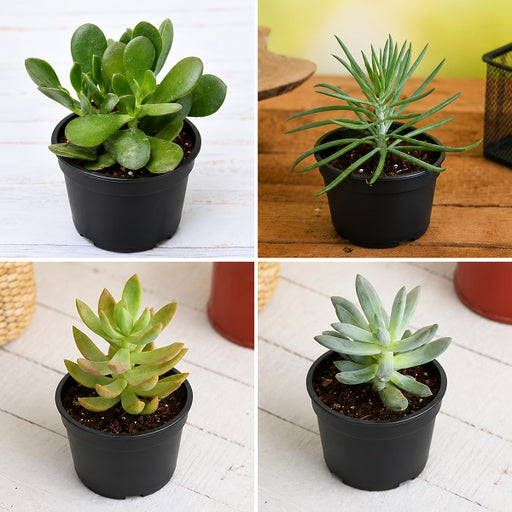
View full detailsTop 4 Die Hard Succulents Pack Note: Plants included in this pack will be delivered in a 3-inch nursery pot (any color). Transform your indoor or ...
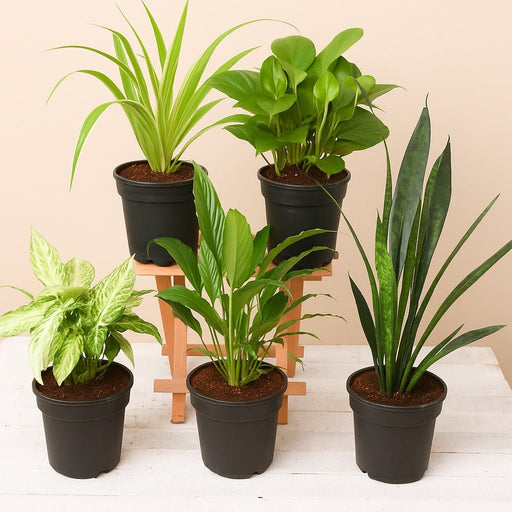
View full details5 Best Indoor Plants Pack Transform your living space into a lush oasis with our '5 Best Indoor Plants Pack.' This carefully curated collection fe...
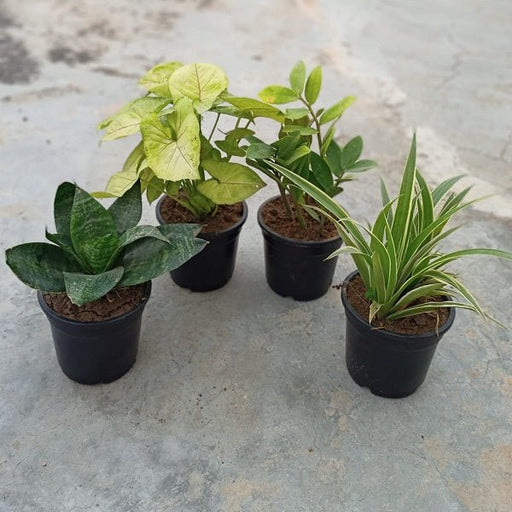
View full detailsSet of 4 Evergreen Air Purifier Plant Pack Transform your indoor space into a lush, green oasis with our Set of 4 Evergreen Air Purifier Pla...
View full detailsTop 5 Pollution Killer Plants Pack Transform your living space into a breath of fresh air with our 'Top 5 Pollution Killer Plants Pack'. This care...
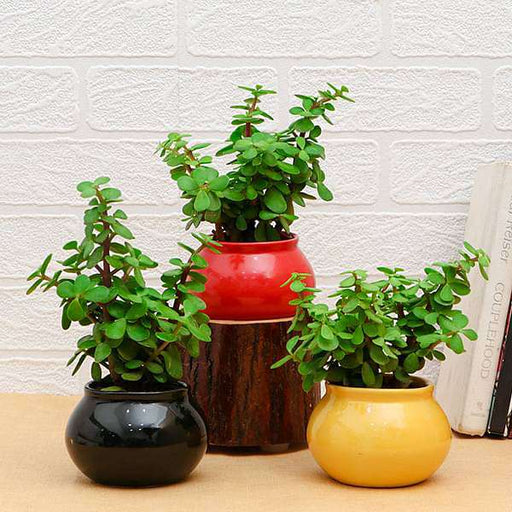
View full detailsPack of 3 Good Luck Jade Plants in Ceramic Pots Bring a touch of nature into your home with our Pack of 3 Good Luck Jade Plants, featuring...
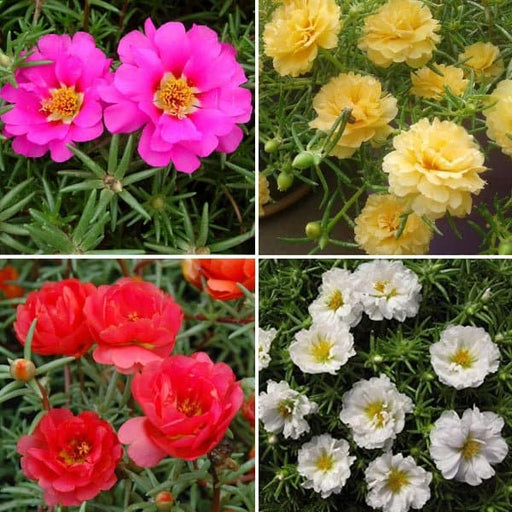
View full detailsPortulaca Garden Pack (4 Plants + 4 Black Pots) Transform your garden into a vibrant oasis with our Portulaca Garden Pack, featuring four ...
View full details






Comments
Leave a comment