What are the best vegetable seeds for salad recipes?
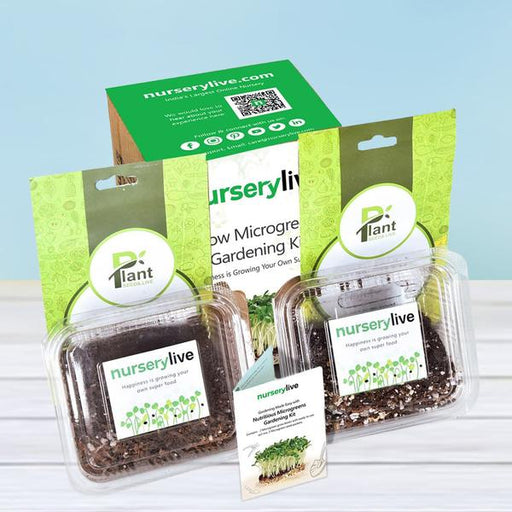
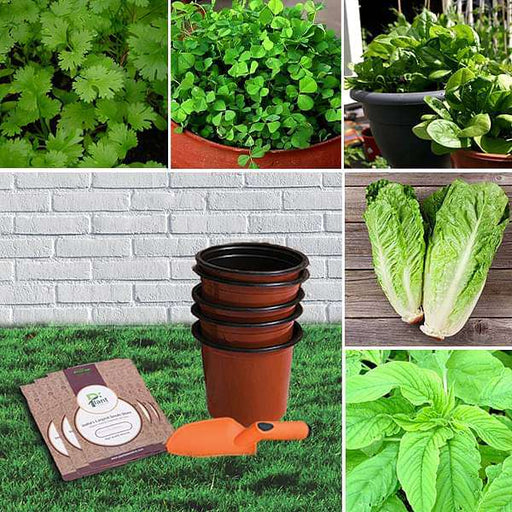
Looking to elevate your salad game? Try these five fresh vegetable seeds: lettuce, spinach, radishes, cucumbers, and cherry tomatoes. They’re the dream team for a crunchy, colorful salad that’ll make your taste buds dance. Plus, they’re easy to grow, so you can impress your friends with your green thumb and culinary skills!
How do I start my kitchen garden?
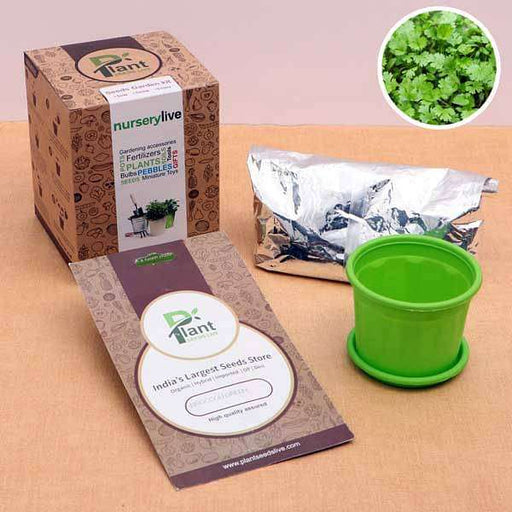
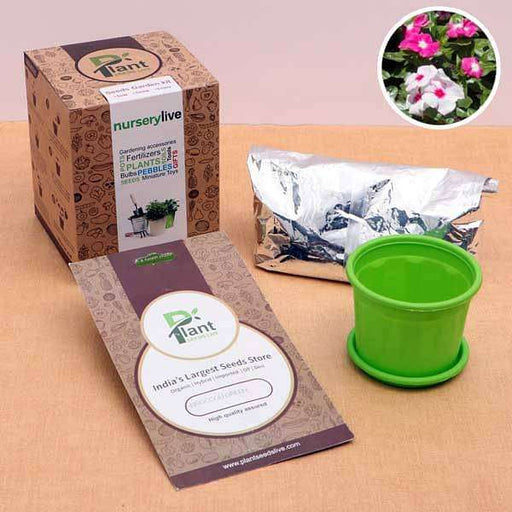
Starting a kitchen garden is as easy as pie—vegetable pie, that is! Choose a sunny spot, gather your seeds, and prepare the soil. Plant your seeds according to the package instructions, water them like they’re your new pets, and watch them grow. Soon, you’ll have fresh veggies for your salads, and bragging rights to boot!
What is the best time to plant salad vegetable seeds?
Timing is everything, especially in gardening! For most salad veggies, spring is the prime time to plant. Aim for a few weeks before the last frost date. If you’re feeling adventurous, you can also try a fall planting. Just remember, your veggies need a little warmth to sprout, so don’t rush them out into the cold!
How often should I water my salad vegetables?
Watering is like giving your plants a refreshing drink after a workout. Generally, aim for about an inch of water per week, but check the soil first. If it’s dry an inch down, it’s time to hydrate! Just don’t drown them; your veggies aren’t swimming champions, and soggy roots are a recipe for disaster!
Can I grow salad vegetables in containers?
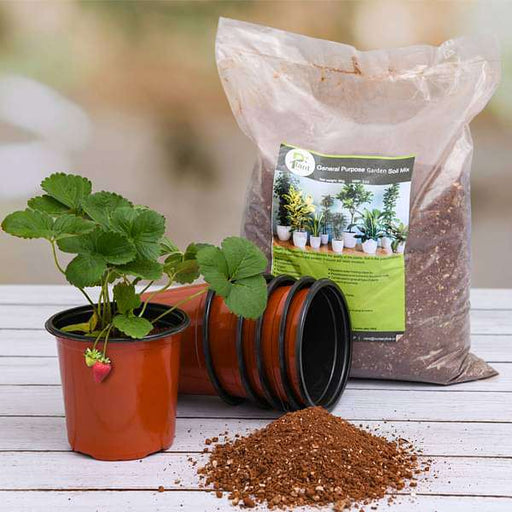
Absolutely! Container gardening is like a VIP lounge for your salad veggies. Just make sure your pots have drainage holes and use quality potting soil. You can grow lettuce, radishes, and even mini cucumbers in containers. It’s a space-saving solution that lets you enjoy fresh greens, even if you live in a shoebox!
What pests should I watch out for in my kitchen garden?
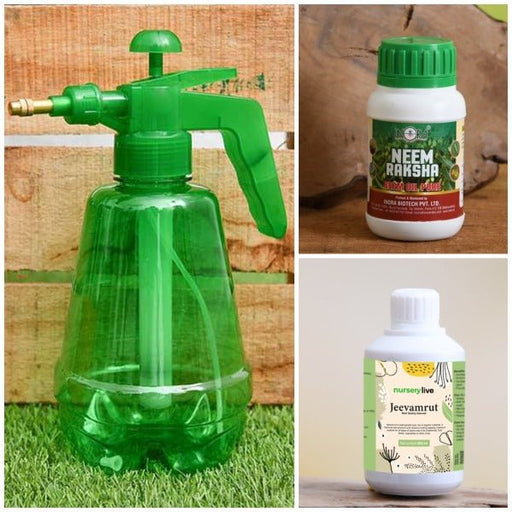
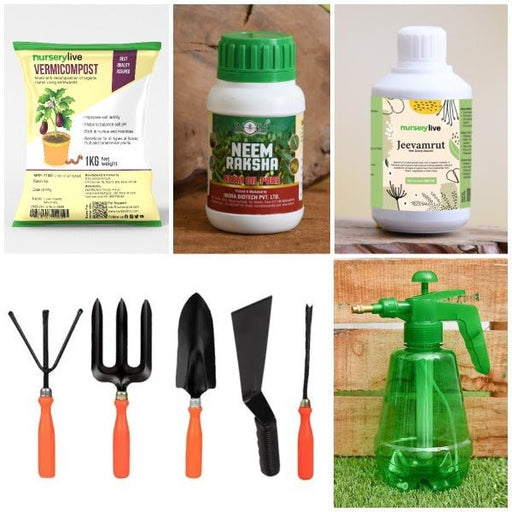
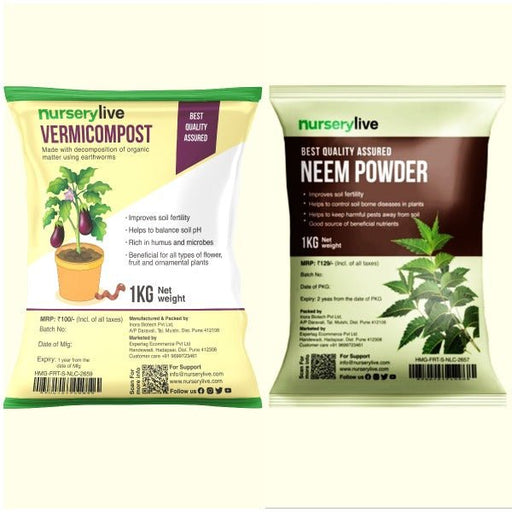
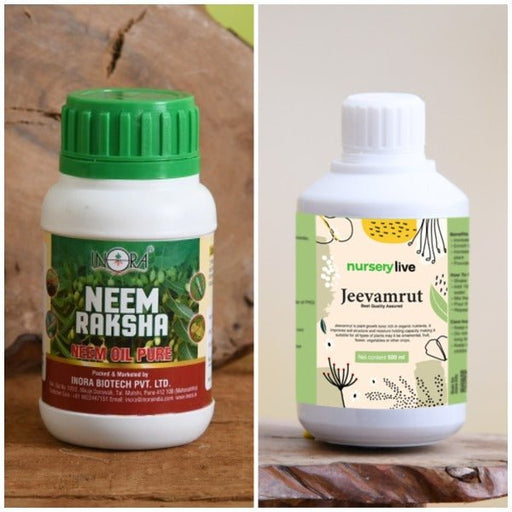
Ah, the uninvited guests! Keep an eye out for aphids, slugs, and caterpillars—they’re the party crashers of your garden. Use natural remedies like neem oil or introduce beneficial insects like ladybugs. Remember, a healthy garden is a happy garden, so don’t let those pests steal your salad dreams!
How long does it take for salad seeds to germinate?
Patience, young grasshopper! Most salad seeds will sprout within 7 to 14 days, depending on the variety and conditions. Lettuce is usually the eager beaver, while radishes are speedy little things. Just keep the soil moist and give them some love, and soon you’ll see those little green miracles popping up!
What nutrients do salad vegetables need?
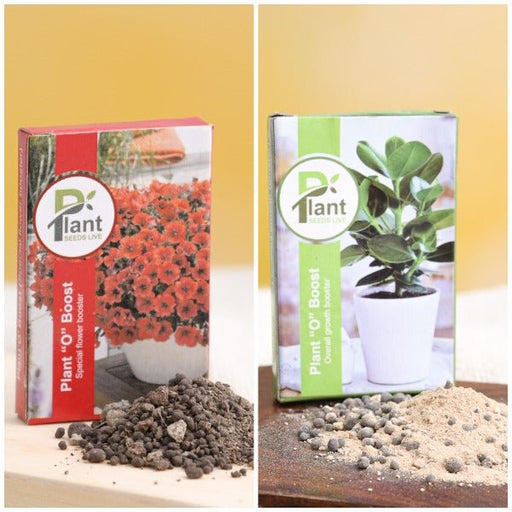
Salad veggies are like us—they need a balanced diet! They thrive on nitrogen, phosphorus, and potassium, which you can provide with a good fertilizer. Organic options like compost or well-rotted manure work wonders. Just remember, too much of a good thing can be bad, so follow the instructions and keep it balanced!
Can I save seeds from my salad vegetables?
Absolutely! Saving seeds is like keeping a little piece of your garden’s history. Allow your veggies to mature fully, then collect the seeds. Make sure they’re dry and store them in a cool, dark place. Next season, you’ll have a treasure trove of homegrown goodness, and you can brag about your DIY skills!
What are the benefits of growing my own salad vegetables?
Growing your own salad veggies is like having a VIP pass to freshness! You get to enjoy organic produce, save money, and reduce your carbon footprint. Plus, there’s something incredibly satisfying about plucking a ripe cucumber or crisp lettuce right from your garden. It’s a win-win for your taste buds and the planet!
Can I grow salad vegetables indoors?
Yes, you can! Indoor gardening is like bringing the outdoors in, minus the bugs. Choose a sunny windowsill or use grow lights, and opt for compact varieties. Salad greens like lettuce and herbs thrive indoors. Just remember to give them enough light and water, and soon you’ll have a mini salad bar right in your kitchen!
What should I do if my salad vegetables aren’t growing?
If your salad veggies are playing hard to get, don’t panic! Check for proper sunlight, water, and soil conditions. Sometimes, they just need a little extra TLC. If all else fails, consult your local gardening guru or online forums. Remember, every gardener has had a flop or two—just chalk it up to experience!