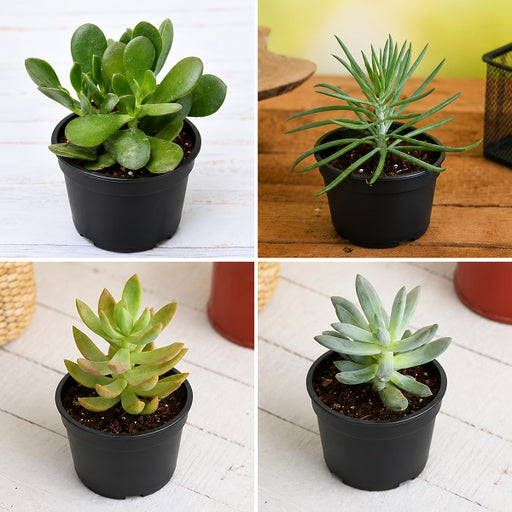
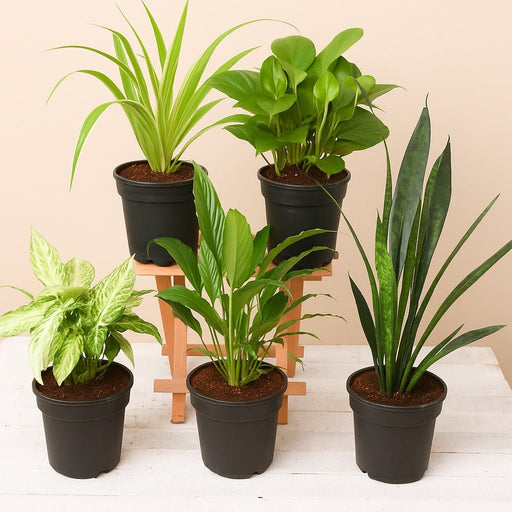
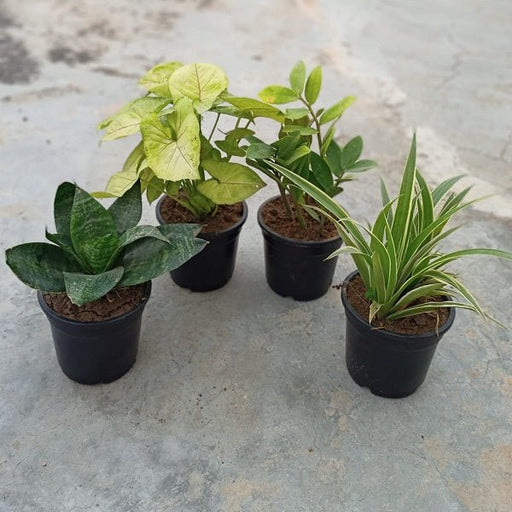
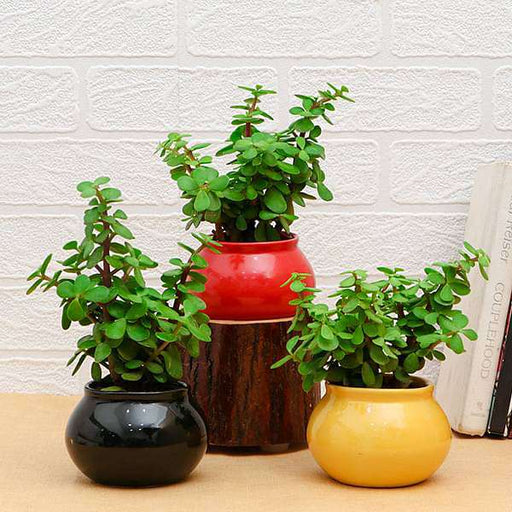
Choosing pet-friendly indoor plants is essential for a safe home. Here are some great options that are non-toxic to dogs and cats.
Indoor plants not only enhance the beauty of Indian homes but also improve air quality and create a calming atmosphere.
🌱 Recommended indoor plants for Indian homes
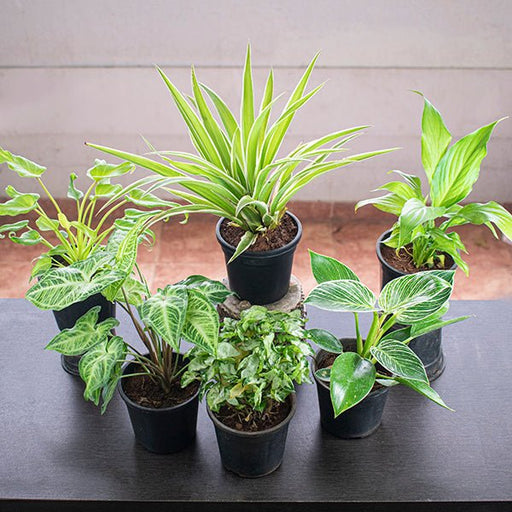
- Spider Plant - A resilient plant that thrives in various conditions and is safe for pets.
- Bamboo Palm - Adds a tropical feel and purifies the air without harming pets.
- Boston Fern - A lush, green plant that helps maintain humidity and is non-toxic.
- Areca Palm - A popular indoor palm that is safe for pets and easy to care for.
- Parlor Palm - A low-maintenance plant that brings elegance and is pet-friendly.
- Money Plant - Known for its air-purifying qualities, it is also safe for furry friends.
- Ponytail Palm - Unique in appearance, this plant is non-toxic and easy to grow.
- Calathea - Beautiful foliage that is safe for pets and thrives in indirect light.
- Prayer Plant - Known for its stunning leaves, it is also safe for dogs and cats.
- Cast Iron Plant - Extremely hardy and non-toxic, perfect for busy households.
🌏 Why these recommendations work in Indian homes
- These plants are non-toxic, ensuring the safety of pets.
- They thrive in the Indian climate and require minimal care.
- Many of them help purify indoor air, promoting a healthier environment.
- They add aesthetic value and enhance the overall ambiance of homes.
🛒 Related collection
Explore our collection of pet-friendly indoor plants to find the perfect addition to your home.
Pet-Friendly Plants Collection
🪴 Recommended options
- spider-plant
- bamboo-palm
- boston-fern
- areca-palm
- parlor-palm
- money-plant
- ponytail-palm
- calathea
- prayer-plant
- cast-iron-plant
💡 Quick care tips
- Provide bright, indirect light for most of these plants.
- Water when the top inch of soil feels dry.
- Use well-draining potting soil to prevent root rot.
- Keep plants away from direct sunlight and drafts.
⚠ Common mistakes
- Overwatering, which can lead to root rot.
- Placing plants in direct sunlight without considering their needs.
- Neglecting to check for pests regularly.
- Using toxic fertilizers or chemicals around pets.