What is the difference between indoor and outdoor plants?
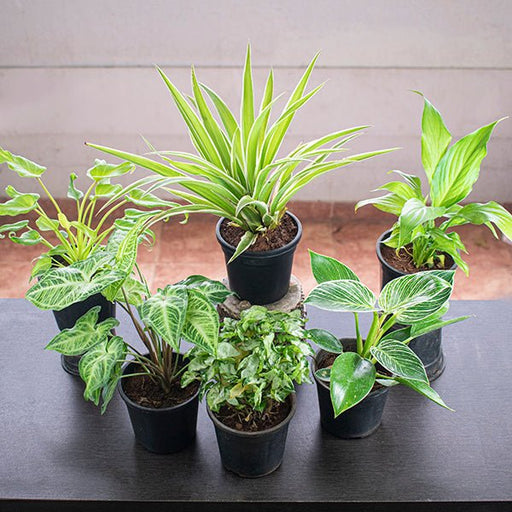
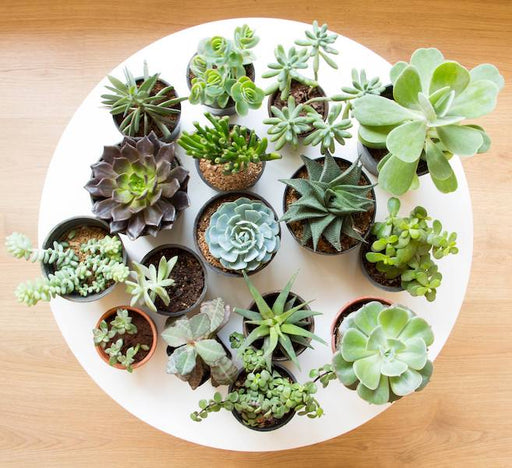
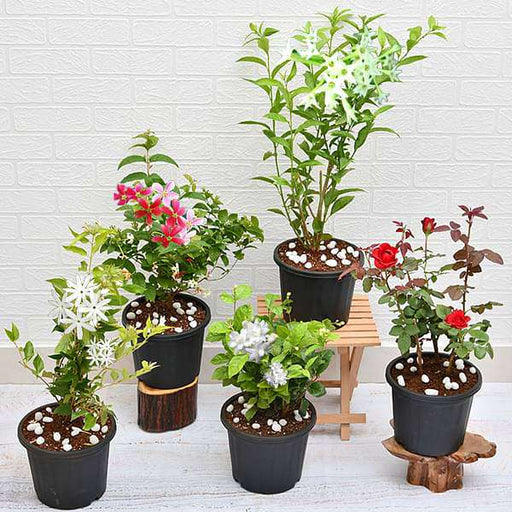
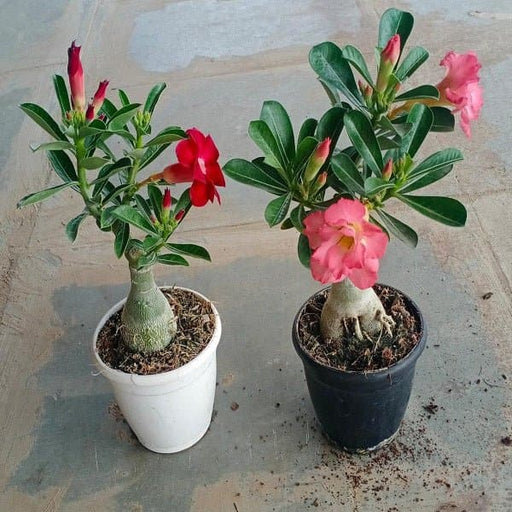
Indoor plants are like introverts, thriving in cozy corners with low light and humidity. Outdoor plants are the extroverts, basking in sunlight and braving the elements. Each has its own charm, but they both contribute to a greener planet.
Can indoor plants survive outside?
Sure, but it’s like sending a cat to a dog park. Indoor plants may struggle with harsh sunlight and wind, so if you want to take them outside, do it gradually. They might just need a little sunscreen and a pep talk!
Do outdoor plants need more water than indoor plants?
Generally, yes! Outdoor plants are like thirsty athletes, soaking up the sun and sweating it out. They often require more water due to evaporation and soil drainage. Indoor plants, on the other hand, prefer a more relaxed hydration schedule.
Can indoor plants grow in low light?
Absolutely! Indoor plants are the masters of low-light living. They’ve adapted to thrive in dim conditions, making them perfect for those shadowy corners of your home. Just remember, they still need some light—like a good book needs a cozy reading nook!
Are outdoor plants more resilient than indoor plants?
Typically, yes! Outdoor plants are like seasoned adventurers, toughened by wind, rain, and sun. They’ve developed defenses against pests and weather extremes. Indoor plants, while lovely, often need a bit more pampering to keep them happy and healthy.
Can I bring outdoor plants inside?
You can, but it’s like inviting a wild party animal to a quiet dinner. Outdoor plants may bring pests or diseases indoors, so quarantine them first. A little time apart can ensure your indoor plants don’t get caught up in the chaos!
Do indoor plants purify the air?
Yes, indeed! Indoor plants are like tiny air purifiers, filtering out toxins and releasing oxygen. They’re the unsung heroes of your home, working silently to improve air quality. Just don’t expect them to do the dishes!
How do I choose between indoor and outdoor plants?
It’s all about your lifestyle! If you’re a sun-loving adventurer, outdoor plants are your best bet. If you prefer a cozy, low-maintenance vibe, indoor plants are your pals. Consider your space, light, and commitment level before making a choice!
Can I grow herbs indoors?
Absolutely! Indoor herbs are like your personal chefs, ready to spice up your meals. They thrive in pots on windowsills, needing just a bit of sunlight and water. Plus, they’ll make your kitchen smell divine—who doesn’t love a little basil magic?
What are the best indoor plants for beginners?
Start with the classics: pothos, snake plants, and peace lilies. These green buddies are low-maintenance and forgiving, perfect for those new to plant parenthood. They’ll thrive even if you forget to water them occasionally—just don’t make it a habit!
Do outdoor plants need fertilizer?
Yes, outdoor plants are like hungry teenagers—they need regular feeding to grow strong and healthy. Fertilizer provides essential nutrients that may be lacking in the soil. Just remember, too much of a good thing can lead to a plant party gone wrong!
How do I transition indoor plants to outdoor conditions?
Gradually, my friend! It’s like introducing a shy friend to a lively gathering. Start by placing them in a shaded spot for a few hours, then slowly increase their exposure to sunlight. This way, they won’t get overwhelmed and can enjoy the great outdoors!