Skip to content

How do I start gardening at home in India?

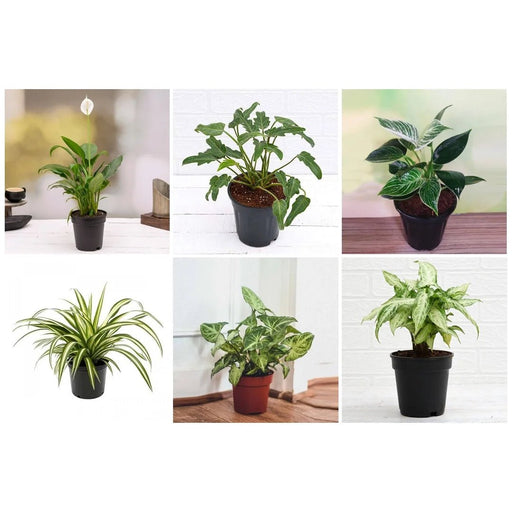
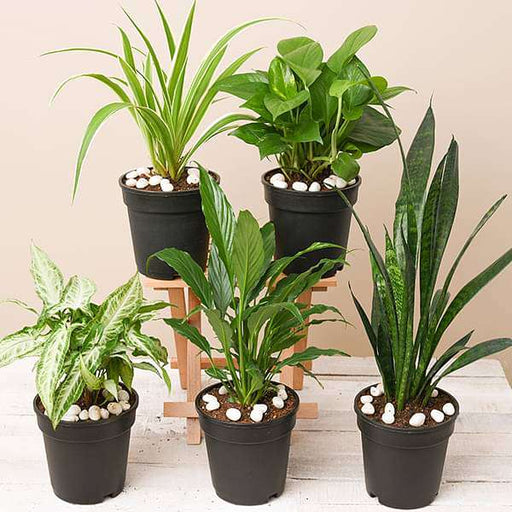
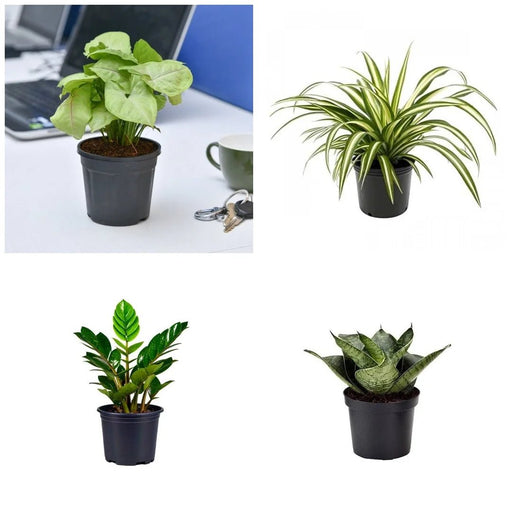
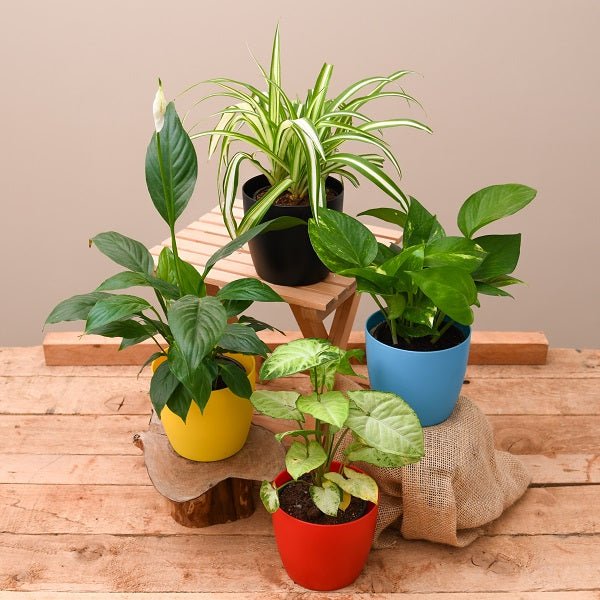
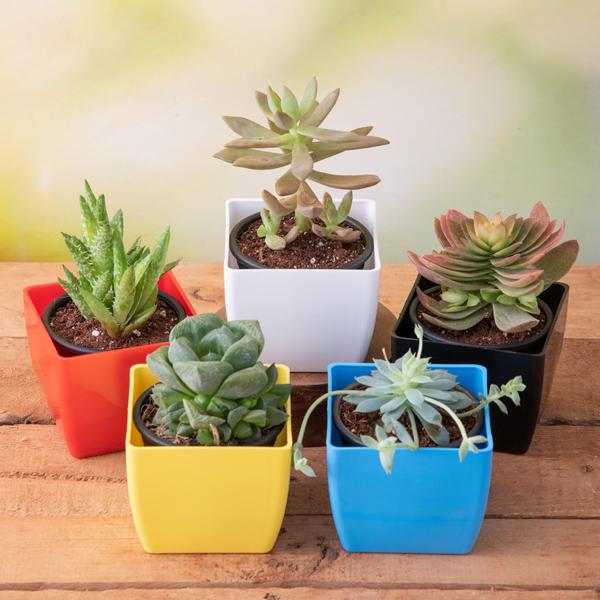
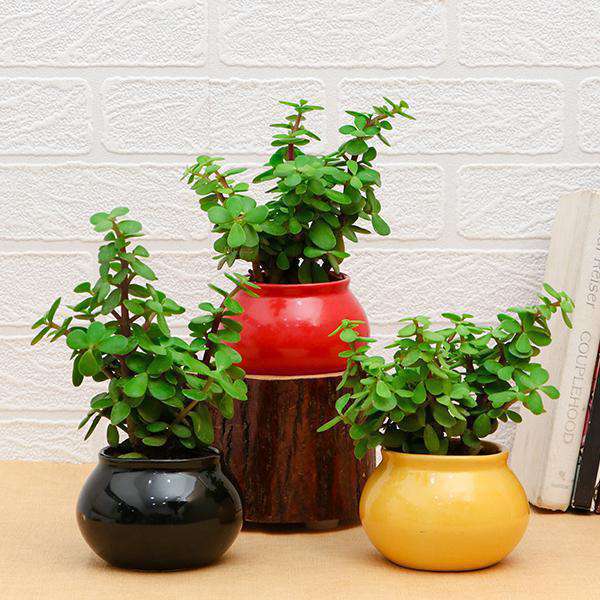
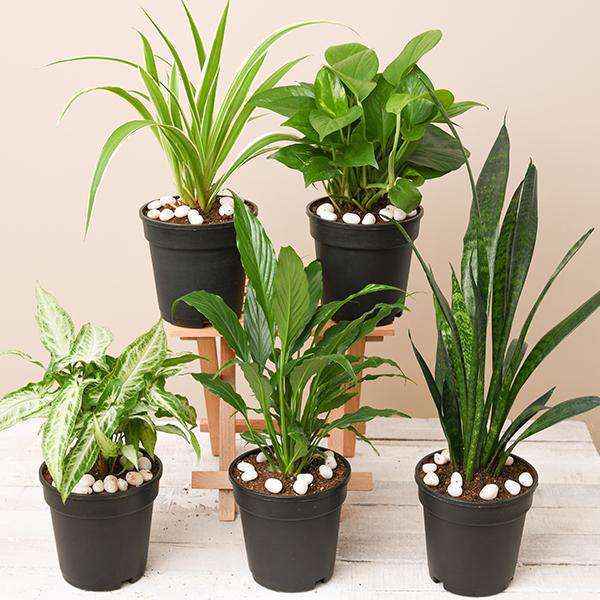
Starting a garden at home in India is easy. Begin with low-maintenance indoor plants that thrive in local conditions. Choose a few pots, quality soil, and ensure proper light and water for your plants.

Why these recommendations work in Indian homes

  • Low-maintenance plants are ideal for busy lifestyles.
  • Indoor plants improve air quality and add greenery.
  • They adapt well to varying indoor conditions.
  • Easy to care for, making them perfect for beginners.

Related collection

Recommended options

Quick care tips

  • Light: Place in indirect sunlight.
  • Water: Water when the topsoil feels dry.
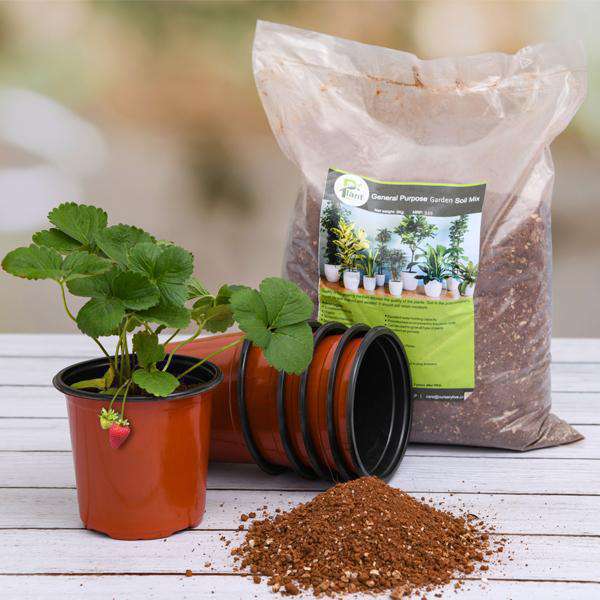
  • Soil: Use well-draining potting mix.
  • Placement: Keep in a stable environment, away from drafts.

Common mistakes

  • Overwatering plants.
  • Using poor quality soil.
  • Ignoring light requirements.
  • Neglecting to clean leaves from dust.

Explore more options in our indoor plants collection.
Trending Collections

Save 40% with Gardening Solutions

FAQ

How do I start gardening at home in India?

Start with a sunny spot, some good soil, and a sprinkle of enthusiasm. Choose easy-to-grow plants like herbs or veggies. Remember, even the best gardeners started with a single seed. So, dig in and let your green thumb shine!

What are the best plants for beginners in India?

Think of plants that are as forgiving as your favorite aunt! Basil, mint, and tomatoes are great starters. They thrive in Indian weather and don’t mind a little neglect. Plus, you’ll have fresh ingredients for your next culinary masterpiece!

How much sunlight do my plants need?

Plants are like sunbathers; they love soaking up the rays! Most need about 6-8 hours of sunlight daily. If your plants start looking like they’re auditioning for a horror movie, they might be craving more light. So, find that sunny spot and let them bask!

How often should I water my plants?

Watering is an art, not a science! Generally, once a week is a good start, but check the soil first. If it’s dry, give them a drink. If it’s soggy, hold off. Remember, overwatering is like giving your plants a swimming lesson they didn’t sign up for!

What soil is best for home gardening?

Think of soil as your plants’ cozy blanket! A mix of loamy soil, compost, and a dash of sand works wonders. It’s like a five-star hotel for your plants, providing nutrients and good drainage. So, pamper them with the best soil you can find!

How do I deal with pests in my garden?

Pests are like uninvited guests at a party! Use natural remedies like neem oil or garlic spray to send them packing. Regularly check your plants for signs of trouble. A little vigilance goes a long way in keeping your garden pest-free and thriving!

Can I garden in pots?

Absolutely! Pot gardening is like having a portable garden party. Choose pots with drainage holes and fill them with quality soil. You can grow almost anything in pots, from herbs to flowers. Plus, they’re perfect for small spaces or if you want to rearrange your garden vibe!

What is the best time to start gardening in India?

Timing is everything, darling! The best time to start is during the monsoon or spring when the weather is just right. Your plants will thank you for the gentle rains and mild temperatures. So, grab your gardening gloves and get ready to dig!

How do I fertilize my plants?

Think of fertilizing as giving your plants a gourmet meal! Use organic fertilizers like compost or cow dung. They’re packed with nutrients and keep your plants happy. Just remember, moderation is key; too much fertilizer can be like a buffet gone wrong for your green friends!

How can I make my garden eco-friendly?

Go green, literally! Use organic methods, compost kitchen scraps, and collect rainwater. Plant native species to attract local wildlife. It’s like throwing a party for nature! Your garden will not only thrive but also help the environment. Who knew being eco-friendly could be so stylish

How do I maintain my garden?

Maintenance is like a relationship; it requires love and attention! Regularly water, prune, and check for pests. Spend a little time each week tending to your plants, and they’ll reward you with beauty and bounty. Remember, a happy garden is a thriving garden!