Not recd as per Picture on Website
Available 24/7
Available 24/7
Save 25%
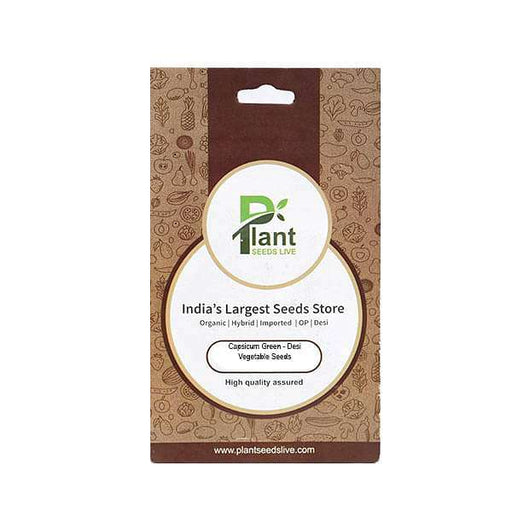
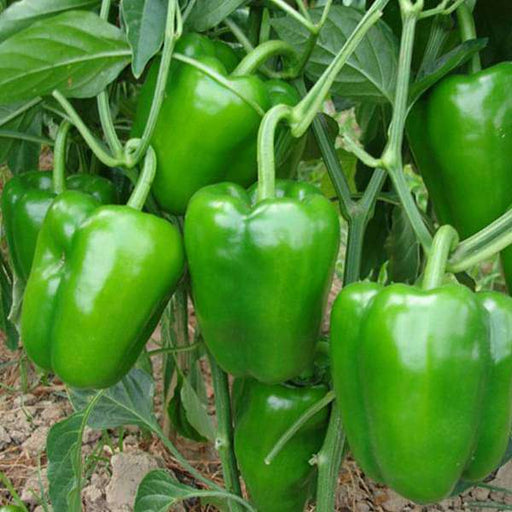
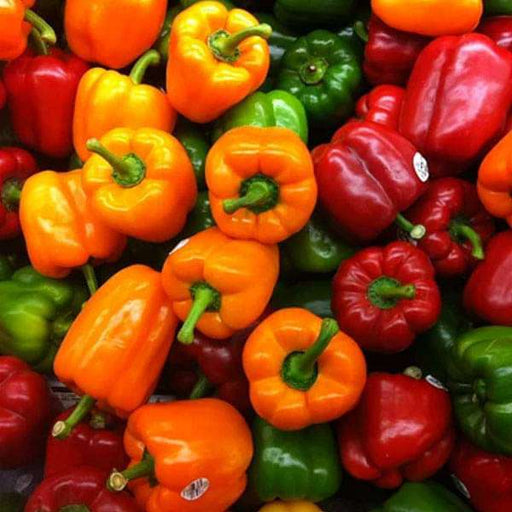
Capsicum Green - Desi Vegetable Seeds Capsicum Green, also known as bell pepper, is a vibrant and nutritious addition to your garden. Thes...
View full details
Save 25%
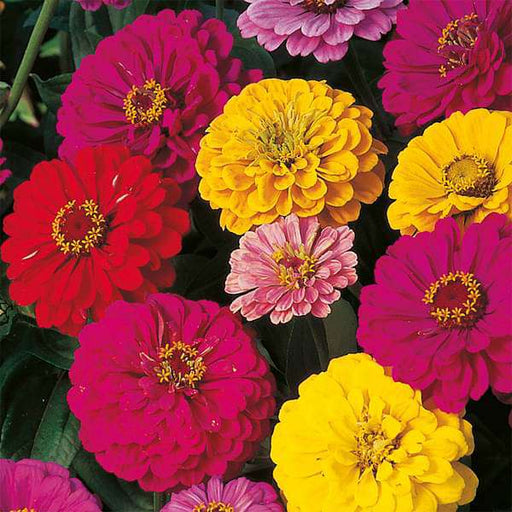
Zinnia Dahlia Mixed Color - Desi Flower Seeds Transform your garden into a vibrant tapestry of colors with our Zinnia Dahlia Mixed Color -...
View full details
Save 25%
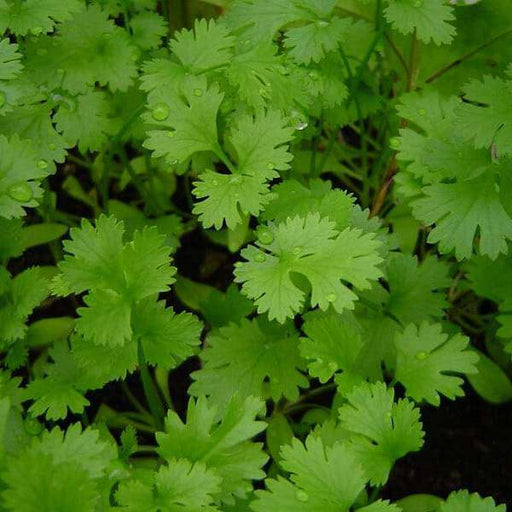
Coriander Panipat - Desi Vegetable Seeds Coriander Panipat is a premium variety of coriander seeds, cherished for its aromatic leaves and ...
View full details
Save 25%
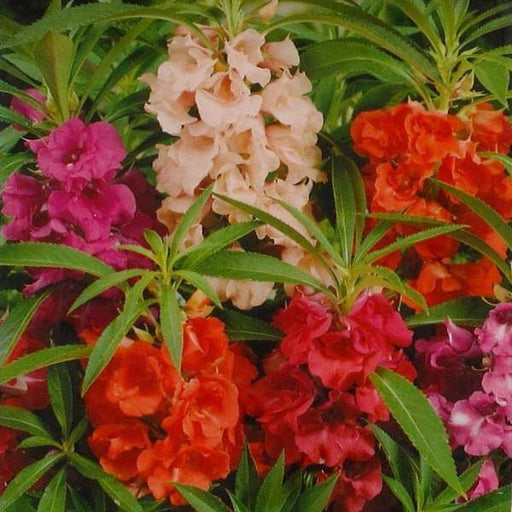
Balsam Double Mixed Color - Desi Flower Seeds Discover the vibrant beauty of Balsam Double Mixed Color - Desi Flower Seeds, a delightful a...
View full details
Save 25%
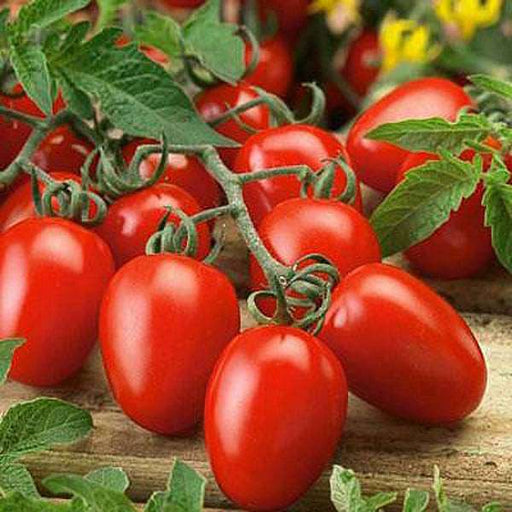
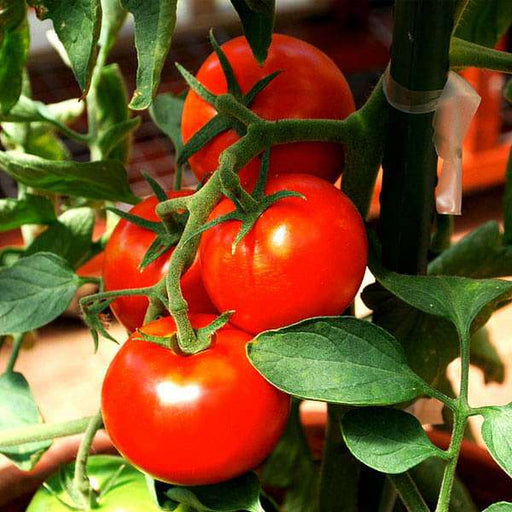
Tomato Pusa Ruby - Desi Vegetable Seeds The Tomato Pusa Ruby is a premium variety of tomato seeds, renowned for its vibrant red color, jui...
View full details
Save 25%
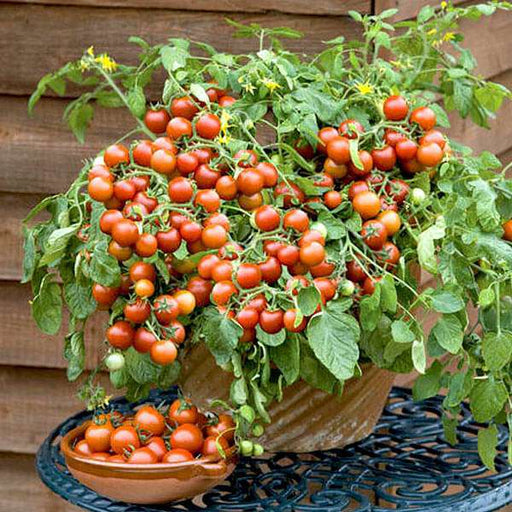
Cherry Tomato, Cherry Tomato Honey - Vegetable Seeds Discover the delightful world of Cherry Tomato Honey seeds, perfect for home gardener...
View full details
Save 25%
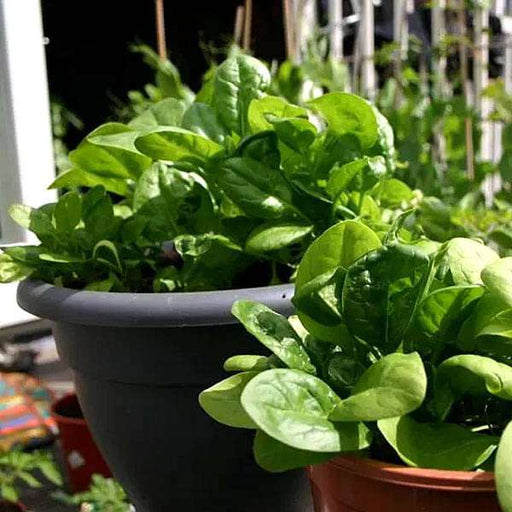
Spinach All Green - Desi Vegetable Seeds Introducing the Spinach All Green - Desi Vegetable Seeds, a premium variety of spinach that thriv...
View full details
Save 35%
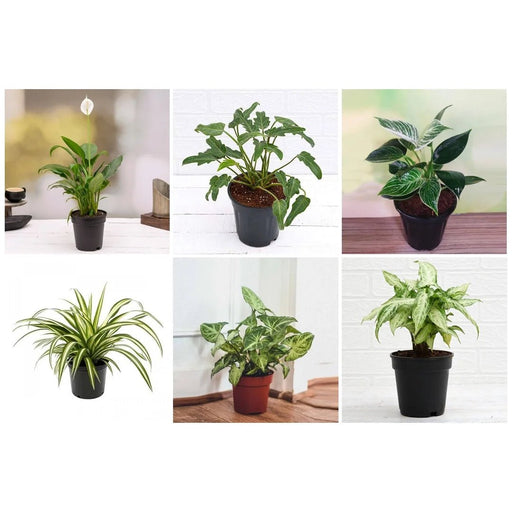
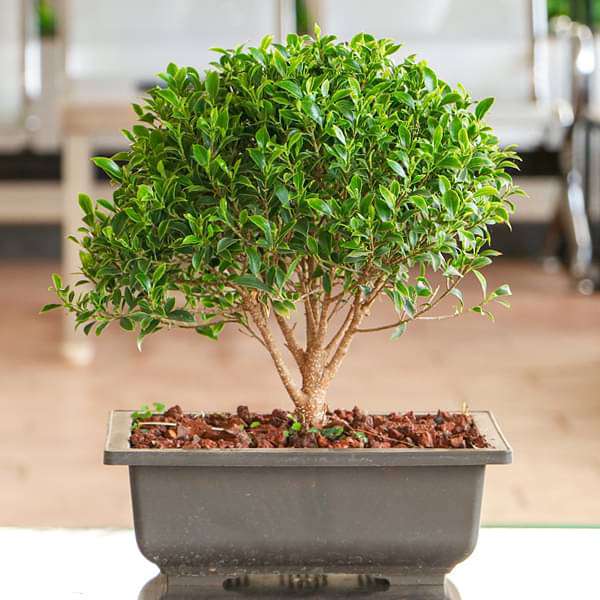
Best 6 Plants for Perfect Indoor Garden Transform your living space into a lush oasis with our curated collection of the Best 6 Plants for a...
View full details
Save up to 50%
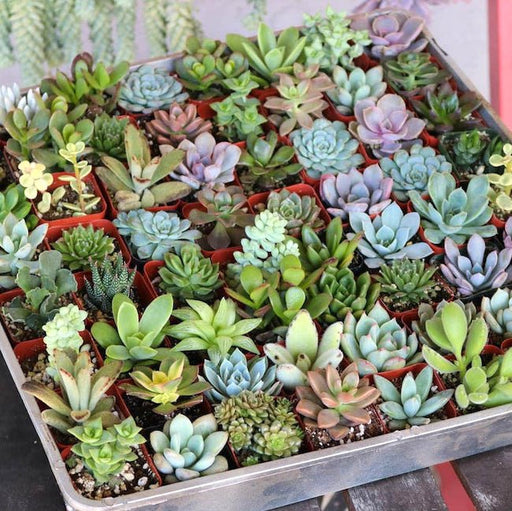
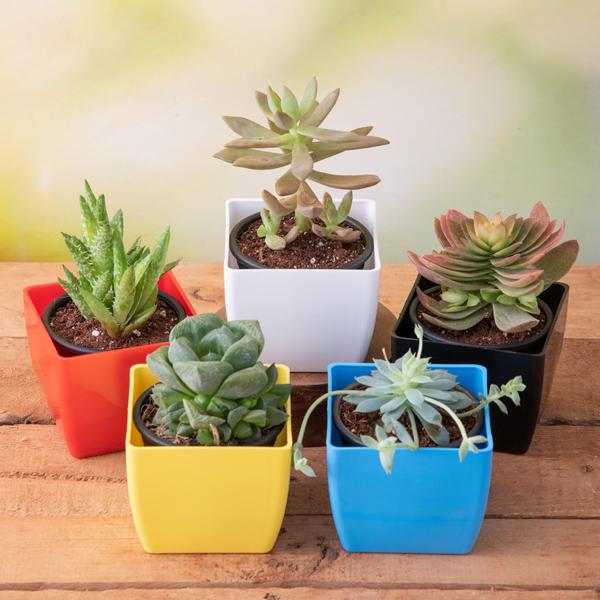
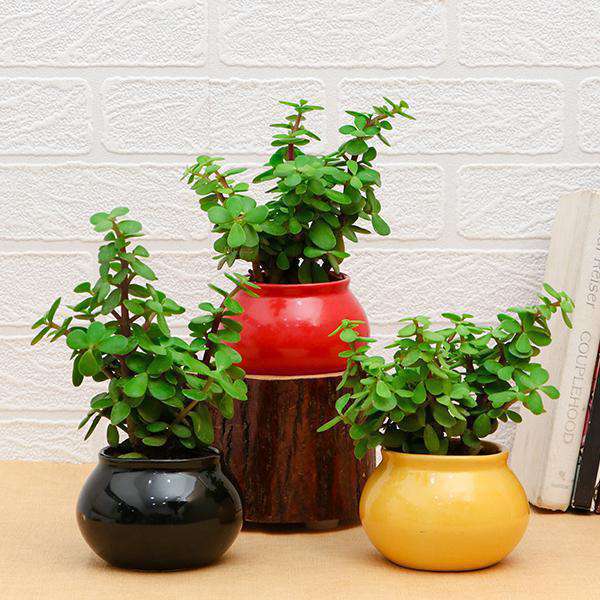
Mini Succulent Garden Pack Transform your space with our Mini Succulent Garden Pack, featuring a delightful collection of 4 any variety beautiful s...
View full details
Save 30%
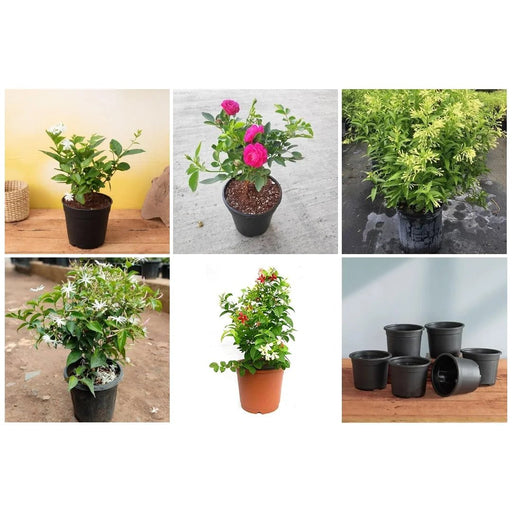
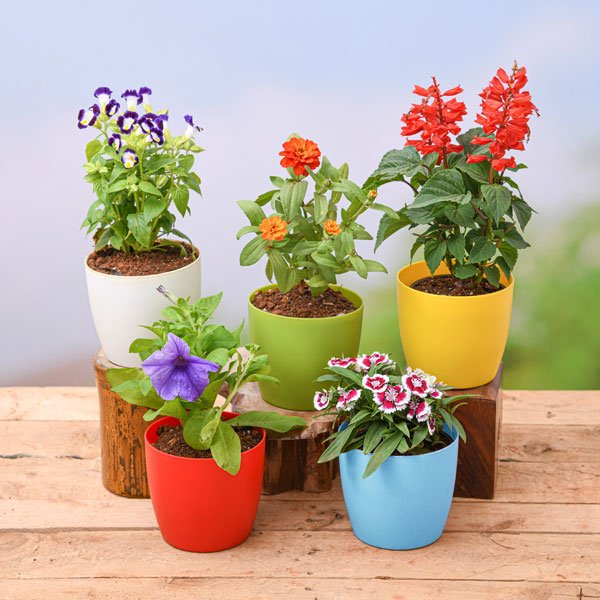
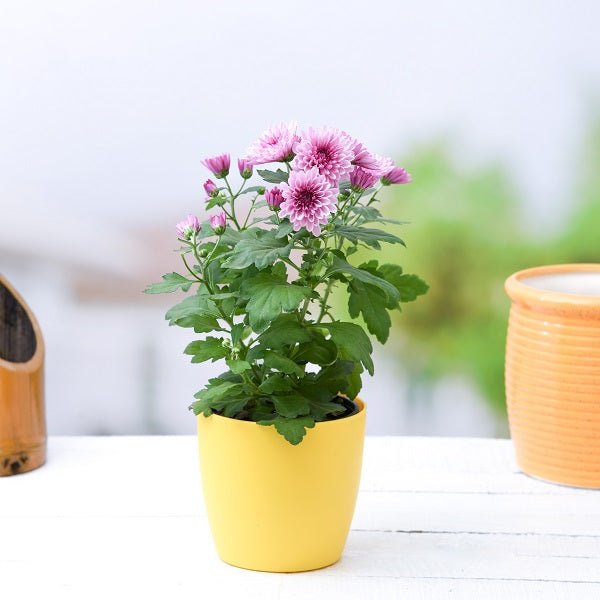
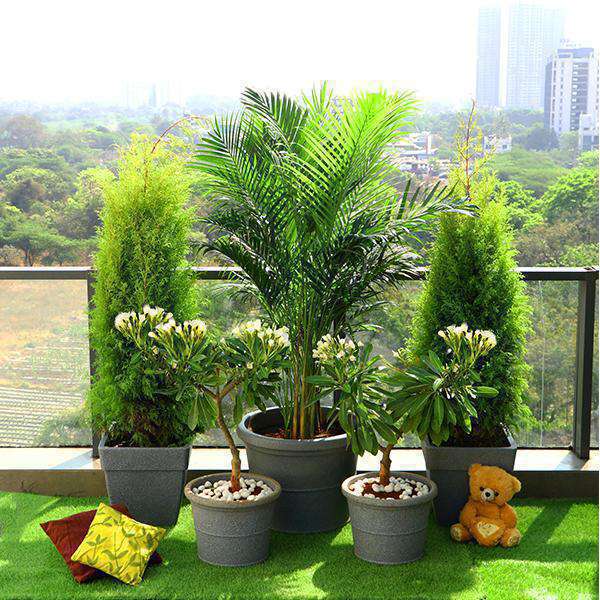
5 Best Fragrant Plants Transform your garden or indoor space into a fragrant paradise with our curated selection of the 5 Best Fragrant Plants. Th...
View full details
Save 24%
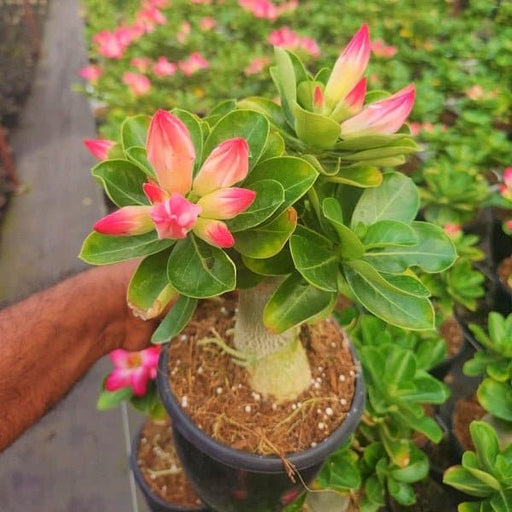
Set of 2 Bonsai Looking Grafted Adeniums Transform your indoor or outdoor space with our exquisite Set of 2 Bonsai Looking Grafted Adenium...
View full details
Save 45%
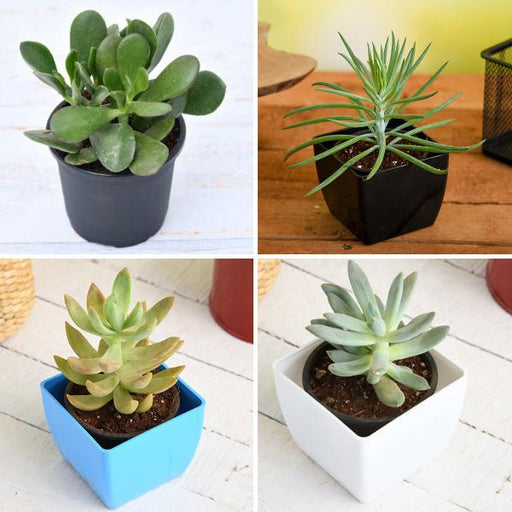
Top 4 Die Hard Succulents Pack Transform your indoor or outdoor space with our Top 4 Die Hard Succulents Pack, featuring a curated selecti...
View full details
Save 30%
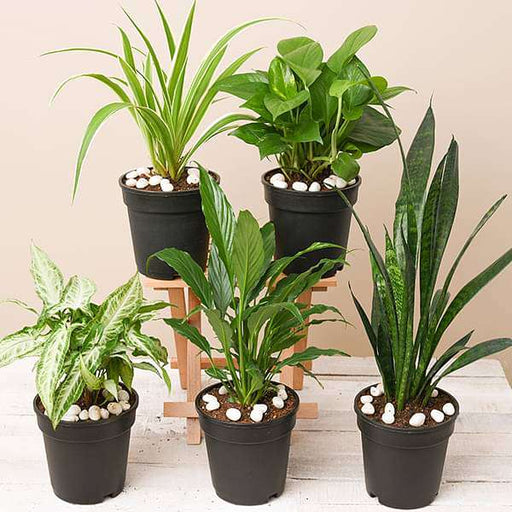
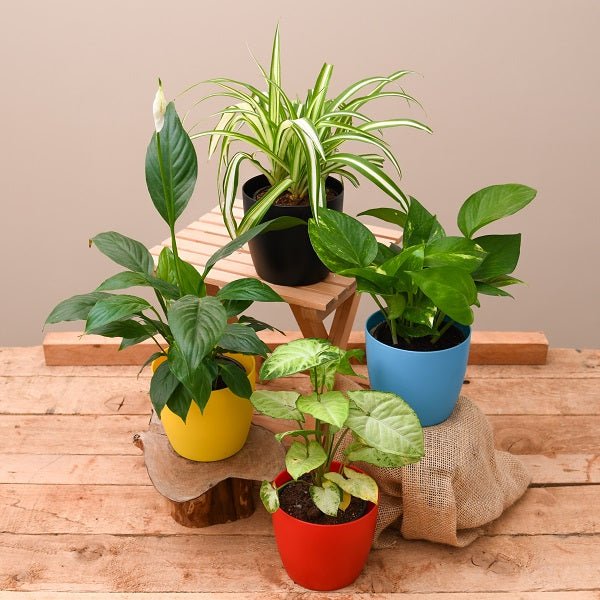
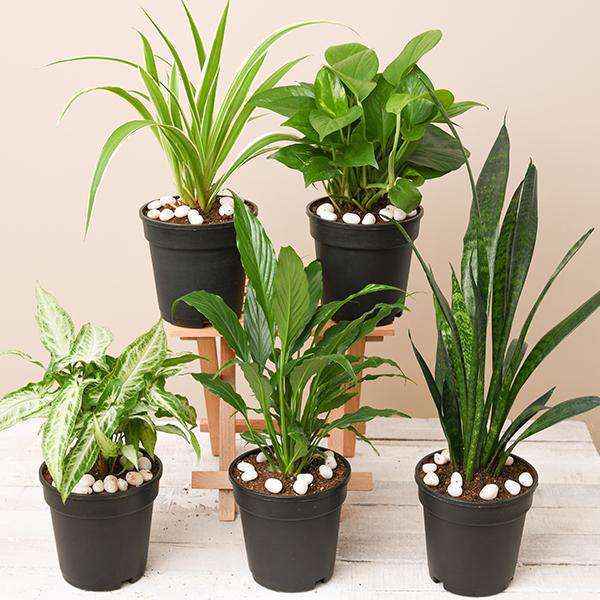
5 Best Indoor Plants Pack Transform your living space into a lush oasis with our '5 Best Indoor Plants Pack.' This carefully curated collection fe...
View full details
Save 25%
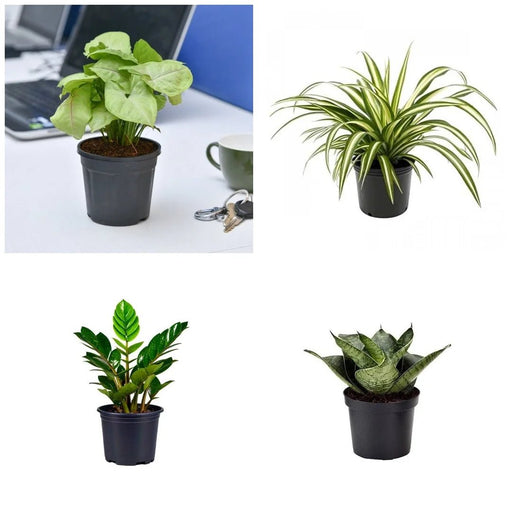
Set of 4 Evergreen Air Purifier Plant Pack Transform your indoor space into a lush, green oasis with our Set of 4 Evergreen Air Purifier Pla...
View full detailsDiscover our premium collection of Vegetable Plants Seeds, designed for both novice and experienced gardeners. Each seed variety is carefully selected to ensure high germination rates and robust growth, allowing you to cultivate a thriving vegetable garden right at home. From vibrant tomatoes to crunchy cucumbers, our seeds promise a bountiful harvest that will elevate your culinary creations.
What makes our Vegetable Plants Seeds special is their adaptability to various climates and soil types. We prioritize organic and heirloom varieties, ensuring that you not only grow delicious vegetables but also contribute to biodiversity. With our seeds, you can enjoy the satisfaction of growing your own food while promoting sustainable gardening practices.
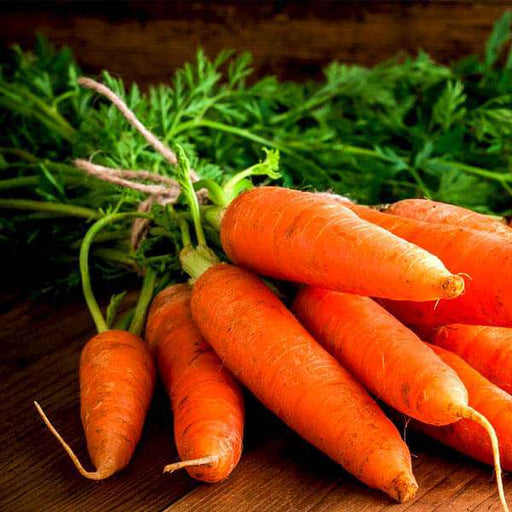
Growing your own vegetables is not just a rewarding hobby; it’s a step towards a healthier lifestyle. Our collection includes a variety of seeds such as bell peppers, zucchini, and carrots, each packed with essential nutrients. Whether you have a spacious backyard or a small balcony, our seeds are perfect for container gardening, making it easy to enjoy fresh produce year-round.
Historically, vegetable gardening dates back thousands of years, with ancient civilizations cultivating crops for sustenance and trade. The domestication of plants like beans and corn has played a crucial role in human development, providing essential nutrients and fostering agricultural practices. Today, growing your own vegetables not only connects you to this rich history but also empowers you to make healthier food choices.
From an environmental perspective, growing your own vegetables significantly reduces your carbon footprint. Home gardening minimizes the need for transportation and packaging associated with store-bought produce. Additionally, it promotes biodiversity and supports local ecosystems, making it a sustainable choice for environmentally-conscious consumers. By choosing our Vegetable Plants Seeds, you are contributing to a greener planet while enjoying the freshest flavors right from your garden.
There are different types of vegetable plant seeds available, such as heirloom, hybrid, and organic seeds. Each type has unique characteristics, growth requirements, and benefits. Whether you are a beginner or an experienced gardener, understanding the different types of vegetable plant seeds can help you make informed choices for your planting projects.
Vegetable seed germination is the process by which a seed begins to grow into a new plant. The process involves the right conditions such as moisture, temperature, and light. Understanding the vegetable seed germination process is critical to successful vegetable planting.
Collecting vegetable plant seeds can be a fun and rewarding activity. Whether you are looking to save money on seeds or preserve your favorite vegetable varieties, collecting vegetable plant seeds can be an excellent way to get started. However, it is essential to know the best time to collect vegetable plant seeds, how to store them, and how to prepare them for planting.
Vegetable seedlings require specific care to thrive and grow into healthy plants. Adequate watering, soil preparation, and sunlight are just some of the factors that contribute to successful seedling care. By learning how to care for vegetable seedlings, you can ensure that your garden grows strong and healthy.
Planting vegetable seeds is a great way to grow fresh produce for your family or community. However, it is essential to know the right time to plant, the planting depth, and the proper soil conditions to ensure successful growth. By following some simple steps, you can plant vegetable seeds and watch them grow into delicious, healthy plants.
Vegetable seed dispersal is a critical process by which plants spread their seeds for future growth. Different vegetable species use various methods of seed dispersal, including wind, water, animals, and gravity. Understanding vegetable seed dispersal can help you appreciate the role of vegetables in our environment and improve your chances of growing healthy plants.
Vegetable seed banks are essential institutions that preserve and protect the genetic diversity of vegetable species worldwide. By collecting, storing, and sharing vegetable seeds, seed banks play a crucial role in maintaining healthy gardens, supporting sustainable development, and promoting food security. Learn about the role of vegetable seed banks and how you can support their work.
Vegetable seedling diseases can pose a significant threat to the health and growth of new plants. Fungal, bacterial, and viral diseases can cause damage to seedlings and prevent them from growing into mature plants. By understanding the common vegetable seedling diseases and their symptoms, you can take steps to prevent and treat them.
Transplanting vegetable seedlings can be a challenging process, but with the right techniques, you can ensure successful growth. Timing, preparation, and careful handling are crucial for the transplanting process. Learn about the best practices for vegetable seedling transplanting and improve your chances of growing healthy plants.
Fertilizing vegetable seedlings can help promote healthy growth and development. However, it is essential to understand the right timing, amount, and type of fertilizer to use. By following the correct fertilization practices, you can ensure that your seedlings grow into healthy, productive plants.
Watering vegetable seedlings is an essential aspect of seedling care. However, it is crucial to understand the right amount and frequency of watering to prevent overwatering or underwatering. By providing adequate water to your vegetable seedlings, you can ensure their healthy growth and development.
Pruning vegetable seedlings is an important practice that helps shape and train the young plants. It also promotes the growth of a strong and healthy plant structure. By learning the basics of vegetable seedling pruning, you can improve the overall health and yield of your garden.
Pests can pose a significant threat to the health and growth of vegetable seedlings. Insects, rodents, and other pests can damage the young plants and prevent them from growing into mature plants. By understanding the common vegetable seedling pests and their control methods, you can protect your plants and promote their healthy growth.
Vegetable seedling growth rates can vary depending on the species, growing conditions, and other factors. Understanding the growth rates of different vegetable species can help you plan and manage your planting projects better. By selecting the right species and providing optimal growing conditions, you can ensure the healthy growth and development of your plants.
Root development is a crucial aspect of vegetable seedling growth and development. Healthy root systems help the plants absorb water and nutrients, anchor the plants in the soil, and support their growth. By learning about the basics of vegetable seedling root development, you can ensure the healthy growth and development of your plants.
Vegetable seedling dormancy is a natural physiological process by which the plants enter a period of rest and conserve their energy. Understanding the factors that influence vegetable seedling dormancy can help you plan and manage your planting projects better. By providing optimal growing conditions, you can promote healthy growth and development of your plants after the dormancy period.
Vegetable seedling propagation is a process of producing new plants from existing ones. It involves different methods such as grafting, budding, and cuttings. Understanding the basics of vegetable seedling propagation can help you expand your vegetable collection and create new planting projects.
Vegetable seedling genetics plays a crucial role in determining the characteristics and traits of the new plants. Understanding the genetics of vegetable seedlings can help you select the right species and plan your planting projects better. By selecting the plants with the desired traits and characteristics, you can ensure the healthy growth and development of your plants.
Vegetable seedling sustainability is an essential aspect of planting and growing vegetables. Sustainable vegetable planting practices promote the health and growth of plants while minimizing the impact on the environment. By using sustainable practices, you can ensure the long-term health and growth of your plants while contributing to the conservation of our planet's natural resources.
Companion planting is a practice of planting different vegetable species together to benefit each other. By selecting the right combinations of vegetables, you can improve the soil quality, prevent pests and diseases, and increase yield. Learn about the basics of vegetable seedling companion planting and how it can improve your garden's health and productivity.
Vegetable plant seeds are the reproductive material of vegetable plant species that contains the genetic information required to produce a new plant. They come in different shapes, sizes, and textures depending on the type of vegetable plant species.
When choosing vegetable plant seeds for your garden, consider factors such as the climate in your region, the amount of sunlight and water your garden receives, and the type of soil in your garden.
Preparing your garden for vegetable plant seeds involves removing any existing weeds, tilling the soil, and adding organic matter to improve soil quality.
Vegetable plant seeds can be planted by hand or with a seed planter. It's important to water the garden regularly to keep the soil moist until the vegetable plant seeds have germinated.
The germination time for vegetable plant seeds varies depending on the species and the conditions. Some vegetable plant species may germinate within a few days, while others may take several weeks.
Newly planted vegetable plant seeds should be watered regularly to keep the soil moist but not saturated. Overwatering can lead to rot and fungal growth, which can harm the seeds.
Established vegetable plants should be watered deeply and infrequently to encourage deep root growth. The frequency of watering depends on the climate and soil conditions.
Fertilizing vegetable plants involves providing them with the necessary nutrients to support healthy growth. You can use organic or chemical fertilizers, depending on your preferences and the needs of the plants.
Growing vegetables at home helps to provide fresh, healthy produce, reduce food waste, and save money on grocery bills. It also provides a fun and rewarding activity for the whole family.
Preventing pests and diseases in your vegetable garden involves proper care and maintenance, including regular watering, fertilizing, and pruning. You can also use organic or chemical treatments to prevent and control pests and diseases.
Common pests include aphids, caterpillars, and beetles, while common diseases include powdery mildew, bacterial spot, and root rot.
Preventing weeds in your vegetable garden involves using mulch, hoeing or hand-pulling weeds, and applying herbicides.
When choosing vegetables for your garden, consider factors such as the climate in your region, the amount of sunlight and water your garden receives, and the type of soil in your garden. You should also consider the time of year and how long the growing season is.
Controlling the size of your vegetable plants involves pruning or training the plants, and providing the right amount of water and nutrients.
Harvesting vegetables involves picking the produce at the right time and using the right tools. It's important to handle the produce carefully to avoid damaging it.
Storing vegetables involves keeping them in a cool, dry place with low humidity. Some vegetables can also be stored in the refrigerator or freezer.
Preserving vegetables involves methods such as canning, pickling, and dehydrating. These methods help to extend the shelf life of vegetables and prevent food waste.
Saving seeds from your vegetable plants involves allowing the plant to mature and produce seeds, then collecting and drying the seeds. The seeds can be stored for future planting.
Preventing cross-pollination involves planting different vegetable plant species far apart from each other or separating them with barriers such as mesh or plastic sheeting.
Yes, many vegetable plant species can be grown in containers as long as the container is large enough and the plants receive proper care and maintenance.
The size of the container depends on the size of the plant and the size of the root system. As a general rule, the container should be at least twice the size of the root ball.
Caring for vegetables in a container involves regular watering, fertilizing, and pruning to ensure healthy growth. It's also important to protect the plants from pests and diseases.
Transplanting vegetable plants involves carefully removing the plant from its original location and replanting it in a new location. It's important to avoid damaging the roots during the transplant process.
Preventing soil-borne diseases in your vegetable garden involves proper care and maintenance, including crop rotation, using disease-resistant plant varieties, and maintaining proper soil pH levels.
When choosing plant spacing for your vegetable garden, consider factors such as the size of the plant at maturity, the soil quality, and the climate in your region. Proper spacing allows for healthy growth and prevents overcrowding.
Protecting your vegetable garden from extreme weather conditions involves using methods such as mulching, providing shade, and covering the plants during harsh weather events.
Preparing your vegetable garden for winter involves removing any remaining plant material, mulching the soil, and protecting the soil from erosion.
When choosing vegetable plant varieties for a small garden, consider factors such as the size of the plant at maturity, the yield of the plant, and the space available. You can also choose plant varieties that are well-suited for container gardening.
Troubleshooting problems in your vegetable garden involves identifying the issue, researching potential causes, and implementing appropriate solutions such as organic or chemical treatments.
When looking for a reputable vegetable plant seed supplier, consider factors such as their selection of seeds, their experience and expertise, and their customer reviews and testimonials. You should also check if they are certified and licensed by local authorities. At NurseryLive, we offer a wide selection of high-quality vegetable plant seeds and our team of experts is available to answer any questions you may have.