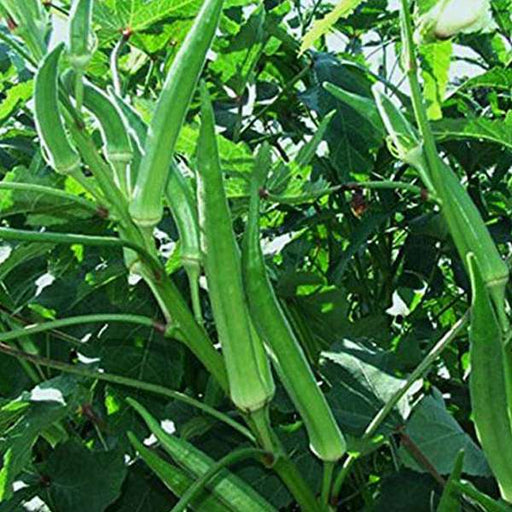
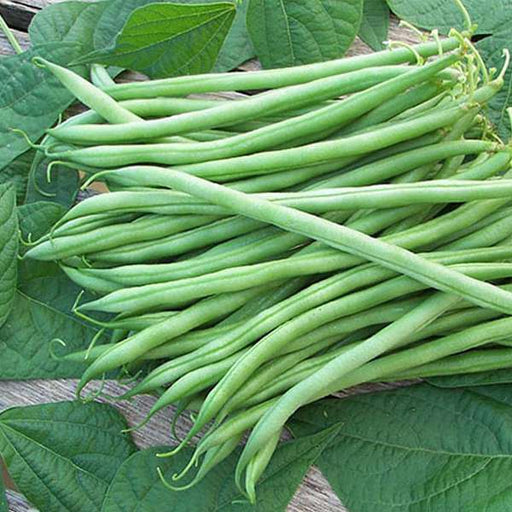
Not recd as per Picture on Website
Available 24/7
Available 24/7
Save 25%
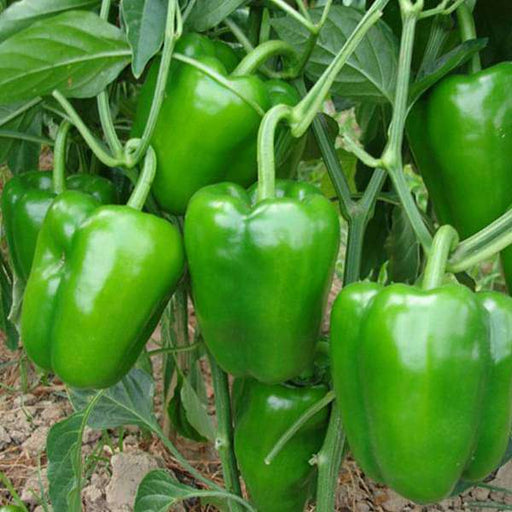
Capsicum Green - Desi Vegetable Seeds Capsicum Green, also known as bell pepper, is a vibrant and nutritious addition to your garden. Thes...
View full details
Save 25%
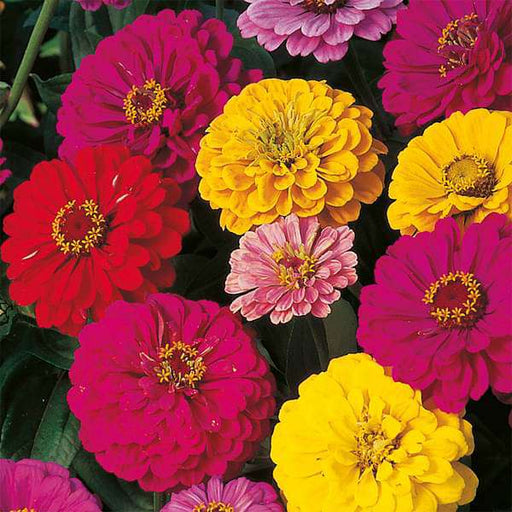
Zinnia Dahlia Mixed Color - Desi Flower Seeds Transform your garden into a vibrant tapestry of colors with our Zinnia Dahlia Mixed Color -...
View full details
Save 25%
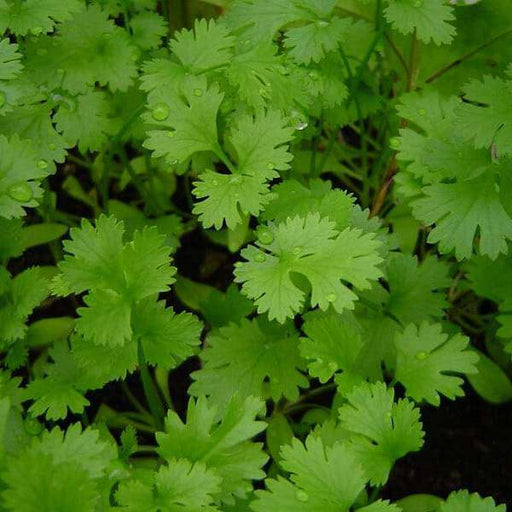
Coriander Panipat - Desi Vegetable Seeds Coriander Panipat is a premium variety of coriander seeds, cherished for its aromatic leaves and ...
View full details
Save 25%
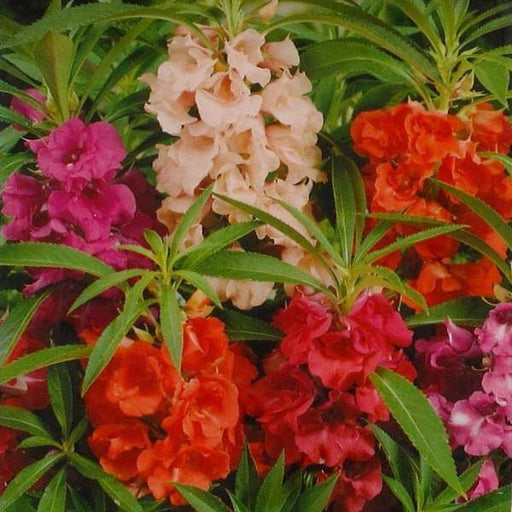
Balsam Double Mixed Color - Desi Flower Seeds Discover the vibrant beauty of Balsam Double Mixed Color - Desi Flower Seeds, a delightful a...
View full details
Save 25%
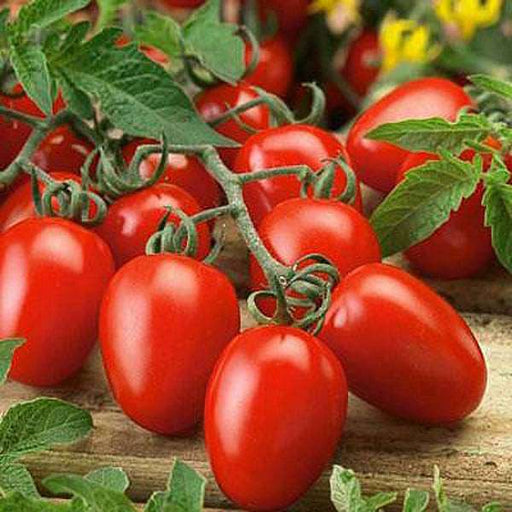
Tomato Pusa Ruby - Desi Vegetable Seeds The Tomato Pusa Ruby is a premium variety of tomato seeds, renowned for its vibrant red color, jui...
View full details
Save 25%
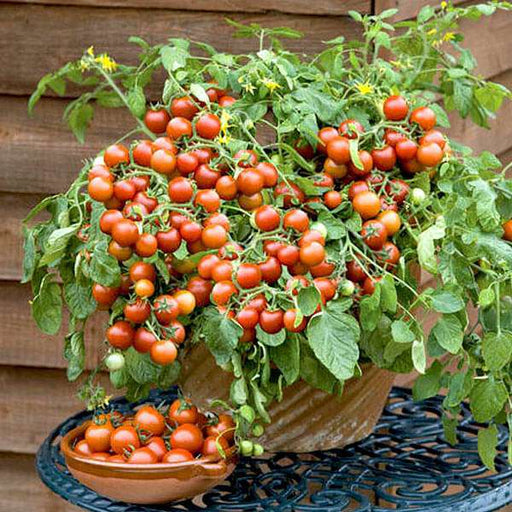
Cherry Tomato, Cherry Tomato Honey - Vegetable Seeds Discover the delightful world of Cherry Tomato Honey seeds, perfect for home gardener...
View full details
Save 25%
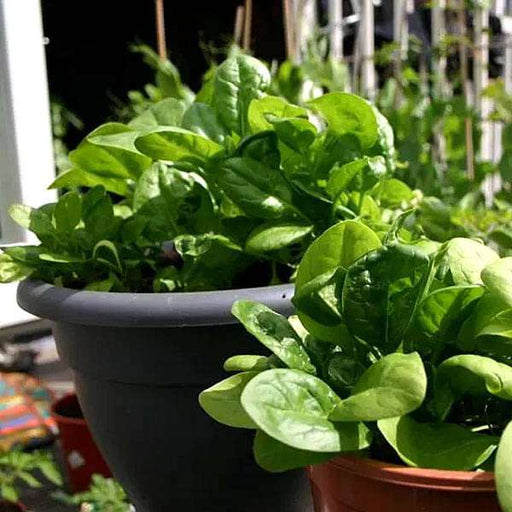
Spinach All Green - Desi Vegetable Seeds Introducing the Spinach All Green - Desi Vegetable Seeds, a premium variety of spinach that thriv...
View full details
Save 35%
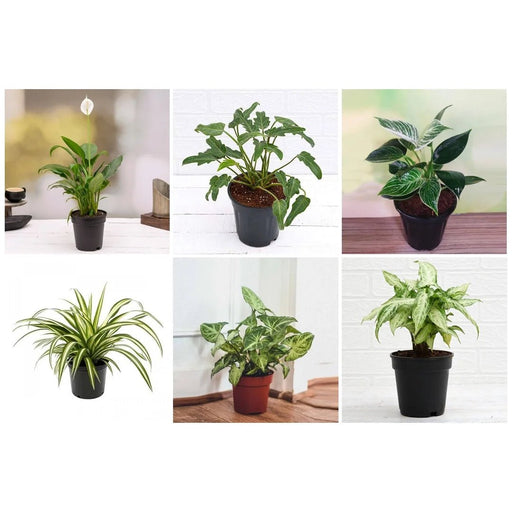
Best 6 Plants for Perfect Indoor Garden Transform your living space into a lush oasis with our curated collection of the Best 6 Plants for a...
View full details
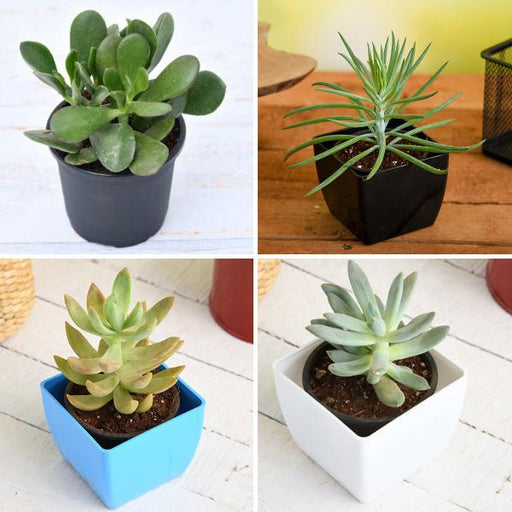
Save up to 50%
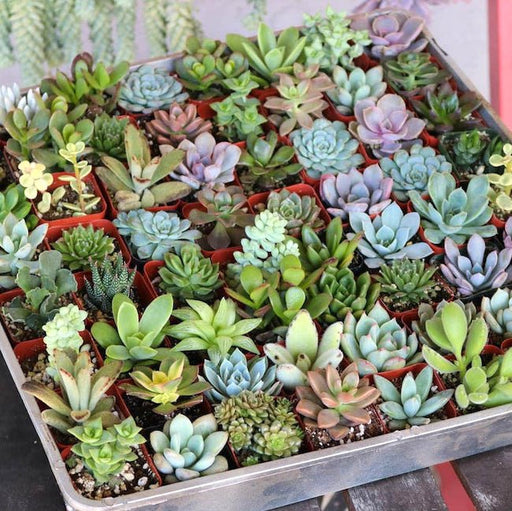
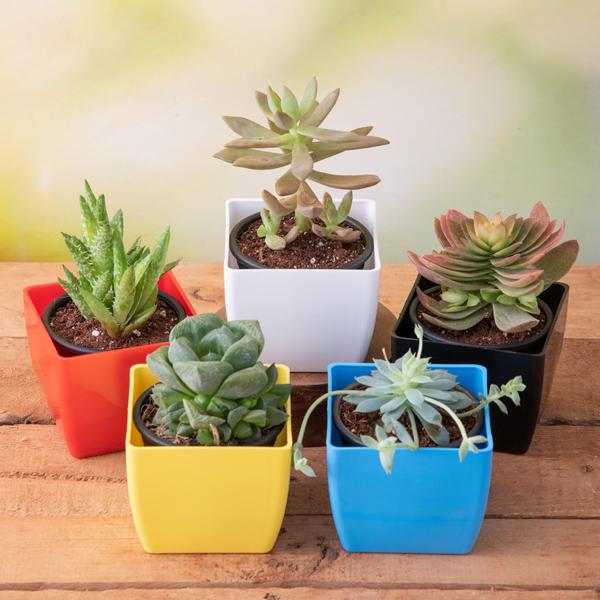
Mini Succulent Garden Pack Transform your space with our Mini Succulent Garden Pack, featuring a delightful collection of 4 any variety beautiful s...
View full details
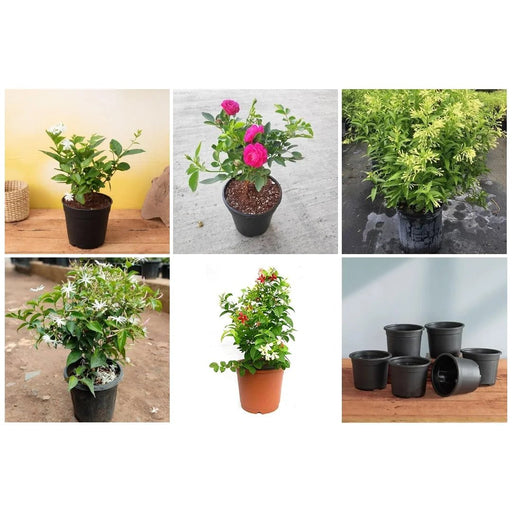
Save 30%
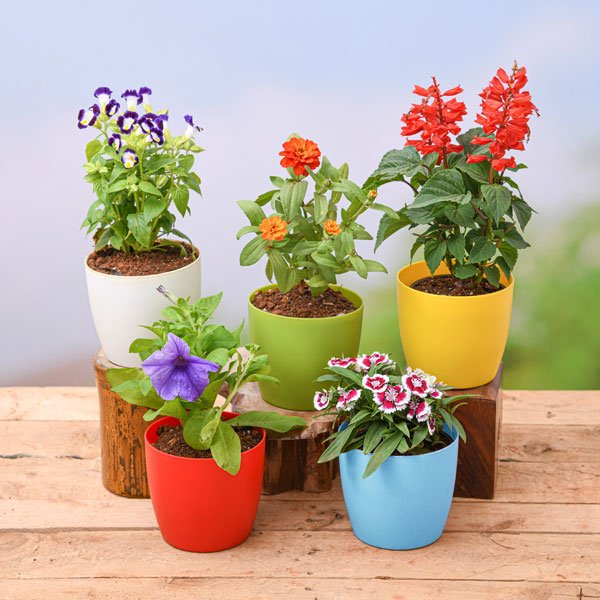
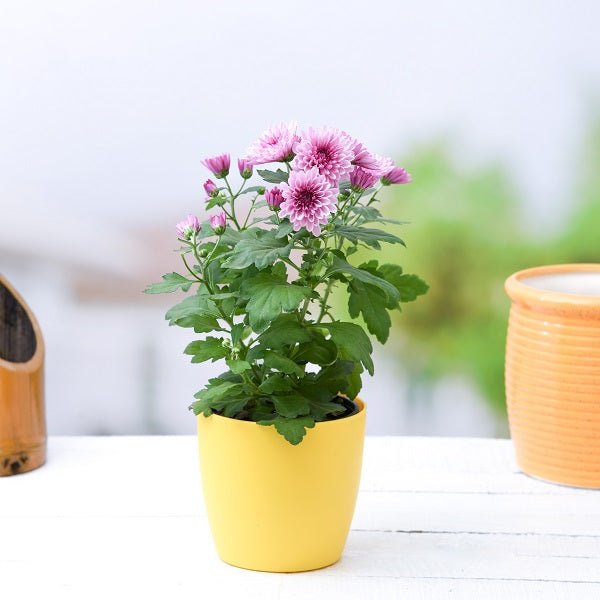
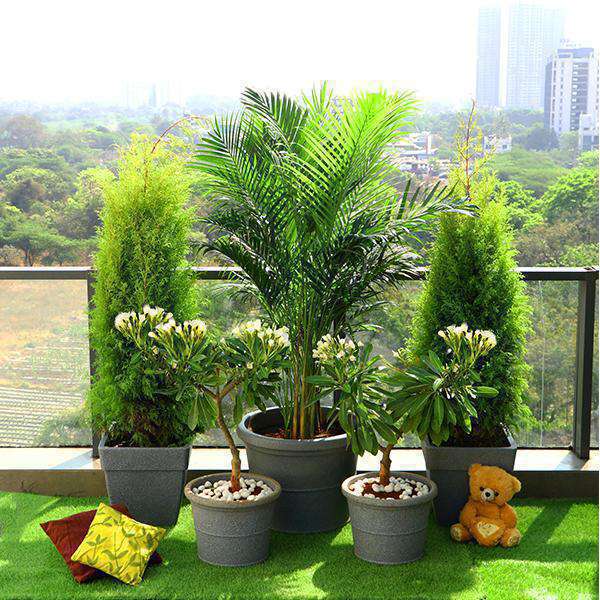
5 Best Fragrant Plants Transform your garden or indoor space into a fragrant paradise with our curated selection of the 5 Best Fragrant Plants. Th...
View full details
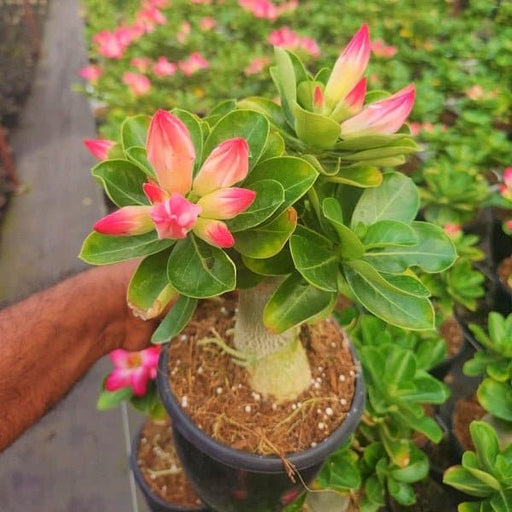
Save 24%
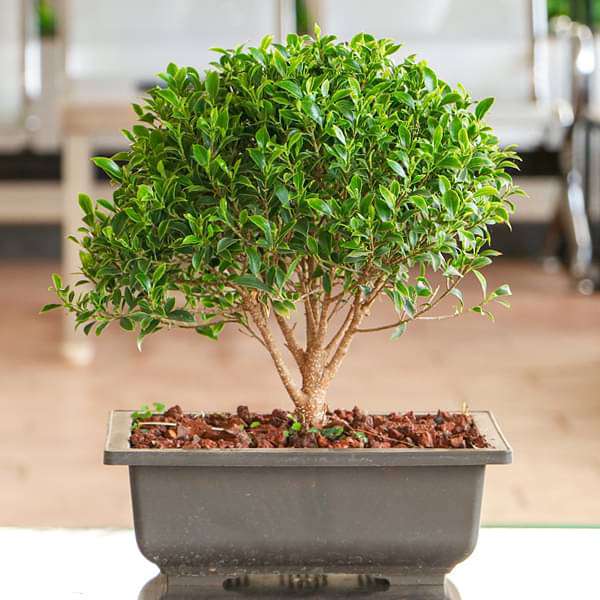
Set of 2 Bonsai Looking Grafted Adeniums Transform your indoor or outdoor space with our exquisite Set of 2 Bonsai Looking Grafted Adenium...
View full details
Save 45%
Top 4 Die Hard Succulents Pack Transform your indoor or outdoor space with our Top 4 Die Hard Succulents Pack, featuring a curated selecti...
View full details
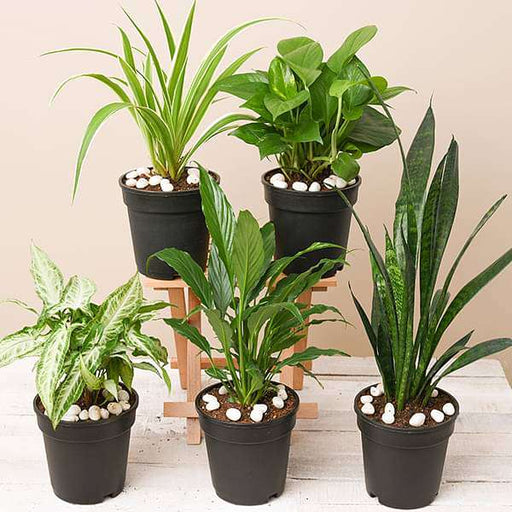
Save 30%
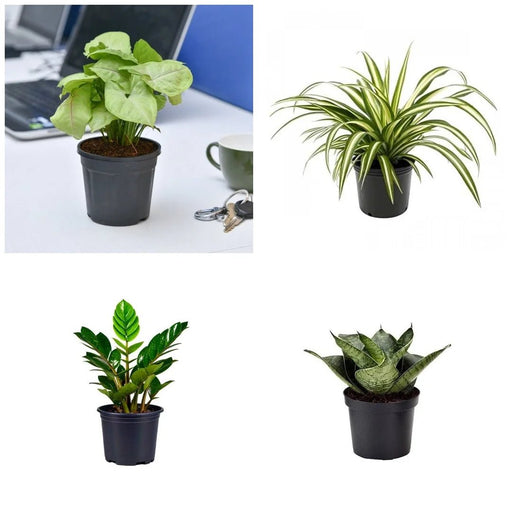
5 Best Indoor Plants Pack Transform your living space into a lush oasis with our '5 Best Indoor Plants Pack.' This carefully curated collection fe...
View full details
Save 25%
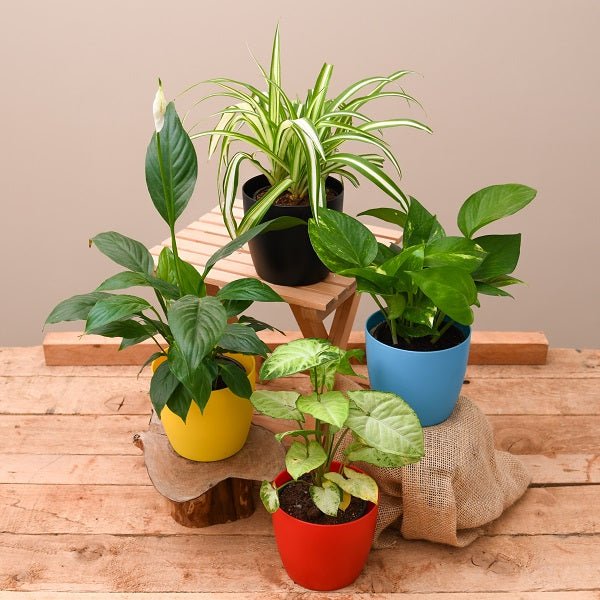
Set of 4 Evergreen Air Purifier Plant Pack Transform your indoor space into a lush, green oasis with our Set of 4 Evergreen Air Purifier Pla...
View full detailsWelcome to our exclusive Rainy Sowing Vegetable Seeds collection, designed for gardeners who thrive in wet conditions. This carefully curated selection features a variety of seeds that flourish during the rainy season, ensuring a bountiful harvest even in the dampest climates. From vibrant greens to hearty root vegetables, our seeds are perfect for both novice and experienced gardeners looking to maximize their yields.
What makes our Rainy Sowing Vegetable Seeds special is their resilience and adaptability. Each seed in this collection has been selected for its ability to thrive in moist soil, making them ideal for rainy weather. With proper care, these vegetables will not only survive but also flourish, providing you with fresh produce throughout the season.
Growing your own vegetables has never been easier! Our collection includes detailed growing instructions, care tips, and fun facts to help you succeed. Whether you're planting in a garden bed or using containers, these seeds will bring life to your rainy days and delicious flavors to your table.
Historically, many cultures have relied on rainy seasons for their agricultural practices. Ancient civilizations, such as the Mayans and Egyptians, developed sophisticated irrigation systems to harness the power of rainwater for crop cultivation. This knowledge has been passed down through generations, emphasizing the importance of adapting to local climate conditions for successful farming.
From an environmental perspective, planting vegetables that thrive in rainy conditions can help reduce soil erosion and improve water retention. These plants contribute to biodiversity and support local ecosystems, making them a sustainable choice for gardeners. By choosing our Rainy Sowing Vegetable Seeds, you are not only enhancing your garden but also promoting a healthier planet.
Rainy season is the perfect time for sowing vegetable seeds. With ample water supply, the seeds can quickly germinate and grow into healthy plants.
Vegetable seeds are the key to growing fresh produce. Choose high-quality seeds for optimal growth and yield.
Proper sowing techniques are essential for successful vegetable gardening. Be sure to follow seed packet instructions for best results.
Good soil is the foundation of a healthy garden. Before sowing vegetable seeds, prepare the soil by adding compost and other nutrients.
Choosing the right seeds is crucial to a successful harvest. Look for seeds that are suited for your climate and growing conditions.
Organic gardening is a popular and sustainable way to grow vegetables. Use natural fertilizers and pesticides to keep your garden healthy and chemical-free.
Companion planting is the practice of planting certain vegetables together to improve growth and deter pests. For example, plant marigolds with your vegetable seeds to repel harmful insects.
If you don't have a lot of outdoor space, container gardening is a great option. Use pots and containers to grow your vegetables on a patio or balcony.
Raised beds are another option for small-space gardening. They provide excellent drainage and can be filled with nutrient-rich soil for optimal growth.
Watering your vegetable garden is essential, especially during the rainy season. Be sure to water at the base of the plants to avoid wetting the leaves.
Pests can wreak havoc on your vegetable garden. Use natural pest control methods, such as companion planting and insecticidal soap, to keep your plants healthy.
Fertilizing your vegetable garden is essential for optimal growth and yield. Use natural fertilizers, such as compost and aged manure, for best results.
Mulching helps retain moisture in the soil and suppress weeds. Use organic materials, such as straw or leaves, for best results.
Crop rotation is the practice of planting different crops in different areas of your garden each year. This helps prevent soil-borne diseases and improves soil health.
Harvest your vegetables at the peak of ripeness for best flavor and nutrition. Be sure to check your plants regularly to avoid overripe or spoiled produce.
Seed saving is the practice of collecting and storing seeds from your vegetable plants for future use. This is a great way to save money and ensure a sustainable garden.
Companion flowers, such as sunflowers and zinnias, can attract beneficial insects and improve the overall health of your vegetable garden.
Weeding is essential for a healthy garden. Remove weeds regularly to prevent competition for nutrients and water.
Proper seed storage is important for maintaining seed viability. Store your vegetable seeds in a cool, dry place for best results.
Cold frames are an excellent way to extend the growing season for your vegetable garden. They provide a protected environment for seedlings and young plants.
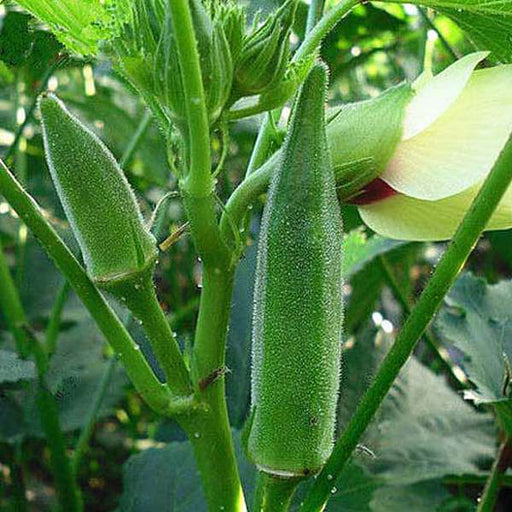
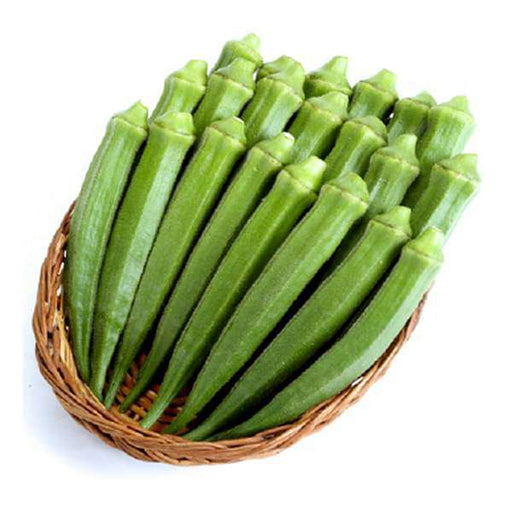
The best vegetables to sow during the rainy season in India are beans, cucumber, pumpkin, okra, and bitter gourd. These vegetables thrive in the humid and moist conditions of the rainy season and can yield a bountiful harvest.
Yes, you can sow seeds directly in the soil during the rainy season, but it is important to ensure that the soil is well-drained to prevent waterlogging. You should also choose seeds that are suitable for direct sowing, such as beans, cucumber, and pumpkin.
You should water your vegetable plants only when necessary during the rainy season. If there is sufficient rainfall, you may not need to water them at all. However, if there is a dry spell, you can water them once or twice a week.
You can protect your vegetable plants from heavy rainfall and strong winds by providing them with support structures such as stakes or cages. You can also cover them with plastic sheeting or a makeshift greenhouse to protect them from the elements.
Yes, you can use compost as a fertilizer during the rainy season, but you should use it sparingly to avoid waterlogging. Compost can help improve soil fertility and structure, which can promote healthy plant growth.
You can prevent fungal diseases in your vegetable plants during the rainy season by ensuring that the soil is well-drained, providing adequate spacing between plants, and avoiding overwatering. You can also apply fungicides as a preventive measure.
Yes, you can grow vegetables in containers during the rainy season, but you should ensure that the containers have adequate drainage to prevent waterlogging. You should also choose containers that are large enough to accommodate the root systems of your chosen vegetables.
You can tell if your vegetable plants are getting too much water during the rainy season if their leaves start to turn yellow or brown, or if the plants become stunted. You may also notice an increase in fungal diseases or pests.
The germination time for vegetable seeds during the rainy season varies depending on the type of seed and the environmental conditions. Generally, seeds can take anywhere from a few days to a few weeks to germinate.
Yes, you can use pesticides during the rainy season, but you should choose pesticides that are specifically formulated for use in wet conditions. You should also follow the instructions carefully to ensure that you are using the pesticide safely and effectively.
You can improve soil drainage during the rainy season by adding organic matter such as compost or well-rotted manure to the soil. You can also create raised beds or mounds to improve drainage.
Yes, you can use mulch during the rainy season, but you should use a lightweight, porous material such as straw or dried leaves. Mulch can help improve soil moisture retention, suppress weed growth, and regulate soil temperature, which can benefit your vegetable plants during the rainy season.
Yes, you can grow leafy vegetables such as spinach, lettuce, and kale during the rainy season, but you should ensure that the soil is well-drained and the plants have adequate ventilation to prevent fungal diseases.
You can prevent pests from attacking your vegetable plants during the rainy season by practicing good garden hygiene, removing any dead or diseased plant material, and using natural pest control methods such as companion planting, insect-repelling plants, or insecticidal soap.
Yes, you can grow vegetables in partial shade during the rainy season, but you should choose shade-tolerant varieties and ensure that the plants receive at least 4-6 hours of sunlight per day. You should also ensure that the soil is well-drained to prevent waterlogging.
You can maintain soil pH during the rainy season by testing the soil regularly and making adjustments as necessary using organic amendments or lime. You should aim for a pH range of 6.0-7.0 for most vegetable crops.
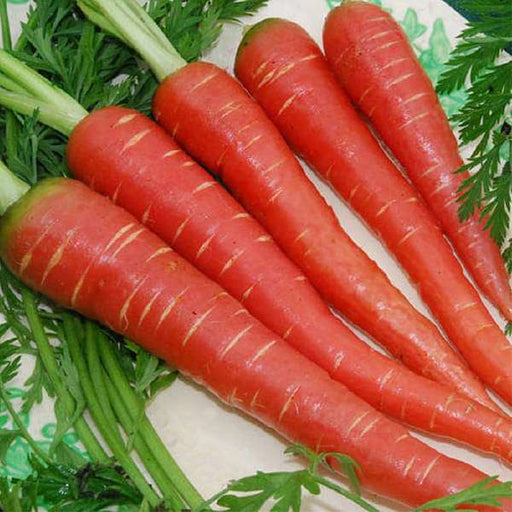
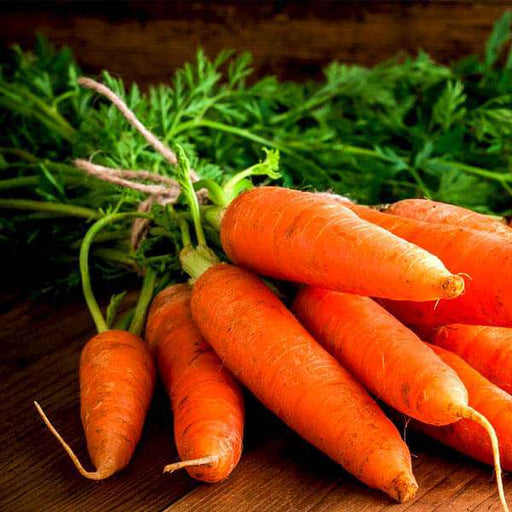
Yes, you can grow root vegetables such as carrots, radishes, and beets during the rainy season, but you should ensure that the soil is well-drained and not too compacted. You may also need to provide additional support to prevent the roots from becoming waterlogged.
You can ensure that your vegetable plants receive adequate nutrients during the rainy season by providing them with a balanced fertilizer that contains nitrogen, phosphorus, and potassium. You should also test the soil regularly to ensure that the pH and nutrient levels are optimal.
Yes, you can use rainwater to water your vegetable plants during the rainy season, and it is actually the best source of water for your plants as it is free from chlorine and other chemicals. However, you should ensure that the rainwater collection system is clean and free from contaminants.
You can extend the growing season for your vegetable plants during the rainy season by providing them with protection from the elements using row covers, cloches, or greenhouses. You can also choose fast-maturing varieties that can yield a harvest in a shorter amount of time.