Skip to content

Sansevieria trifasciata, Snake Plant (var. laurentii) - Plant

Save 17% Save 17%
Original price β‚Ή 479
Original price β‚Ή 479 - Original price β‚Ή 479
Original price β‚Ή 479
Current price β‚Ή 399
β‚Ή 399 - β‚Ή 399
Current price β‚Ή 399

(MRP Inclusive of all taxes)

Availability:
In stock

Why it’s special?

  • Night CO2 air purifier
  • Golden striped leaf variety
  • Bedroom office perfect plant
  • Low light houseplant tolerant

Complete your plant care

  • White Marble Pebbles (1 kg) β‚Ή199
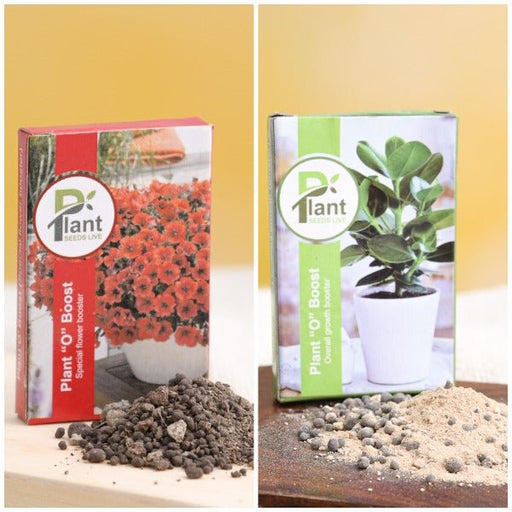
  • Plant O Boost β€” Growth Booster β‚Ή239
  • Garden Essential Plant Care Kit β‚Ή599

Shipping : β‚Ή79 for the entire order

Country of origin: India

Frequently bought together

Total for 0 selected

Sansevieria trifasciata, Snake Plant (var. laurentii)

The Sansevieria trifasciata, commonly known as the Snake Plant or Mother-in-Law's Tongue, is a striking houseplant characterized by its tall, sword-like leaves that feature vibrant green and yellow variegation. This hardy plant is not only visually appealing but also renowned for its air-purifying qualities, making it a perfect addition to any indoor space.

What sets the Snake Plant apart is its remarkable resilience and low maintenance requirements. It thrives in a variety of lighting conditions, from low light to bright indirect sunlight, and can tolerate neglect, making it ideal for both novice and experienced plant enthusiasts.

Special features of the Snake Plant include its ability to convert CO2 into oxygen at night, contributing to improved indoor air quality. Additionally, it is known for its drought resistance, requiring minimal watering, which makes it an eco-friendly choice for sustainable living.

Growing Instructions:

  • Light: Prefers indirect sunlight but can tolerate low light.
  • Soil: Use well-draining potting mix, ideally a cactus or succulent blend.
  • Temperature: Thrives in temperatures between 60Β°F to 80Β°F (15Β°C to 27Β°C).
  • Propagation: Can be propagated through leaf cuttings or division.

Care Instructions:

  • Watering: Allow the soil to dry out completely between waterings; typically every 2-6 weeks.
  • Humidity: Prefers low to moderate humidity; avoid overly humid environments.
  • Fertilization: Fertilize sparingly during the growing season (spring and summer) with a balanced houseplant fertilizer.
  • Pests: Watch for common pests like spider mites and mealybugs; treat with insecticidal soap if necessary.

Uses:

  • Air Purification: Known to filter toxins such as formaldehyde and benzene from the air.
  • Decorative: Adds a modern touch to home decor, suitable for any room.
  • Gift: A thoughtful gift for plant lovers or as a housewarming present.

Fun Facts:

  • The Snake Plant is one of the few plants that can convert CO2 into oxygen at night, making it ideal for bedrooms.
  • Historically, it has been used in traditional medicine for its purported healing properties.
  • It is considered a symbol of good luck and prosperity in many cultures.

Trending Collections

Sansevieria trifasciata

Ah, the illustrious Sansevieria trifasciata, also known as the snake plant, is the ultimate houseplant diva. With its striking, sword-like leaves and a penchant for low maintenance, it’s the perfect companion for those who want greenery without the fuss. This plant thrives on neglect, making it the ideal choice for the forgetful gardener.

Snake Plant Care

Caring for your snake plant is as easy as pieβ€”if pie were a succulent that needed minimal water and indirect sunlight. Just remember, less is more! Overwatering is the only thing that can turn this resilient beauty into a sad, soggy mess. So, give it a drink only when the soil is bone dry, and watch it thrive like the superstar it is.

Indoor Air Purifier

Did you know that the snake plant is a champion air purifier? It’s like having a tiny environmental superhero in your living room. This plant absorbs toxins and releases oxygen, making your home feel fresher than a spring morning. So, if you want to breathe easy and impress your guests, this green wonder is your go-to.

Variegated Snake Plant

The variegated snake plant, or var. laurentii, is the fashionista of the Sansevieria family. With its bold yellow edges and striking green center, it’s like the plant equivalent of a designer handbag. It adds a pop of color to any space and is sure to turn headsβ€”just don’t let it catch too much direct sunlight, or it might get a little too crispy.

Low Light Tolerance

If you’re living in a cave or just have a penchant for dimly lit rooms, fear not! The snake plant thrives in low light conditions, making it the perfect plant for those who prefer a moody ambiance. It’s like the introverted friend who’s perfectly content to hang out in the shadows while still looking fabulous.

Watering Needs

The watering needs of the snake plant are as simple as they come. This plant is a true minimalist, requiring water only when the soil is completely dry. So, if you’re the type who forgets to water your plants, the snake plant will be your best friend. Just remember, drowning is not a good look for this beauty.

Propagation Tips

Want to expand your snake plant empire? Propagation is a breeze! Simply cut a leaf into sections and let them callous over before planting them in soil. It’s like giving your plant a chance to have mini-me’s without the drama of a reality show. Soon enough, you’ll have a whole family of snake plants to show off.

Pest Resistance

The snake plant is like the bouncer of the plant worldβ€”pests just can’t get in! Its tough, waxy leaves deter most common houseplant pests, making it a low-maintenance option for those who want to avoid the drama of infestations. So, sit back, relax, and let your snake plant do the heavy lifting.

Decorative Appeal

With its sleek, architectural form, the snake plant is a showstopper in any decor. Whether you place it in a modern pot or a rustic basket, it adds a touch of elegance and sophistication. It’s the kind of plant that makes your home feel like a chic boutique, even if you just got it from the local garden center.

Toxicity to Pets

While the snake plant is a fabulous addition to your home, it’s not the best roommate for your furry friends. It’s mildly toxic to cats and dogs, so keep it out of their reach. Think of it as a plant with a bit of an attitudeβ€”great for humans, but not so much for pets.

Growth Rate

The growth rate of the snake plant is like a slow-burning romanceβ€”steady and reliable. It may not grow at lightning speed, but it will reward your patience with beautiful, tall leaves that can reach impressive heights. So, if you’re looking for a plant that won’t rush into things, this is the one for you.

Feng Shui Benefits

In the world of Feng Shui, the snake plant is considered a symbol of protection and good luck. It’s believed to ward off negative energy and promote a sense of calm in your space. So, if you’re looking to create a harmonious environment, this plant is not just a pretty face; it’s a spiritual ally too.

Save 40% with Gardening Solutions

You may also need

View All

Plant care & growing guide

Snake plant is a famously tough, drought-tolerant houseplant with striking golden-striped leaves. Perfect for beginners, it purifies air at night and thrives in low-light conditions.

Light
Bright indirect natural or artificial light is ideal, though it tolerates low light remarkably well. Avoid direct harsh afternoon sun which may scorch leaves.
Water
Poke your finger 3-4 inches into soil to check moisture; water only when topsoil feels dry to touch. Reduce watering in winter and monsoon to prevent root rot.
Soil & Feeding
Use well-draining, fertile soil rich in organic matter. Apply organic fertilizer during the growing season (spring-summer).
Temperature & Humidity
Grows well between 12–29Β°C, making it ideal for most of India. Prefers dry to moderate humidity; avoid wet, humid conditions that invite rot.
Common Problems
Root rot from overwatering is the primary concern with this succulent. Always ensure pots have drainage holes and never let water accumulate at the base.
Pro Tips
Excellent air-purifier for bedrooms and offices. Propagates easily and extremely low-maintenance. Perfect for busy plant parents and those new to houseplants.

Frequently asked questions

What is Sansevieria trifasciata, Snake Plant (var. laurentii)?
Ah, the illustrious Sansevieria trifasciata, also known as the Snake Plant! This green marvel boasts striking, sword-like leaves with a charming yellow edge. It's the perfect houseplant for those who want to impress their friends without breaking a sweat in plant care. Low maintenance and high styleβ€”what's not to love?
How do I care for my Snake Plant?
Caring for your Snake Plant is as easy as pie! Just give it bright, indirect light and let the soil dry out between waterings. Overwatering is the enemy here, so channel your inner minimalist. With a little love and neglect, your Snake Plant will thrive and become the envy of your plant-loving pals.
Is the Snake Plant pet-friendly?
Good news for pet parents! The Snake Plant is mildly toxic to pets, but don’t panic. A nibble here and there won’t send them to the vet, but it’s best to keep it out of reach. Think of it as a plant with a bit of an attitudeβ€”stylish but slightly sassy!
How often should I water my Snake Plant?
Watering your Snake Plant is like a game of hide and seekβ€”less is more! Aim for every 2-6 weeks, depending on the season. In winter, let it hibernate a bit longer. Just remember, if the leaves start to droop, it’s not a cry for help; it’s just thirsty!
What are the benefits of having a Snake Plant?
The Snake Plant is not just a pretty face! It purifies the air by filtering toxins and releases oxygen at night. It’s like having a mini air purifier that also doubles as a stylish decor piece. Who knew a plant could be both a health guru and a fashion icon?
Can I propagate my Snake Plant?
Absolutely! Propagating your Snake Plant is as easy as pieβ€”just slice a leaf into sections and let them callus for a day. Then, pop them in soil and watch them grow into new plants. It’s like giving birth to mini versions of your leafy friend, minus the labor pains!
What pests should I watch out for?
While the Snake Plant is tough, it’s not invincible! Watch out for pesky pests like spider mites and mealybugs. If they crash the party, a gentle wipe with soapy water or neem oil will send them packing. Your Snake Plant deserves a pest-free life, after all!
How do I repot my Snake Plant?
Repotting your Snake Plant is a breeze! Choose a pot that’s one size larger and fill it with well-draining soil. Gently remove the plant, shake off excess soil, and place it in its new home. Voila! Your Snake Plant is ready to stretch its roots and show off its new digs.
What is the ideal temperature for a Snake Plant?
Your Snake Plant is a bit of a diva when it comes to temperature! It thrives in a cozy range of 60Β°F to 80Β°F (15Β°C to 27Β°C). Avoid extreme cold or heat, as it can throw a tantrum. Keep it comfy, and it’ll reward you with its stunning foliage!
Can Snake Plants grow in low light?
Yes, indeed! The Snake Plant is the ultimate low-light champion. It can survive in dim corners where other plants fear to tread. Just remember, while it can tolerate low light, it prefers a bit of brightness to truly shine. It’s like a star that needs a spotlight now and then!
How long do Snake Plants live?
With proper care, your Snake Plant can live for decadesβ€”talk about a long-term commitment! Some even claim their Snake Plants have outlived their owners. So, if you’re looking for a plant that’s in it for the long haul, the Snake Plant is your green soulmate!
Why is my Snake Plant turning yellow?
If your Snake Plant is turning yellow, it’s waving a little flag of distress! This could be due to overwatering, poor drainage, or too much direct sunlight. Assess its environment and adjust accordingly. Remember, a happy Snake Plant is a vibrant one, so give it the TLC it deserves!
Fully-Grown Plants

Nursery-mature, not 4-inch saplings

Next-Day Delivery

At your door tomorrow β€” not a 4–7 day wait

Nursery-Fresh

Ready to flourish, no growing-in

Lowest Prices

Straight from local growers