Not recd as per Picture on Website
Available 24/7
Available 24/7
Save 25%
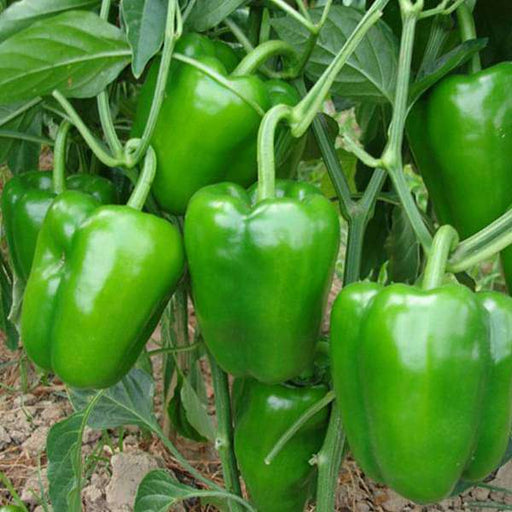
Capsicum Green - Desi Vegetable Seeds Capsicum Green, also known as bell pepper, is a vibrant and nutritious addition to your garden. Thes...
View full details
Save 25%
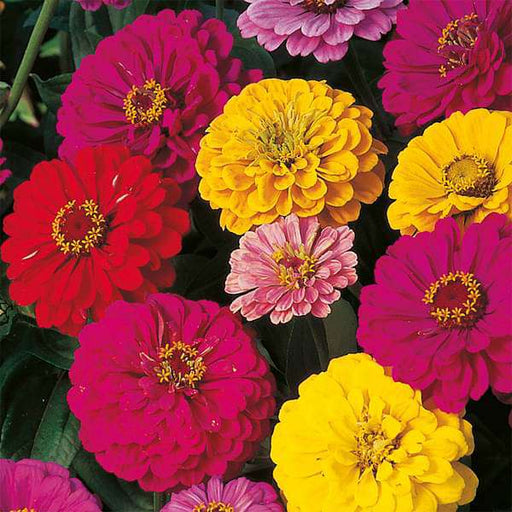
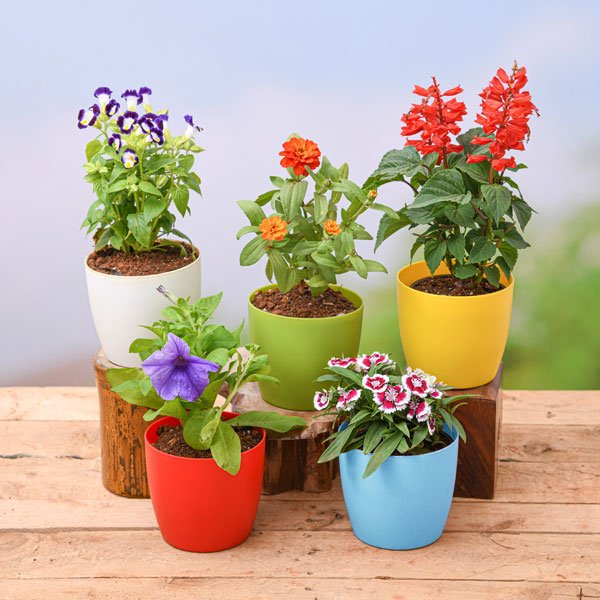
Zinnia Dahlia Mixed Color - Desi Flower Seeds Transform your garden into a vibrant tapestry of colors with our Zinnia Dahlia Mixed Color -...
View full details
Save 25%
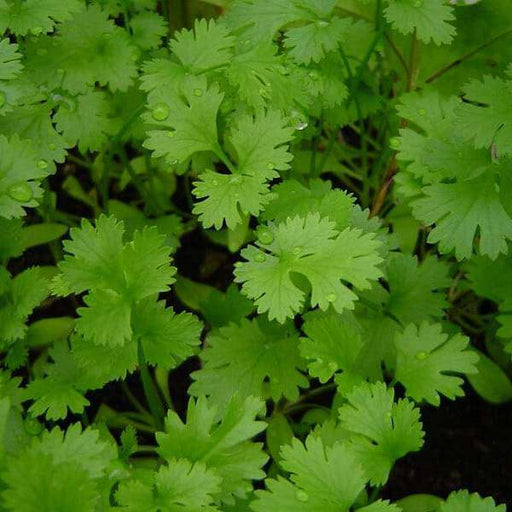
Coriander Panipat - Desi Vegetable Seeds Coriander Panipat is a premium variety of coriander seeds, cherished for its aromatic leaves and ...
View full details
Save 25%
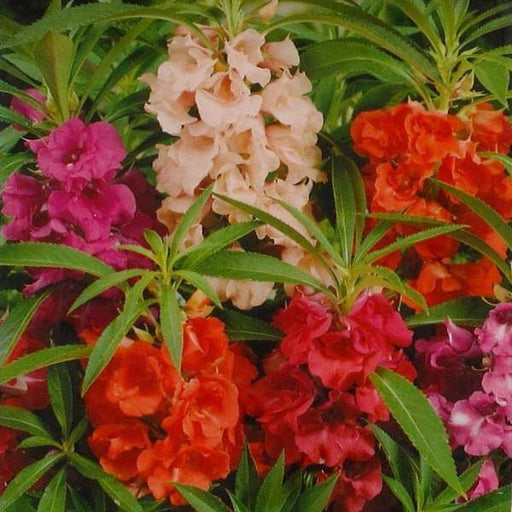
Balsam Double Mixed Color - Desi Flower Seeds Discover the vibrant beauty of Balsam Double Mixed Color - Desi Flower Seeds, a delightful a...
View full details
Save 25%
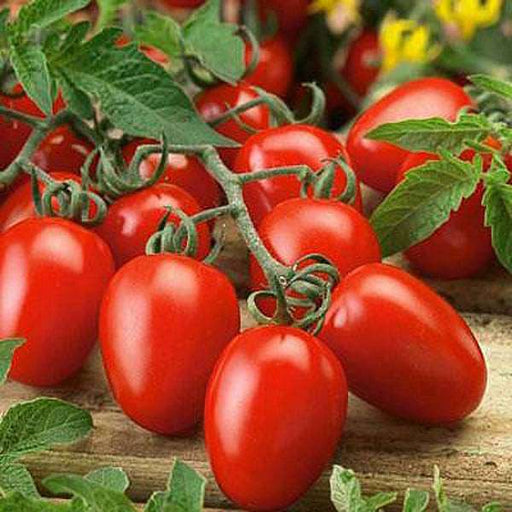
Tomato Pusa Ruby - Desi Vegetable Seeds The Tomato Pusa Ruby is a premium variety of tomato seeds, renowned for its vibrant red color, jui...
View full details
Save 25%
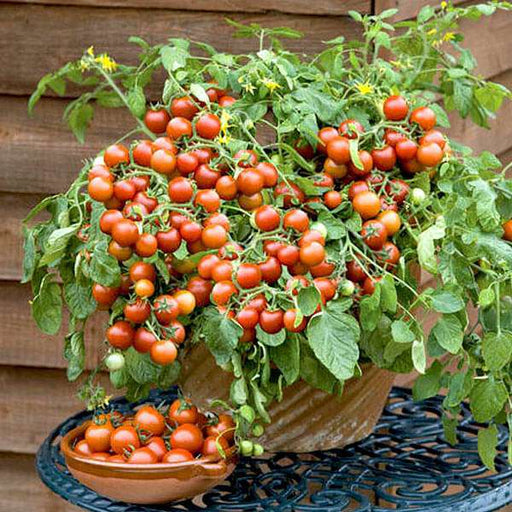
Cherry Tomato, Cherry Tomato Honey - Vegetable Seeds Discover the delightful world of Cherry Tomato Honey seeds, perfect for home gardener...
View full details
Save 25%
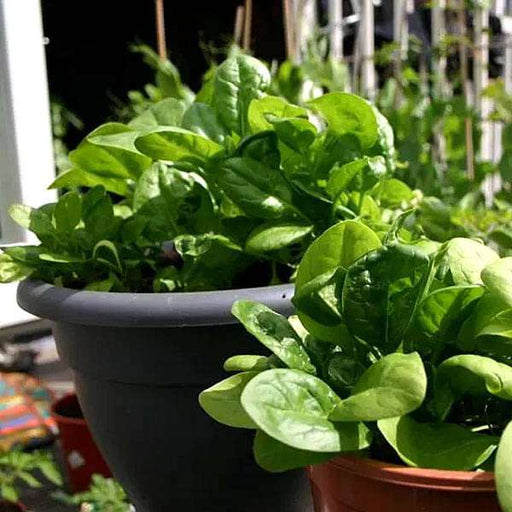
Spinach All Green - Desi Vegetable Seeds Introducing the Spinach All Green - Desi Vegetable Seeds, a premium variety of spinach that thriv...
View full details
Save 35%
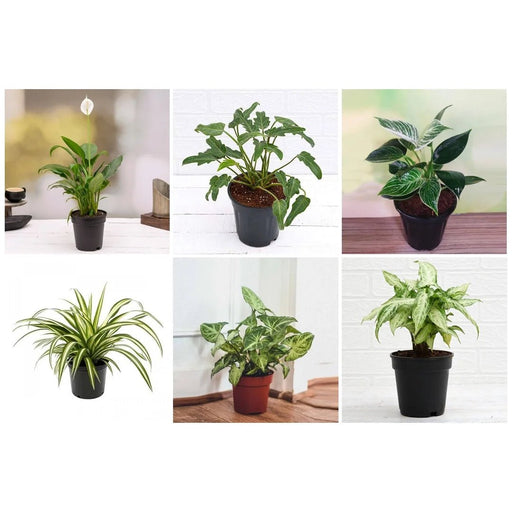
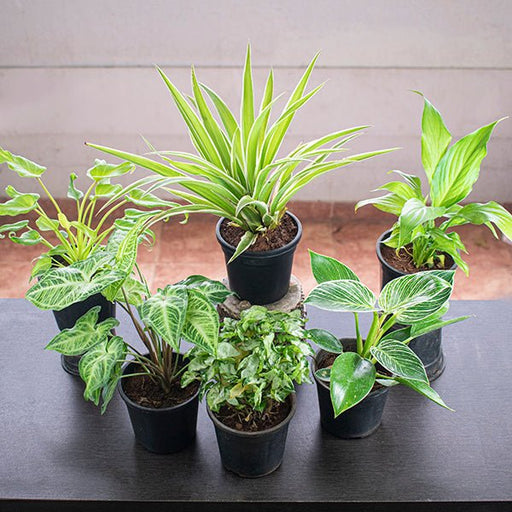
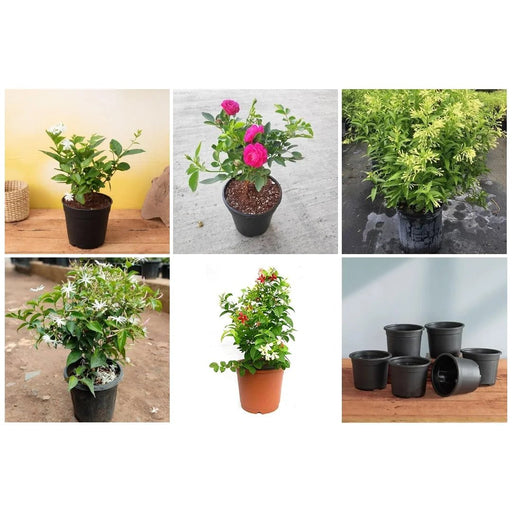
Best 6 Plants for Perfect Indoor Garden Transform your living space into a lush oasis with our curated collection of the Best 6 Plants for a...
View full details
Save up to 50%
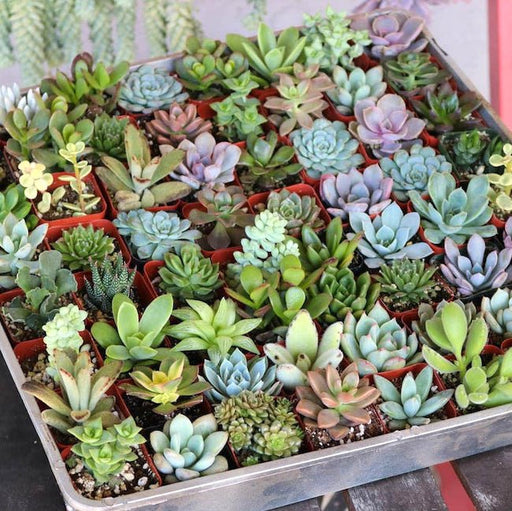
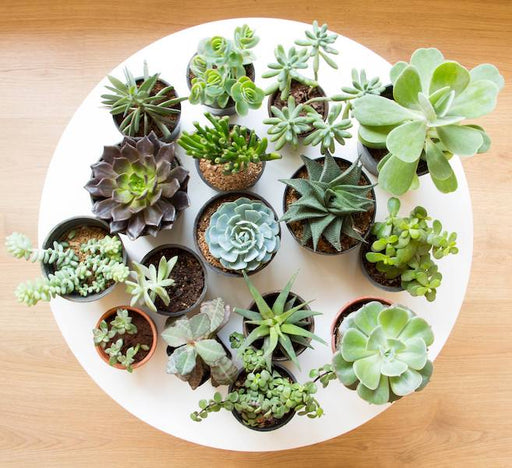
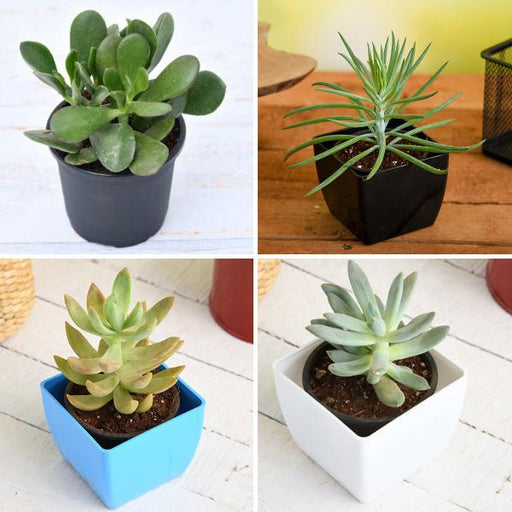
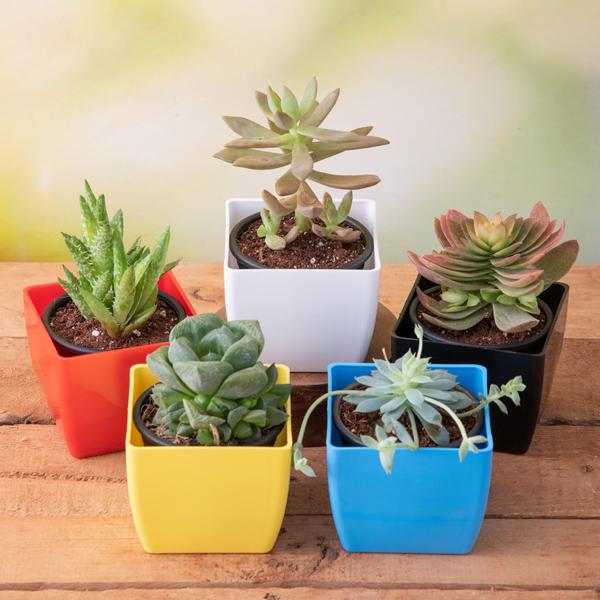
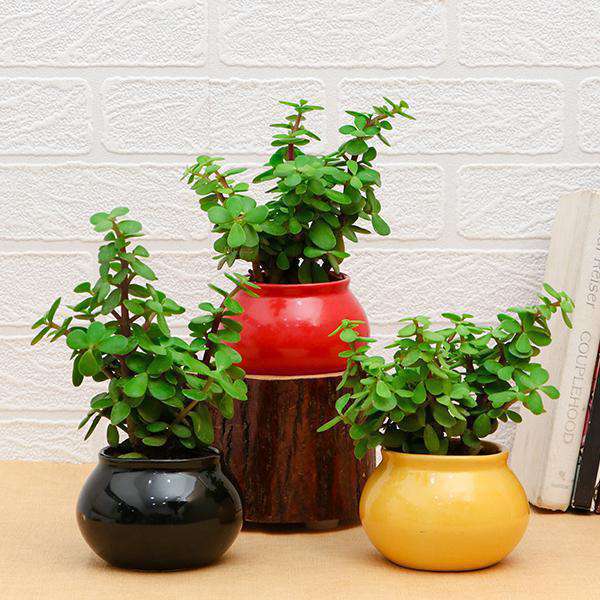
Mini Succulent Garden Pack Transform your space with our Mini Succulent Garden Pack, featuring a delightful collection of 4 any variety beautiful s...
View full details
Save 30%
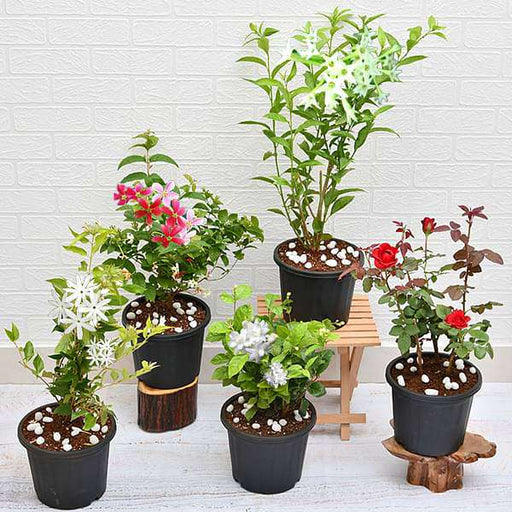
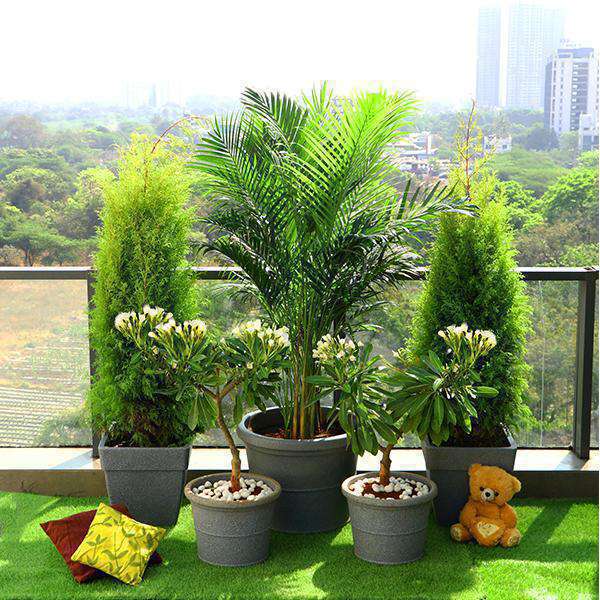
5 Best Fragrant Plants Transform your garden or indoor space into a fragrant paradise with our curated selection of the 5 Best Fragrant Plants. Th...
View full details
Save 24%
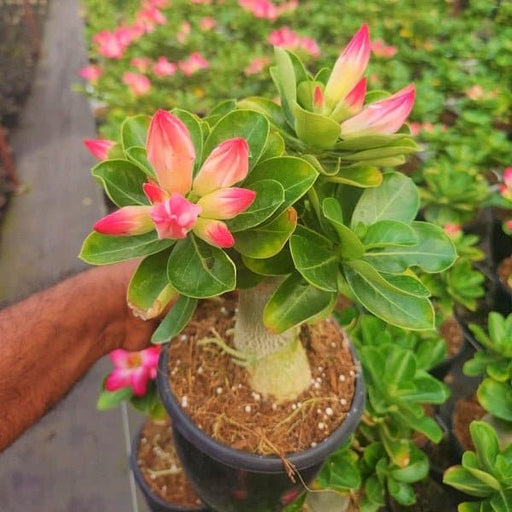
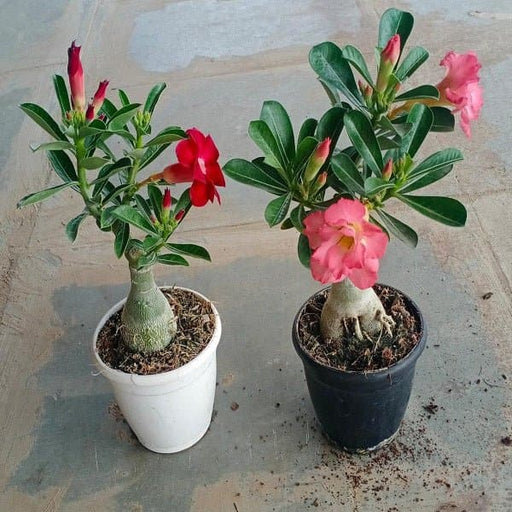
Set of 2 Bonsai Looking Grafted Adeniums Transform your indoor or outdoor space with our exquisite Set of 2 Bonsai Looking Grafted Adenium...
View full details
Save 45%
Top 4 Die Hard Succulents Pack Transform your indoor or outdoor space with our Top 4 Die Hard Succulents Pack, featuring a curated selecti...
View full details
Save 30%
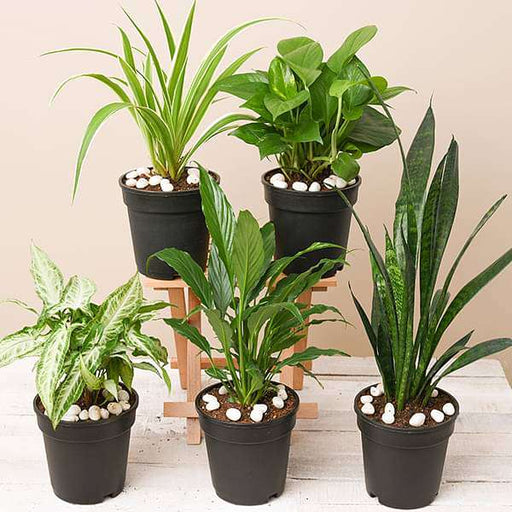
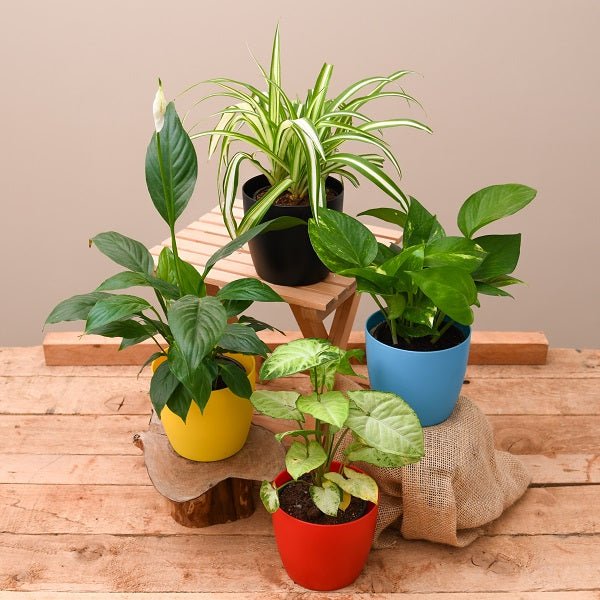
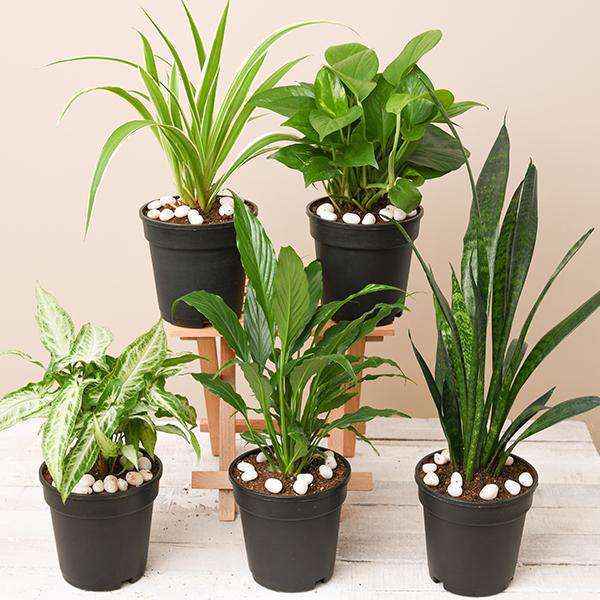
5 Best Indoor Plants Pack Transform your living space into a lush oasis with our '5 Best Indoor Plants Pack.' This carefully curated collection fe...
View full details
Save 25%
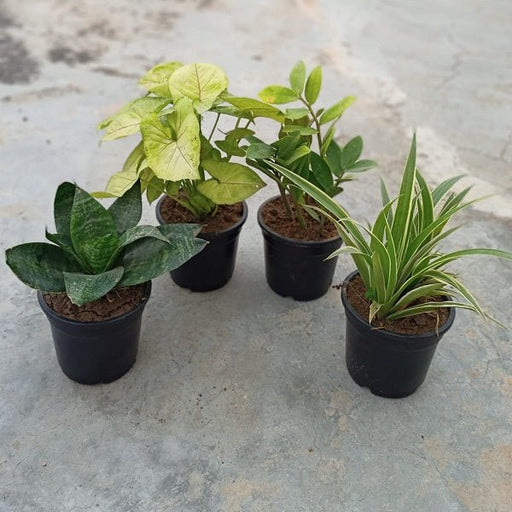
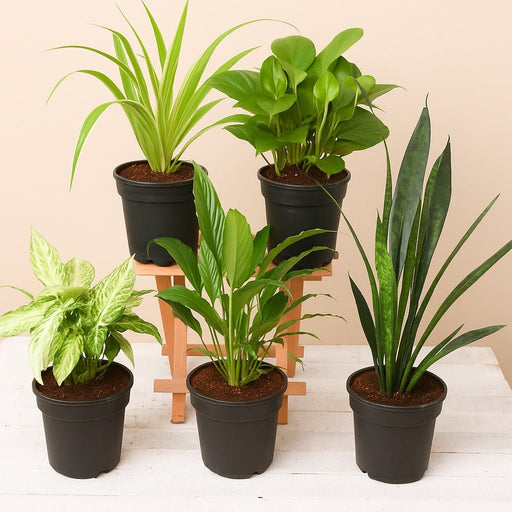
Set of 4 Evergreen Air Purifier Plant Pack Transform your indoor space into a lush, green oasis with our Set of 4 Evergreen Air Purifier Pla...
View full detailsDiscover the rich flavors and vibrant colors of our Heirloom Vegetable Seeds collection. Each seed variety in this collection has been carefully selected for its unique taste, historical significance, and ability to thrive in diverse growing conditions. Heirloom vegetables are open-pollinated, meaning they can be saved and replanted year after year, making them a sustainable choice for any garden enthusiast.
What makes heirloom seeds special is their genetic diversity and the stories they carry. Many of these varieties have been passed down through generations, preserving not only their unique characteristics but also the agricultural heritage of our ancestors. By choosing heirloom seeds, you are not just growing vegetables; you are participating in a legacy of biodiversity and sustainability.
Growing heirloom vegetables is a rewarding experience that connects you to the earth and its history. With proper care, these seeds can produce bountiful harvests that are perfect for fresh eating, canning, or sharing with friends and family. Explore our collection and start your journey towards a more flavorful and sustainable garden today!
Heirloom vegetables are not just a gardening choice; they are a commitment to preserving agricultural history. Many heirloom varieties were developed before the advent of modern hybridization, making them a vital part of our food heritage. For instance, the 'Brandywine' tomato, known for its exceptional flavor, dates back to the 1880s and has become a favorite among gardeners and chefs alike.
From an environmental perspective, growing heirloom vegetables contributes to biodiversity, which is crucial for ecosystem resilience. By cultivating a variety of heirloom seeds, gardeners can help maintain genetic diversity in our food systems, making them more adaptable to changing climates and pest pressures. This not only benefits individual gardens but also supports the health of our planet.
Open pollinated seeds are seeds that are pollinated naturally, by wind, insects, or other natural means. These seeds produce plants that are genetically diverse and adapted to local conditions.
Non-GMO seeds are seeds that have not been genetically modified. They are a great choice for those who are concerned about the environmental and health impacts of GMOs.
Organic seeds are seeds that have been produced without the use of synthetic pesticides, fertilizers, or other chemicals. They are a great choice for those who want to grow vegetables that are free from harmful chemicals.
Rare seeds are seeds that are hard to find or have a limited supply. They are often heirloom varieties that have been passed down through generations of gardeners.
Non-hybrid seeds are seeds that are not a cross between two different varieties. They produce plants that are true to the parent plant, and are a great choice for those who want to save their own seeds.
Open-pollinated heirloom seeds are seeds that are both open-pollinated and heirloom varieties. They are a great choice for those who want to grow traditional, old-fashioned vegetables.
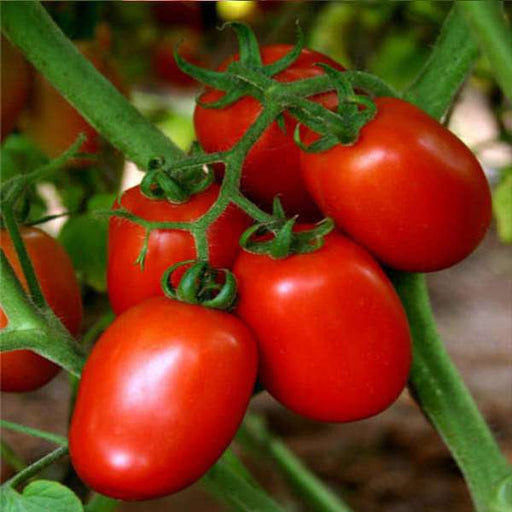
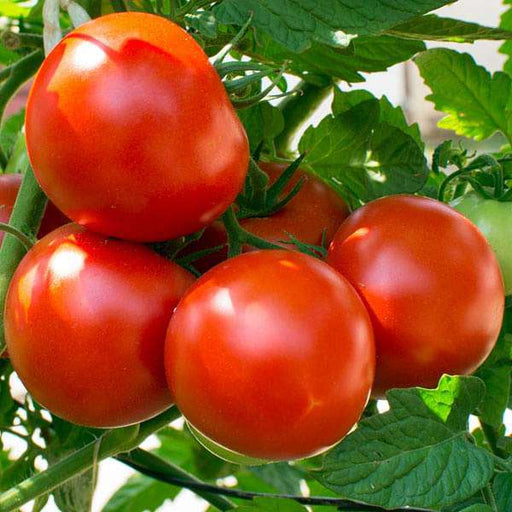
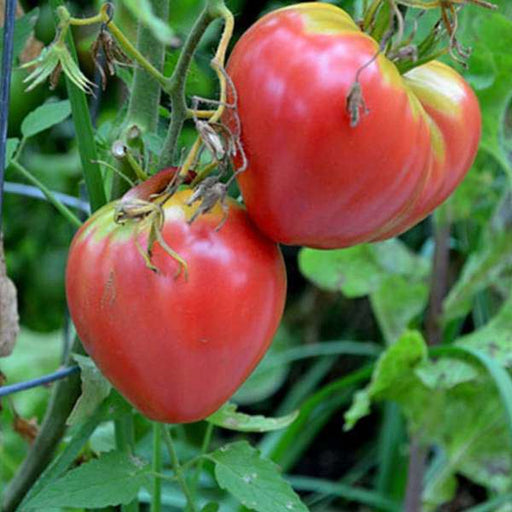
Heirloom tomato seeds are some of the most popular heirloom seeds. They come in a wide range of colors, sizes, and shapes, and are known for their rich, complex flavors.
Heirloom pepper seeds are another popular choice for those who want to grow unique and flavorful vegetables. They come in a variety of colors and heat levels, from mild to super hot.
Heirloom bean seeds are a great choice for those who want to grow flavorful, nutrient-rich beans. They come in a variety of colors and shapes, and are easy to grow in the garden.
Heirloom carrot seeds are a great choice for those who want to grow sweet and flavorful carrots. They come in a variety of colors and shapes, from purple to white to yellow.
Heirloom cucumber seeds are a great choice for those who want to grow crunchy, flavorful cucumbers. They come in a variety of shapes and sizes, from pickling cucumbers to long, slender slicing cucumbers.
Heirloom squash seeds are a great choice for those who want to grow flavorful and unique varieties of squash. They come in a variety of shapes and sizes, from small, tender pattypan squash to large, meaty winter squashes.
Heirloom melon seeds are a great choice for those who want to grow sweet, juicy melons with complex flavors. They come in a variety of shapes and sizes, from small, round cantaloupes to long, oblong watermelons.
Heirloom lettuce seeds are a great choice for those who want to grow flavorful and nutritious lettuce varieties. They come in a variety of colors and shapes, from small, tender butterheads to large, crisp romaine lettuce.
Heirloom radish seeds are a great choice for those who want to grow spicy and flavorful radishes. They come in a variety of colors and shapes, from small, round cherry belle radishes to long, slender French breakfast radishes.
Organic heirloom vegetable seeds are non-genetically modified and are grown without the use of synthetic pesticides, fertilizers, or herbicides. They are popular among those who prefer to eat organic produce and want to grow their own vegetables at home. These seeds have been passed down from generation to generation and are a great way to preserve the genetic diversity of vegetables.
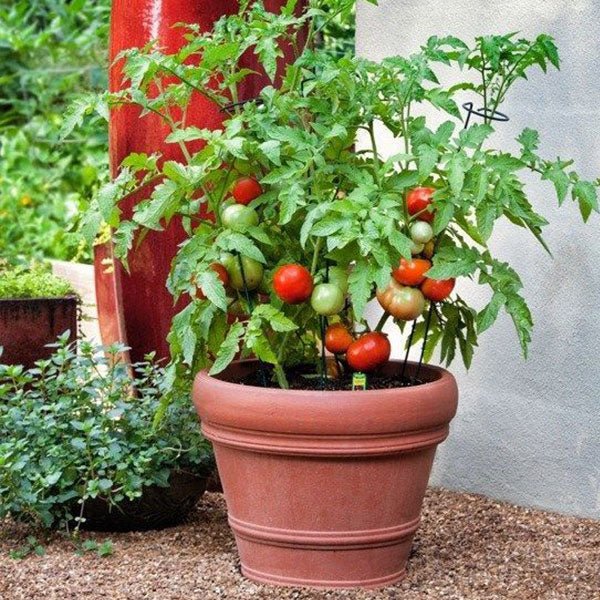
Heirloom tomato seeds are a popular choice among gardeners who want to grow their own tomatoes. They are open-pollinated and come in a wide variety of shapes, sizes, and colors. They have a rich flavor and are often used in salads, sandwiches, and sauces. Heirloom tomato seeds are a great way to add some color and flavor to your garden.
Rare heirloom vegetable seeds are a great way to add some variety to your garden. These seeds are often hard to find and are typically only available from small seed companies or specialty nurseries. They are a great way to grow vegetables that you may not be able to find in your local grocery store.
Heirloom herb seeds are a great way to add some flavor to your garden. They are open-pollinated and come in a wide variety of flavors and aromas. Some popular heirloom herbs include basil, parsley, thyme, and oregano. They are often used in cooking and can be dried and stored for later use.
Heirloom flower seeds are a great way to add some color and beauty to your garden. They come in a wide variety of colors and sizes and are often grown for their beauty and fragrance. Some popular heirloom flowers include sunflowers, zinnias, and marigolds. They are a great way to attract pollinators to your garden and can also be used in flower arrangements.
Heirloom vegetable seeds are seeds that have been passed down from generation to generation, often within a specific region or community. They are typically open-pollinated and have not been genetically modified. Heirloom vegetables are known for their unique flavors, colors, and shapes.
Heirloom seeds are open-pollinated and have been passed down for generations, while hybrid seeds are a cross between two different plant varieties. Heirloom seeds are typically more genetically diverse and offer a wider range of flavors and characteristics.
Heirloom vegetable seeds should be stored in a cool, dry place, such as a refrigerator or a seed vault. It is important to keep them away from moisture and direct sunlight, as this can damage the seeds.
Heirloom vegetable seeds can last for several years if stored properly. However, the germination rate may decrease over time, so it is recommended to plant them within 2-3 years.
Yes, heirloom vegetable seeds can be grown in containers as long as they have enough space to grow and proper drainage.
Some popular heirloom vegetable varieties include Cherokee Purple tomatoes, Scarlet Nantes carrots, and Boston Pickling cucumbers.
Heirloom vegetable seeds should be planted according to the instructions on the seed packet. They typically need to be planted in well-draining soil and should be watered regularly.
Yes, heirloom vegetables are open-pollinated and their seeds can be saved for future planting. It is important to make sure the seeds are properly stored to ensure their viability.
Heirloom vegetables are known for their unique flavors and characteristics, and can be a great way to connect with local history and traditions. They also offer more genetic diversity than hybrid varieties.
Heirloom vegetables are typically grown using sustainable farming practices, which can benefit the environment by reducing the use of synthetic pesticides and fertilizers.
Yes, heirloom vegetables can be grown in small spaces such as containers or raised beds. Some varieties are more suitable for small spaces than others, so it is important to choose accordingly.
Common pests and diseases that affect heirloom vegetables include aphids, tomato hornworms, and blight. It is important to monitor plants regularly and take steps to prevent and treat pest and disease issues.
Heirloom vegetables should be harvested when they are ripe and ready to be eaten. It is important to handle them carefully to avoid bruising or damaging the fruit.
To save seeds from heirloom vegetables, it is important to allow the fruit to fully mature and dry out. The seeds can then be removed, cleaned, and stored in a cool, dry place.
Heirloom vegetables should be watered when the soil feels dry to the touch. It is important to avoid overwatering, as this can lead to root rot and other issues.
Yes, heirloom vegetable seeds can be grown in pots or containers as long as they have enough room to grow and receive proper care. You will need to choose a pot or container that is large enough for the specific type of vegetable you want to grow and has adequate drainage holes. It is also important to use a high-quality potting mix and provide the right amount of water and nutrients for your plants to thrive.
Saving seeds from heirloom vegetables is a great way to preserve the genetic diversity of these plants for future generations. To save seeds, you will need to let your vegetables fully mature and go to seed. Once the seed pods have dried out and turned brown, you can harvest the seeds and store them in a cool, dry place for future planting.
Heirloom vegetable seeds are not necessarily organic, but they are usually grown using traditional, non-genetically modified methods. Many heirloom seed companies also offer organic varieties of their seeds, which have been grown without the use of synthetic pesticides, fertilizers, or other harmful chemicals.
Heirloom vegetable seeds can last for many years if they are stored properly. The best way to store seeds is in a cool, dry place, such as a refrigerator or freezer. Some types of seeds can remain viable for up to 10 years or more if they are stored correctly.
Yes, heirloom vegetable seeds can be used for commercial farming, but they may not always be the most profitable option for large-scale growers. Heirloom vegetables are often grown for their unique flavors and characteristics, rather than their ability to produce high yields or withstand harsh growing conditions. However, there is a growing demand for locally-grown, organic, and heirloom vegetables, which could make them a viable option for small-scale farmers and specialty markets.