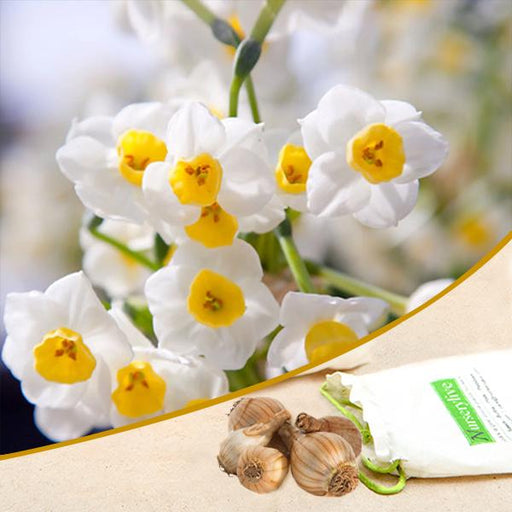
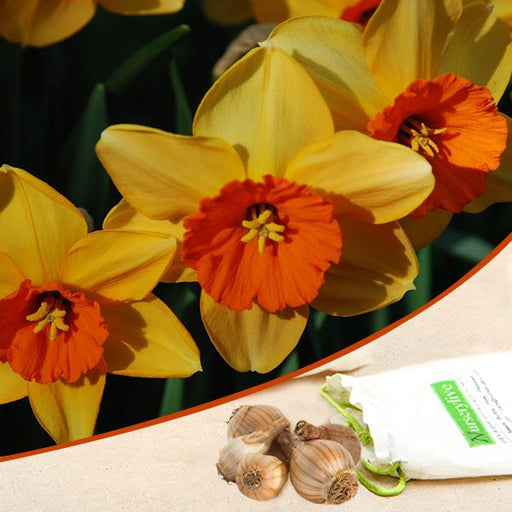
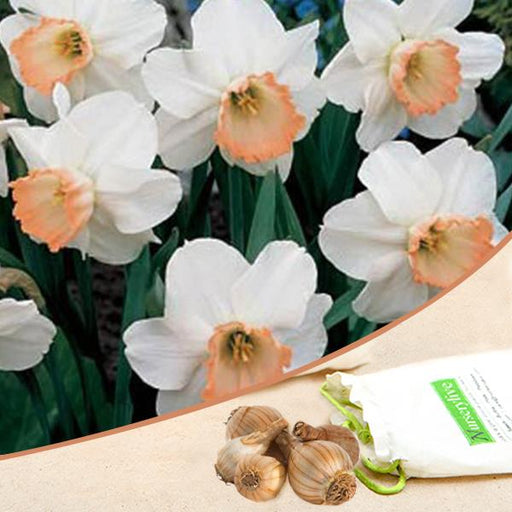
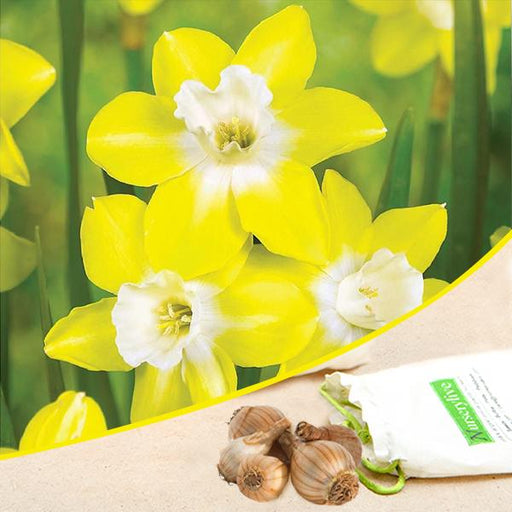
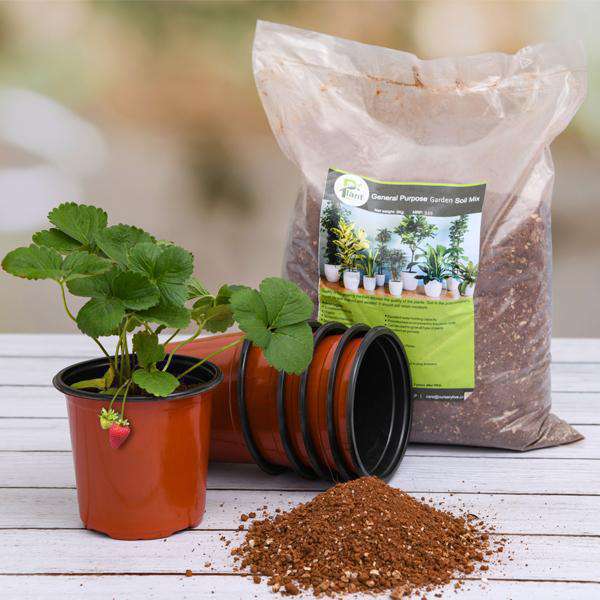
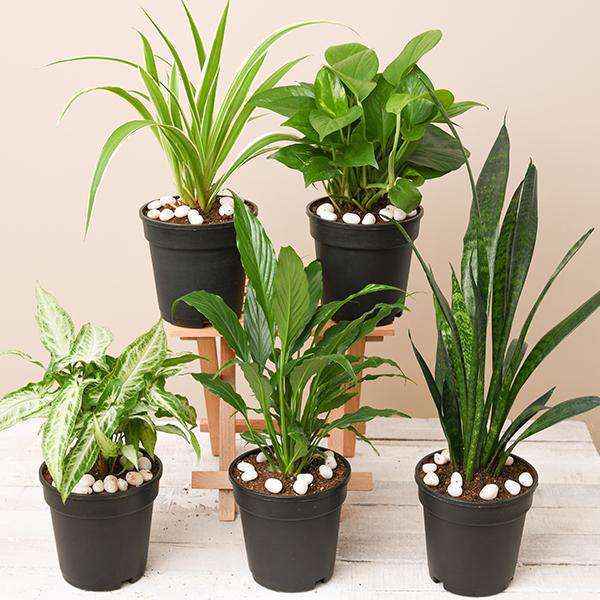
Not recd as per Picture on Website
Available 24/7
Available 24/7
Save 25%
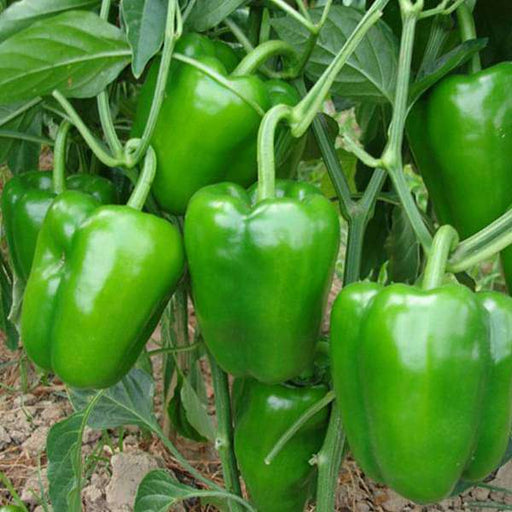
Capsicum Green - Desi Vegetable Seeds Capsicum Green, also known as bell pepper, is a vibrant and nutritious addition to your garden. Thes...
View full details
Save 25%
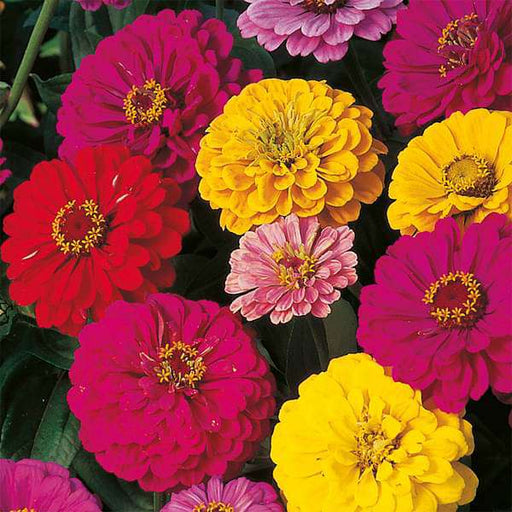
Zinnia Dahlia Mixed Color - Desi Flower Seeds Transform your garden into a vibrant tapestry of colors with our Zinnia Dahlia Mixed Color -...
View full details
Save 25%
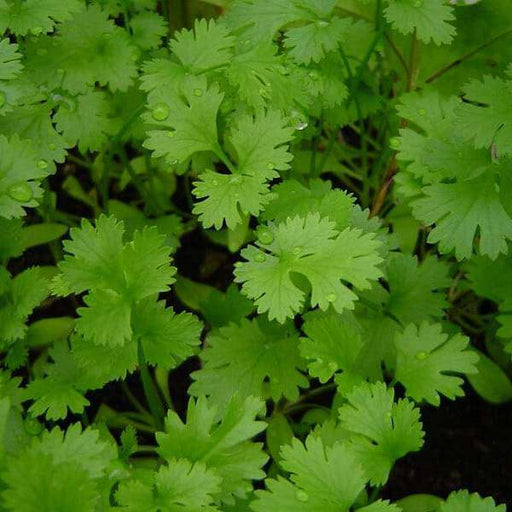
Coriander Panipat - Desi Vegetable Seeds Coriander Panipat is a premium variety of coriander seeds, cherished for its aromatic leaves and ...
View full details
Save 25%
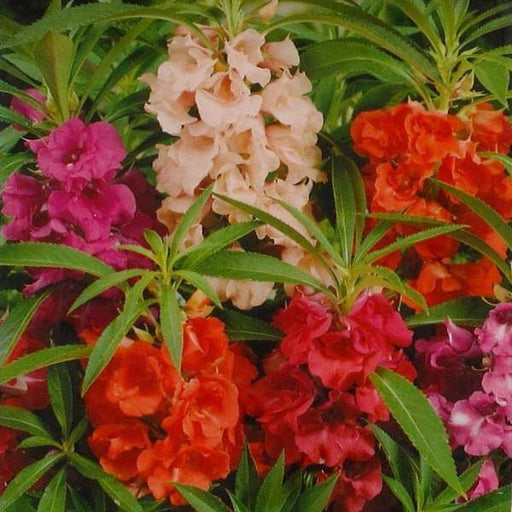
Balsam Double Mixed Color - Desi Flower Seeds Discover the vibrant beauty of Balsam Double Mixed Color - Desi Flower Seeds, a delightful a...
View full details
Save 25%
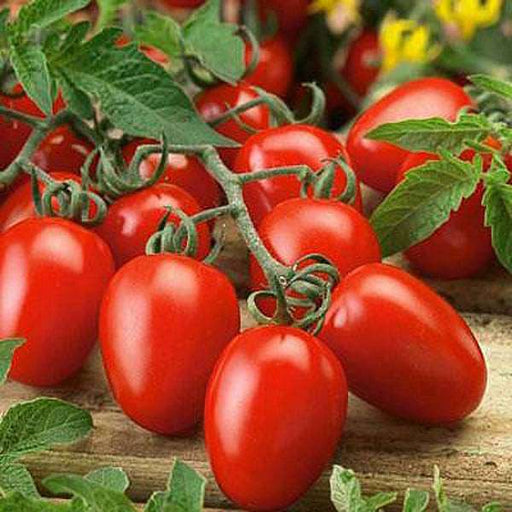
Tomato Pusa Ruby - Desi Vegetable Seeds The Tomato Pusa Ruby is a premium variety of tomato seeds, renowned for its vibrant red color, jui...
View full details
Save 25%
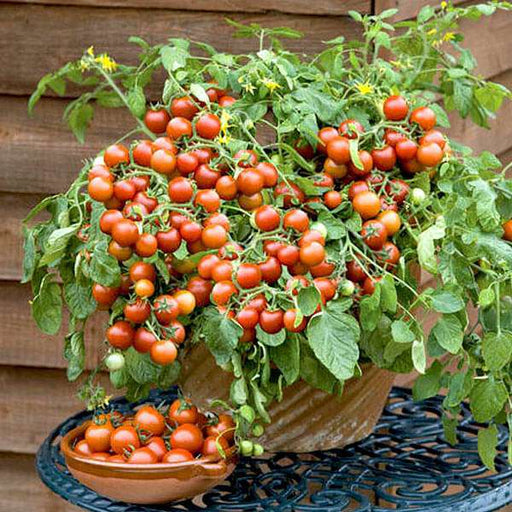
Cherry Tomato, Cherry Tomato Honey - Vegetable Seeds Discover the delightful world of Cherry Tomato Honey seeds, perfect for home gardener...
View full details
Save 25%
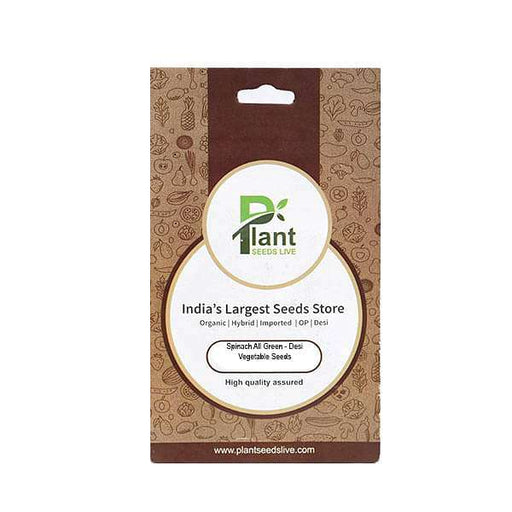
Spinach All Green - Desi Vegetable Seeds Introducing the Spinach All Green - Desi Vegetable Seeds, a premium variety of spinach that thriv...
View full details
Save 35%
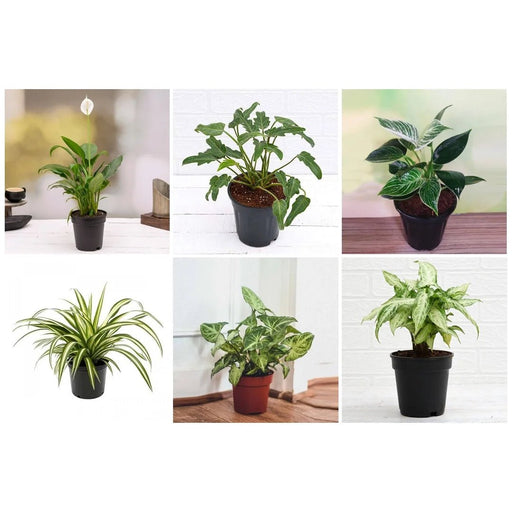
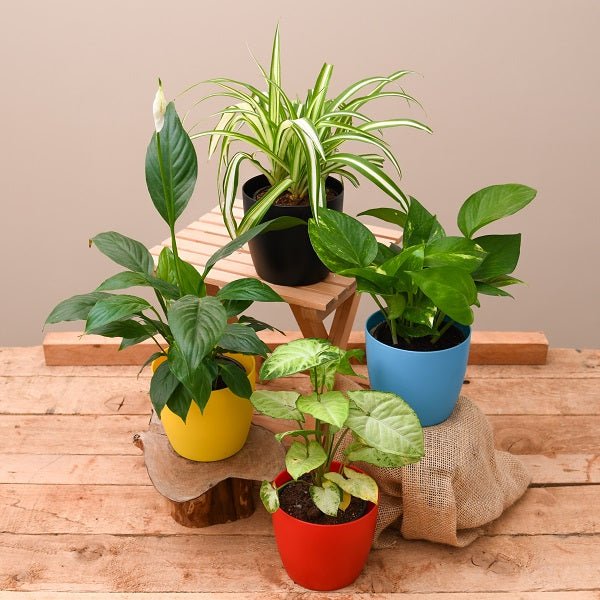
Best 6 Plants for Perfect Indoor Garden Transform your living space into a lush oasis with our curated collection of the Best 6 Plants for a...
View full details
Save up to 50%
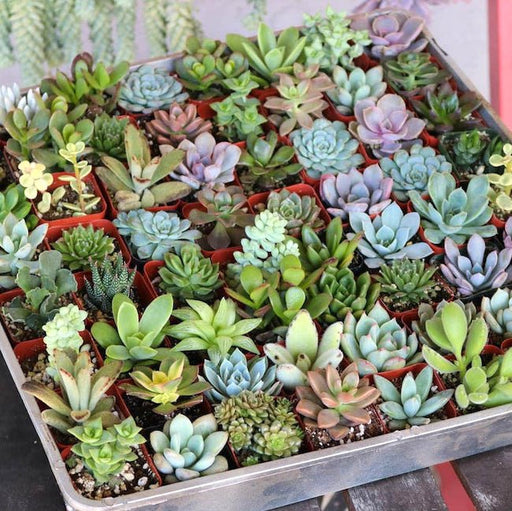
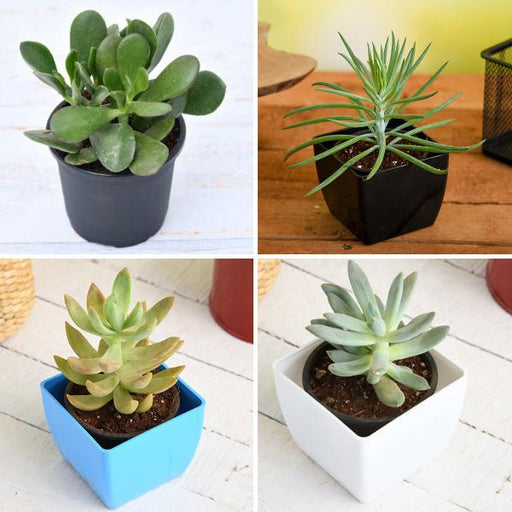
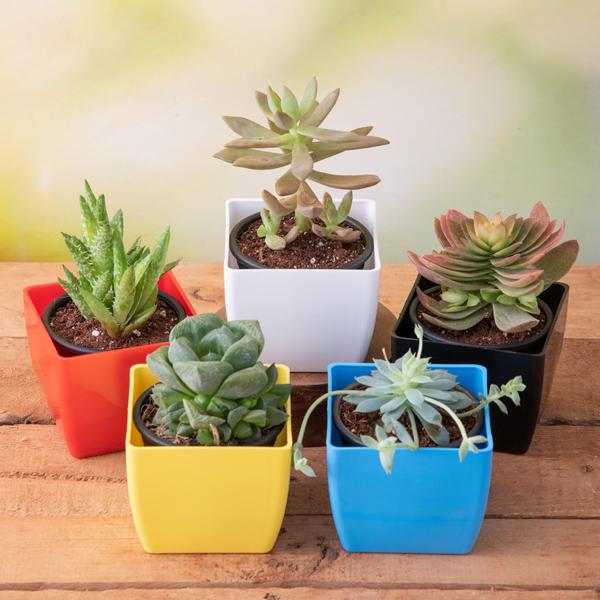
Mini Succulent Garden Pack Transform your space with our Mini Succulent Garden Pack, featuring a delightful collection of 4 any variety beautiful s...
View full details
Save 30%
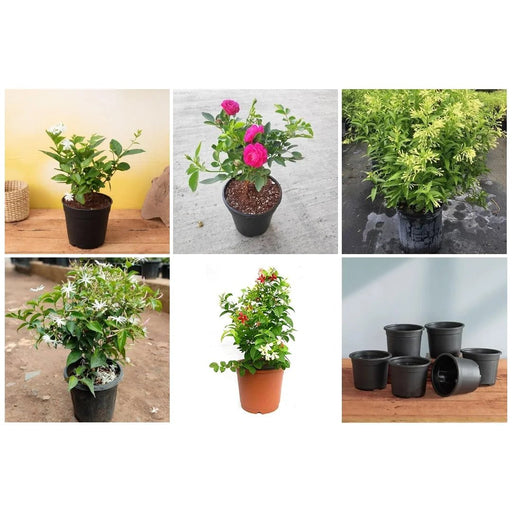
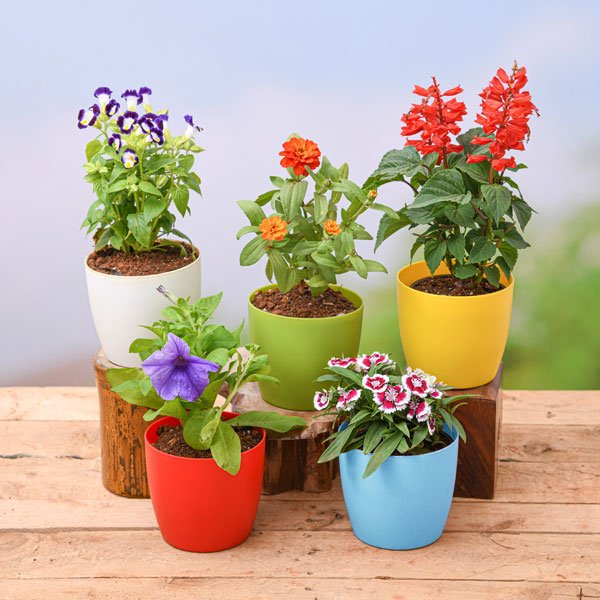
5 Best Fragrant Plants Transform your garden or indoor space into a fragrant paradise with our curated selection of the 5 Best Fragrant Plants. Th...
View full details
Save 24%
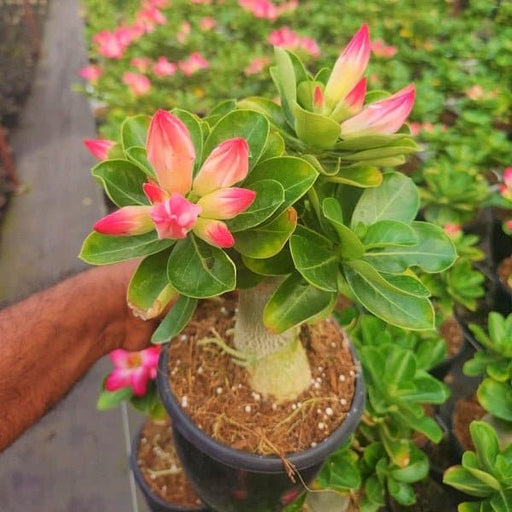
Set of 2 Bonsai Looking Grafted Adeniums Transform your indoor or outdoor space with our exquisite Set of 2 Bonsai Looking Grafted Adenium...
View full details
Save 45%
Top 4 Die Hard Succulents Pack Transform your indoor or outdoor space with our Top 4 Die Hard Succulents Pack, featuring a curated selecti...
View full details
Save 30%
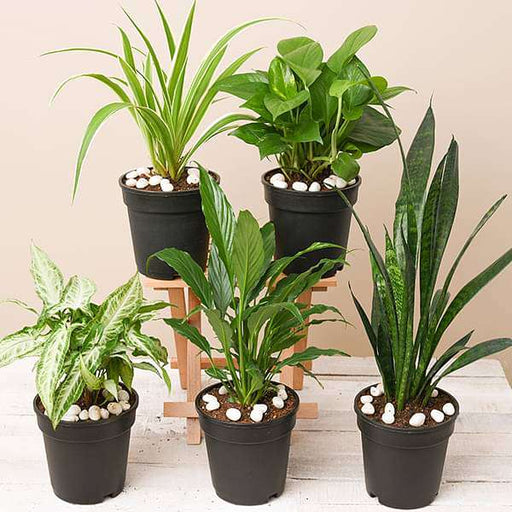
5 Best Indoor Plants Pack Transform your living space into a lush oasis with our '5 Best Indoor Plants Pack.' This carefully curated collection fe...
View full details
Save 25%
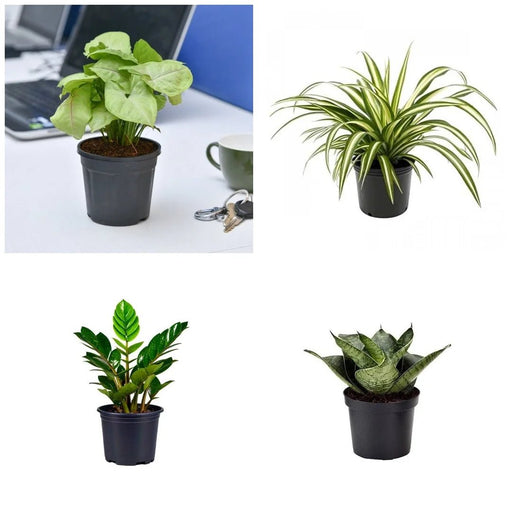
Set of 4 Evergreen Air Purifier Plant Pack Transform your indoor space into a lush, green oasis with our Set of 4 Evergreen Air Purifier Pla...
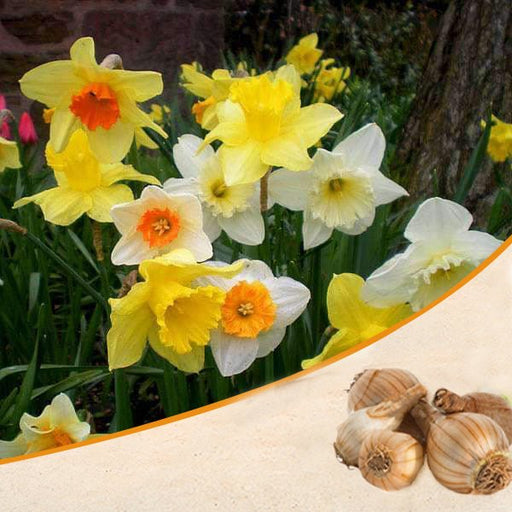
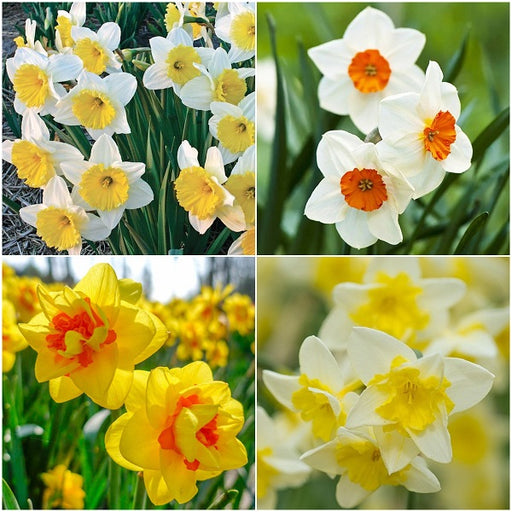
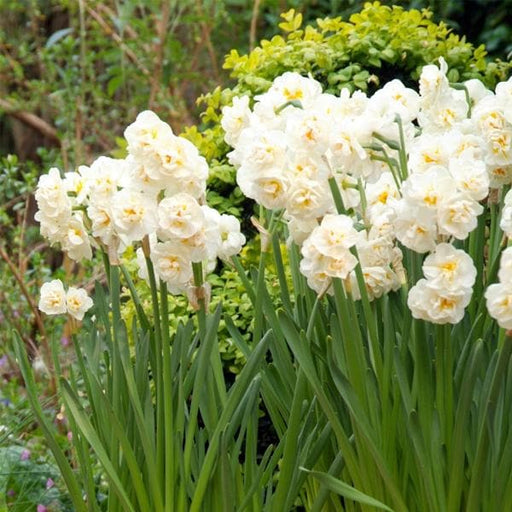
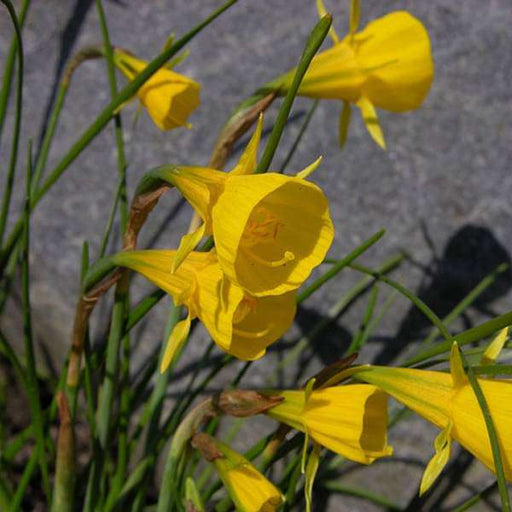
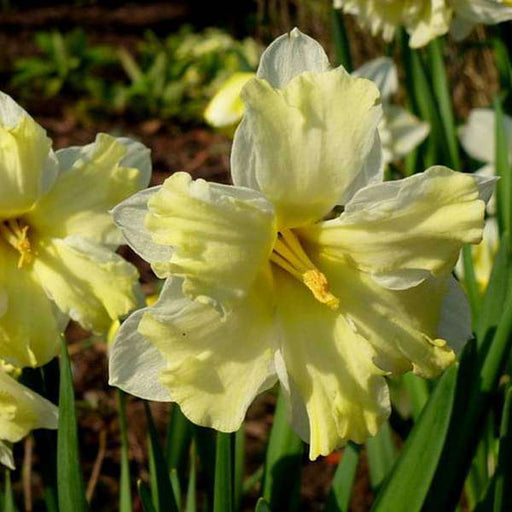
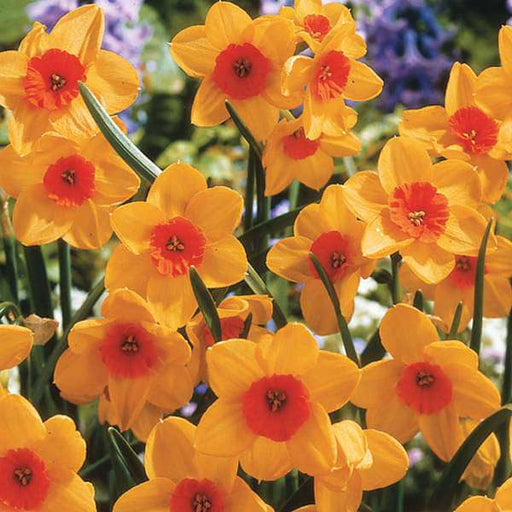
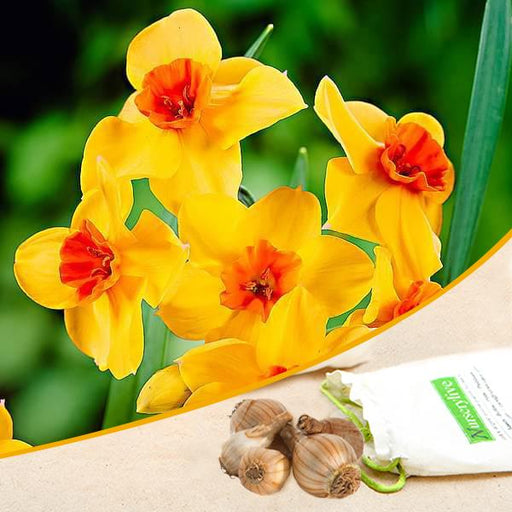
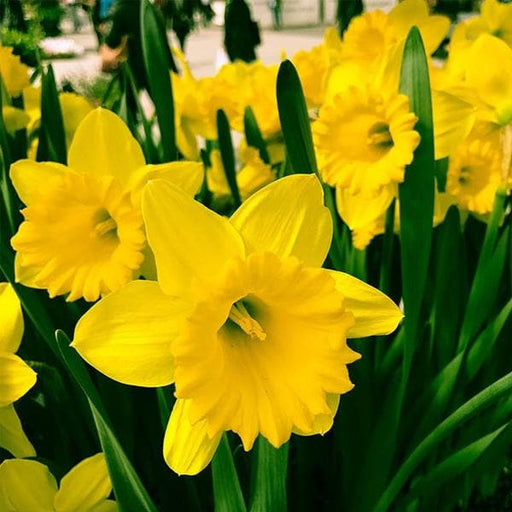
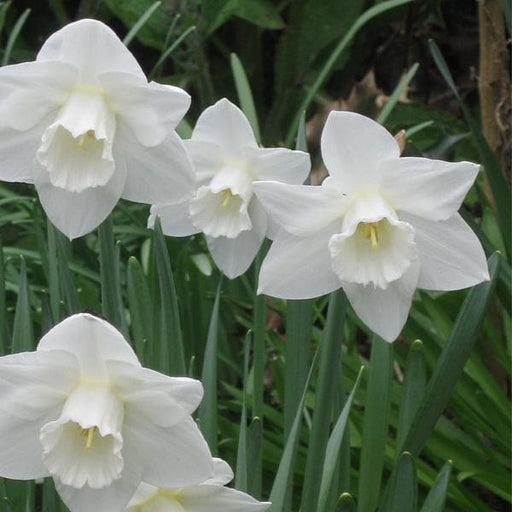
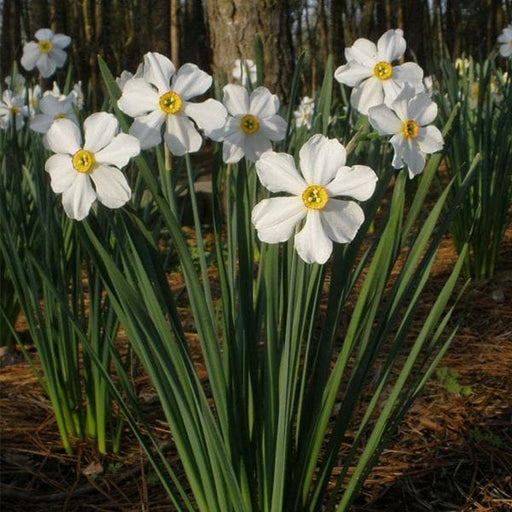
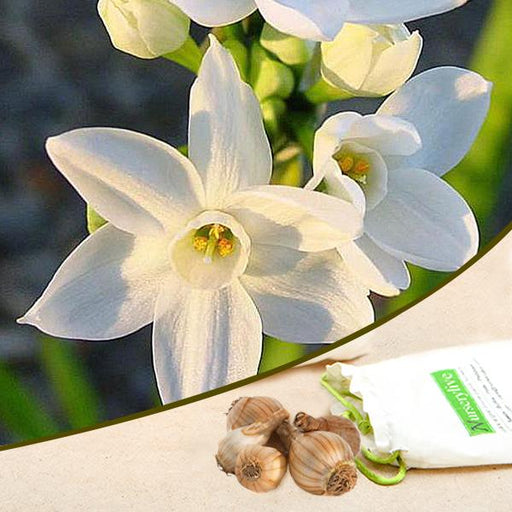
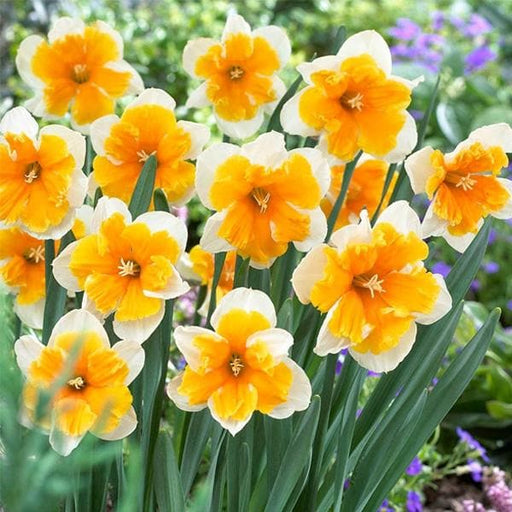
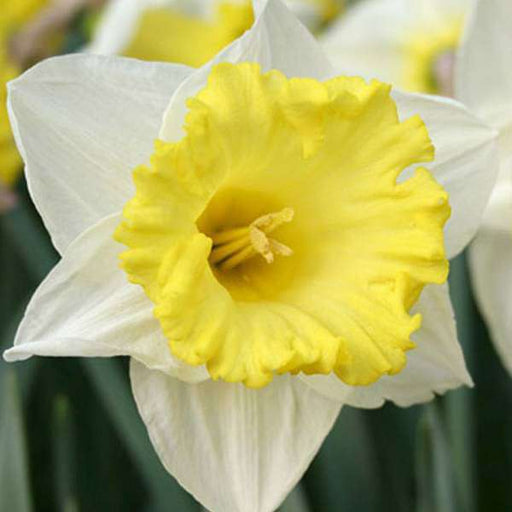
View full detailsWelcome to our exquisite Daffodil Flower Bulbs collection, where vibrant colors and delightful fragrances come together to create a stunning spring display. Known for their trumpet-shaped blooms, daffodils are a symbol of renewal and hope, making them a perfect addition to any garden. With a variety of species and hybrids available, you can easily find the perfect daffodil to suit your landscape and personal style.
What makes our Daffodil Flower Bulbs special is their resilience and adaptability. These hardy bulbs thrive in various soil types and climates, ensuring that even novice gardeners can enjoy their beauty. Daffodils are also deer-resistant and pest-repellent, making them a low-maintenance choice for your garden. With their bright yellow, white, and orange hues, they bring joy and cheer to any outdoor space.
Growing Daffodil Flower Bulbs is a rewarding experience that requires minimal effort. Plant them in well-drained soil with plenty of sunlight, and watch as they bloom into a breathtaking display. Ideal for borders, rock gardens, or naturalizing in meadows, these bulbs are versatile and can be used in various landscaping designs.
Daffodils, scientifically known as Narcissus, are native to Europe and North Africa. They have been cultivated for thousands of years, with historical references dating back to ancient Greece. The flower's name is derived from the Greek myth of Narcissus, a young man who fell in love with his reflection. Today, daffodils are celebrated not only for their beauty but also for their role in various cultural traditions, including the celebration of spring festivals.
From an environmental perspective, daffodils play a crucial role in supporting local ecosystems. They provide early-season nectar for pollinators such as bees and butterflies, helping to sustain biodiversity. Additionally, their ability to thrive in various soil conditions makes them an excellent choice for sustainable gardening practices, promoting soil health and reducing the need for chemical fertilizers.
Daffodils are a popular type of spring-flowering bulb that come in many different varieties. From traditional yellow daffodils to pink and white variations, there's a daffodil for every taste.
Planting daffodils is a simple and rewarding task. With a little bit of planning and the right technique, you can enjoy a beautiful display of daffodils in your garden every spring.
Once your daffodils are planted, it's important to take care of them properly. This includes watering them regularly, fertilizing them when needed, and protecting them from pests and diseases.
Daffodil bulbs are the key to growing beautiful daffodils. They come in many different sizes and varieties, and should be planted in the fall for best results.
If you're looking to increase your daffodil collection, propagation is a great option. This involves dividing existing bulbs and planting them in new locations.
Daffodils are a symbol of rebirth and new beginnings. They're often associated with spring and the renewal of life.
Daffodils are a popular flower for arrangements and bouquets. Their bright yellow color and unique shape make them stand out in any arrangement.
If you're looking to purchase daffodil bulbs, there are many options available. You can find them at your local garden center, online, or through mail order catalogs.
To ensure your daffodils thrive, it's important to follow some basic planting tips. These include selecting the right location, planting at the right depth, and using the right soil.
There are over 50 different types of daffodils to choose from. Some of the most popular varieties include the classic yellow daffodil, the white Thalia daffodil, and the pink and white Ice Follies daffodil.
Like any plant, daffodils are susceptible to diseases. Common diseases include crown rot, bulb rot, and yellow stripe virus. It's important to identify and treat these diseases early to prevent damage to your bulbs.
Daffodils can also be affected by pests such as aphids, thrips, and slugs. Proper care and management can help prevent infestations and protect your bulbs.
After your daffodils have finished blooming, it's important to prune them properly. This helps promote healthy growth and ensures they'll bloom again next year.
If you don't have space for a traditional garden, daffodils can be grown in containers. This is a great option for patios, balconies, and other small spaces.
Daffodils can be left to naturalize in your garden, which means they'll spread and multiply on their own. This creates a beautiful and low-maintenance display.
If you want to enjoy daffodils indoors before they bloom outside, forcing is a great option. This involves chilling the bulbs for several weeks before planting them in pots.
Daffodils are easy-to-grow spring-flowering bulbs that can be planted in containers and placed on patios or balconies for a pop of color. Learn how to properly plant daffodil bulbs in containers and care for them to ensure a beautiful display in the spring.
Daffodils are a great addition to any landscape, providing a bright and cheerful display in the spring. Learn about the different types of daffodil bulbs that are best for landscaping, as well as tips for planting and caring for them.
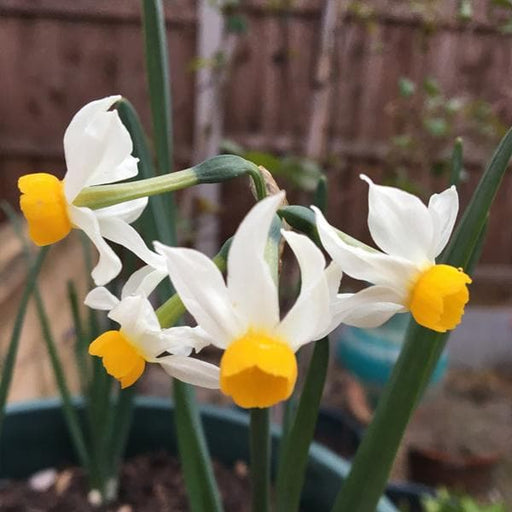
If you're short on space, miniature daffodil bulbs are a great option for adding color to your garden or containers. Learn about the different varieties of miniature daffodil bulbs, as well as planting and care tips.
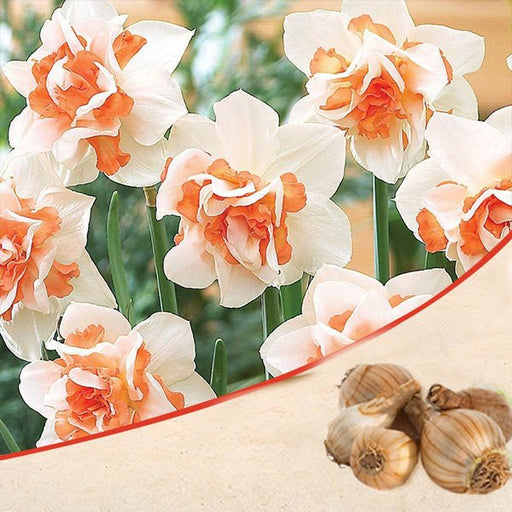
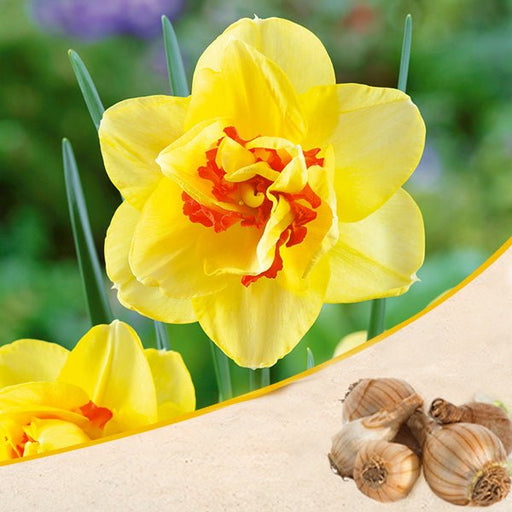
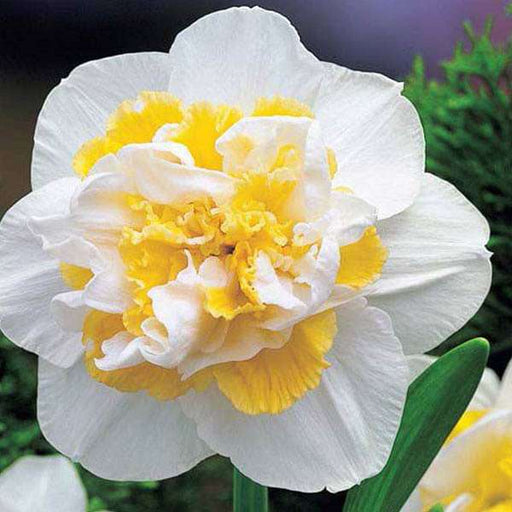
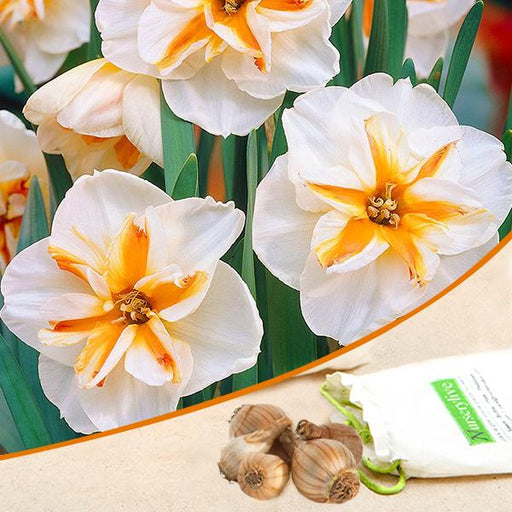
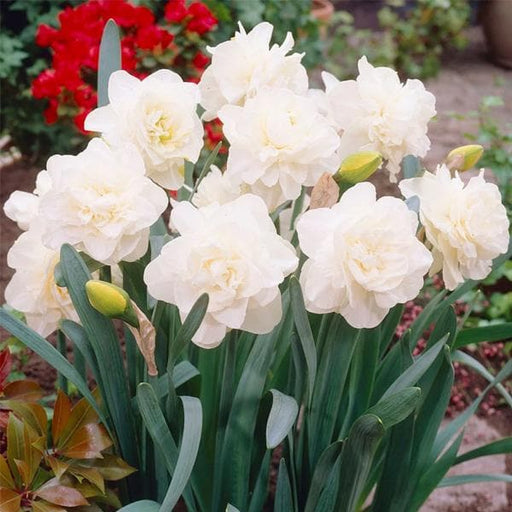
Double daffodil bulbs are prized for their large, showy blooms and come in a variety of colors. Learn how to plant and care for double daffodil bulbs, as well as design ideas for incorporating them into your landscape.
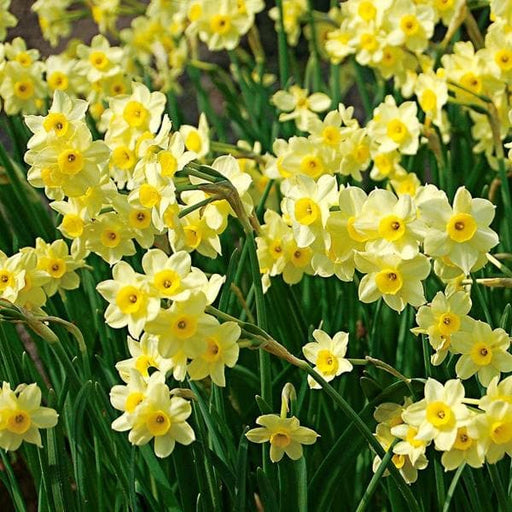
Daffodils are a popular choice for naturalizing, as they multiply quickly and require little maintenance. Learn about the best daffodil bulbs for naturalizing, as well as tips for planting and care.
Daffodils make great cut flowers, with their long stems and cheerful blooms. Learn about the best daffodil bulbs for cut flowers, as well as tips for growing and arranging them.
Daffodil bulbs can be forced indoors for an early burst of spring color. Learn about the best daffodil bulbs for indoor forcing, as well as tips for planting and care.
Daffodil bulbs are well-suited for container gardening, as they can be grown in pots on patios or balconies. Learn about the best daffodil bulbs for container gardening, as well as tips for planting and care.
Daffodils are a great addition to rock gardens, providing a pop of color in early spring. Learn about the best daffodil bulbs for rock gardens, as well as tips for planting and care.
Daffodils make great companion plants, helping to deter pests and attract beneficial insects. Learn about the best daffodil bulbs for companion planting, as well as tips for designing your garden.
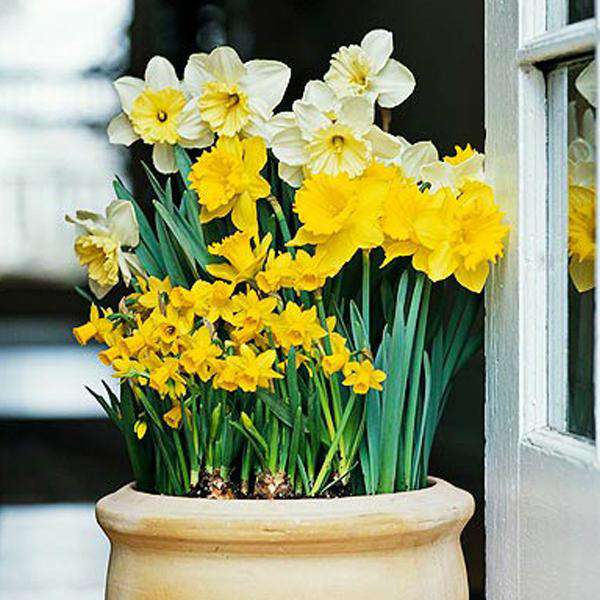
Daffodil flower bulbs are a type of bulb that produces beautiful, trumpet-shaped flowers in shades of yellow, white, and orange. They are easy to grow and are a popular choice for spring gardens.
Daffodil flower bulbs should be planted in the fall, typically from September to November in India, before the ground freezes.
Daffodil flower bulbs should be planted in a well-draining soil that receives full sun or partial shade. They are ideal for planting in borders, rock gardens, and containers.
Daffodil flower bulbs should be planted at a depth of about 6 inches (15 cm), with the pointed end facing up.
Daffodil flower bulbs should be planted about 4-6 inches (10-15 cm) apart.
Daffodil flower bulbs typically take about 2-3 years to bloom after they are planted.
Daffodil flowers typically bloom for about 2-3 weeks in the spring.
Daffodil flower bulbs require little care, but they should be watered regularly and fertilized in the fall and spring. They should also be divided every 4-5 years to prevent overcrowding.
Yes, Daffodil flower bulbs can be grown in pots as long as the pot has proper drainage and the soil is well-draining.
Yes, Daffodil flower bulbs can be grown indoors in pots, but they require a period of cold dormancy before they can bloom.
Yes, Daffodil flowers make great cut flowers and can last up to a week in a vase.
Some varieties of Daffodil flowers are fragrant, while others are not.
Daffodil flower bulbs can be propagated by dividing them in the fall, after they have finished blooming.
Yes, Daffodil flower bulbs are toxic if ingested and can cause vomiting, diarrhea, and other symptoms.
Some varieties of Daffodil flowers are fragrant, while others are not.
Daffodil flower bulbs can be propagated by dividing them in the fall, after they have finished blooming.
Yes, Daffodil flower bulbs are toxic if ingested and can cause vomiting, diarrhea, and other symptoms.
Yes, Daffodil flower bulbs can be grown in containers with other plants, but they should be planted at a depth that allows the other plants to grow above them.
Daffodil flower bulbs should be stored in a cool, dry place until they are ready to be planted in the fall.
Prevent pests from damaging your Daffodil flower bulbs by using natural pest control methods like neem oil and practicing good plant hygiene.
Prevent diseases from affecting your Daffodil flower bulbs by planting them in well-draining soil, avoiding overwatering, and practicing good plant hygiene.
Can Daffodil flower bulbs be used for natural dyeing Yes, Daffodil flower bulbs can be used for natural dyeing. The flowers and bulbs contain a yellow pigment called luteolin, which can be extracted and used to dye fabrics and fibers.
Daffodil flower bulbs prefer cooler climates and may not thrive in hot climates. However, they can be grown successfully in areas with cooler temperatures and partial shade.
Daffodil flower bulbs can be grown in sandy soil as long as the soil is well-draining and the bulbs are not waterlogged.
Choose Daffodil flower bulbs that are firm and free from mold or damage. Look for bulbs that are at least 1 inch (2.5 cm) in diameter.
Daffodil flower bulbs can be grown in clay soil as long as the soil is amended with organic matter to improve drainage.
It's time to divide Daffodil flower bulbs when they become overcrowded and stop blooming. This typically occurs every 4-5 years.
Daffodil flower bulbs prefer full sun or partial shade, but they may not bloom as well in full shade.
Daffodil flower bulbs prefer a slightly acidic to neutral soil pH between 6.0 and 7.0.
Daffodil flower bulbs can tolerate slightly alkaline soil, but they may not grow as well as they do in neutral to slightly acidic soil.
Prevent Daffodil flowers from drooping by cutting them at an angle and placing them in water immediately after cutting.
Make Daffodil flowers last longer in a vase by changing the water every 2-3 days and adding a floral preservative to the water.