


As we step into another year, the urgency to take care of our planet has never been more pressing. 🌍 In 2020, we have witnessed unprecedented challenges—from global health crises to extreme weather events and environmental degradation.
These challenges highlight the delicate balance we must maintain with nature. It’s time for all of us to come together and take actionable steps to preserve and protect our environment for future generations. 🌱
In celebration of Environment Week, it's the perfect opportunity to reflect on our actions and make conscious decisions to protect the Earth. If you're looking for impactful ways to help nature, here are five easy yet effective things you can do to make a difference. 🌿
One of the most direct and rewarding ways to help nature is by planting trees and plants in your community. 🌱
Strategic planting of trees and plants around homes, neighborhoods, and public spaces not only enhances the aesthetic beauty but also contributes to cleaning the air, improving biodiversity, and providing habitats for wildlife. Trees act as carbon sinks, absorb pollutants, and release oxygen, helping fight climate change. 🌳
Planting microgreens and small shrubs is an excellent way to begin, even if you have limited space. This can be done in your garden, balcony, or even on windowsills. If you’re feeling inspired, start a community garden where neighbors can collectively grow food and greenery.
This effort promotes sustainability and raises awareness about the importance of taking care of our environment. 🌿
Sometimes, all it takes to drive change is a conversation. Speak to your family, friends, and neighbors about the steps you are taking to preserve nature and encourage them to do the same. 🌏
Talk about the importance of reducing waste, conserving water, and using eco-friendly products. The more we raise awareness and involve those around us, the greater the impact we can make. 💬
If you have children or younger siblings, teach them the value of natural resources from a young age.
Guide them to understand how every little action counts in preserving our planet. 🌱 By sharing knowledge and resources, we can inspire a new generation of environmental champions. 🌟
Water is one of our most precious resources, yet we often take it for granted. Did you know that repairing a leaky faucet can save thousands of gallons of water annually? 💦
Simple actions like fixing leaks, using water-efficient appliances, and collecting rainwater can make a huge difference. A water-smart home not only conserves this vital resource but also reduces the energy consumption required for water treatment. 🌿
Start by using water-saving techniques in your daily routine, such as turning off the tap while brushing your teeth, watering plants during cooler times of the day to minimize evaporation, and using a bucket for cleaning rather than a hose. 💧 These small efforts can have a significant long-term impact on water conservation. 🌍
One of the easiest ways to reduce your environmental footprint is by choosing eco-friendly products. 🌱 Avoid single-use plastics and opt for reusable bags, bottles, and containers. Encourage others to make the switch to sustainable products, whether it's biodegradable packaging, organic cleaning supplies, or eco-friendly cosmetics. 🌍
In light of recent health challenges, face masks and gloves have become a necessity. Be mindful to use washable and reusable masks whenever possible, reducing waste while keeping safe. Additionally, avoid products with harmful chemicals and pesticides by choosing organic and natural alternatives.
One of the most effective ways to reduce waste and protect the environment is by recycling and reusing materials. 🌍 Instead of throwing away old items, think about how you can repurpose or recycle them.
Whether it’s upcycling furniture, reusing glass jars for storage, or composting organic waste, every action counts in reducing the amount of waste we produce. ♻️
When we recycle and reuse, we reduce the strain on landfills and lower the demand for new resources. This helps cut down on greenhouse gas emissions and reduces environmental pollution. 🌱 By making recycling a part of your daily routine, you can contribute to a cleaner, greener planet. 🌿
By incorporating these simple yet effective actions into your daily life, you can make a significant contribution to the environment. 🌱 Whether it’s planting more trees, conserving water, or recycling materials, every small step counts towards preserving our planet. 🌍
As we celebrate Environment Week, let’s commit to taking responsibility for our actions and work together to protect the Earth.
💚 Happy Environment Week! 🌿


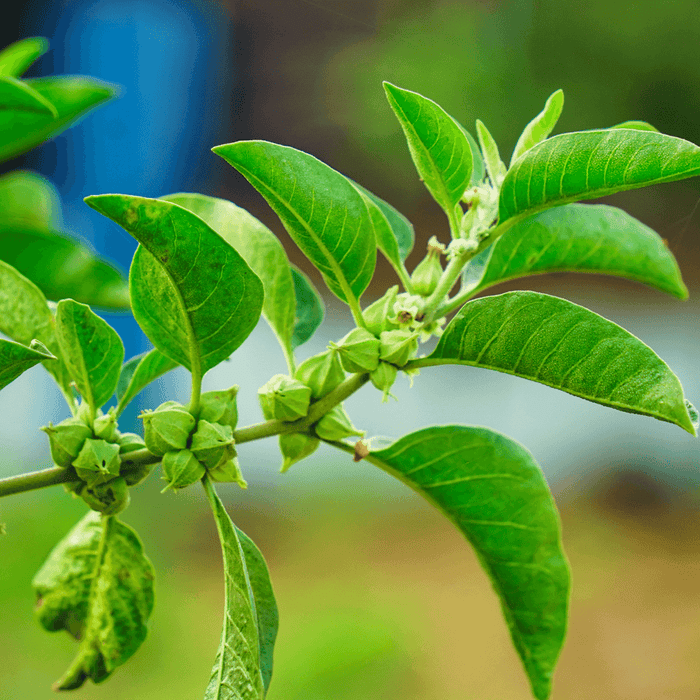



Combo Constituents Includes the Parijat Tree (Night-Flowering Jasmine), a culturally significant plant with fragrant flowers. Description The Pari...
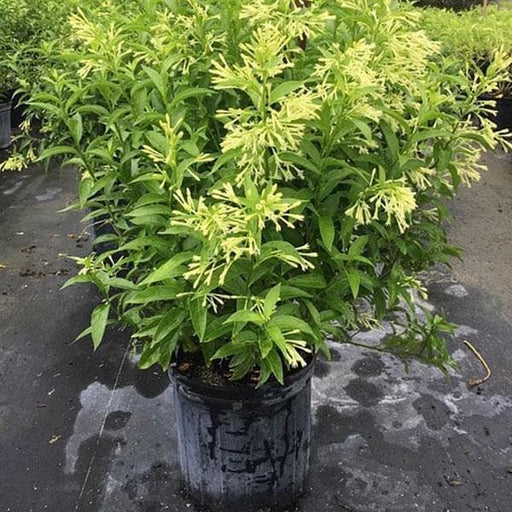
View full detailsDescription Raat Ki Rani (*Cestrum nocturnum*), also known as Night Blooming Jasmine, is a fragrant shrub native to the Caribbean and Central Ameri...
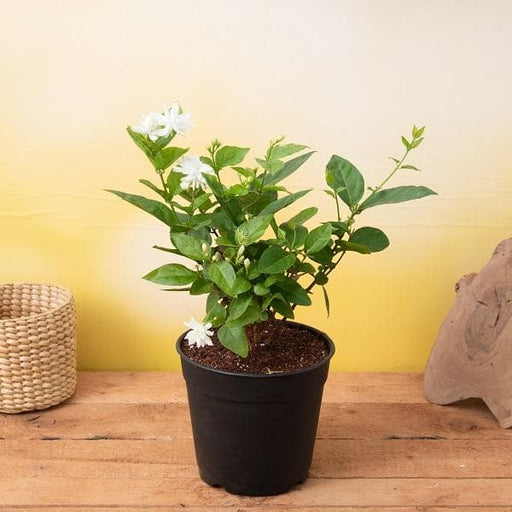
View full detailsJasminum sambac, Mogra, Arabian Jasmine - Plant Jasminum sambac, commonly known as Mogra or Arabian Jasmine, is a fragrant flowering plant...
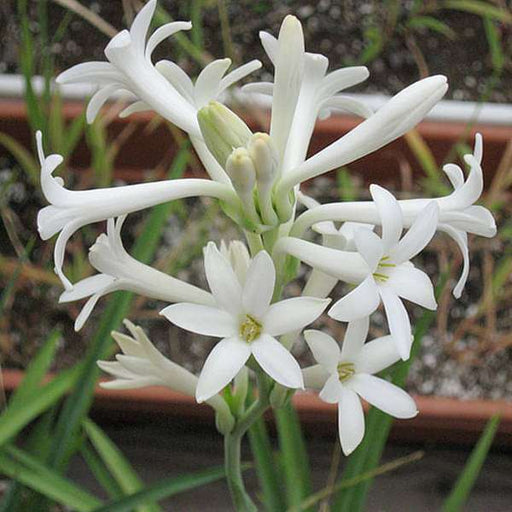
View full detailsRajnigandha, Tuberose - Plant The Rajnigandha, scientifically known as Polianthes tuberosa, is a captivating perennial plant renowned for ...
View full detailsCitronella, Odomas - Plant The Citronella plant, scientifically known as Cymbopogon nardus, is a tropical grass renowned for its aromatic ...
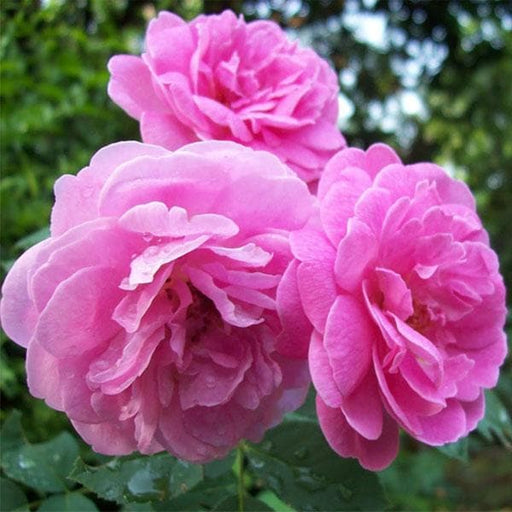
View full detailsDamascus Rose, Scented Rose (Any Color) - Plant The Damascus Rose, also known as Rosa damascena, is a timeless symbol of beauty and romanc...
View full detailsMiniature Rose, Button Rose (Any Color) - Plant The Miniature Rose, also known as the Button Rose, is a charming and compact flowering plant that ...
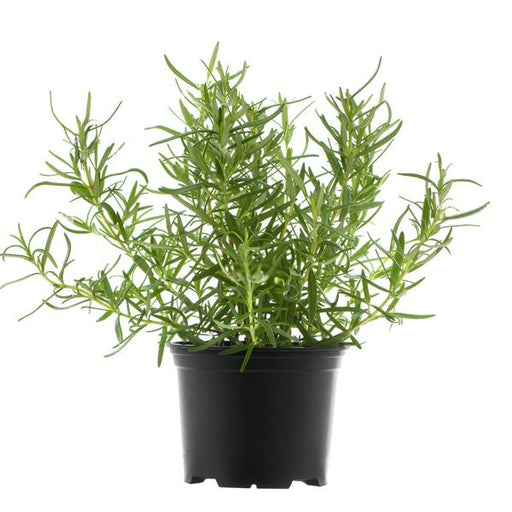
View full detailsRosemary - Plant Rosemary (Rosmarinus officinalis) is a fragrant evergreen herb native to the Mediterranean region. Known for its needle-like leav...
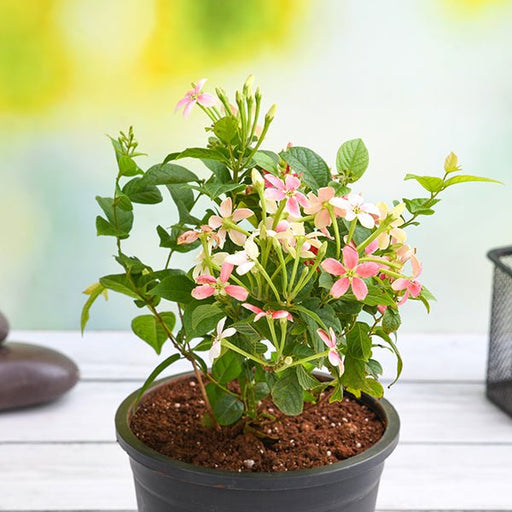
View full detailsMadhumalti Dwarf, Rangoon Creeper - Plant The Madhumalti Dwarf, also known as the Rangoon Creeper (Quisqualis indica), is a stunning perennial vin...
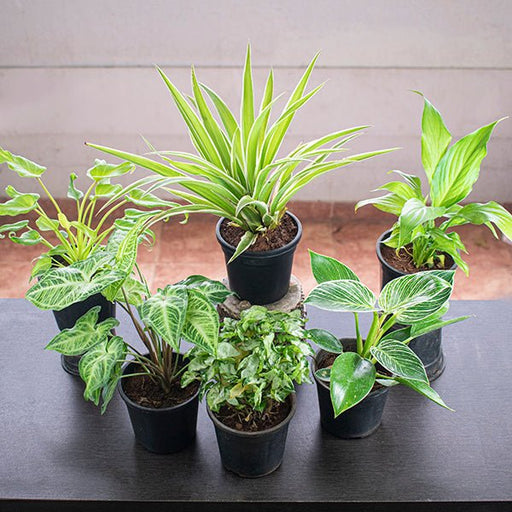
View full detailsBest 6 Plants for Perfect Indoor Garden Transform your living space into a lush oasis with our curated collection of the Best 6 Plants for a...
View full detailsBest 6 Plants for Perfect Indoor Garden Transform your living space into a lush oasis with our curated collection of the Best 6 Plants for a...
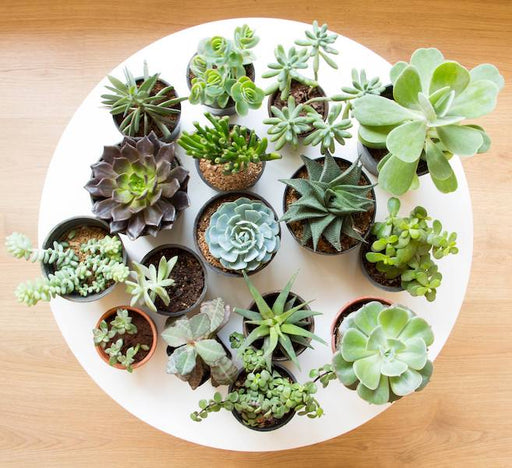
View full detailsMini Succulent Garden Pack Transform your space with our Mini Succulent Garden Pack, featuring a delightful collection of 4 any variety beautiful s...
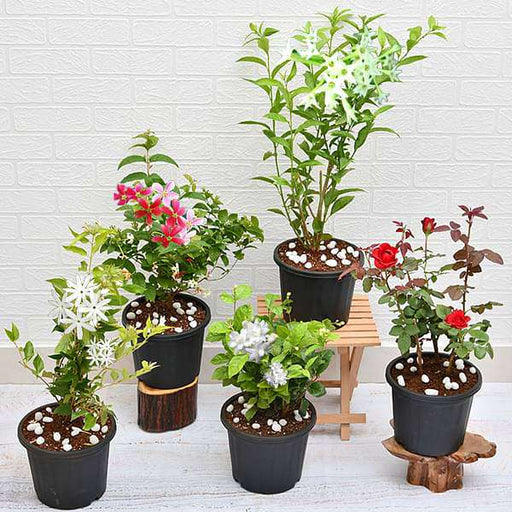
View full details5 Best Fragrant Plants Transform your garden or indoor space into a fragrant paradise with our curated selection of the 5 Best Fragrant Plants. Th...
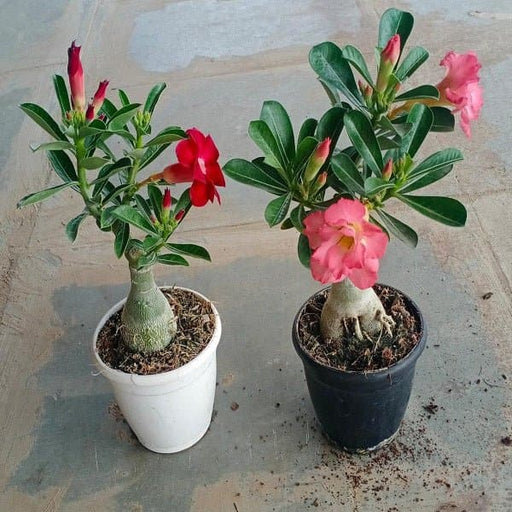
View full detailsSet of 2 Bonsai Looking Grafted Adeniums Transform your indoor or outdoor space with our exquisite Set of 2 Bonsai Looking Grafted Adenium...
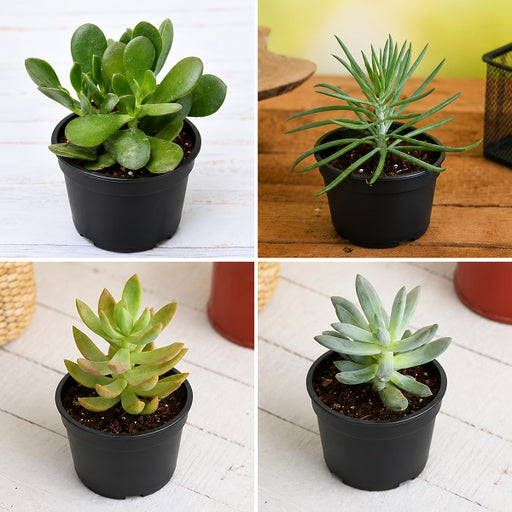
View full detailsTop 4 Die Hard Succulents Pack Note: Plants included in this pack will be delivered in a 3-inch nursery pot (any color). Transform your indoor or ...
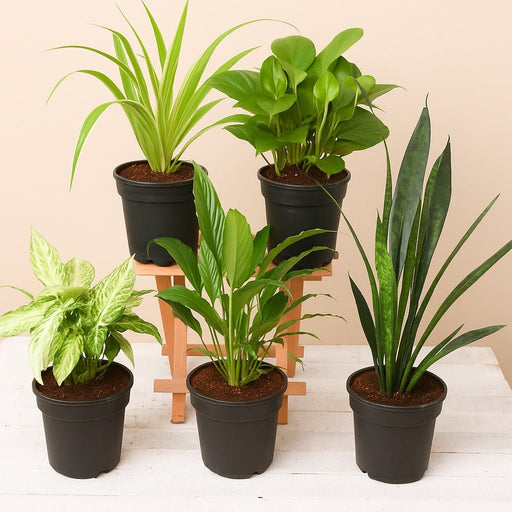
View full details5 Best Indoor Plants Pack Transform your living space into a lush oasis with our '5 Best Indoor Plants Pack.' This carefully curated collection fe...
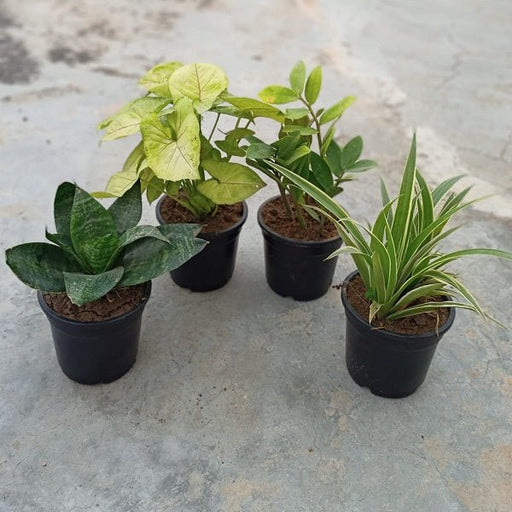
View full detailsSet of 4 Evergreen Air Purifier Plant Pack Transform your indoor space into a lush, green oasis with our Set of 4 Evergreen Air Purifier Pla...
View full detailsTop 5 Pollution Killer Plants Pack Transform your living space into a breath of fresh air with our 'Top 5 Pollution Killer Plants Pack'. This care...
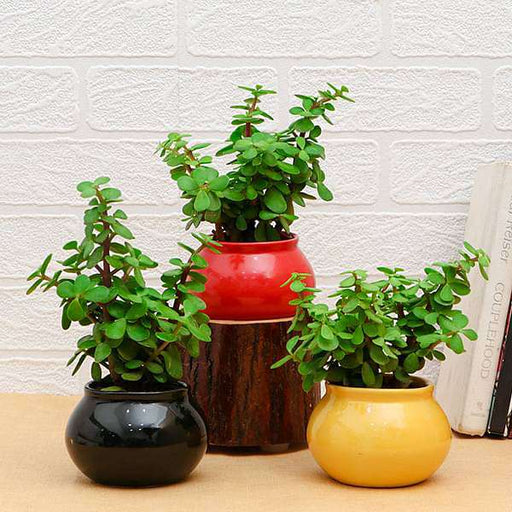
View full detailsPack of 3 Good Luck Jade Plants in Ceramic Pots Bring a touch of nature into your home with our Pack of 3 Good Luck Jade Plants, featuring...
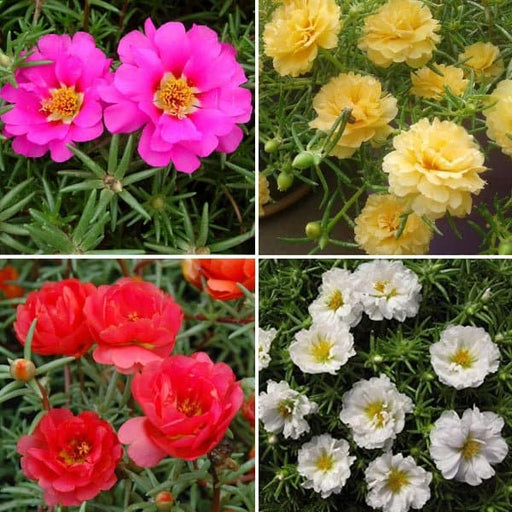
View full detailsPortulaca Garden Pack (4 Plants + 4 Black Pots) Note- You will get any color (Assorted) potted Porulaca plant with this pack. Transform your garde...
View full details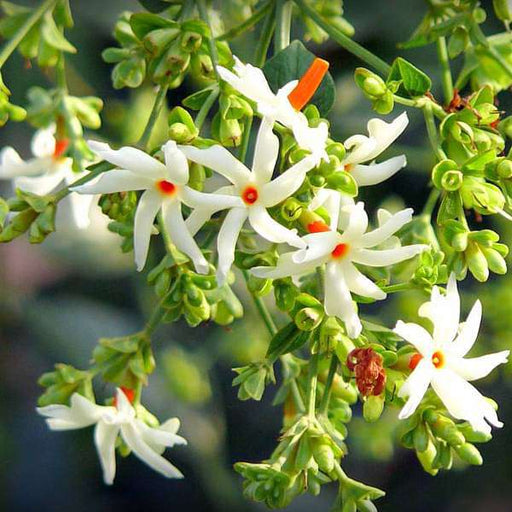




Leave a comment