Skip to content

Which plants grow well in low humidity areas?

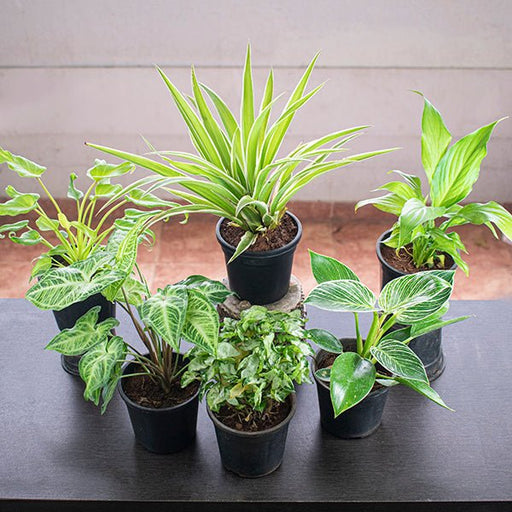
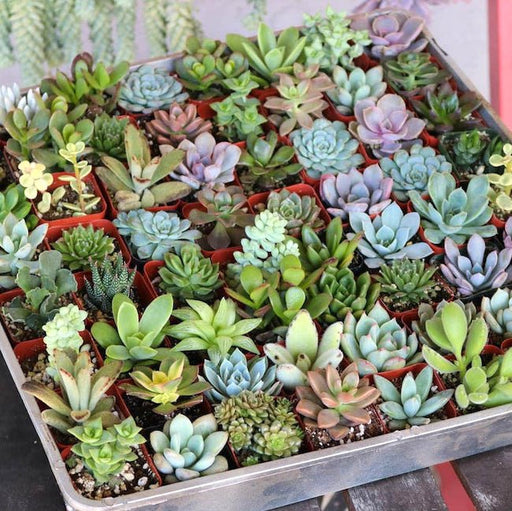
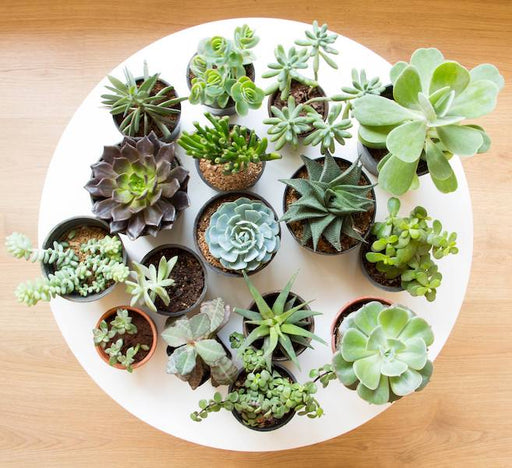
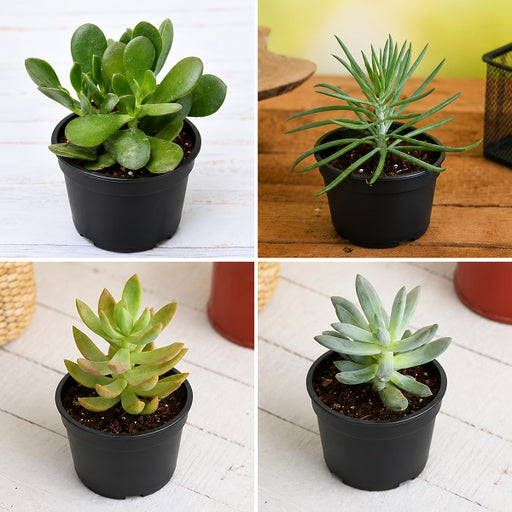
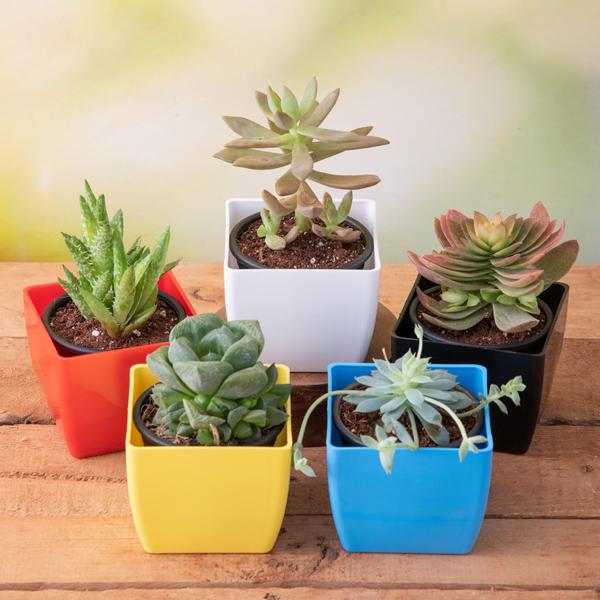
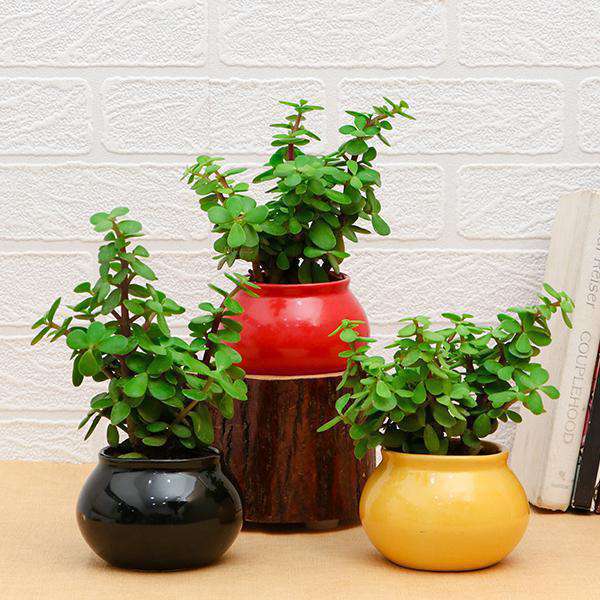
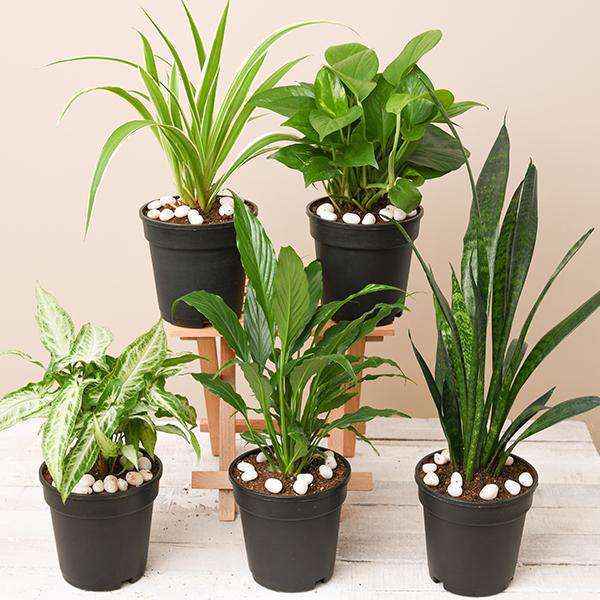
Plants that thrive in low-humidity conditions are ideal for homes with dry air, air-conditioning, or heaters 🌬️🌿. Succulents, snake plants, and pothos are especially resilient, adapting well to drier environments while still looking fresh and healthy. These plants are perfect for Indian homes in dry regions or rooms with limited moisture.

🌵Why these recommendations work in Indian homes

  • Require minimal water, making them beginner-friendly and low-effort 
  • Tolerate dry indoor air common in AC-cooled or heated rooms 
  • Hardy and generally resistant to common indoor pests 
  • Improve indoor air quality while staying low-maintenance 
  • Recover well even if watering is occasionally delayed 
  • Ideal for apartments, offices, and low-ventilation spaces 

Related collection

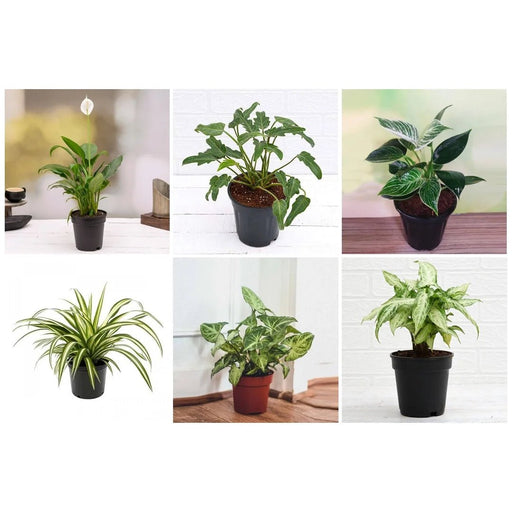
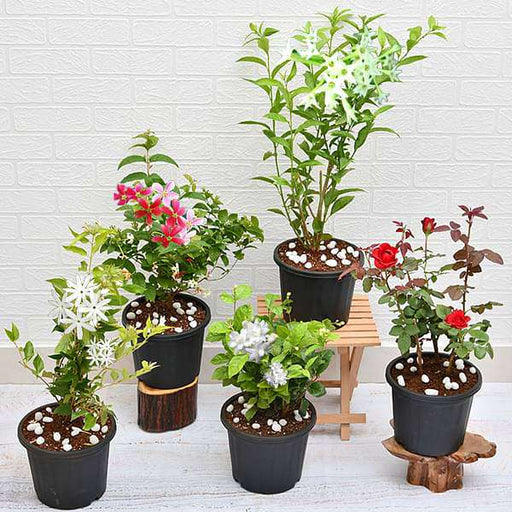
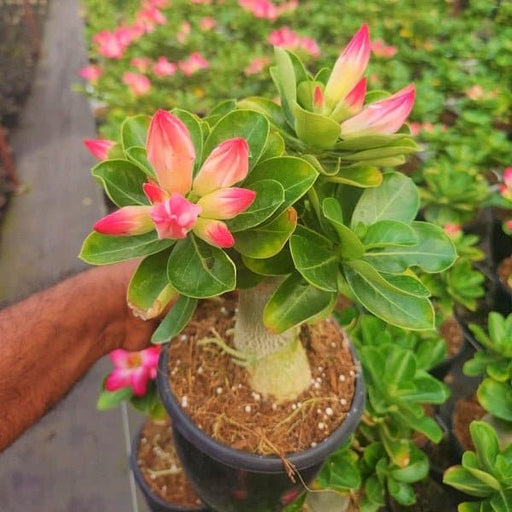
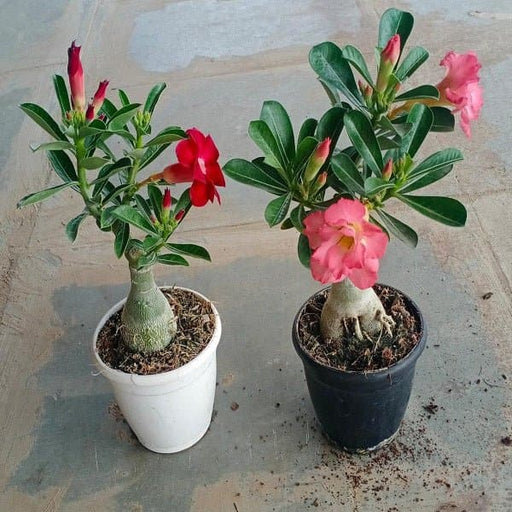
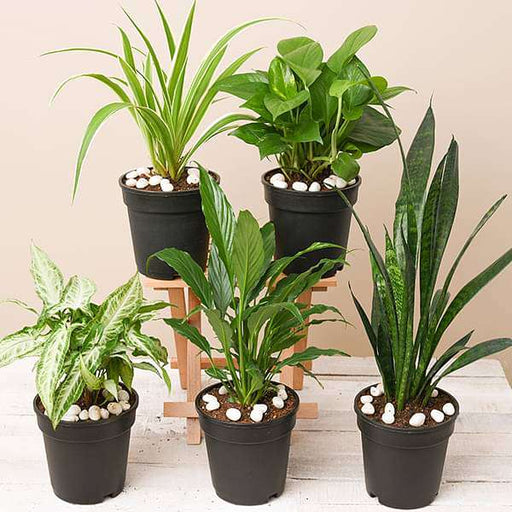
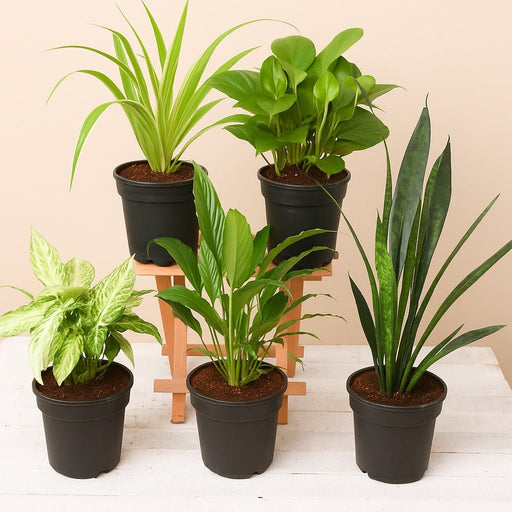
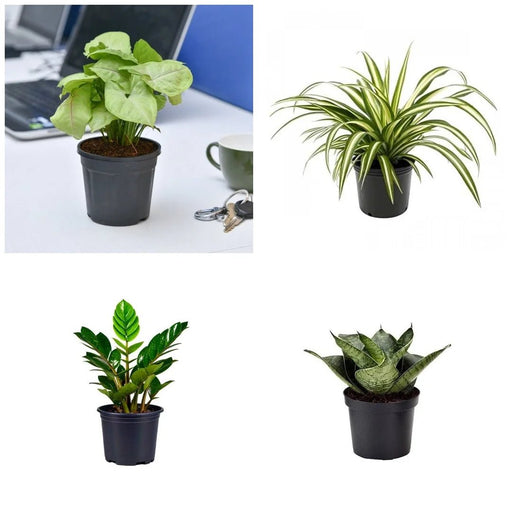
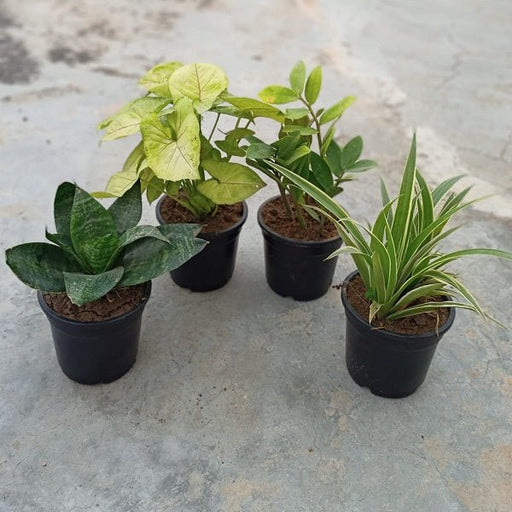
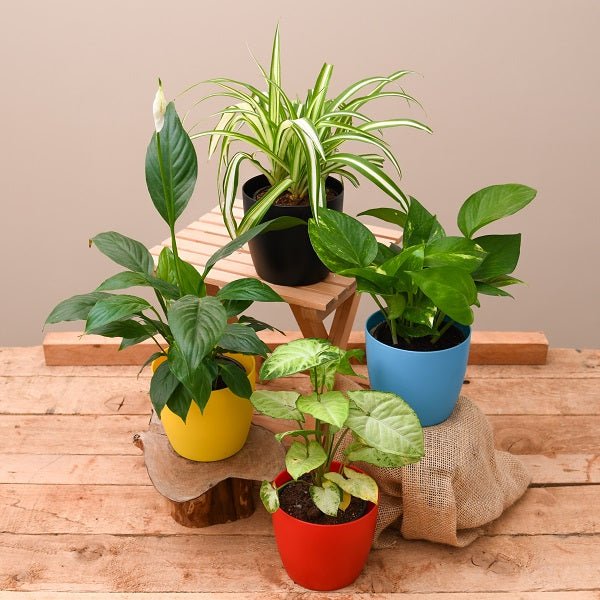
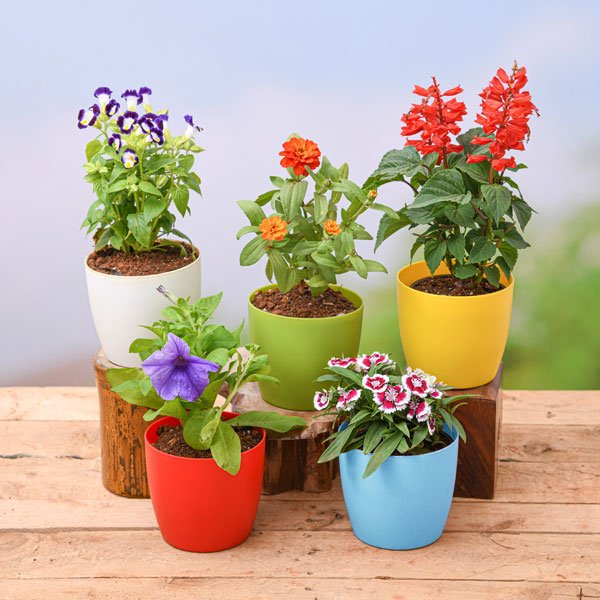
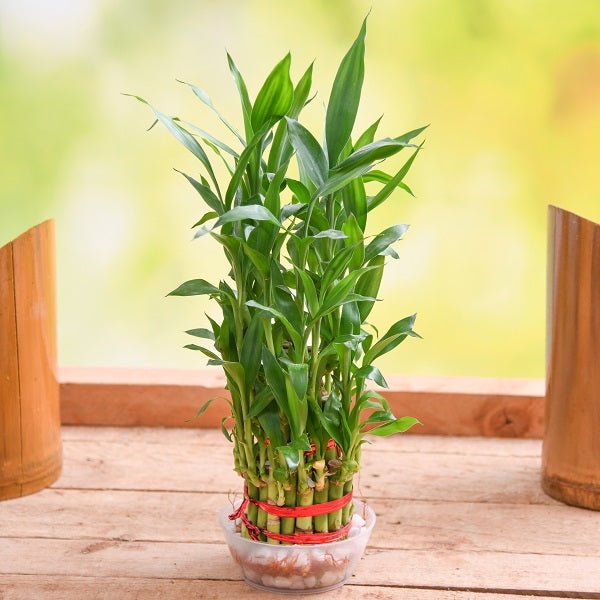
🌿 Recommended options for low-humidity homes

💧Quick care tips

  • Light: Bright, indirect sunlight keeps growth steady 
  • Water: Allow soil to dry completely between waterings 
  • Soil: Use a fast-draining potting mix to prevent root rot 
  • Placement: Keep in warm areas away from cold or hot drafts 
  • Extra care: Rotate pots occasionally for even growth 

🚫 Common mistakes to avoid

  • Overwatering, which is the biggest killer of low-humidity plants 
  • Keeping plants in harsh direct sunlight for long hours 
  • Using heavy, water-retaining soil that suffocates roots 
  • Ignoring drainage holes in pots 
  • Neglecting to dust leaves, reducing photosynthesis 

Explore more options in our indoor plants collection to build a resilient, low-maintenance indoor green space 
Trending Collections

Save 40% with Gardening Solutions

FAQ

Which plants grow well in low humidity areas?

Here at Grow Billion Trees, we recommend succulents like aloe vera and jade plants. They thrive in dry conditions, soaking up the sun and your compliments.

What are the best indoor plants for low humidity?

Consider snake plants and ZZ plants. They’re like the introverts of the plant world—low maintenance and still fabulous, making them perfect for your cozy corners.

Can cacti survive in low humidity?

Absolutely! Cacti are the champions of arid environments. They store water like a squirrel hoarding nuts, making them ideal for your low-humidity home.

How often should I water plants in low humidity?

Watering depends on the plant, but generally, less is more. Check the soil; if it’s dry, give them a drink. Just don’t drown them—plants can’t swim!

Are there flowering plants that thrive in low humidity?

Yes! Look for desert marigolds or certain types of hibiscus. They’ll bloom beautifully, proving that even in dry conditions, life finds a way to party!

What care tips do you have for low humidity plants?

Keep them in bright light, avoid overwatering, and occasionally mist them for a spa day. They’ll appreciate the effort, and you’ll enjoy their vibrant presence.

Can I grow herbs in low humidity?

Definitely! Herbs like rosemary and thyme are perfect for low humidity. They’ll add flavor to your dishes and a touch of green to your kitchen without demanding too much attention.

Do low humidity plants need fertilizer?

Yes, but sparingly! A little fertilizer goes a long way. Think of it as a special treat rather than a daily buffet. Your plants will thank you with vibrant growth!

What are the signs of low humidity stress in plants?

Look for droopy leaves, browning tips, or stunted growth. It’s like your plant’s way of saying, “Hey, I need a little TLC!”

Can I use a humidifier for my low humidity plants?

Absolutely! A humidifier can be a game-changer. It’s like throwing a party for your plants, giving them the moisture they crave without turning your home into a rainforest.

Are there any low humidity plants that are pet-friendly?

Yes! Spider plants and Boston ferns are safe for your furry friends. They’ll add greenery to your home without putting your pets in harm’s way.

How do I choose the right plant for low humidity?

Consider your space, light conditions, and how much time you want to invest. Choose plants that match your lifestyle, and you’ll have a thriving green buddy in no time!