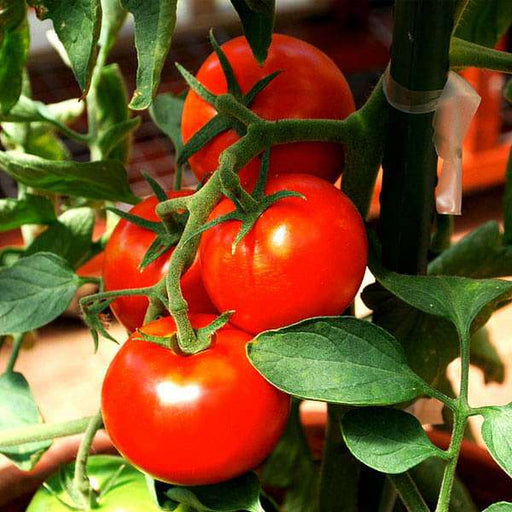
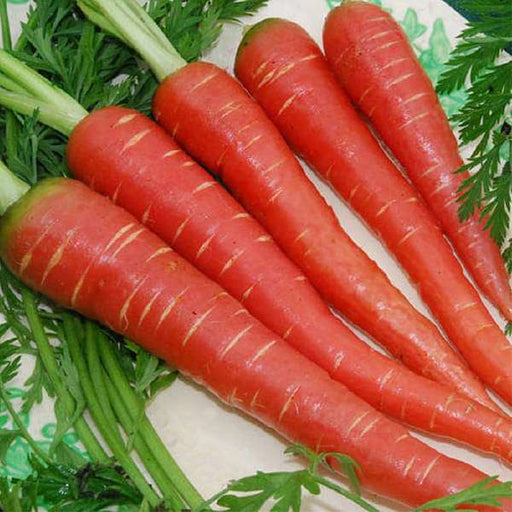
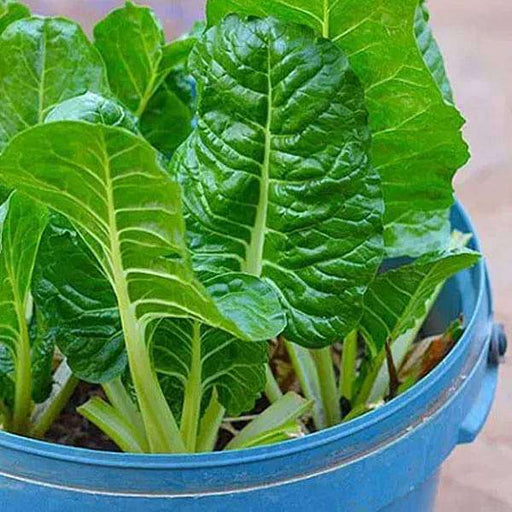
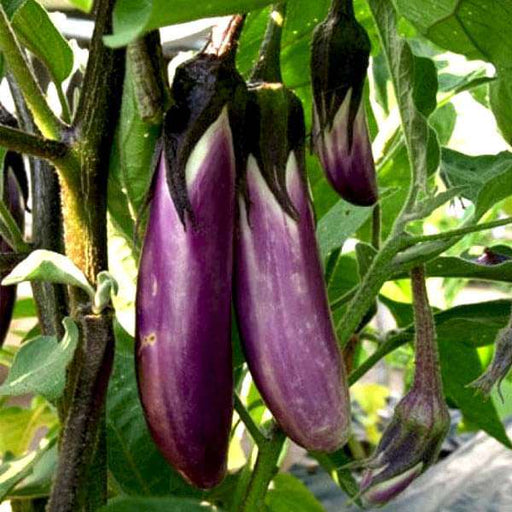
Not recd as per Picture on Website
Available 24/7
Available 24/7
Save 25%
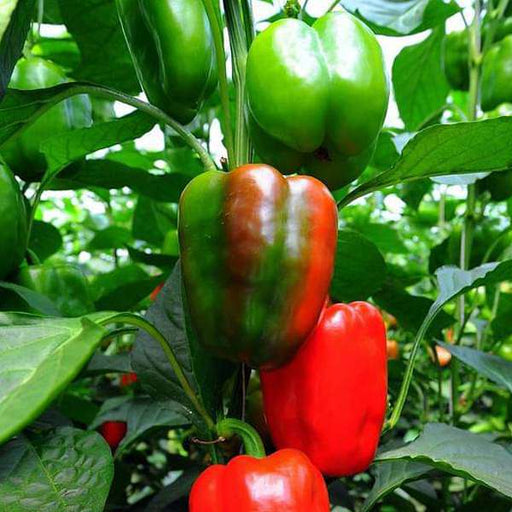
Capsicum Green - Desi Vegetable Seeds Capsicum Green, also known as bell pepper, is a vibrant and nutritious addition to your garden. Thes...
View full details
Save 25%
Coriander Panipat - Desi Vegetable Seeds Coriander Panipat is a premium variety of coriander seeds, cherished for its aromatic leaves and ...
View full details
Save 25%
Balsam Double Mixed Color - Desi Flower Seeds Discover the vibrant beauty of Balsam Double Mixed Color - Desi Flower Seeds, a delightful a...
View full details
Save 25%
Tomato Pusa Ruby - Desi Vegetable Seeds The Tomato Pusa Ruby is a premium variety of tomato seeds, renowned for its vibrant red color, jui...
View full details
Save 25%
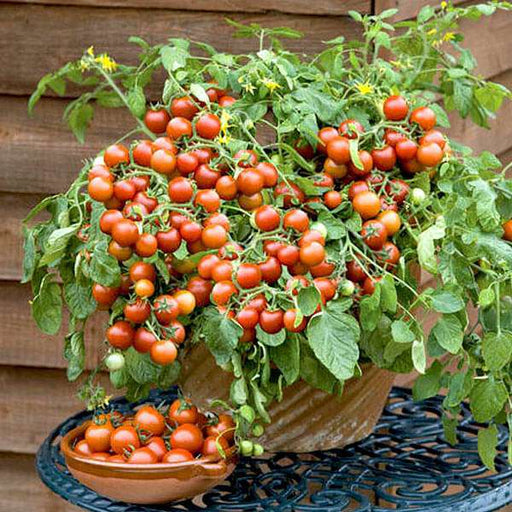
Cherry Tomato, Cherry Tomato Honey - Vegetable Seeds Discover the delightful world of Cherry Tomato Honey seeds, perfect for home gardener...
View full details
Save 25%
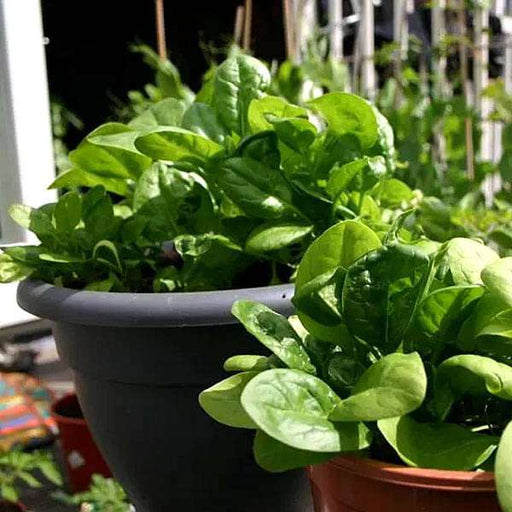
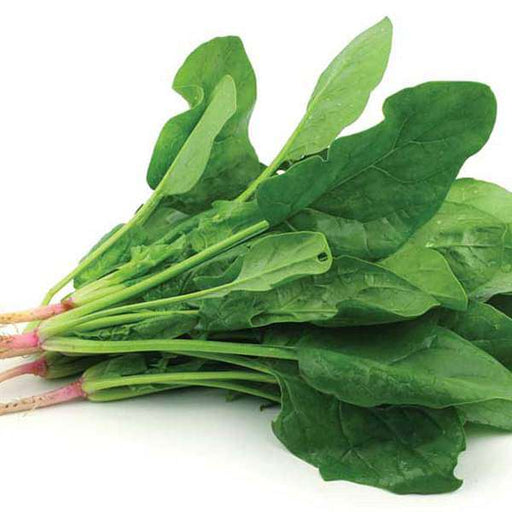
Spinach All Green - Desi Vegetable Seeds Introducing the Spinach All Green - Desi Vegetable Seeds, a premium variety of spinach that thriv...
View full details
Save 25%
Marigold Pusa Basanti - Desi Flower Seeds Discover the vibrant beauty of Marigold Pusa Basanti, a cherished flower in Indian gardens. Know...
View full details
Save 35%
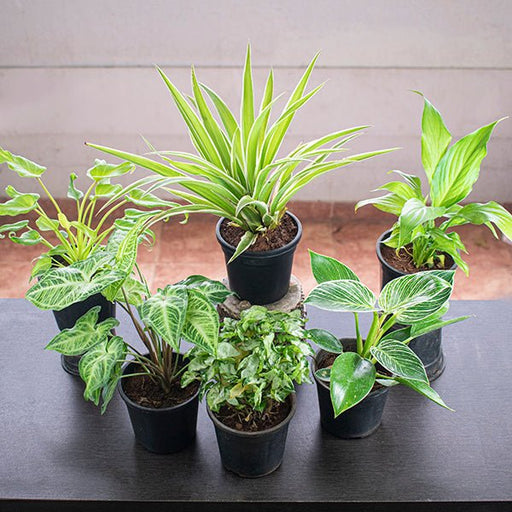
Best 6 Plants for Perfect Indoor Garden Transform your living space into a lush oasis with our curated collection of the Best 6 Plants for a...
View full details
Save up to 50%
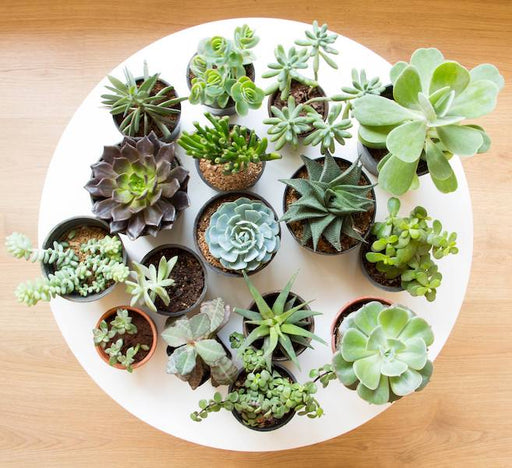
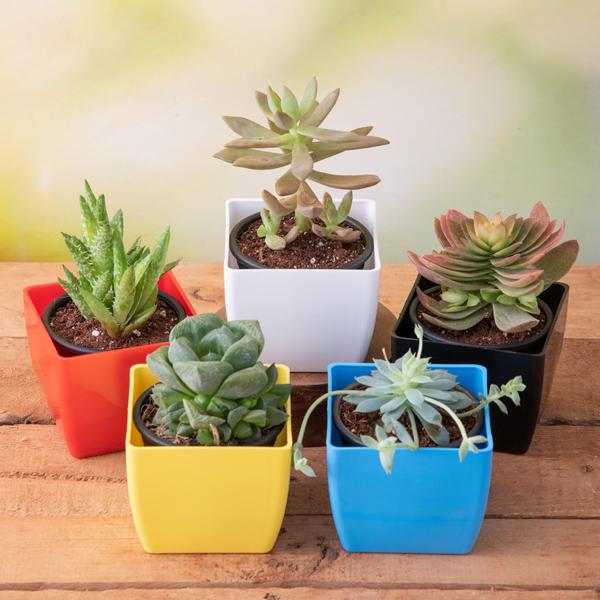
Mini Succulent Garden Pack Transform your space with our Mini Succulent Garden Pack, featuring a delightful collection of 4 any variety beautiful s...
View full details
Save 30%
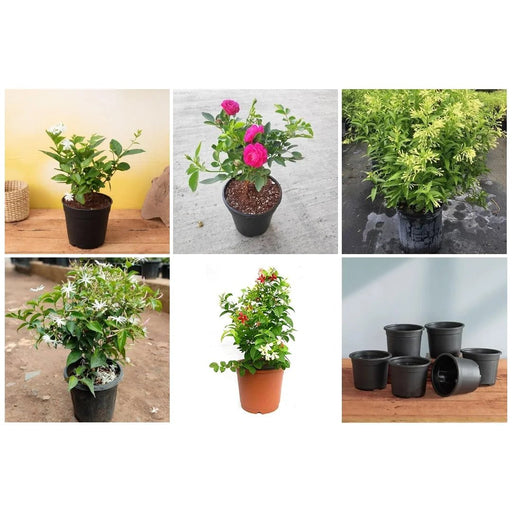
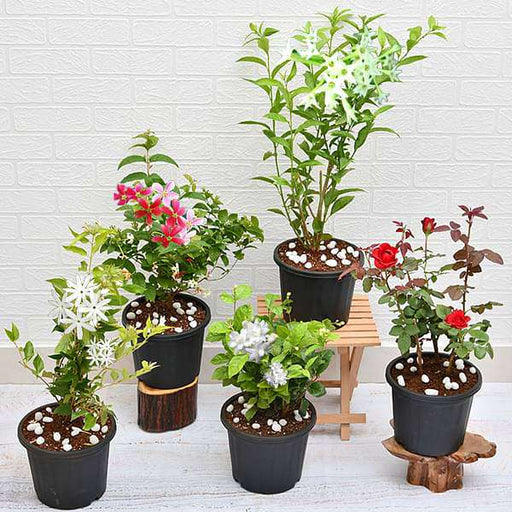
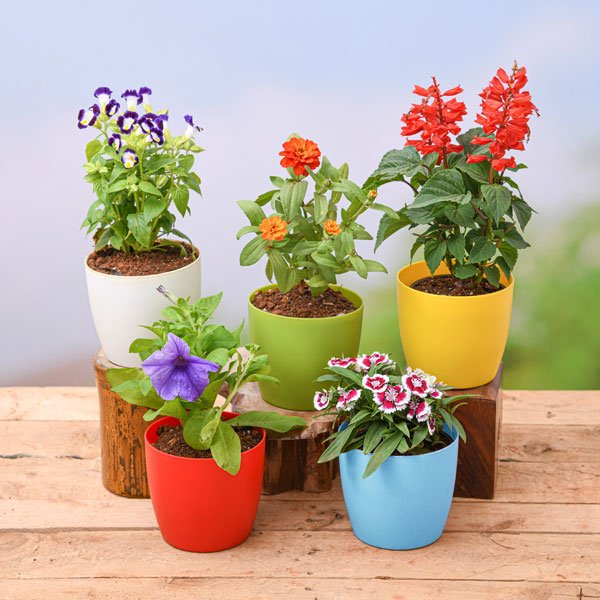
5 Best Fragrant Plants Transform your garden or indoor space into a fragrant paradise with our curated selection of the 5 Best Fragrant Plants. Th...
View full details
Save 24%
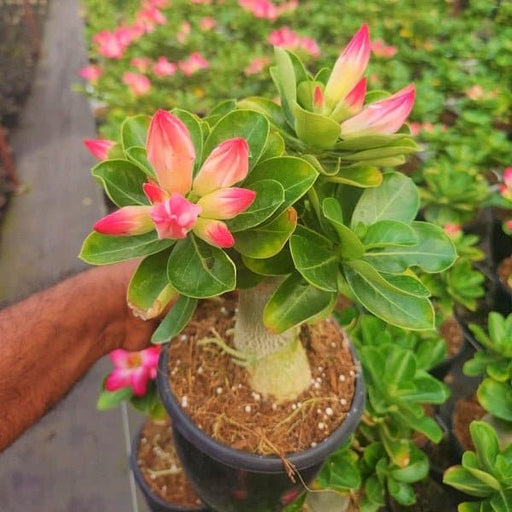
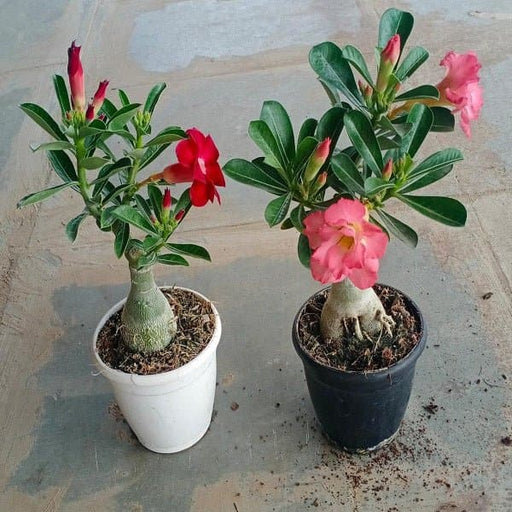
Set of 2 Bonsai Looking Grafted Adeniums Transform your indoor or outdoor space with our exquisite Set of 2 Bonsai Looking Grafted Adenium...
View full details
Save 45%
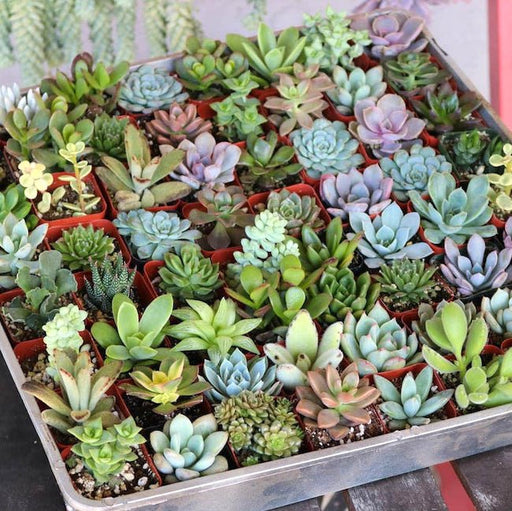
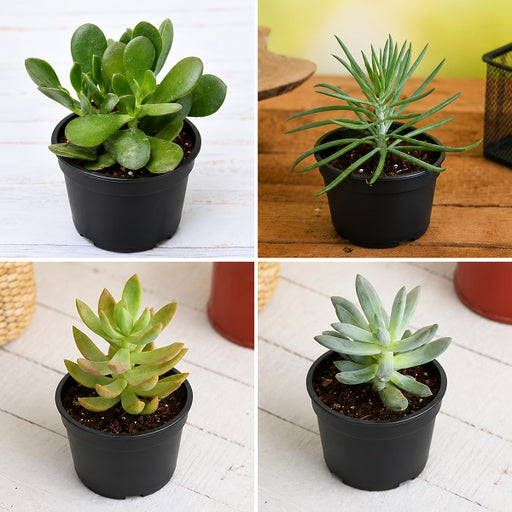
Top 4 Die Hard Succulents Pack Transform your indoor or outdoor space with our Top 4 Die Hard Succulents Pack, featuring a curated selecti...
View full details
Save 30%
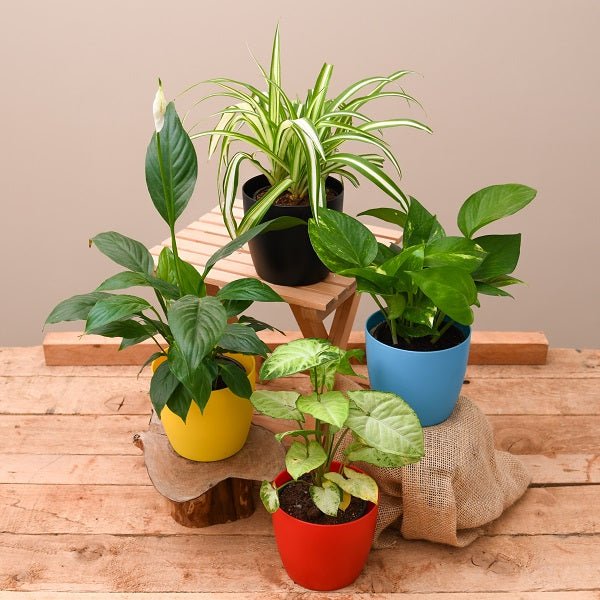
5 Best Indoor Plants Pack Transform your living space into a lush oasis with our '5 Best Indoor Plants Pack.' This carefully curated collection fe...
View full details
Save 25%
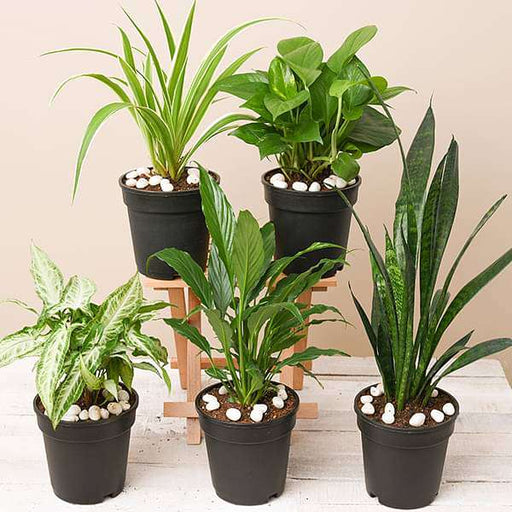
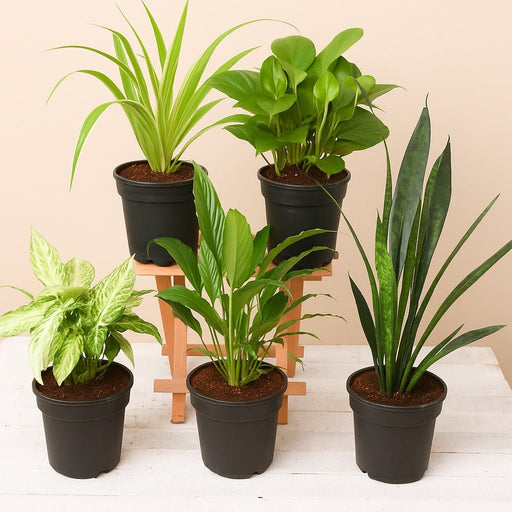
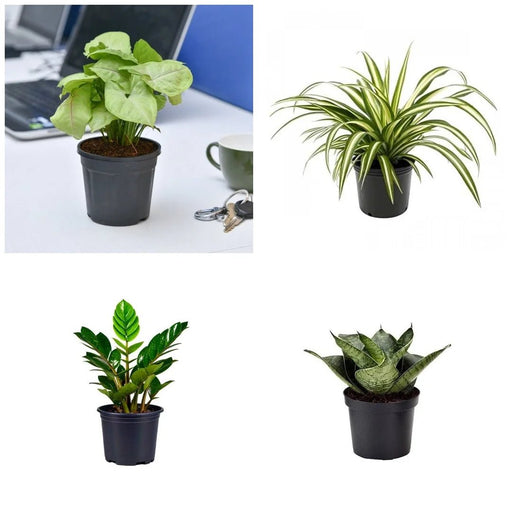
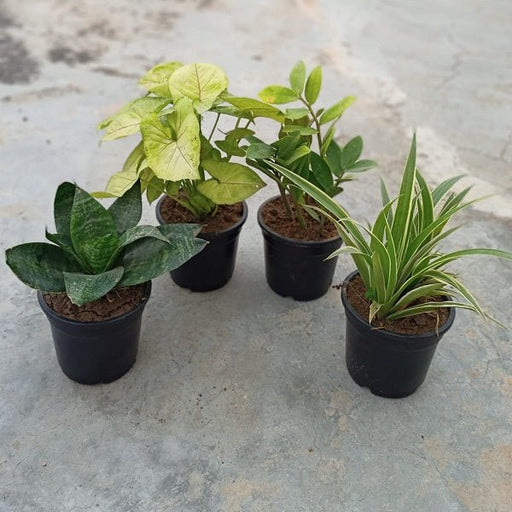
Set of 4 Evergreen Air Purifier Plant Pack Transform your indoor space into a lush, green oasis with our Set of 4 Evergreen Air Purifier Pla...
View full detailsEmbrace the beauty of winter gardening with our Winter Sowing Vegetable Seeds collection. This unique method allows you to start your vegetable garden early, utilizing the natural cold stratification process to enhance seed germination. Our carefully curated selection includes a variety of hardy vegetables that thrive in cooler temperatures, ensuring a bountiful harvest come spring. From vibrant greens to robust root vegetables, this collection is perfect for gardeners looking to extend their growing season.
What makes our Winter Sowing Vegetable Seeds special is their resilience and adaptability. These seeds are specifically chosen for their ability to germinate in cold conditions, allowing you to sow them directly outdoors in winter. This not only saves you time and effort but also promotes stronger, healthier plants. With our seeds, you can enjoy the satisfaction of growing your own food while contributing to sustainable gardening practices.
Growing your own vegetables has never been easier! Our collection includes seeds for popular varieties such as kale, spinach, and carrots. Each seed packet comes with detailed growing instructions, ensuring you have all the information you need to succeed. Plus, winter sowing reduces the need for indoor seed starting, making it an eco-friendly choice for gardeners of all levels.
Historically, winter sowing has roots in traditional gardening practices, where farmers would utilize the natural cycles of the seasons to optimize their harvests. This method not only promotes a more sustainable approach to gardening but also aligns with permaculture principles, encouraging biodiversity and soil health. By choosing our Winter Sowing Vegetable Seeds, you are participating in a time-honored tradition that respects the environment and enhances food security.
From an environmental perspective, winter sowing reduces the need for energy-intensive indoor seed starting setups, minimizing your carbon footprint. Additionally, growing your own vegetables contributes to local food systems, reducing reliance on commercially grown produce that often travels long distances. By cultivating your own garden, you are making a positive impact on the planet while enjoying the freshest, most nutritious vegetables right from your backyard.
There are several methods for sowing vegetable seeds in the winter, including indoor sowing, outdoor sowing, and greenhouse sowing. Each method has its own advantages and disadvantages, and the best one for you will depend on your climate, available space, and gardening goals.
Some vegetable seeds are more cold-tolerant than others and can be sown in the winter without being damaged by frost or snow. Examples of cold-hardy vegetables include kale, broccoli, spinach, and carrots.
Planning your winter vegetable garden is key to a successful harvest. You'll need to consider factors like soil quality, sunlight exposure, and temperature to choose the right seeds and planting locations.
Some of the best winter vegetable seeds to sow include arugula, cabbage, Brussels sprouts, and radishes. These seeds are cold-tolerant and can be sown in the winter for a late winter or early spring harvest.
Starting your seeds indoors or in a greenhouse in the winter can help you get a head start on your spring garden. Just be sure to provide plenty of light and warmth for your seedlings.
When sowing seeds in the winter, you'll need to choose the right containers to keep them protected from the cold. Consider using plastic containers, milk jugs, or other materials that can be easily cut and repurposed.
Having the right tools for winter sowing can make the process much easier and more efficient. Some useful tools include seed trays, garden gloves, trowels, and watering cans.
There are several tips and tricks to help you successfully sow vegetable seeds in the winter. For example, you can pre-germinate your seeds by soaking them in water overnight before planting them.
If you don't have outdoor space for winter sowing, you can still grow vegetables indoors. Consider using grow lights or a sunny windowsill to provide your plants with the light they need.
Outdoor winter sowing can be a great option for those with ample outdoor space. You'll need to choose a sheltered location and protect your seeds from frost and snow.
Proper seed storage is essential for winter sowing success. Be sure to store your seeds in a cool, dry place to prevent them from molding or germinating prematurely.
Cover crops can help improve soil health and protect your winter garden from frost and snow. Consider planting cover crops like clover or rye in the fall.
Caring for your winter garden requires some extra attention and care. Be sure to water your plants regularly and protect them from extreme temperatures and pests.
Winter gardening can have many benefits, including fresh produce during the winter months, improved mental health, and reduced grocery bills.
Winter gardening also comes with its fair share of challenges, such as shorter daylight hours, colder temperatures, and limited plant growth.
You'll need a few essential supplies for your winter gardening, including frost blankets, row covers, and insulated gloves.
There are several gardening techniques that can help you succeed in your winter garden, such as mulching, crop rotation, and companion planting.
Winter gardening can also be a fun and creative outlet for DIY projects. Consider building a DIY greenhouse, creating garden art, or even making your own compost.
If you're new to gardening, winter gardening can be a great way to get started. Start with easy-to-grow vegetables like kale, lettuce, and radishes, and gradually expand your garden as you gain more experience.
There are many resources available to help you succeed in your winter gardening, including online forums, gardening books, and local gardening clubs. Be sure to do your research and reach out to other gardeners for advice and support.

Winter-sowing vegetable seeds in winter can lead to a variety of vegetables that can be grown, such as leafy greens like kale, spinach, and lettuce, as well as root vegetables like carrots, beets, and radishes. Cold-hardy plants like broccoli and cauliflower can also be grown from winter-sown seeds.
Winter-sowing vegetable seeds can have many advantages, such as lower risk of pests and diseases, as well as less competition from weeds. In addition, winter-sowing can help extend the growing season for some vegetables, allowing for earlier harvesting.
The best time to winter-sow vegetable seeds varies based on your location and climate. Generally, it's best to sow the seeds before the ground freezes, typically in late fall or early winter.
Preparing your garden for winter-sowing involves clearing any debris, weeds, or other plant matter from the area where you plan to sow your seeds. You may also want to amend the soil with compost or other organic matter to improve its nutrient content.
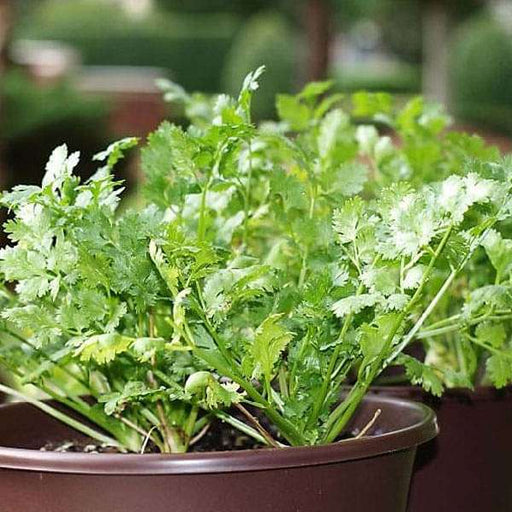
To sow vegetable seeds in winter, start by filling a container with a mix of potting soil and seed-starting mix. Plant the seeds according to the instructions on the seed packet, cover them with a thin layer of soil, and water them lightly. Then, place the container outside in a protected area where it will receive adequate sunlight and moisture.
It's important to keep the soil moist but not waterlogged when winter-sowing vegetable seeds. Water the container as needed, but be careful not to overwater, as this can lead to root rot.
Winter-sown vegetable seeds may need protection from harsh weather conditions like frost or heavy snow. You can use a variety of methods to protect the seeds, such as covering them with a layer of mulch, placing them in a cold frame, or wrapping the container with insulation.
The time it takes for winter-sown vegetable seeds to germinate varies based on the specific vegetable and the conditions in which it's sown. Generally, you can expect germination to occur within 1-3 weeks.
Yes, once the winter-sown vegetable seedlings are large enough, they can be transplanted into the garden. Be sure to harden off the seedlings first by gradually exposing them to outdoor conditions over a period of several days.
Caring for winter-sown vegetable plants involves providing them with adequate sunlight, water, and nutrients. You may also need to protect them from pests and diseases, depending on your growing conditions.
Yes, winter-sown vegetables can be grown indoors as long as they receive adequate sunlight or artificial light. Be sure to provide adequate ventilation and avoid overcrowding the plants.
Yes, you can save seeds from winter-sown vegetable plants for future planting. Be sure to properly store the seeds in a cool, dry place to ensure their viability.
Winter-sowing vegetable seeds have many benefits. Firstly, sowing in winter allows the seeds to experience natural cold stratification, which can improve their germination rates. Additionally, winter-sowing can help extend the growing season, as many winter-sown plants will be ready for harvest in the spring. This can be particularly useful for gardeners who want to get a head start on their growing season. Finally, winter-sowing can help save space in the garden, as the plants can be started indoors during the winter months, freeing up space for other crops later in the season.
Many different types of vegetables can be winter-sown, including cool-season crops like lettuce, spinach, and kale, as well as hardy root vegetables like carrots and parsnips. Other vegetables that can be winter-sown include broccoli, cauliflower, and cabbage, as well as peas, beans, and even some herbs.
Preparing your garden for winter-sowing involves a few key steps. Firstly, you'll need to clear any debris or plant matter from the area where you plan to sow your seeds. You'll also need to ensure that the soil is loose and well-draining, so that the seeds have the best chance of germinating. If necessary, you may need to amend the soil with compost or other organic matter to improve its texture and fertility. Finally, you'll need to mark out the area where you plan to sow your seeds, so that you can keep track of where they are and ensure that they get the right amount of water and nutrients as they grow.
Winter-sown vegetables should be watered regularly, but not over-watered. You'll want to keep the soil moist, but not soggy, to ensure that the seeds germinate properly and the plants grow strong and healthy. Depending on the weather conditions in your area, you may need to water your plants every few days, or even once a week. Be sure to check the soil regularly to determine whether it needs watering.
Yes, a greenhouse or cold frame can be a great way to winter-sow vegetables. These structures can help protect the seeds and seedlings from harsh winter weather, while also allowing them to get plenty of light and air. If you're planning to use a greenhouse or cold frame, be sure to choose a location that gets plenty of sun, and ensure that the structure is well-ventilated to prevent the buildup of excess moisture.
If your winter-sown seeds don't germinate, there are a few things you can do. Firstly, you may need to give the seeds more time, as some varieties can take longer to germinate than others. If you're sure that the seeds are still viable but haven't germinated, you may want to try re-sowing them in a different location or under different conditions. Additionally, you may need to adjust your watering or soil conditions to ensure that the seeds have the best chance of germinating.
The timing of your winter-sown vegetable harvest will depend on the types of vegetables you've planted, as well as the weather conditions in your area. Generally speaking, most winter-sown vegetables will be ready for harvest in the early spring, with some varieties continuing to produce throughout the summer months. Be sure to check the seed packets for specific information about the expected harvest times for each variety.
Yes, you can grow winter vegetables in containers. Choose a large pot or container and make sure it has good drainage. Fill the container with high-quality potting soil and plant your winter vegetables according to their specific planting instructions.