Skip to content

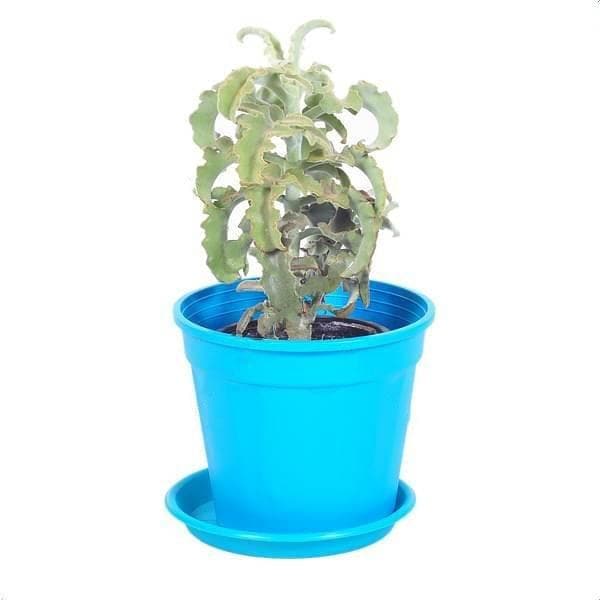
Kalanchoe beharensis felt bush, Kalanchoe beharensis maltese cross - Succulent Plant

Sold out
Original price ₹ 199
₹ 199
₹ 199
Current price ₹ 199

Product includes

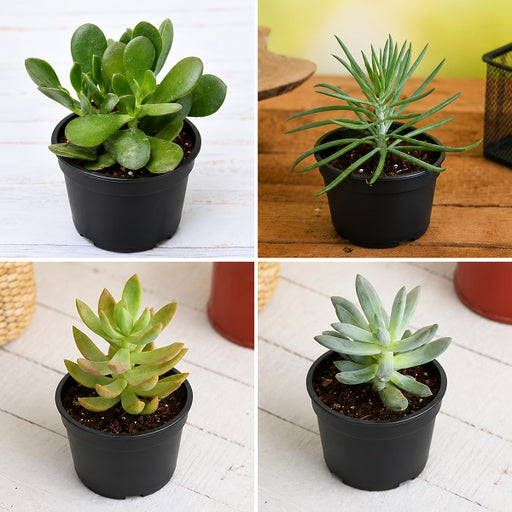
SrNoItem NameQty
2Kalanchoe beharensis felt bush Succulent Plant in 3 inch (8cm) Pot1

Kalanchoe beharensis Felt Bush & Maltese Cross - Succulent Plant

The Kalanchoe beharensis, commonly known as the Felt Bush or Maltese Cross, is a striking succulent native to Madagascar. This unique plant features thick, felt-like leaves that are grayish-green, giving it a distinctive appearance. Its architectural form and ability to thrive in arid conditions make it a favorite among succulent enthusiasts and collectors alike.

What sets the Kalanchoe beharensis apart is its remarkable resilience and adaptability. This succulent can grow up to 3 feet tall, showcasing its bold, upright growth habit. The plant produces clusters of small, tubular flowers that can add a splash of color to your garden or indoor space, making it not just a plant, but a statement piece.

Special features of the Kalanchoe beharensis include its ability to store water in its leaves, allowing it to survive in drought conditions. Additionally, it has a unique ability to propagate easily, making it an excellent choice for both novice and experienced gardeners.

Growing Instructions:

  • Plant in well-draining soil, preferably a cactus or succulent mix.
  • Place in a location with bright, indirect sunlight for optimal growth.
  • Water sparingly; allow the soil to dry out completely between waterings.
  • Ideal temperature range is between 65°F to 80°F (18°C to 27°C).

Care Instructions:

  • Fertilize with a diluted cactus fertilizer during the growing season (spring and summer).
  • Remove dead leaves and spent flowers to promote healthy growth.
  • Monitor for pests such as mealybugs and aphids; treat promptly if found.
  • Repot every 2-3 years to refresh soil and provide more space for growth.

Uses:

  • Perfect for indoor decoration, adding a touch of greenery to your home.
  • Great for xeriscaping and low-water gardens.
  • Can be used in succulent arrangements or as a standalone feature plant.

Fun Facts:

  • Kalanchoe beharensis is known for its ability to propagate from leaf cuttings, making it easy to share with friends.
  • This succulent has been used in traditional medicine in some cultures for its purported healing properties.
  • Its unique leaf texture helps reduce water loss, making it an eco-friendly choice for sustainable gardening.

Kalanchoe Beharensis Care

If you think caring for a Kalanchoe Beharensis is as easy as pie, think again! This succulent diva demands attention, but don’t worry, it’s not high maintenance. Just give it well-draining soil, a sunny spot, and a sprinkle of love. Water it like you mean it, but don’t drown it—this plant prefers to sip rather than gulp. With a little TLC, your felt bush will thrive and reward you with its fuzzy leaves and charming presence.

Maltese Cross Succulent

The Maltese Cross is not just a pretty face; it’s a succulent with a flair for drama! Known for its striking red flowers, this plant is the life of the party. It’s like the flamboyant cousin at family gatherings—always stealing the spotlight. Just ensure it gets plenty of sunlight and a dash of water, and it will bloom like it’s on a catwalk. Who knew a succulent could be so stylish?

Felt Bush Characteristics

The Kalanchoe Beharensis, or felt bush, is like the teddy bear of the succulent world—soft, cuddly, and oh-so-adorable! Its fuzzy leaves are not just for show; they help retain moisture, making it a low-maintenance companion. This plant can grow tall and proud, reaching heights that will make your other succulents green with envy. With its unique texture and quirky personality, the felt bush is sure to become the star of your succulent collection.

Succulent Plant Tree

Who said trees can’t be cute? The Kalanchoe Beharensis is here to prove that even succulents can reach for the sky! This succulent plant tree can grow into a small, bushy wonder that adds a touch of whimsy to your garden. It’s like having a miniature tree that doesn’t require a forest to thrive. Just give it the right conditions, and watch it grow tall and proud, making your garden feel like a succulent wonderland.

Kalanchoe Beharensis Propagation

Ready to expand your succulent empire? Propagating Kalanchoe Beharensis is as easy as pie—if pie were made of leaves! Simply take a leaf or stem cutting, let it callous over, and plant it in well-draining soil. With a little patience and a sprinkle of luck, you’ll have new felt bushes sprouting up like they’re auditioning for a role in your garden. It’s the perfect way to share the love (and the plants) with friends!

Kalanchoe Beharensis Varieties

The Kalanchoe Beharensis family is like a quirky bunch of relatives—each with its own unique charm! From the classic felt bush to the Maltese Cross, these varieties bring a delightful diversity to your succulent collection. Each one has its own personality, so whether you prefer the fuzzy leaves or the vibrant flowers, there’s a Kalanchoe for everyone. Collect them all and create a succulent family reunion in your garden!

Indoor Succulent Gardening

Who says you need a backyard to enjoy succulents? Indoor succulent gardening is the perfect way to bring a touch of nature into your home. The Kalanchoe Beharensis thrives indoors, adding a pop of personality to your living space. Just find a sunny windowsill, and let these plants bask in the light. With their low maintenance needs, you can enjoy the beauty of succulents without the hassle of outdoor gardening.

Kalanchoe Beharensis Light Requirements

Light, camera, action! The Kalanchoe Beharensis loves the spotlight, but not too much! This succulent prefers bright, indirect sunlight—think of it as the diva who needs a good lighting setup for their best angles. Too much direct sun can scorch those lovely leaves, while too little can leave it feeling gloomy. Find that sweet spot, and your felt bush will thrive like a star on the red carpet.

Kalanchoe Beharensis Soil Needs

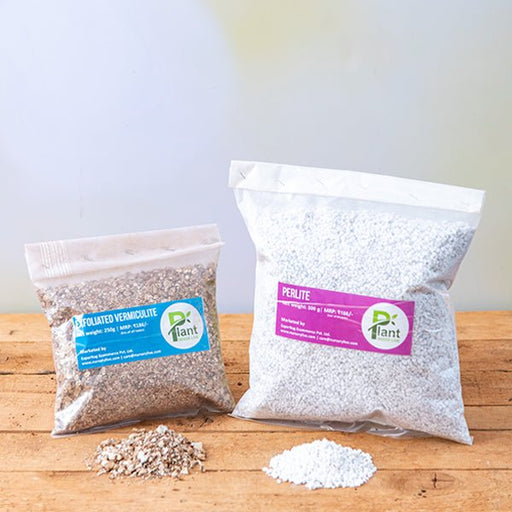
When it comes to soil, the Kalanchoe Beharensis is a bit of a snob. It demands well-draining soil that allows its roots to breathe and thrive. Think of it as a luxury spa for plants—no soggy bottoms allowed! A mix of potting soil and sand or perlite will do the trick. With the right soil, your felt bush will flourish, proving that even succulents have their standards.

Kalanchoe Beharensis Watering Tips

Watering a Kalanchoe Beharensis is like a delicate dance—too much and you’ll drown it, too little and it’ll wilt. The key is to let the soil dry out between waterings, giving your plant a chance to breathe. It’s a succulent, not a fish! When you do water, give it a good soak, allowing the roots to drink deeply. Follow these tips, and your felt bush will be the picture of health and happiness.

Kalanchoe Beharensis Pests

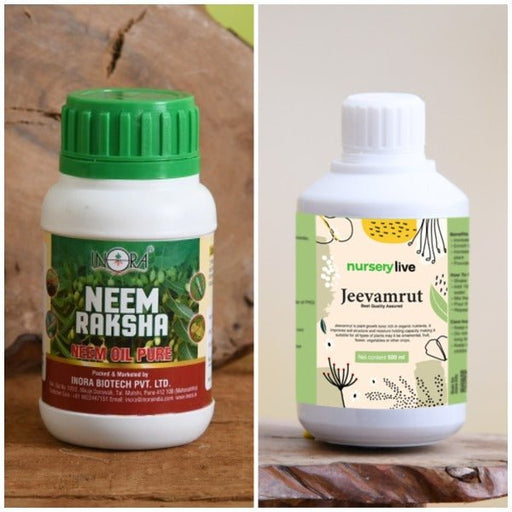
Even the most charming plants can attract unwanted guests! The Kalanchoe Beharensis is no exception, as pests like mealybugs and aphids may try to crash the party. But fear not! A little neem oil or insecticidal soap can send those pests packing. Keep an eye on your felt bush, and with a bit of vigilance, you’ll keep it pest-free and thriving, ensuring it remains the belle of the succulent ball.

Trending Collections

Save 40% with Gardening Solutions

You may also need

FAQ

What is Kalanchoe beharensis?

Kalanchoe beharensis, also known as the felt bush, is a succulent plant with fuzzy, felt-like leaves. It’s like nature’s own plush toy, perfect for those who want a touch of greenery without the fuss of high maintenance. This succulent thrives in bright light and adds a unique texture to your plant collection.

How do I care for Kalanchoe beharensis?

Caring for Kalanchoe beharensis is a breeze! Provide it with well-draining soil, bright indirect sunlight, and water only when the soil is dry. Think of it as a low-maintenance roommate that only needs attention occasionally. Just avoid overwatering, or it might throw a tantrum and develop root rot!

What is the Maltese Cross variety?

The Maltese Cross is a stunning variety of Kalanchoe beharensis, known for its unique leaf shape resembling a cross. It’s like the plant world’s version of a fashion statement! This succulent not only looks fabulous but also thrives in similar conditions as its felt bush cousin, making it a must-have for collectors.

Can Kalanchoe beharensis bloom?

Yes, Kalanchoe beharensis can bloom, but don’t hold your breath! When it does, expect clusters of small, tubular flowers that are quite the sight. However, this succulent prefers to focus on its fabulous foliage rather than showy blooms, so don’t be surprised if it’s more about the leaves than the flowers.

Is Kalanchoe beharensis pet-friendly?

Good news for pet lovers! Kalanchoe beharensis is considered non-toxic to cats and dogs. So, you can enjoy your fuzzy friend without worrying about your furry companions nibbling on it. Just remember, while it’s safe, it’s still a plant, and pets might find it intriguing enough to investigate!

How often should I water Kalanchoe beharensis?

Water Kalanchoe beharensis when the top inch of soil feels dry, usually every 2-3 weeks. Think of it as a succulent spa day—too much water, and it’ll feel overwhelmed. Keep it on a schedule, and your plant will thrive like it’s on a tropical vacation!

What type of soil is best for Kalanchoe beharensis?

A well-draining cactus mix is the VIP choice for Kalanchoe beharensis. It’s like giving your plant a luxury suite where it can breathe and thrive. You can also mix regular potting soil with sand or perlite to ensure it doesn’t drown in its own success!

Can I propagate Kalanchoe beharensis?

Absolutely! Propagating Kalanchoe beharensis is as easy as pie. Simply take a leaf or stem cutting, let it callous over for a day, and then plant it in well-draining soil. With a little patience and love, you’ll have new little succulents ready to take over your space!

What pests should I watch for?

Kalanchoe beharensis can attract pests like mealybugs and aphids, but don’t panic! A gentle wipe with soapy water or neem oil can send them packing. Think of it as a plant spa treatment—keeping your succulent healthy and pest-free while ensuring it looks fabulous!

How big does Kalanchoe beharensis get?

Kalanchoe beharensis can grow up to 3 feet tall, making it a statement piece in any succulent collection. It’s like the gentle giant of the plant world, bringing a touch of drama without being too demanding. Just give it space to spread its fuzzy leaves and enjoy the show!

Is Kalanchoe beharensis suitable for indoors?

Yes, Kalanchoe beharensis is perfect for indoor spaces! It loves bright light and can thrive on a sunny windowsill. Just remember to rotate it occasionally to ensure even growth. It’s like giving your plant a little workout while it shows off its fuzzy charm!
When is the best time to repot Kalanchoe beharensis?

The best time to repot Kalanchoe beharensis is in spring when it’s waking up from its winter slumber. This is when it’s ready to stretch its roots and grow. Just be gentle, and your succulent will reward you with vibrant growth and that signature fuzzy charm!