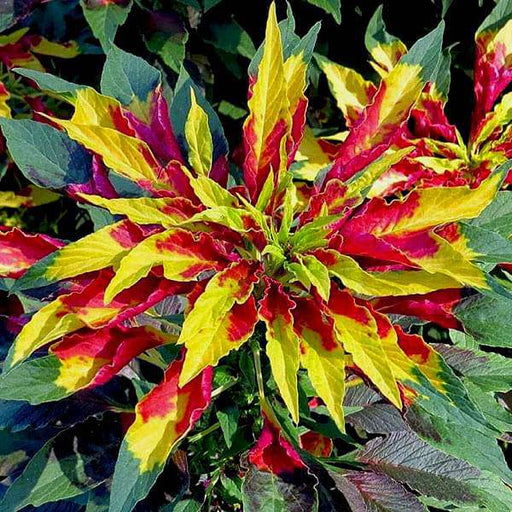
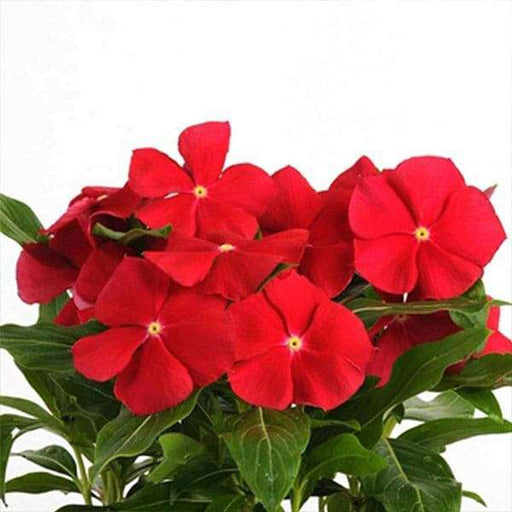
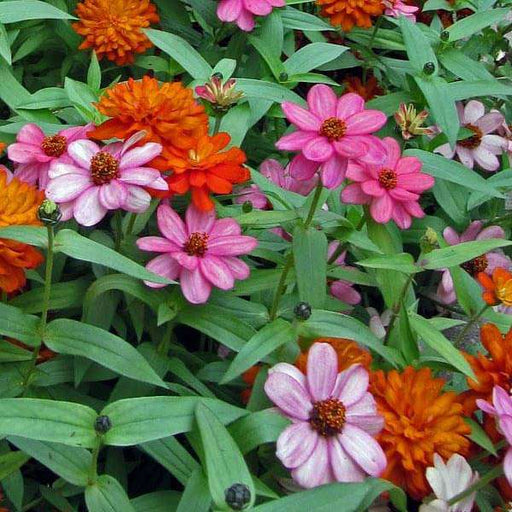
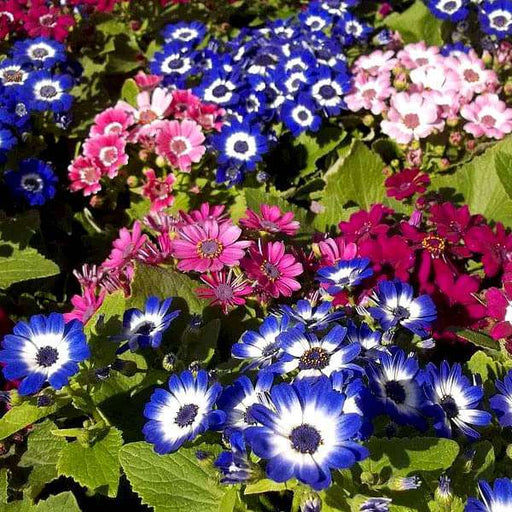
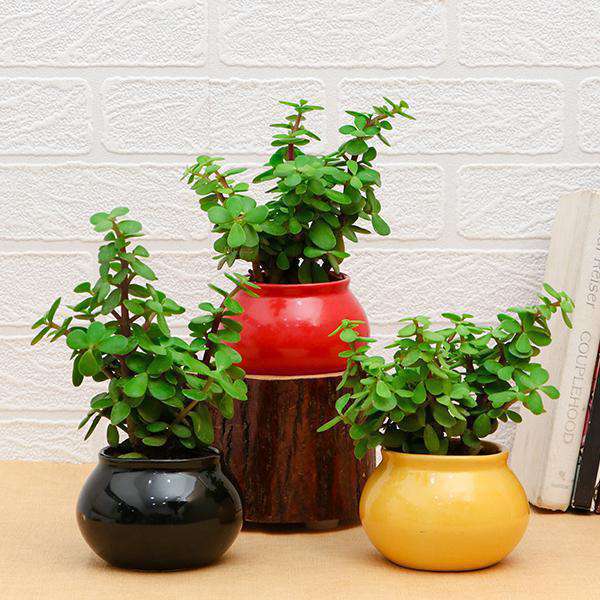
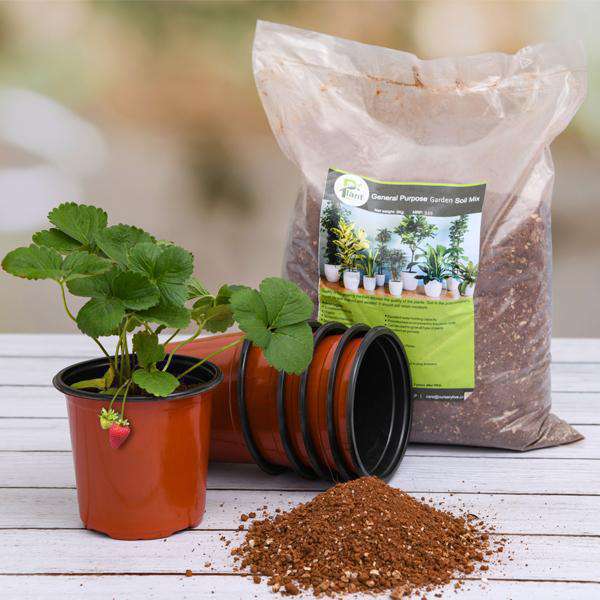
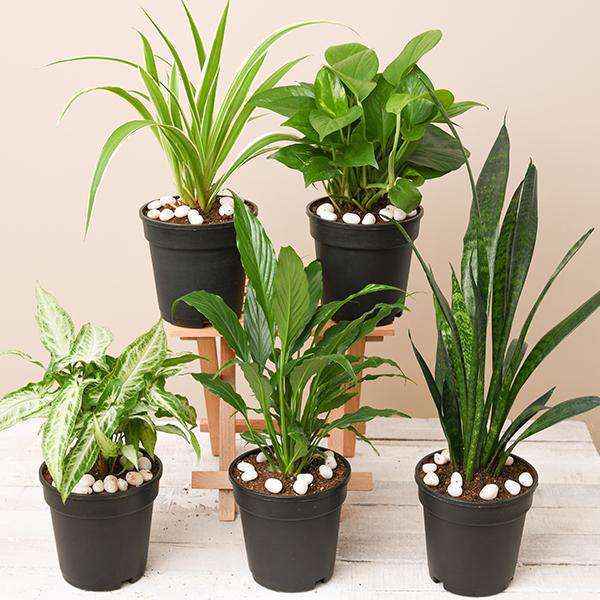
Perfect plant to bring contrast colours in your garden. but their price is toooooooo much high
Product was never delivered.
I receive this plant as a gift and its growing very well.
Good
Save 25%
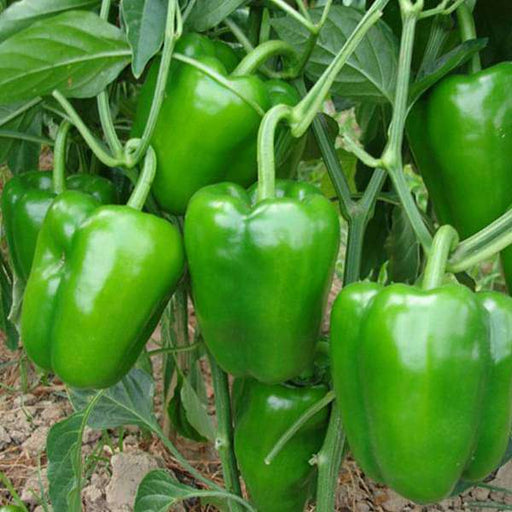
Capsicum Green - Desi Vegetable Seeds Capsicum Green, also known as bell pepper, is a vibrant and nutritious addition to your garden. Thes...
View full details
Save 25%
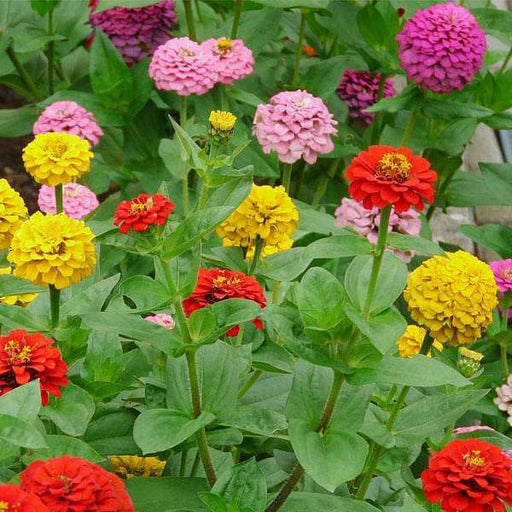
Zinnia Dahlia Mixed Color - Desi Flower Seeds Transform your garden into a vibrant tapestry of colors with our Zinnia Dahlia Mixed Color -...
View full details
Save 25%
Coriander Panipat - Desi Vegetable Seeds Coriander Panipat is a premium variety of coriander seeds, cherished for its aromatic leaves and ...
View full details
Save 25%
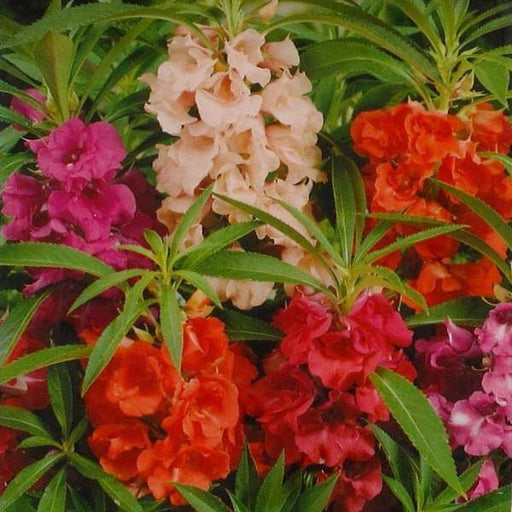
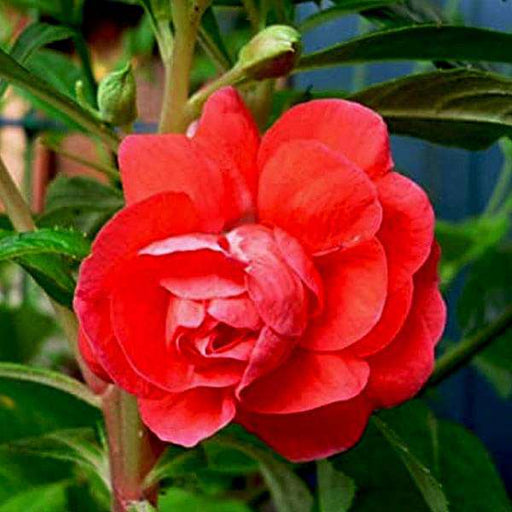
Balsam Double Mixed Color - Desi Flower Seeds Discover the vibrant beauty of Balsam Double Mixed Color - Desi Flower Seeds, a delightful a...
View full details
Save 25%
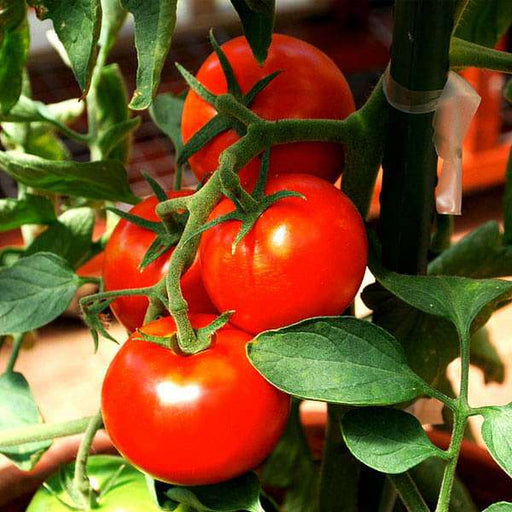
Tomato Pusa Ruby - Desi Vegetable Seeds The Tomato Pusa Ruby is a premium variety of tomato seeds, renowned for its vibrant red color, jui...
View full details
Save 25%
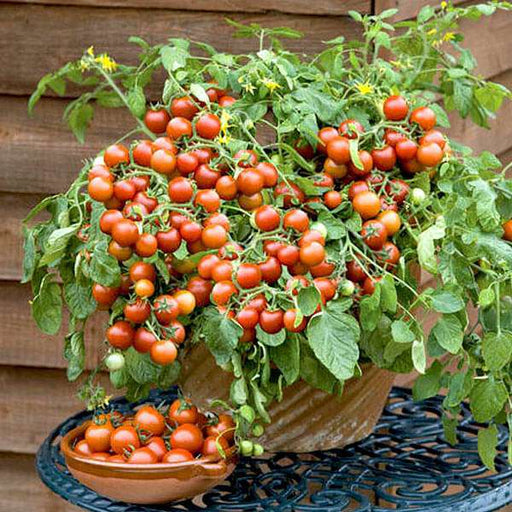
Cherry Tomato, Cherry Tomato Honey - Vegetable Seeds Discover the delightful world of Cherry Tomato Honey seeds, perfect for home gardener...
View full details
Save 25%
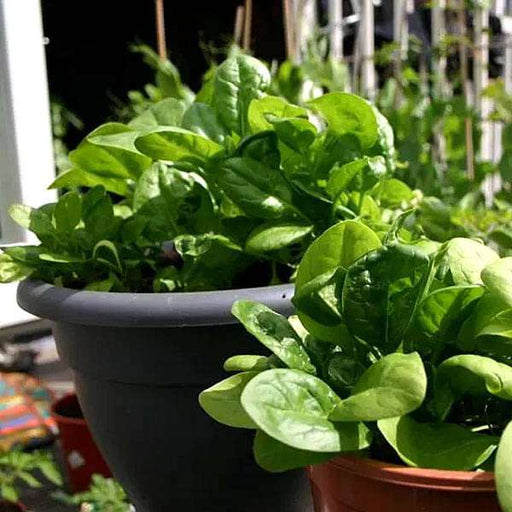
Spinach All Green - Desi Vegetable Seeds Introducing the Spinach All Green - Desi Vegetable Seeds, a premium variety of spinach that thriv...
View full details
Save 35%
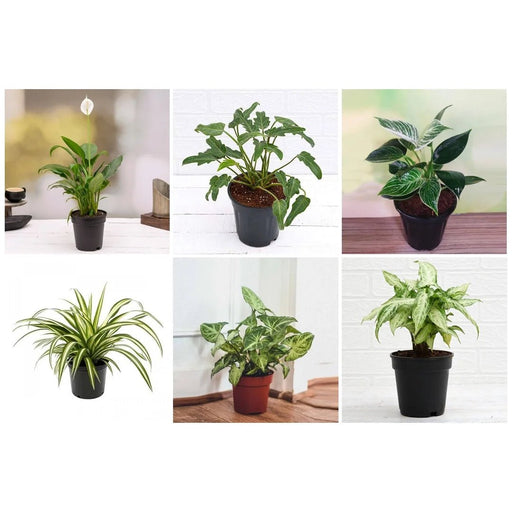
Best 6 Plants for Perfect Indoor Garden Transform your living space into a lush oasis with our curated collection of the Best 6 Plants for a...
View full details
Save up to 50%
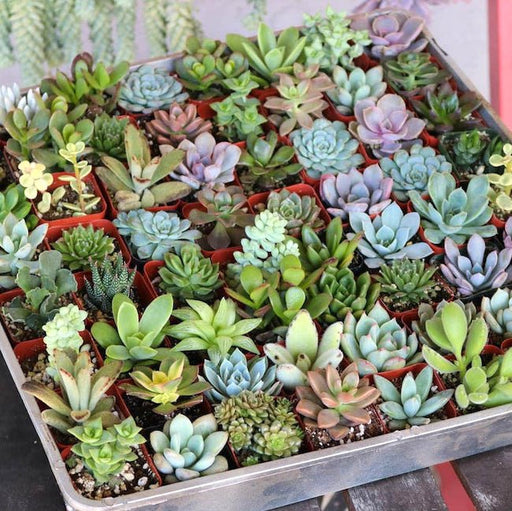
Mini Succulent Garden Pack Transform your space with our Mini Succulent Garden Pack, featuring a delightful collection of 4 any variety beautiful s...
View full details
Save 30%
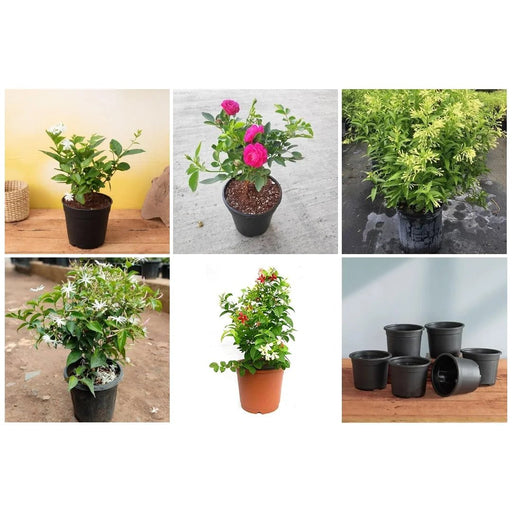
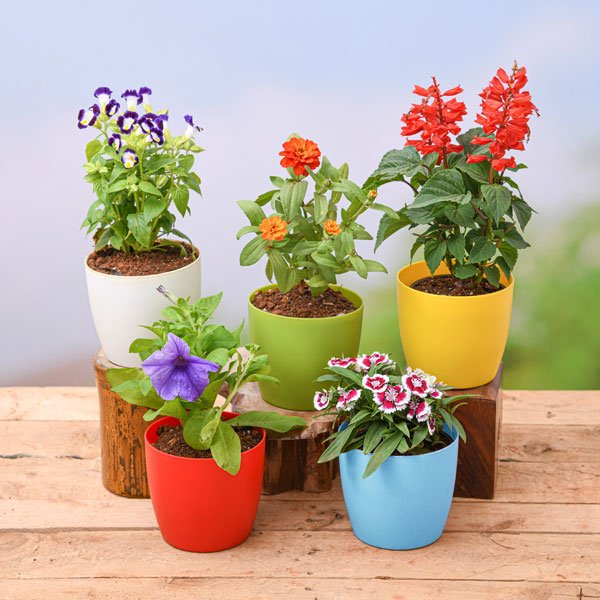
5 Best Fragrant Plants Transform your garden or indoor space into a fragrant paradise with our curated selection of the 5 Best Fragrant Plants. Th...
View full details
Save 24%
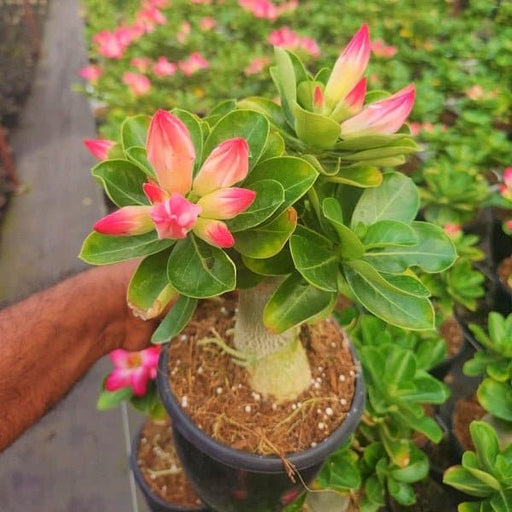
Set of 2 Bonsai Looking Grafted Adeniums Transform your indoor or outdoor space with our exquisite Set of 2 Bonsai Looking Grafted Adenium...
View full details
Save 45%
Top 4 Die Hard Succulents Pack Transform your indoor or outdoor space with our Top 4 Die Hard Succulents Pack, featuring a curated selecti...
View full details
Save 30%
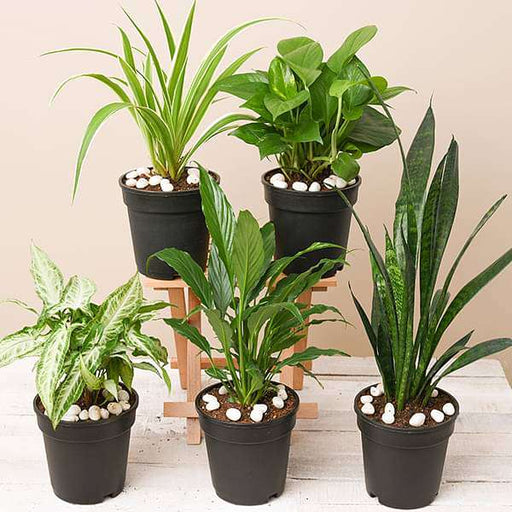
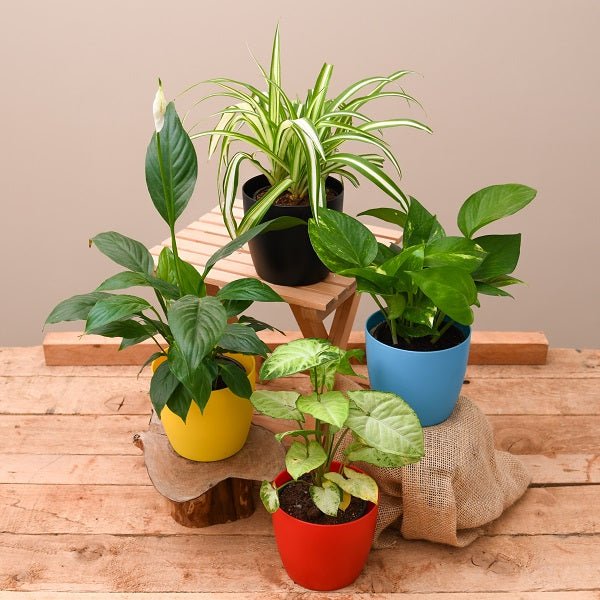
5 Best Indoor Plants Pack Transform your living space into a lush oasis with our '5 Best Indoor Plants Pack.' This carefully curated collection fe...
View full details
Save 25%
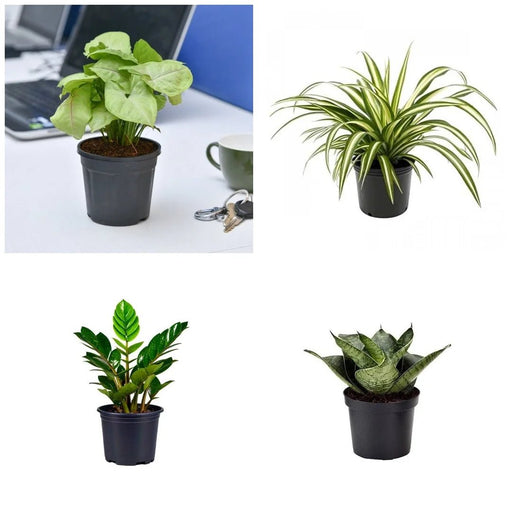
Set of 4 Evergreen Air Purifier Plant Pack Transform your indoor space into a lush, green oasis with our Set of 4 Evergreen Air Purifier Pla...
View full detailsWelcome to our Rainy Sowing Flower Seeds collection, where nature's beauty meets the refreshing embrace of rain. This carefully curated selection features a variety of vibrant flower seeds that thrive in wet conditions, ensuring your garden flourishes even during the rainy season. From delicate daisies to bold sunflowers, each seed packet is packed with potential, ready to transform your outdoor space into a colorful oasis.
What makes our Rainy Sowing Flower Seeds special is their resilience and adaptability. These seeds are specifically chosen for their ability to germinate and grow in moist soil, making them perfect for regions with heavy rainfall. Not only do they add aesthetic value to your garden, but they also support local ecosystems by attracting pollinators and providing habitats for beneficial insects.
Growing your own flowers from our Rainy Sowing collection is a rewarding experience. With simple care instructions and a little patience, you can enjoy a flourishing garden that thrives in the rain. Whether you're a seasoned gardener or a beginner, our seeds are designed to make your gardening journey enjoyable and successful.
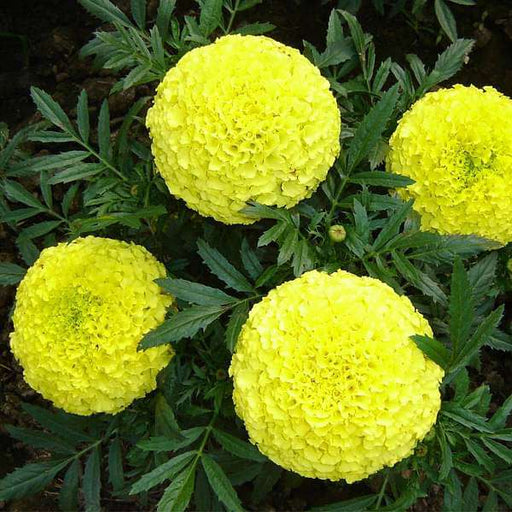
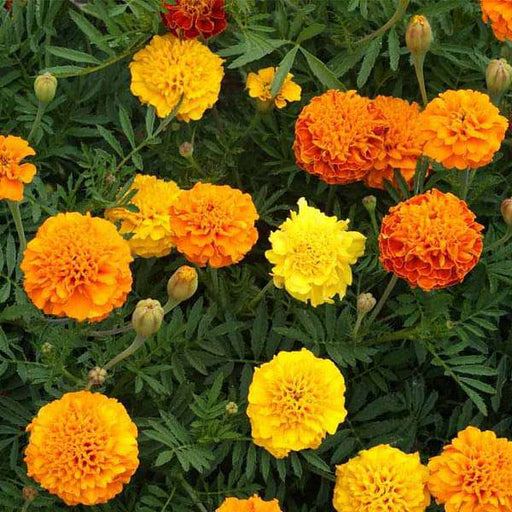
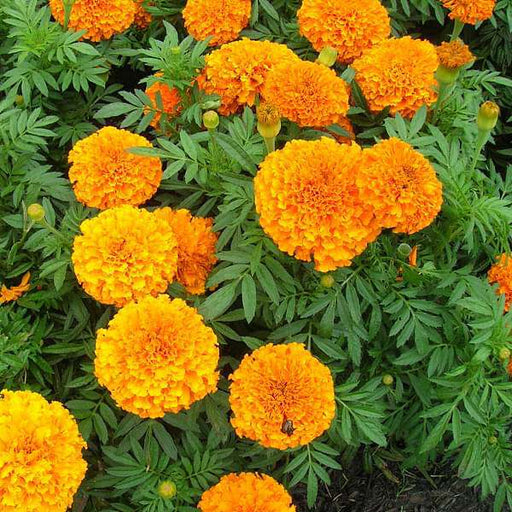
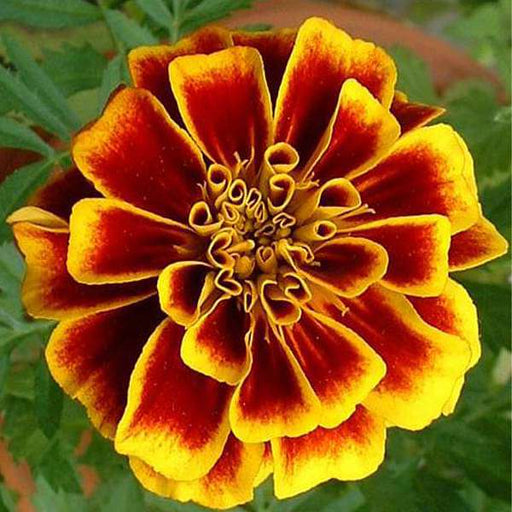
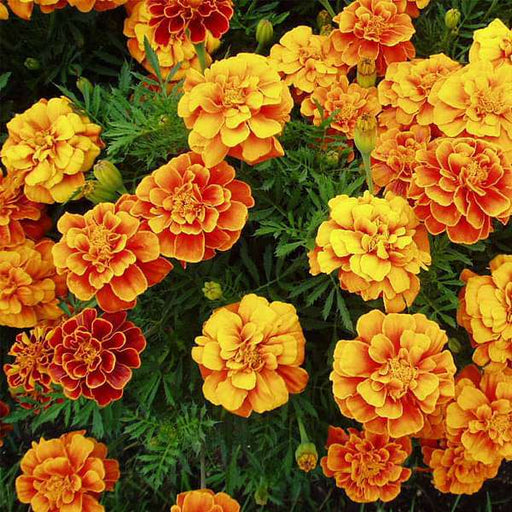
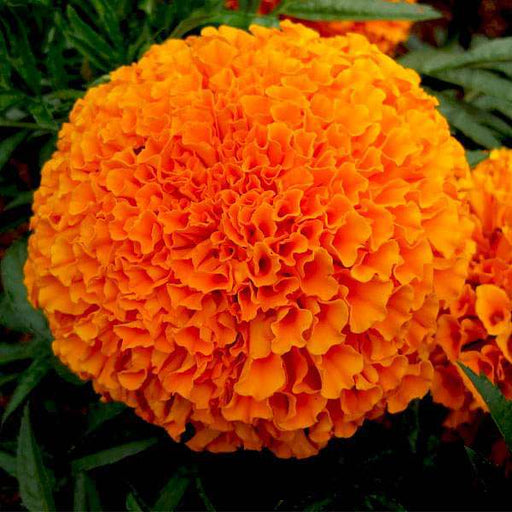
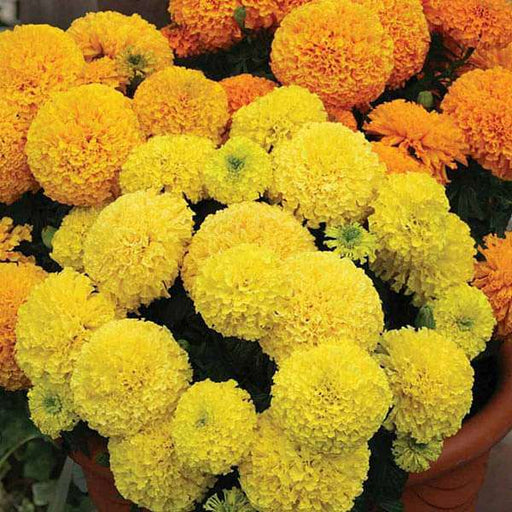
Flowering plants play a crucial role in our ecosystem, contributing to biodiversity and supporting food webs. Many species in our Rainy Sowing collection have been used for centuries in traditional medicine and cultural practices. For instance, the marigold has been revered in various cultures for its healing properties and is often used in celebrations and rituals.
Historically, flowers have been symbols of love, beauty, and resilience. The ability of certain flowers to thrive in rainy conditions has made them a favorite among gardeners looking to create lush landscapes. Additionally, these plants help mitigate soil erosion and improve water retention, making them vital for sustainable gardening practices.
By choosing our Rainy Sowing Flower Seeds, you are not only beautifying your space but also contributing positively to the environment. These flowers help improve air quality, support pollinator populations, and enhance the overall health of your garden ecosystem.
Sowing flower seeds in the rainy season can be tricky, but there are certain flowers that thrive in wet conditions. Some of the best flowers to sow in the rainy season include marigolds, zinnias, cosmos, and petunias. These flowers not only add color to your garden but also attract bees and other pollinators.
Sowing flower seeds in the rain can be a challenge, but with a few tips, you can ensure successful germination. One of the key tips is to avoid sowing seeds in waterlogged soil. Instead, wait for the rain to stop and the soil to dry out slightly before sowing your seeds. It's also important to choose the right type of seeds that can withstand wet conditions.
Sowing flower seeds in the rainy season has several benefits. The rain provides natural moisture to the soil, which means you don't need to water your plants as often. The wet conditions also help the seeds germinate faster. Additionally, the rain can wash away any pests or diseases that might be present in the soil.
While rain is essential for the growth of plants, heavy rain can damage your flower seeds. To protect your seeds from heavy rain, cover them with a layer of mulch or a plastic sheet. You can also create a small shelter using a tarp or an umbrella.
Well-draining soil is crucial for successful germination of flower seeds. Soil that retains too much water can lead to root rot and other fungal diseases. To ensure your soil is well-draining, you can mix in some sand or perlite.
Sowing flower seeds in pots during the rainy season is a great way to ensure they get the right amount of moisture. To do this, fill your pot with well-draining soil, sow your seeds, and cover them with a layer of mulch. Make sure your pot has drainage holes to prevent waterlogging.
The best time to sow flower seeds in the rainy season is right after a heavy rain shower. This is when the soil is moist and ideal for seed germination. However, if you're expecting heavy rain, it's best to wait until the rain has passed and the soil has dried out slightly.
Making your own seed-starting mix for rainy season sowing is easy and cost-effective. To do this, mix together equal parts of peat moss, vermiculite, and perlite. This mix is ideal for seed germination and ensures good drainage.
Sowing flower seeds in the rainy season can be tricky, and there are several mistakes you should avoid. One common mistake is sowing seeds in waterlogged soil. Another mistake is overwatering your seeds, which can lead to rot.
Choosing the right flower seeds for rainy season sowing is important for successful germination. Look for seeds that are labeled as suitable for wet conditions or can tolerate damp soil. Some good options include sunflowers, asters, and snapdragons.
Caring for your seedlings after rainy season sowing is crucial for their survival. Make sure to water your seedlings regularly, but avoid overwatering as this can lead to fungal diseases. You can also use organic fertilizers to promote healthy growth. Once your seedlings have grown a few inches tall, you can transplant them into your garden or into larger pots.
While rain is important for seed germination, sunlight is equally crucial for the growth of your flowers. Make sure to place your pots or seedlings in an area that receives ample sunlight. If your garden is shady, consider planting shade-tolerant flowers like impatiens or begonias.
Choosing the right containers for rainy season sowing is important for the success of your seeds. Look for containers with drainage holes to prevent waterlogging. You can also use biodegradable containers made from materials like coconut coir or peat moss.
Fungal diseases can be a problem for flowers sown in wet conditions. To prevent fungal diseases, make sure to space your plants apart to allow for good air circulation. You can also use organic fungicides like neem oil to prevent fungal growth.
Watering your flowers correctly is important for their survival in the rainy season. Instead of watering from above, which can wash away the soil, water your plants at soil level. You can also use a drip irrigation system to ensure your plants get the right amount of water.
Once your flowers have bloomed, you can start harvesting them. Use sharp scissors to cut the stems at an angle. It's best to harvest your flowers in the morning when the temperatures are cooler. This will help your flowers last longer in a vase.
If you have leftover flower seeds from this year's rainy season, you can store them for next year. Make sure to store your seeds in a cool, dry place, away from direct sunlight. You can also place your seeds in an airtight container to prevent moisture.
Companion planting is a technique where you plant different types of plants together to promote their growth. In the rainy season, you can use companion planting to prevent soil erosion and attract beneficial insects like ladybugs and lacewings.
Propagating your rainy season sown flowers is a great way to increase your garden's diversity. You can propagate your flowers by taking stem cuttings or dividing the root ball. Make sure to use a sharp knife or pruning shears to prevent damage to your plants.
Preparing your garden for rainy season sowing is important for the success of your seeds. Make sure to remove any weeds or debris from your garden bed. You can also add organic compost to improve soil fertility. Finally, make sure to choose a well-draining area for your seeds.

Answer: The ideal time to sow flower seeds in the rainy season is between July to September when the monsoon is at its peak.
Answer: Flowers like Marigold, Cosmos, Zinnia, Petunia, Sunflowers, and Salvia can be sown during the rainy season.
Answer: Flower seeds require adequate moisture to germinate and grow. During the rainy season, it is important to maintain the right balance of moisture, as excessive water can lead to rotting of the seeds.
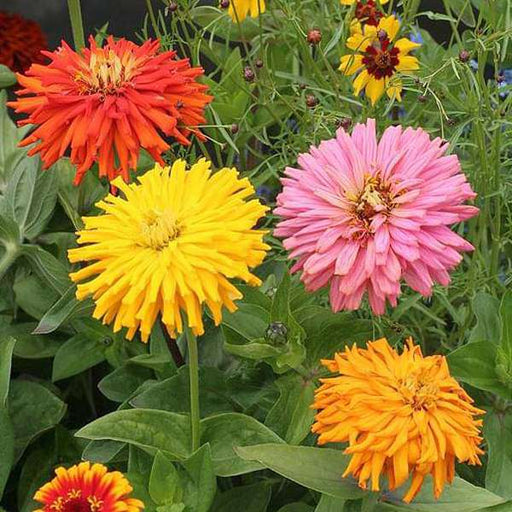
Answer: Yes, flower seeds can be sown directly in the soil during the rainy season, provided the soil is well-drained and does not get waterlogged.
Answer: A well-drained and loamy soil with good moisture retention capacity is best for sowing flower seeds during the rainy season.
Answer: Flower seeds should be sown at a depth of 2-3 times the size of the seed.
Answer: Yes, flower seeds can be sown in pots during the rainy season, provided the pots have drainage holes and are placed in a well-ventilated area.
Answer: Flower seeds usually take 7-14 days to germinate during the rainy season, depending on the type of flower and the weather conditions.
Answer: Yes, flower seeds require fertilizers during the rainy season to provide them with the necessary nutrients for growth.
Answer: Flower seeds should be watered as per the requirement, depending on the weather conditions. Over-watering should be avoided to prevent rotting of the seeds.
Answer: Common pests that affect flower seeds during the rainy season include aphids, mealybugs, and spider mites. Diseases like damping-off and root rot can also affect flower seeds during the rainy season.
Answer: Pests and diseases can be controlled by using organic pesticides and fungicides, and by maintaining proper sanitation in the garden.
Answer: Yes, flower seeds can be sown in raised beds during the rainy season, provided the soil is well-drained and has good moisture retention capacity.
Answer: Flower seeds can be protected from heavy rains by covering them with plastic sheets or by placing them under a sheltered area.
Answer: Yes, mulch can be used for flower seeds during the rainy season to maintain soil moisture and to prevent weeds from growing.
Answer: Proper drainage can be ensured by ensuring that the soil is well-drained, and by using raised beds or pots with drainage holes.
Answer: Yes, drip irrigation can be used for flower seeds during the rainy season to ensure that the plants receive adequate moisture without getting waterlogged.
Answer: Good air circulation can be ensured by placing the flower seeds in a well-ventilated area, and by avoiding overcrowding of plants.
Answer: Yes, compost can be used for flower seeds during the rainy season to provide them with the necessary nutrients for growth.
Answer: Flower seeds require sunlight to germinate and grow. During the rainy season, it is important to place the flower seeds in an area that receives adequate sunlight and to avoid placing them in areas that are too shaded or covered.
Perfect plant to bring contrast colours in your garden. but their price is toooooooo much high
Product was never delivered.
I receive this plant as a gift and its growing very well.
Good