Skip to content

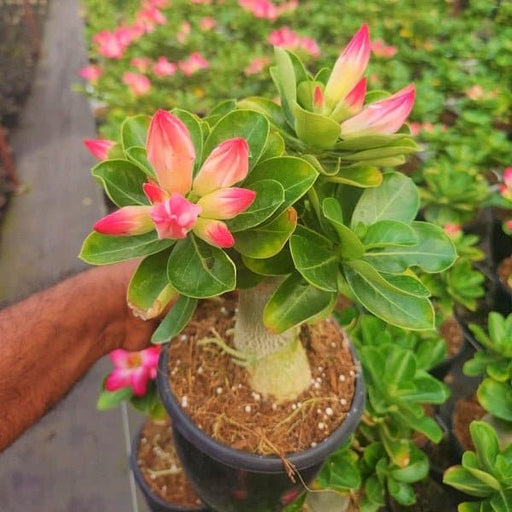
Phalaenopsis Orchid (Any variety, Pink) - Plant

Sold out
Original price ₹ 559
₹ 559
₹ 559
Current price ₹ 559

Product includes

SrNoItem NameQty
2Phalaenopsis Orchid (Any variety, Pink) Plant1

Phalaenopsis Orchid (Pink Variety) - Plant

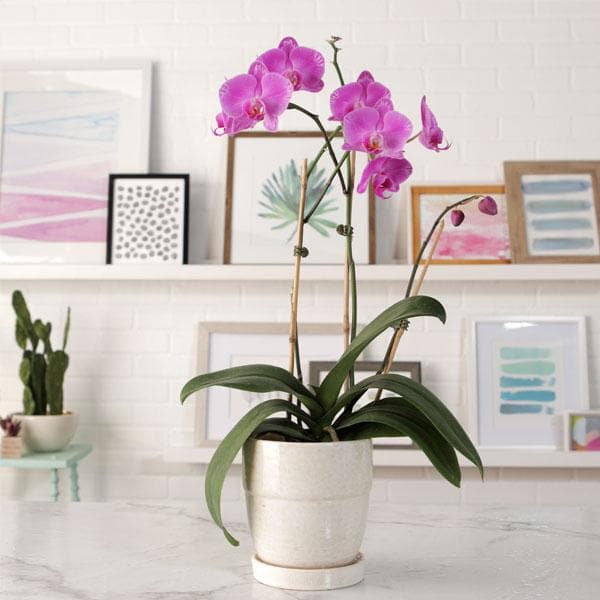
The Phalaenopsis Orchid, commonly known as the Moth Orchid, is a stunning addition to any indoor garden. With its elegant pink blooms, this orchid not only enhances your living space but also brings a touch of nature indoors. Known for its long-lasting flowers, the Phalaenopsis can bloom for several months, making it a favorite among orchid enthusiasts and casual plant lovers alike.

What makes the Phalaenopsis Orchid special is its ability to thrive in various environments, making it an ideal choice for both beginners and experienced gardeners. Its graceful, arching stems and vibrant pink flowers symbolize love and beauty, making it a popular gift for special occasions. This orchid is not just a pretty face; it also plays a role in improving indoor air quality by filtering toxins.

Special features of the Phalaenopsis Orchid include its unique ability to bloom multiple times a year with proper care. Additionally, it has a wide range of color variations, but the pink variety is particularly cherished for its soft, romantic hue. This orchid is also known for its resilience, adapting well to different light conditions and humidity levels.

Growing Instructions:

  • Light: Place in bright, indirect sunlight; avoid direct sun exposure.
  • Temperature: Ideal range is 65°F to 75°F (18°C to 24°C).
  • Humidity: Maintain humidity levels between 50% to 70%.
  • Potting: Use a well-draining orchid mix for optimal growth.

Care Instructions:

  • Watering: Water every 1-2 weeks, allowing the potting medium to dry slightly between waterings.
  • Fertilizing: Use a balanced orchid fertilizer every 2-4 weeks during the growing season.
  • Repotting: Repot every 1-2 years or when the potting medium breaks down.
  • Pest Control: Regularly check for pests like aphids and mealybugs; treat promptly.

Uses:

  • Home Decor: Perfect for brightening up living spaces and adding elegance.
  • Gifts: Ideal for birthdays, anniversaries, and housewarming events.
  • Events: Commonly used in weddings and special occasions for floral arrangements.

Fun Facts:

  • Phalaenopsis orchids can live for decades with proper care.
  • They are native to Southeast Asia and are one of the most popular orchids worldwide.
  • In some cultures, orchids symbolize luxury, beauty, and strength.

Environmental Impact:

Phalaenopsis Orchids contribute positively to indoor environments by improving air quality and providing humidity. They are also a sustainable choice, as many growers practice eco-friendly cultivation methods. By choosing this plant, you support biodiversity and the conservation of orchid species.

Phalaenopsis Orchid Care

Caring for your Phalaenopsis Orchid is like nurturing a diva; it requires just the right amount of attention and pampering. These beauties thrive in bright, indirect light and prefer a cozy temperature between 65°F and 75°F. Water them when the potting medium feels dry, but don’t drown them—overwatering is the ultimate betrayal. Fertilize every couple of weeks during the growing season, and watch them bloom like they’re auditioning for a floral fashion show.

Pink Orchid Varieties

Pink Phalaenopsis Orchids come in a delightful array of shades, from soft blush to vibrant fuchsia. Each variety has its own personality, much like a box of chocolates—some are sweet, while others are bold and sassy. Whether you choose a classic pink or a speckled wonder, these orchids are sure to steal the spotlight in any room.

Orchid Potting Mix

Choosing the right potting mix for your Phalaenopsis is crucial; think of it as picking the perfect outfit for a first date. A mix of bark, sphagnum moss, and perlite provides excellent drainage and aeration, ensuring your orchid feels like it’s lounging in a tropical paradise. Avoid regular potting soil, as it can suffocate your plant’s roots faster than a bad pickup line.

Orchid Fertilizer

When it comes to feeding your Phalaenopsis, think of fertilizer as the gourmet meal that keeps your plant thriving. A balanced orchid fertilizer, diluted to half strength, is the secret sauce to encourage lush growth and stunning blooms. Just remember, too much of a good thing can lead to a floral hangover, so stick to a feeding schedule and let your orchid shine without the drama.

Orchid Light Requirements

Phalaenopsis Orchids are like sunbathers; they adore bright, indirect light but can’t handle the harsh rays of the midday sun. Place them near a window with filtered light, and they’ll reward you with blooms that make your heart sing. If their leaves turn yellow, it’s a sign they’re getting too much sun—time to find a shadier spot for your little diva.

Humidity for Orchids

These tropical beauties thrive in humidity levels of 50% to 70%, making them the ultimate high-maintenance houseguest. If your home is drier than a desert, consider using a humidity tray or a room humidifier to keep your Phalaenopsis feeling fabulous. A little misting can also go a long way, but don’t overdo it—nobody likes a clingy friend.

Orchid Repotting

Repotting your Phalaenopsis is like giving it a fresh start; it’s a chance to refresh its living conditions and promote healthy growth. Aim to repot every couple of years or when the potting mix breaks down. Choose a pot that’s just a tad larger than the current one, and make sure it has drainage holes—because nobody wants soggy roots.

Phalaenopsis Orchid Blooms

The blooms of a Phalaenopsis Orchid are like nature’s confetti, bursting forth in a riot of colors and patterns. These flowers can last for months, bringing joy and elegance to your space. Each bloom opens sequentially, creating a stunning display that’s sure to impress your guests. Just remember, once the party’s over, don’t rush to cut the stem; it may surprise you with a second act!

Orchid Pests

Like any diva, Phalaenopsis Orchids can attract unwanted attention from pests. Aphids, mealybugs, and spider mites are the party crashers you want to avoid. Regularly inspect your plant and treat any infestations promptly with insecticidal soap or neem oil. A little vigilance goes a long way in keeping your orchid healthy and pest-free.

Orchid Propagation

Want to expand your orchid family? Propagating Phalaenopsis Orchids can be a rewarding adventure, but it requires patience and finesse. The most common method is through keikis—little plantlets that grow on the flower spike. Once they develop roots, you can gently separate them and pot them up. It’s like giving your orchid a chance to play matchmaker!

Orchid Diseases

Just like humans, Phalaenopsis Orchids can fall ill. Fungal and bacterial infections can strike if conditions aren’t just right. Keep an eye out for signs like yellowing leaves or black spots, and act fast with appropriate treatments. Prevention is key, so ensure good air circulation and avoid overwatering—because nobody wants a drama queen in their plant collection.

Trending Collections

Save 40% with Gardening Solutions

You may also need

FAQ

What is a Phalaenopsis Orchid?

A Phalaenopsis Orchid, often called the moth orchid, is a stunning plant known for its elegant blooms and long-lasting flowers. With varieties in pink hues, it’s like having a piece of art that breathes! Perfect for beginners, this beauty thrives indoors, adding a touch of tropical flair to your home.

How do I care for my pink Phalaenopsis Orchid?

Caring for your pink Phalaenopsis Orchid is easier than you think! Provide bright, indirect light, water it every week, and let it dry out between sips. A little humidity goes a long way, so mist it occasionally. Remember, it’s a diva, not a drama queen—just a little pampering will do!

How often should I water my Phalaenopsis Orchid?

Water your Phalaenopsis Orchid once a week, but don’t drown it! Check the potting medium; if it’s dry an inch down, it’s time for a drink. Use room temperature water and let it drain well. Think of it as a spa day—refreshing but not too much of a splash!

What kind of potting mix is best for Phalaenopsis Orchids?

Your pink Phalaenopsis Orchid craves a special blend! Use a potting mix designed for orchids, typically made of bark, charcoal, and perlite. This mix provides excellent drainage and aeration, allowing those roots to breathe. It’s like giving your orchid a cozy, breathable bed to rest its lovely blooms!

How do I fertilize my Phalaenopsis Orchid?

Fertilizing your pink Phalaenopsis Orchid is like giving it a gourmet meal! Use a balanced orchid fertilizer every two weeks during the growing season. Dilute it to half strength, and watch your orchid thrive. Just remember, too much of a good thing can lead to a plant party gone wrong!
When will my Phalaenopsis Orchid bloom?

Patience, my friend! Your pink Phalaenopsis Orchid typically blooms once a year, but it can surprise you with a second show. Blooms can last for months, so enjoy the floral fiesta! Keep it happy with proper care, and it might just reward you with a stunning display of color.

How do I encourage my Phalaenopsis Orchid to re-bloom?

To coax your pink Phalaenopsis Orchid into re-blooming, mimic its natural environment! After the blooms fade, cut the spike back to a node and give it a little cooler temperature at night. A little stress can be good—just like a plot twist in a rom-com!

What pests should I watch out for on my Phalaenopsis Orchid?

Keep an eye out for pesky critters like aphids, mealybugs, and spider mites. They’re the uninvited guests at your orchid’s party! If you spot them, a gentle wash with soapy water or neem oil will send them packing. Your orchid deserves a pest-free zone!

Can I grow my Phalaenopsis Orchid outside?

While your pink Phalaenopsis Orchid loves a good sunbath, it’s best to keep it indoors. It prefers warm, humid conditions and can’t handle frost. If you must take it outside, ensure it’s in a shaded spot. Think of it as a delicate flower that prefers the comforts of home!

How long do Phalaenopsis Orchids live?

With the right care, your pink Phalaenopsis Orchid can live for years—sometimes even decades! They’re like the tortoises of the plant world. Just keep them happy with proper light, water, and love, and they’ll be your long-term floral companion, blooming beautifully through the years.

What should I do if my Phalaenopsis Orchid's leaves turn yellow?

Yellowing leaves on your pink Phalaenopsis Orchid can signal a few things—overwatering, underwatering, or too much direct sunlight. Assess its environment and adjust accordingly. Think of it as your orchid’s way of saying, “Hey, I need a little TLC!” A little detective work goes a long way!