Skip to content

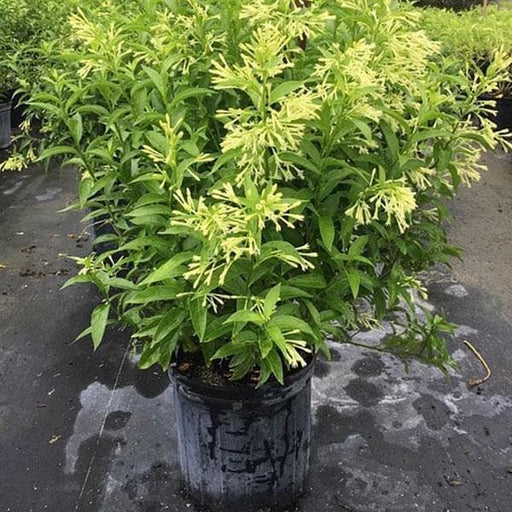
Lycopus virginicus - Plant

Sold out
Original price ₹ 249
₹ 249
₹ 249
Current price ₹ 249

Product includes

SrNoItem Name
1Lycopus virginicus - Plant

Lycopus virginicus - Virginia Bugleweed

Lycopus virginicus, commonly known as Virginia Bugleweed, is a perennial herb native to North America. This aquatic plant thrives in wetland areas, often found along the edges of streams and ponds. With its lush green foliage and small, whorled leaves, it adds a unique aesthetic to any garden or natural landscape. Its delicate white flowers bloom in late summer, attracting pollinators and enhancing biodiversity.

What makes Lycopus virginicus special is its historical use in traditional medicine, particularly by Native American tribes, who valued it for its potential health benefits. This plant is not only visually appealing but also plays a crucial role in maintaining wetland ecosystems, providing habitat for various wildlife species.

One of the standout features of Virginia Bugleweed is its ability to thrive in saturated soils, making it an excellent choice for rain gardens and water features. Its adaptability to different moisture levels allows it to flourish in diverse environments, contributing to soil stabilization and erosion control.

Growing Instructions:

  • Plant in full sun to partial shade.
  • Ensure the soil is consistently moist; ideal for wetland areas.
  • Space plants 12-18 inches apart to allow for growth.
  • Best planted in spring or early fall.

Care Instructions:

  • Water regularly to maintain soil moisture.
  • Remove dead or damaged leaves to promote healthy growth.
  • Fertilize sparingly; too much can lead to excessive foliage growth.
  • Monitor for pests; use organic methods for control if necessary.

Uses:

  • Utilized in traditional herbal medicine for its potential health benefits.
  • Ideal for naturalizing wetland areas and enhancing biodiversity.
  • Can be used in landscaping for rain gardens and water features.
  • Attracts pollinators, making it beneficial for local ecosystems.

Fun Facts:

  • Lycopus virginicus has been used historically by Native Americans for various medicinal purposes.
  • This plant is known to have a calming effect and has been used to treat anxiety and insomnia.
  • Virginia Bugleweed is a favorite among bees and butterflies, making it a great addition to pollinator gardens.
  • It can grow up to 3 feet tall, providing excellent cover for wildlife.

Lycopus virginicus Benefits

If you’re looking for a plant that’s not just a pretty face, Lycopus virginicus is your go-to green companion. This herbaceous wonder is known for its medicinal properties, particularly in traditional herbal medicine. It’s like the Swiss Army knife of plants—helping with everything from thyroid issues to anxiety. Who knew a plant could be your therapist and your health guru all in one?

Lycopus virginicus Habitat

a marshy paradise where Lycopus virginicus thrives. This plant loves wet feet and can often be found lounging in the shallows of streams and wetlands. It’s the ultimate water-loving diva, soaking up the sun while keeping its roots cool and moist. If you’re planning a garden, consider creating a mini marshland—Lycopus will thank you with its lush green presence.

Lycopus virginicus Cultivation

Growing Lycopus virginicus is like hosting a plant party where everyone is invited. This perennial is relatively easy to cultivate, requiring just a bit of moisture and sunlight to thrive. It’s the low-maintenance friend you always wanted—no fuss, just fabulous foliage. Just remember, it prefers to keep its roots wet, so don’t let it dry out like last week’s leftovers.

Lycopus virginicus Uses

This plant isn’t just a wallflower; it has a variety of uses that make it a superstar in herbal medicine. From teas to tinctures, Lycopus virginicus can be brewed into concoctions that may help with various ailments. It’s like having a mini pharmacy right in your garden. Just be sure to consult with a professional before diving into the herbal deep end!

Lycopus virginicus Identification

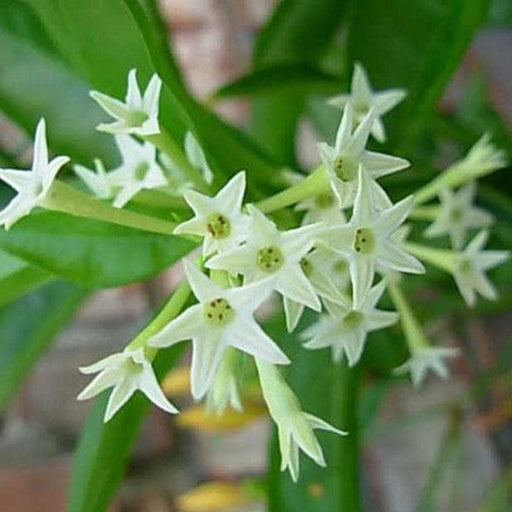
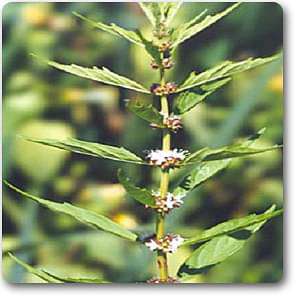
Spotting Lycopus virginicus is like playing a game of botanical hide-and-seek. With its square stems, whorled leaves, and tiny white flowers, it’s a charming little plant that can easily blend into its surroundings. But don’t be fooled by its modest appearance; once you know what to look for, you’ll be able to identify this gem in no time.

Lycopus virginicus Propagation

Want to spread the love? Propagating Lycopus virginicus is as easy as pie. This plant can be grown from seeds or cuttings, making it a perfect candidate for sharing with friends or expanding your own garden. Just think of it as a plant that loves to make new friends—who wouldn’t want a little Lycopus in their life?

Lycopus virginicus in Landscaping

If you’re looking to add a splash of green to your landscape, Lycopus virginicus is the perfect choice. Its lush foliage and unique texture can create a stunning focal point in wetland gardens or along water features. It’s like the stylish accessory that completes your garden ensemble—functional and fabulous!

Lycopus virginicus and Wildlife

Lycopus virginicus is not just a plant; it’s a wildlife magnet! Birds, bees, and butterflies all flock to this herbaceous beauty, making it a vital part of the ecosystem. By planting Lycopus, you’re not just beautifying your garden; you’re also throwing a wildlife party. Who knew gardening could be so socially responsible?

Lycopus virginicus and Traditional Medicine

In the world of traditional medicine, Lycopus virginicus is like the wise old sage. Used by herbalists for centuries, this plant is believed to help with various ailments, particularly those related to the thyroid. It’s like having a wise grandparent who always knows the right remedy for your woes—just make sure to do your research before taking the plunge!

Lycopus virginicus and Thyroid Health

If your thyroid is feeling a bit out of whack, Lycopus virginicus might just be the herbal hero you need. Known for its potential to support thyroid function, this plant has been a staple in traditional remedies. It’s like a gentle nudge for your thyroid, reminding it to get back on track. Just remember, consult a healthcare professional before making any herbal decisions!

Lycopus virginicus in Herbal Remedies

When it comes to herbal remedies, Lycopus virginicus is the plant equivalent of a multi-talented performer. From teas to extracts, this plant can be transformed into various forms to suit your needs. It’s like the chameleon of the herbal world—always adapting and ready to help you tackle whatever life throws your way.

Lycopus virginicus and Gardening Tips

ensure it has plenty of moisture, give it some sunlight, and watch it flourish. It’s like giving your plant a spa day—just the right amount of care, and it’ll reward you with vibrant growth. So roll up your sleeves and get ready to cultivate your new green friend!

Trending Collections

Save 40% with Gardening Solutions

You may also need

FAQ

What is Lycopus virginicus?

Lycopus virginicus, also known as Virginia bugleweed, is a charming aquatic perennial that loves to hang out in wetlands. With its lush green leaves and tiny white flowers, it’s like the introverted cousin of the plant world—quietly thriving in the shadows while providing habitat for various critters.

Where does Lycopus virginicus grow?

This plant prefers the VIP section of wetland ecosystems, often found in marshes, stream banks, and shallow waters. It’s like the plant version of a water-loving hipster, thriving in moist, nutrient-rich soils while avoiding the dry, boring landscapes.

How do you propagate Lycopus virginicus?

Propagation is as easy as pie! Just take cuttings or divide the rhizomes in spring or fall. Plant them in a wet, sunny spot, and watch them flourish like they just found their soulmate. Just remember, they love their water—no droughts allowed!
What are the benefits of Lycopus virginicus?

This plant isn’t just a pretty face; it’s a superstar in the ecosystem! It helps stabilize soil, provides habitat for wildlife, and can even be used in traditional medicine. Talk about a multitasker! It’s like the Swiss Army knife of the plant kingdom.
Is Lycopus virginicus invasive?

Fear not! Lycopus virginicus is generally well-behaved and doesn’t have a reputation for being invasive. It knows its place in the ecosystem and plays nice with other plants. It’s the polite guest at the garden party, not the one who overstays their welcome.

How do you care for Lycopus virginicus?

Caring for this plant is a breeze! Just ensure it has plenty of water and some sunlight. It thrives in wet, boggy conditions, so think of it as your garden’s personal water feature. Just don’t forget to give it a little love now and then!

Can Lycopus virginicus be used in landscaping?

Absolutely! This plant can add a splash of green to your wetland garden or water feature. It’s like the cool friend who brings life to the party, attracting pollinators and providing a natural look. Just make sure it has enough moisture to keep it happy!

What wildlife benefits from Lycopus virginicus?

Lycopus virginicus is a wildlife magnet! Birds, bees, and butterflies all love to hang out around this plant. It provides food and shelter, making it a popular spot for critters looking to mingle. It’s like the local café for the animal kingdom!

Is Lycopus virginicus toxic to pets?

Good news for pet parents! Lycopus virginicus is not considered toxic to pets. So, if your furry friend decides to take a nibble, you can breathe easy. Just keep an eye on them—some pets have a knack for finding trouble, even with non-toxic plants!

When does Lycopus virginicus bloom?

This plant shows off its tiny white flowers from late spring to early summer. It’s like a shy performer who finally steps into the spotlight, attracting pollinators with its delicate blooms. Just be ready with your camera; it’s a sight you won’t want to miss!

Can Lycopus virginicus grow in pots?

Yes, it can! Just make sure the pot has good drainage and plenty of water. Think of it as a plant spa day—lots of moisture and a cozy environment. It’s perfect for those who want to enjoy its beauty without committing to a full garden!

What is the ideal soil for Lycopus virginicus?

Lycopus virginicus loves its soil like it loves its water—moist and rich! It thrives in wet, loamy soils that are packed with nutrients. So, if you want to keep this plant happy, think of it as a gourmet meal rather than fast food!