Conium maculatum - Plant
(MRP Inclusive of all taxes)
- Shipping ₹79 for entire order
- Dispatch in 7 days
- Country of origin: India
(MRP Inclusive of all taxes)
Bring home a little green delight — on us! 🌿 A free surprise garden product with every order Could be a charming plant, vibrant seeds, stylish po...
View full details
Save up to 15%
Peace Lily, Spathiphyllum - Plant The Peace Lily, scientifically known as Spathiphyllum, is a stunning houseplant celebrated for its elegant white...
View full details
Save 25%
Jasminum sambac, Mogra, Arabian Jasmine - Plant Jasminum sambac, commonly known as Mogra or Arabian Jasmine, is a fragrant flowering plant...
View full details
Save 18%
Combo Constituents Includes the Parijat Tree (Night-Flowering Jasmine), a culturally significant plant with fragrant flowers. Description The Pari...
View full details
Save 25%
Miniature Rose, Button Rose (Any Color) - Plant The Miniature Rose, also known as the Button Rose, is a charming and compact flowering plant that ...
View full details
Save 25%
Damascus Rose, Scented Rose (Any Color) - Plant The Damascus Rose, also known as Rosa damascena, is a timeless symbol of beauty and romanc...
View full details
Save 17%
Beautiful Fragrant Mogra, Arabian Jasmine Plant with Pot The Beautiful Fragrant Mogra, also known as Arabian Jasmine (Jasminum sambac), is...
View full details
Save 15%
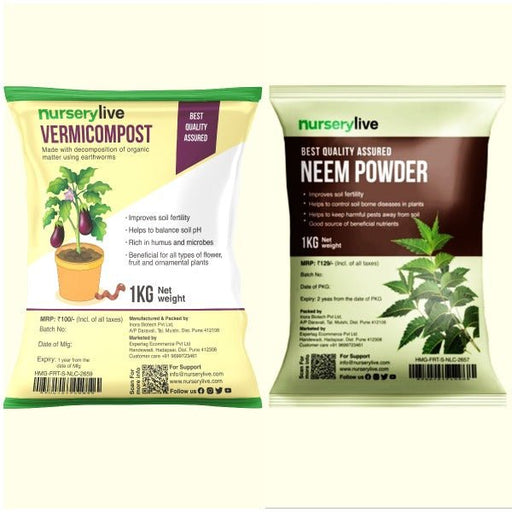
Pack of Vermicompost and Neem Cake for House Plants Transform your indoor garden with our premium Pack of Vermicompost and Neem Cake, spec...
View full details
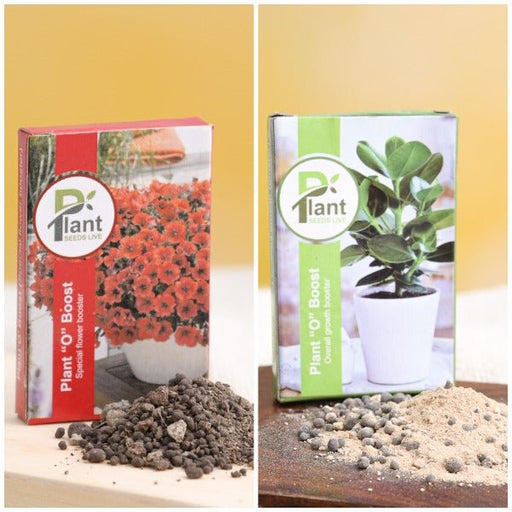
Pack of Plant Growth and Flower Boosters Unlock the full potential of your garden with our Pack of Plant Growth and Flower Boosters! This ...
View full details
Save 38%
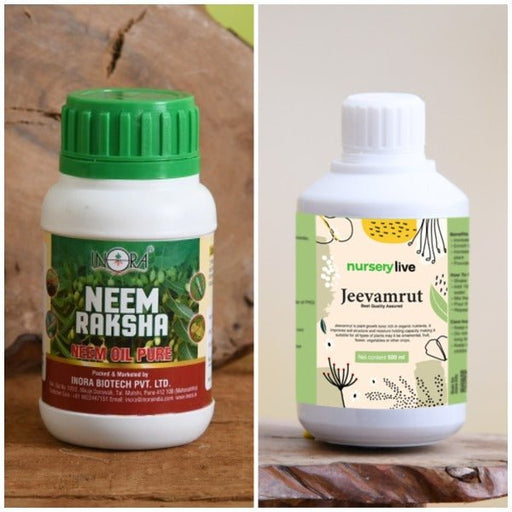
Combo of Jeevamrut and Neem Raksha for Easy Growth and Protection of Houseplants Transform your indoor garden with our exclusive combo of ...
View full details
Save 22%
Plant Nutrients Kit (Pack of 16) for a Healthy Garden Transform your garden into a lush paradise with our Plant Nutrients Kit, featuring 1...
View full details
Save 16%
Combo of Top Plant Fertilizers Elevate your gardening game with our exclusive Combo of Top Plant Fertilizers, featuring two bags of premiu...
View full details
Save 24%
Pack of 4 Additives to Make Soil Healthy and Nutrient Rich Transform your garden into a thriving ecosystem with our Pack of 4 Additives de...
View full details
Save 30%
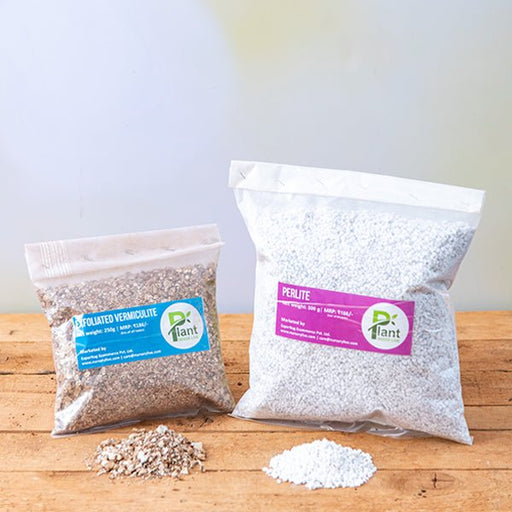
Transform your gardening experience with our premium Combo of Perlite and Vermiculite. This unique blend is designed to enhance soil aeration and ...
View full details
Save 27%
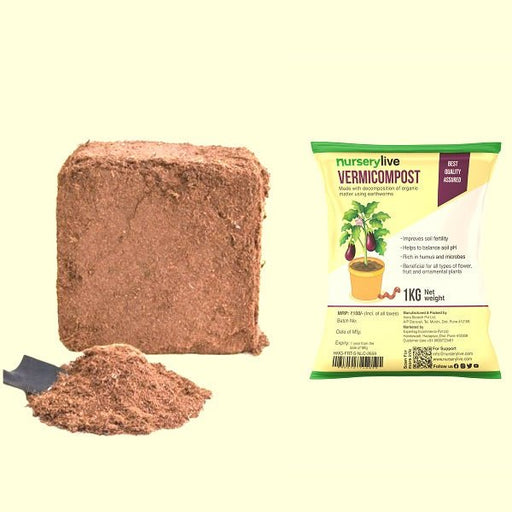
Combo of 2 Vermicompost and Cocopeat - Enrich Your Soil Naturally! Transform your garden into a thriving ecosystem with our Combo of 2 Ver...
View full details
Save 35%
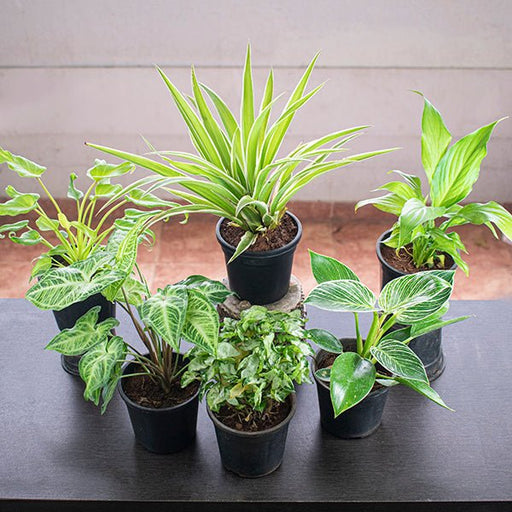
Best 6 Plants for Perfect Indoor Garden Transform your living space into a lush oasis with our curated collection of the Best 6 Plants for a...
View full details
Save up to 50%
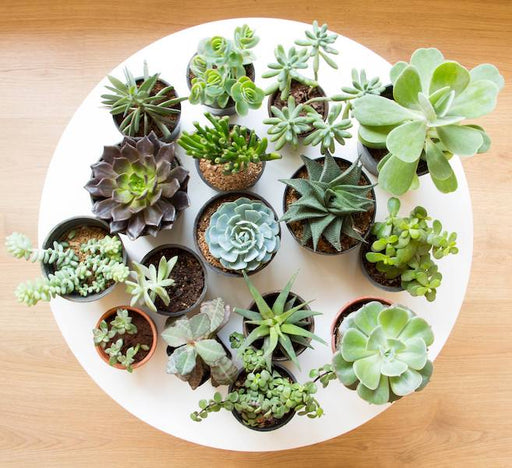
Mini Succulent Garden Pack Transform your space with our Mini Succulent Garden Pack, featuring a delightful collection of 4 any variety beautiful s...
View full details
Save 30%
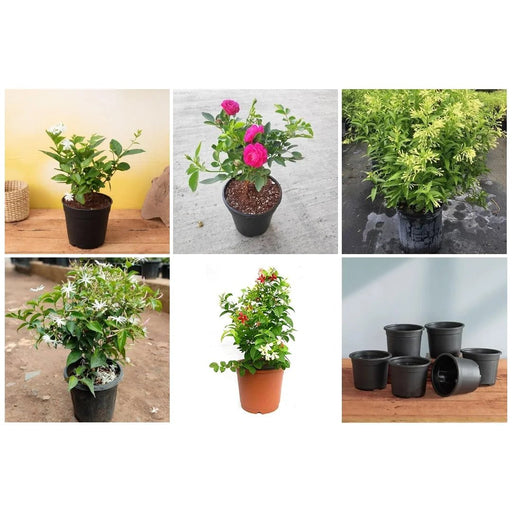
5 Best Fragrant Plants Transform your garden or indoor space into a fragrant paradise with our curated selection of the 5 Best Fragrant Plants. Th...
View full details
Save 24%
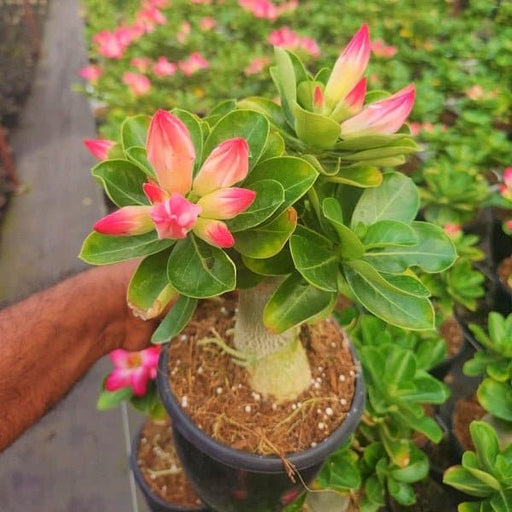
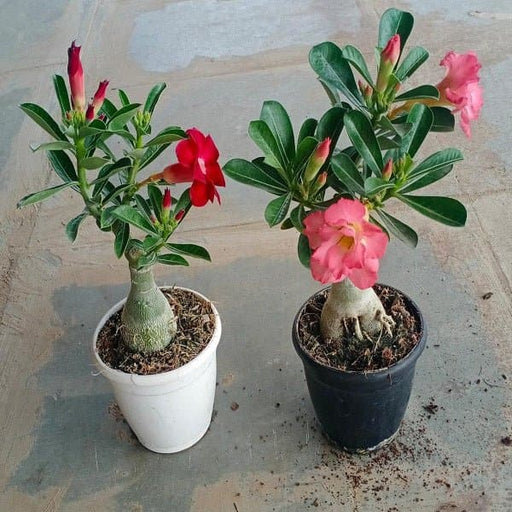
Set of 2 Bonsai Looking Grafted Adeniums Transform your indoor or outdoor space with our exquisite Set of 2 Bonsai Looking Grafted Adenium...
View full details
Save 45%
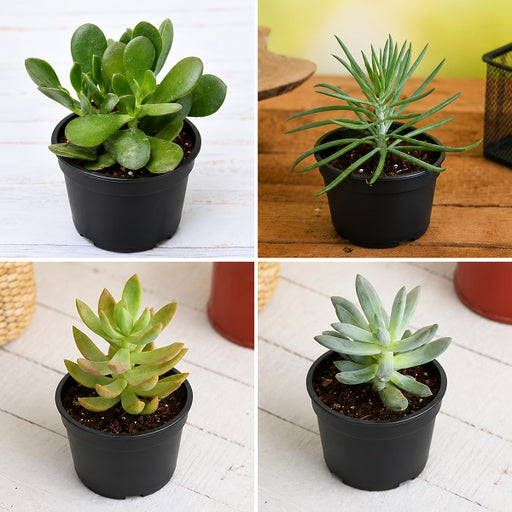
Top 4 Die Hard Succulents Pack Transform your indoor or outdoor space with our Top 4 Die Hard Succulents Pack, featuring a curated selecti...
View full details
Save 30%
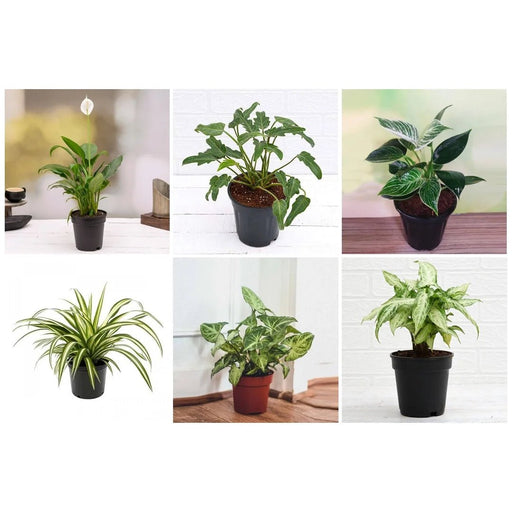
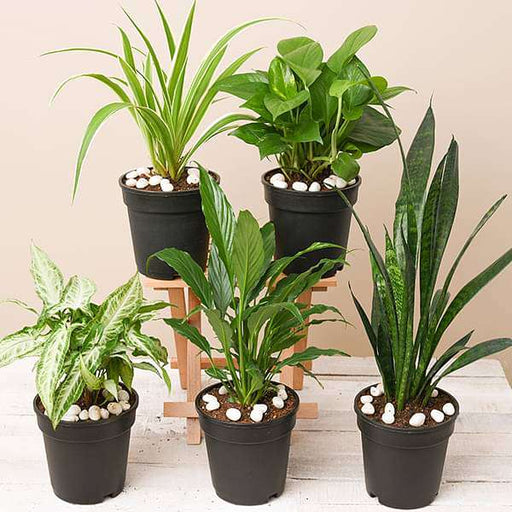
5 Best Indoor Plants Pack Transform your living space into a lush oasis with our '5 Best Indoor Plants Pack.' This carefully curated collection fe...
View full details
Save 25%
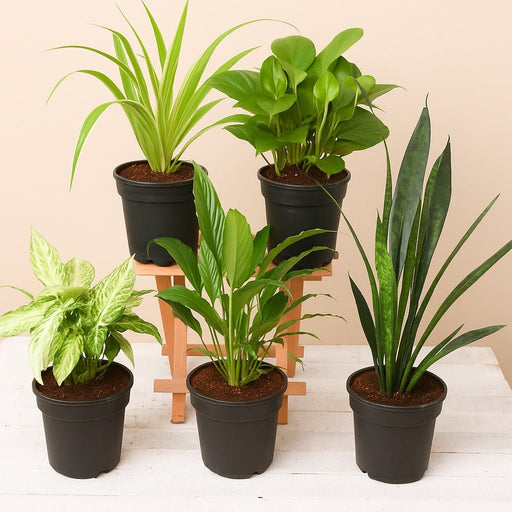
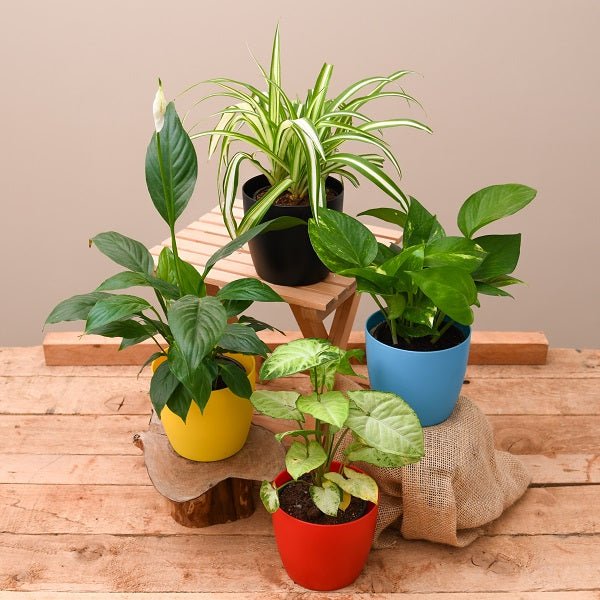
Set of 4 Evergreen Air Purifier Plant Pack Transform your indoor space into a lush, green oasis with our Set of 4 Evergreen Air Purifier Pla...
View full details| SrNo | Item Name |
|---|---|
| 1 | Conium maculatum - Plant |
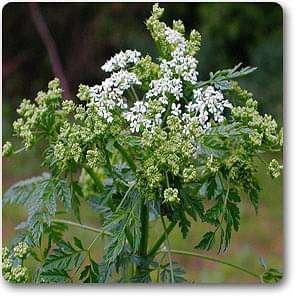
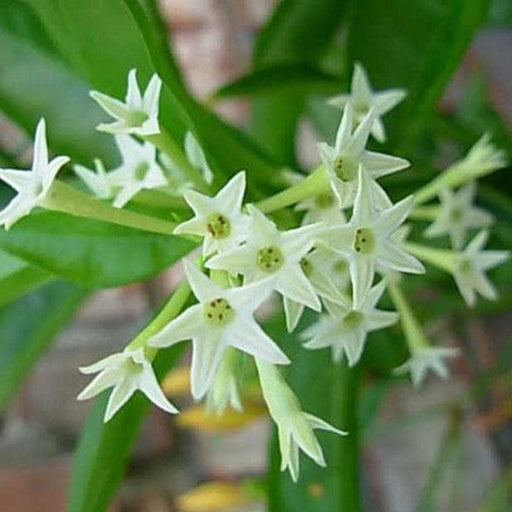
Conium maculatum, commonly known as Poison Hemlock, is a biennial herbaceous plant native to Europe and North Africa, now found in various regions across North America. This plant is notorious for its toxic properties, containing alkaloids that can be fatal if ingested. With its delicate white flowers and fern-like leaves, it can be mistaken for harmless plants, making it both beautiful and dangerous.
What makes Conium maculatum special is its historical significance; it was famously used in ancient Greece for the execution of Socrates. Its unique chemical composition has also drawn the attention of researchers studying its potential medicinal properties, despite its toxicity. This duality of beauty and danger makes it a fascinating subject for botanists and herbalists alike.
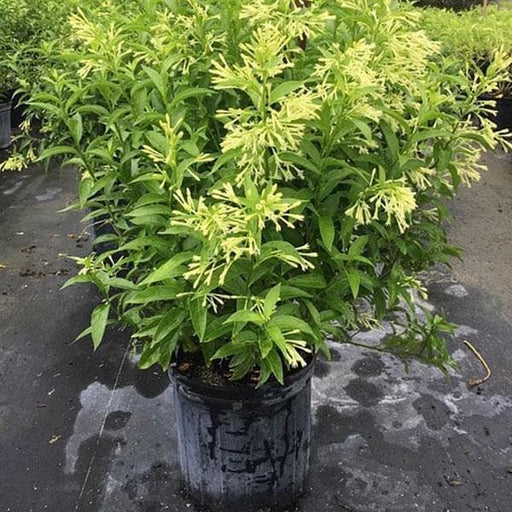
Special features of Conium maculatum include its ability to thrive in a variety of soil types and its preference for moist, disturbed areas. The plant can grow up to 2-3 meters tall, showcasing its impressive stature in the wild. Its striking appearance and historical context make it a captivating addition to any botanical collection.
Conium maculatum can be invasive in some regions, outcompeting native flora and disrupting local ecosystems. Its toxicity poses a risk to livestock and wildlife, making it essential to manage its growth in non-native areas. Awareness and education about this plant are crucial for preventing accidental poisoning and protecting biodiversity.
Ah, the infamous Conium maculatum, or as the cool kids call it, Poison Hemlock. This plant has a reputation that precedes it, often associated with the demise of Socrates. But don’t let its dark past scare you; it’s a fascinating specimen for botany enthusiasts. With its feathery leaves and delicate white flowers, it’s like the goth kid of the plant world—beautiful yet deadly. Just remember, if you’re looking to add this to your garden, you might want to reconsider unless you’re aiming for a “toxic” aesthetic.
self-medicating with this plant is like playing Russian roulette with your health. So, unless you’re a trained herbalist with a penchant for danger, it’s best to admire this plant from a safe distance.
If you’re wondering about the toxicity levels of Conium maculatum, let’s just say it’s not for the faint of heart. This plant contains potent alkaloids that can lead to respiratory failure and death. It’s like the plant version of a horror movie villain—charming at first glance but deadly if you get too close. So, if you’re planning a picnic, maybe leave this one off the guest list.
Identifying Conium maculatum is like playing a game of “Spot the Poisonous Plant.” With its tall stature, smooth green stems, and umbrella-like clusters of white flowers, it’s a showstopper in the wild. But don’t be fooled by its beauty; this plant is a master of disguise. If you’re not careful, you might mistake it for harmless wild carrots. So, brush up on your plant identification skills before you go foraging!
Conium maculatum thrives in moist, disturbed areas, often popping up in fields, roadsides, and even your neighbor’s garden if they’re not careful. It’s like that one friend who shows up uninvited to every party. This plant loves to spread its toxic charm wherever it can, so if you see it, consider it a sign that nature is reclaiming its territory. Just don’t invite it into your own backyard!
The historical significance of Conium maculatum is as rich as its toxic profile. Used in ancient Greece for executions, this plant has been a part of human history for centuries. It’s like the original “plant of doom,” making its mark in literature and philosophy. So, the next time you read about Socrates, remember that this plant played a starring role in his tragic tale. Talk about a plot twist!
Cultivating Conium maculatum is a risky endeavor. While it may seem like a unique addition to your garden, its toxicity makes it a controversial choice. If you’re feeling adventurous, ensure you have a solid plan for containment, as this plant can spread like gossip in a small town. Just remember, growing this plant is not for the faint-hearted or the careless gardener.
The ecological impact of Conium maculatum is a double-edged sword. On one hand, it can provide habitat for certain insects; on the other, it can outcompete native plants and disrupt local ecosystems. It’s like that overachieving student who takes all the awards but leaves no room for others to shine. So, while it may have its benefits, tread carefully when it comes to its role in the environment.
Conium maculatum has inspired its fair share of folklore and myths. Often associated with witchcraft and dark magic, this plant has been the subject of many tales throughout history. It’s like the mysterious stranger in a story who holds secrets and danger. So, if you’re looking to add a touch of the supernatural to your garden, this plant might just be your ticket to the dark side.
Conium maculatum is not a culinary superstar. While some plants can be both beautiful and edible, this one is strictly off the menu. Its toxic properties make it a no-go for any aspiring chef. So, if you’re looking for a new ingredient to spice up your dishes, keep searching. This plant is best left to the realm of botany, not the kitchen.
The conservation status of Conium maculatum is a bit of a mixed bag. While it’s not endangered, its invasive nature in some regions raises concerns. It’s like that friend who overstays their welcome—great at first, but eventually, you wish they’d leave. So, while it’s not on the brink of extinction, it’s essential to keep an eye on its spread to protect native flora.
There are plenty of myths and misconceptions surrounding Conium maculatum. Some people think it’s just a pretty flower, while others believe it has magical properties. The truth is, this plant is more of a cautionary tale than a fairy tale. So, if you hear someone raving about its beauty, remind them that looks can be deceiving, especially in the plant kingdom.

Conium maculatum, also known as poison hemlock, is a biennial plant notorious for its toxic properties. It boasts feathery leaves and small white flowers, making it look innocent. But beware! This plant has a dark side, famously associated with the demise of Socrates. So, admire from afar, folks!

Conium maculatum thrives in moist, disturbed areas, often popping up in fields, roadsides, and gardens. It loves to crash parties where the soil is rich and the sun shines bright. Just remember, if you spot this plant, it’s best to steer clear—no one wants a toxic guest at their garden gathering!
Absolutely! Conium maculatum is like that friend who seems fun until they start spilling secrets. All parts of the plant are toxic, containing alkaloids that can cause respiratory failure and even death. So, while it may look pretty, it’s best to keep your distance and let it live its toxic life alone.
Identifying Conium maculatum is like playing a game of “spot the poison.” Look for its tall stature, feathery leaves, and clusters of small white flowers. The stem is often spotted, giving it a fashionable flair. Just remember, if it looks too good to be true, it probably is—especially in the plant world!
While some may think of Conium maculatum as a potential herbal remedy, it’s best to leave this plant alone. Its toxic nature overshadows any medicinal claims. Instead, stick to safer herbs for your health needs. After all, who wants to risk a trip to the ER for a questionable remedy
Conium maculatum doesn’t discriminate; it’s a menace to both humans and animals. Livestock, pets, and wildlife can suffer severe consequences if they munch on this plant. So, if you have furry friends, keep them away from this botanical villain. It’s not the kind of “green” they should be eating!
Conium maculatum is a prolific producer, scattering seeds like confetti at a party. Each plant can produce thousands of seeds, ensuring its toxic legacy continues. These seeds can remain viable for years, waiting for the perfect moment to sprout. So, if you see one, know that it’s just the tip of the toxic iceberg!
Yes, Conium maculatum is the uninvited guest that overstays its welcome. It can invade natural habitats, outcompeting native plants and disrupting ecosystems. Its rapid growth and prolific seed production make it a formidable foe in the plant world. So, if you spot it, consider it a botanical emergency—time to call in the weed warriors!
If you’ve had a close encounter with Conium maculatum, wash your hands immediately! While touching it may not be fatal, it’s best to avoid any potential skin irritation. If you experience any unusual symptoms, don’t hesitate to consult a medical professional. Better safe than sorry when dealing with this toxic beauty!
While it may have a certain aesthetic appeal, using Conium maculatum in landscaping is a recipe for disaster. Its toxicity poses risks to pets, children, and unsuspecting gardeners. Instead, opt for non-toxic plants that won’t turn your garden into a hazardous zone. Your landscape will thank you for it!
Controlling Conium maculatum requires a strategic approach. Manual removal is effective, but be sure to wear gloves and dispose of it properly. Herbicides can also do the trick, but always follow label instructions. Remember, this plant is persistent, so regular monitoring is key. It’s a battle, but you can emerge victorious!