Skip to content

Dypsis medagascariensis - Plant

Sold out
Original price ₹ 249
₹ 249
₹ 249
Current price ₹ 249

Product includes

SrNoItem Name
1Dypsis medagascariensis - Plant

Dypsis medagascariensis - Madagascar Palm

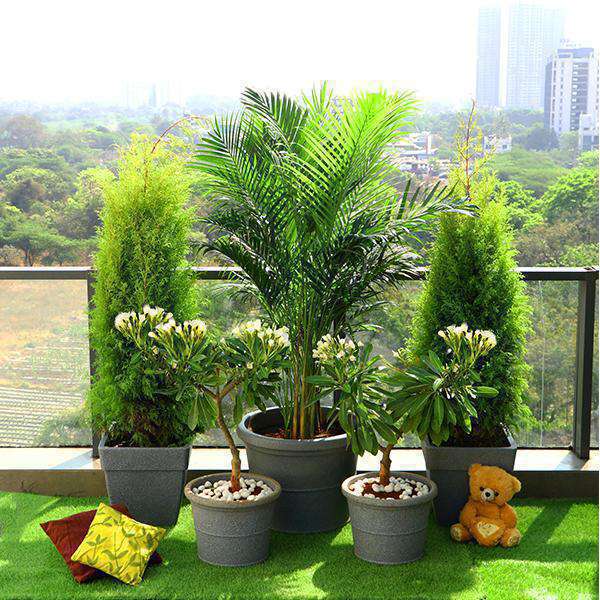
The Dypsis medagascariensis, commonly known as the Madagascar Palm, is a stunning tropical plant native to Madagascar. With its elegant, slender trunk and lush, feathery fronds, this plant adds a touch of exotic beauty to any indoor or outdoor space. It can grow up to 10 feet tall, making it a striking focal point in gardens or as a statement piece in homes.

What makes the Madagascar Palm special is its unique ability to thrive in various environments, from tropical to subtropical climates. Its resilience and adaptability make it a favorite among plant enthusiasts. Additionally, it is a slow grower, allowing it to maintain its elegant stature while requiring minimal maintenance.

One of the standout features of the Dypsis medagascariensis is its ability to purify the air, making it an excellent choice for improving indoor air quality. This plant not only enhances aesthetics but also contributes positively to the environment by absorbing harmful toxins.

Growing Instructions

  • Plant in well-draining soil with a pH of 6.0 to 7.0.
  • Place in a location with bright, indirect sunlight; avoid direct sunlight to prevent leaf burn.
  • Water regularly, allowing the top inch of soil to dry out between waterings.
  • Fertilize every 4-6 weeks during the growing season with a balanced fertilizer.

Care Instructions

  • Maintain humidity levels above 50% for optimal growth.
  • Prune dead or yellowing fronds to encourage new growth.
  • Monitor for pests such as spider mites and treat promptly if detected.
  • Repot every 2-3 years to refresh soil and promote healthy growth.

Uses

  • Ideal for indoor decoration, enhancing living spaces with its tropical appeal.
  • Perfect for landscaping in tropical and subtropical gardens.
  • Can be used in container gardening for patios and balconies.
  • Serves as a natural air purifier, improving indoor air quality.

Fun Facts

  • The Madagascar Palm is not a true palm but belongs to the family Arecaceae.
  • It can live for several decades with proper care, making it a long-term investment for plant lovers.
  • This species is endemic to Madagascar, highlighting the importance of conservation efforts for its native habitat.
  • Its unique appearance has made it a popular choice in tropical-themed gardens and resorts worldwide.

Dypsis medagascariensis Care

If you think caring for a plant is as easy as watering it and giving it a pep talk, think again! Dypsis medagascariensis, also known as the Madagascar palm, requires a bit more finesse. This tropical beauty thrives in bright, indirect light and loves a well-draining soil mix. Overwatering? That’s a surefire way to send your plant to the great garden in the sky. So, channel your inner plant whisperer and keep an eye on the moisture levels. Remember, a little love goes a long way, but too much can drown your dreams of a lush indoor jungle!

Madagascar Palm Growth Rate

If you’re looking for a plant that’s a slowpoke, you might want to reconsider. The Madagascar palm is like that friend who shows up fashionably late but makes a grand entrance. With a moderate growth rate, it can reach impressive heights, making it a showstopper in any space. Just be patient; good things come to those who wait. With the right care, you’ll soon have a tall, elegant palm that will have your guests green with envy.

Dypsis medagascariensis Propagation

Propagating Dypsis medagascariensis is like trying to teach a cat to fetch—challenging but oh-so-rewarding! This plant prefers to be propagated through seeds, which can take a bit of time to germinate. So, if you’re in a hurry, you might want to grab a coffee and settle in for the long haul. Once you’ve got those seeds sprouting, you’ll be on your way to creating a mini Madagascar right in your living room. Just remember, patience is key, and maybe a little bit of luck!

Indoor Madagascar Palm Benefits

Who knew that having a Madagascar palm in your home could be like having a personal cheerleader? Not only does it add a tropical flair to your decor, but it also purifies the air, making your space feel fresh and fabulous. Plus, it’s a low-maintenance plant, so you can spend less time worrying about it and more time enjoying its beauty. It’s like having a pet that doesn’t require feeding or walking—just a little love and the occasional watering!

Dypsis medagascariensis Light Requirements

If you think your Madagascar palm can thrive in the dark like a vampire, think again! This plant craves bright, indirect light to truly shine. Place it near a window where it can soak up the sun’s rays without getting scorched. Too much direct sunlight? That’s like sending your plant to a tropical vacation gone wrong. So, find that sweet spot where it can bask in the glow without getting burned, and watch it flourish like the diva it is!

Madagascar Palm Soil Type

The right soil is like a cozy bed for your Madagascar palm—essential for a good night’s sleep! This plant prefers a well-draining potting mix that allows its roots to breathe. Think of it as giving your plant a spa day; it needs to feel comfortable and relaxed. Avoid heavy soils that retain too much moisture, as they can lead to root rot. So, choose wisely, and your palm will reward you with lush, green fronds that will make you feel like a botanical genius!

Dypsis medagascariensis Fertilization

Fertilizing your Madagascar palm is like giving it a gourmet meal—just the right amount can make all the difference! During the growing season, a balanced liquid fertilizer will do wonders for its health and vibrancy. But don’t go overboard; too much fertilizer can be like a bad buffet experience—overwhelming and regrettable. Stick to a schedule, and your palm will thrive, showing off its stunning foliage like it just walked off a fashion runway!

Madagascar Palm Pests

Ah, pests—the uninvited guests at your plant party! The Madagascar palm is generally pest-resistant, but that doesn’t mean it’s immune. Keep an eye out for pesky critters like spider mites and mealybugs. If they crash the party, a gentle wash with soapy water or neem oil can send them packing. Think of it as your plant’s bouncer, ensuring only the best company is allowed in. With a little vigilance, your palm will remain the belle of the botanical ball!

Dypsis medagascariensis Temperature Tolerance

If you’re planning to throw a winter party for your Madagascar palm, you might want to reconsider! This tropical beauty prefers temperatures between 65°F and 80°F. Anything below 50°F, and it might just pack its bags and head for warmer climes. So, keep it cozy indoors during the chilly months, and your palm will reward you with its stunning presence. After all, nobody likes a cold shoulder, especially not your beloved plant!

Madagascar Palm Pruning

Pruning your Madagascar palm is like giving it a stylish haircut—necessary for maintaining its fabulous look! While it doesn’t require frequent pruning, removing any dead or yellowing fronds will keep it looking sharp. Just grab your trusty shears and snip away, but don’t go overboard; we’re not trying to give it a buzz cut! A little trim here and there will help your palm maintain its elegant silhouette and promote healthy growth.

Dypsis medagascariensis Common Issues

Every plant has its quirks, and the Madagascar palm is no exception! Common issues include yellowing leaves, which can signal overwatering or insufficient light. If your palm starts looking a bit sad, don’t panic! Assess its environment and adjust accordingly. With a little TLC and some detective work, you can solve these plant mysteries and keep your palm thriving. Remember, every plant has its ups and downs, but with your care, it can bounce back like a champ!

Trending Collections

Save 40% with Gardening Solutions

You may also need

FAQ

What is Dypsis medagascariensis?

Dypsis medagascariensis, also known as Madagascar palm, is a stunning tropical plant that hails from the lush landscapes of Madagascar. With its tall, slender trunk and feathery fronds, it’s like the palm tree version of a supermodel—tall, elegant, and always turning heads in the garden.

How do I care for Dypsis medagascariensis?

Caring for your Madagascar palm is a breeze! It loves bright, indirect sunlight and well-draining soil. Water it when the top inch of soil feels dry, and watch it thrive. Just remember, it’s not a fan of soggy feet—no one likes a wet sock!
What are the ideal growing conditions for Dypsis medagascariensis?

This tropical beauty thrives in warm, humid environments. Aim for temperatures between 65°F and 85°F, and keep humidity levels high. Think of it as a vacationing diva—she needs her tropical vibes to flourish and show off her stunning foliage!

Can Dypsis medagascariensis be grown indoors?

Absolutely! Dypsis medagascariensis makes a fabulous indoor companion. Just ensure it gets enough bright, indirect light and a cozy spot away from drafts. It’s like having a little piece of Madagascar right in your living room—minus the lemurs, of course!

How often should I water Dypsis medagascariensis?

Water your Madagascar palm when the top inch of soil feels dry, usually every 1-2 weeks. Remember, it prefers a drink but hates being drenched. Think of it as a sophisticated guest—just a sip, not a splash!

What pests should I watch for on Dypsis medagascariensis?

Keep an eye out for pesky pests like spider mites and mealybugs. If they crash the party, a gentle wipe with soapy water or insecticidal soap will send them packing. Your Madagascar palm deserves a pest-free zone to strut its stuff!

Is Dypsis medagascariensis toxic to pets?

Good news for pet lovers! Dypsis medagascariensis is non-toxic to cats and dogs. So, let your furry friends roam freely around this tropical gem without fear. Just don’t let them use it as a scratching post—no one likes a shredded palm!

How fast does Dypsis medagascariensis grow?

This palm can grow quite rapidly under ideal conditions, reaching heights of up to 10 feet in a few years. It’s like the overachiever of the plant world—always striving for new heights and making the rest of the garden feel a bit short!

Can I propagate Dypsis medagascariensis?

Propagation is possible, but it’s a bit tricky. You can try growing it from seeds, but patience is key. It’s like waiting for a fine wine to mature—worth it in the end, but you’ll need to keep your excitement in check!

What type of soil is best for Dypsis medagascariensis?

A well-draining potting mix is the best choice for your Madagascar palm. Think sandy or loamy soil that allows excess water to escape. It’s like giving your plant a comfy bed—no one wants to sleep in a soggy mess!

Does Dypsis medagascariensis need fertilizer?

Yes, your Madagascar palm will appreciate a balanced liquid fertilizer during the growing season. Just a little boost every month will keep it happy and healthy. Think of it as a spa day for your plant—everyone deserves a little pampering!

What are the common diseases affecting Dypsis medagascariensis?

Watch out for root rot and leaf spot diseases, which can occur if overwatered or in poor conditions. Keep your plant dry and well-ventilated, and it’ll be as healthy as a tropical vacationer—ready to soak up the sun!