Skip to content

Dioon merolae - Plant

Sold out
Original price ₹ 249
₹ 249
₹ 249
Current price ₹ 249

Product includes

SrNoItem Name
1Dioon merolae - Plant

Dioon merolae - The Enigmatic Cycad

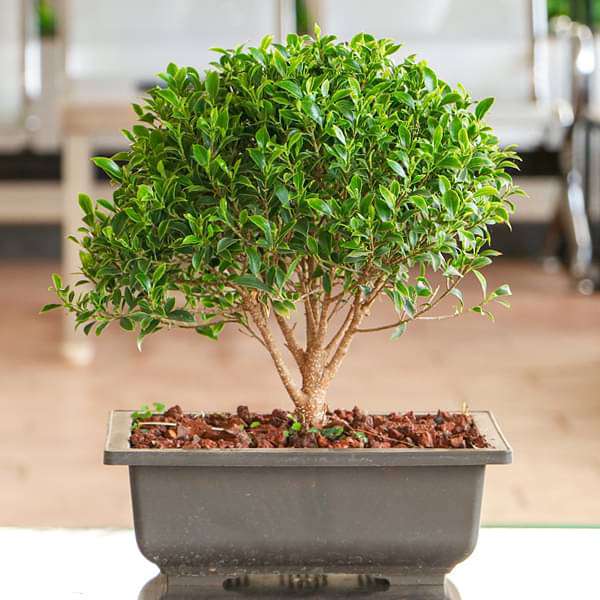
Dioon merolae is a striking cycad native to Mexico, known for its unique appearance and resilience. With its glossy, dark green leaves and stout trunk, this plant adds a touch of prehistoric elegance to any garden or indoor space. As a member of the Zamiaceae family, it is a living fossil, having existed for over 200 million years, making it a fascinating addition for plant enthusiasts and collectors alike.

What sets Dioon merolae apart is its ability to thrive in various environments, from arid landscapes to tropical gardens. This cycad is not only visually appealing but also plays a crucial role in its ecosystem by providing habitat and food for various wildlife. Its slow growth rate and longevity make it a sustainable choice for eco-conscious gardeners.

Special features of Dioon merolae include its ability to fix nitrogen in the soil, enhancing soil fertility, and its unique reproductive cycle, which involves both male and female cones. This plant is a testament to nature's resilience and adaptability, making it a must-have for any serious plant collector.

Growing Instructions:

  • Plant in well-draining soil, preferably sandy or loamy.
  • Choose a location with partial shade to full sun exposure.
  • Water sparingly; allow the soil to dry out between waterings.
  • Fertilize with a balanced fertilizer during the growing season (spring and summer).

Care Instructions:

  • Protect from frost; bring indoors during cold months if necessary.
  • Remove dead leaves to promote airflow and prevent pests.
  • Monitor for pests like scale and mealybugs; treat promptly.
  • Repot every 2-3 years to refresh soil and promote growth.

Uses:

  • Ideal for landscaping in tropical and subtropical gardens.
  • Can be grown in pots for indoor decoration.
  • Used in xeriscaping due to its drought-resistant nature.
  • Valued in traditional medicine in some cultures.

Fun Facts:

  • Dioon merolae is often referred to as the "living fossil" due to its ancient lineage.
  • This cycad can live for over 100 years, making it a long-term investment for gardeners.
  • It is a dioecious plant, meaning it has separate male and female plants for reproduction.
  • Historically, cycads were a primary food source for dinosaurs!

Environmental Impact:

Dioon merolae contributes to biodiversity and soil health by fixing nitrogen, which enriches the soil. Its presence in gardens can help support local wildlife, including pollinators and other beneficial insects. By choosing to cultivate this cycad, you are promoting a sustainable ecosystem and preserving a piece of natural history.

Dioon merolae Care

If you think caring for a Dioon merolae is like nurturing a cactus in a desert, think again! This plant is a diva that demands just the right amount of sunlight, water, and love. Treat it like royalty, and it will reward you with stunning foliage that makes your neighbors green with envy. Remember, overwatering is a crime in the world of cycads, so channel your inner Goldilocks and find that perfect balance!

Dioon merolae Growth Rate

Patience is a virtue, especially when it comes to the growth rate of Dioon merolae. This slowpoke of the plant kingdom takes its sweet time to reach its full glory. But hey, good things come to those who wait! With a little TLC, you’ll be rewarded with a majestic tree that stands tall and proud, making you the proud parent of a botanical masterpiece.

Dioon merolae Soil Requirements

If Dioon merolae were a person, it would be a picky eater at a fancy restaurant. This plant thrives in well-draining soil that’s rich in organic matter. Think of it as a gourmet meal for your roots! A mix of sand, peat, and compost will have your Dioon merolae feeling like it’s dining at a five-star establishment. Just remember, soggy soil is a no-go; it’s like serving a soggy sandwich!

Dioon merolae Sunlight Needs

Sunlight is the lifeblood of Dioon merolae, but it’s not a sunbather. This plant prefers bright, indirect light, much like a celebrity avoiding paparazzi. Too much direct sunlight can scorch its delicate leaves, so find that sweet spot where it can soak up the rays without getting burned. Your Dioon will thank you with lush, vibrant foliage that’s the envy of the garden.

Dioon merolae Fertilization

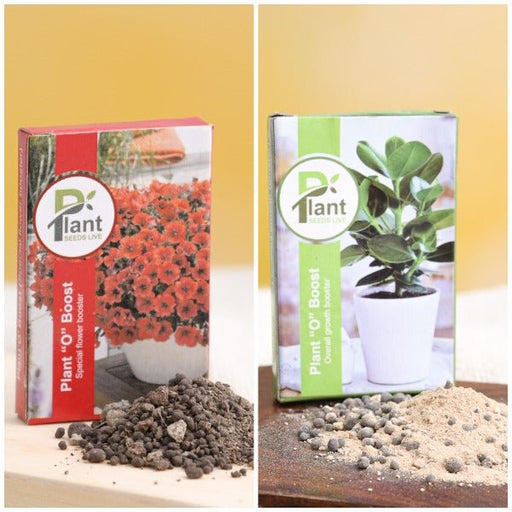
Fertilizing Dioon merolae is like giving it a spa day. A balanced, slow-release fertilizer during the growing season will keep it happy and healthy. Just don’t overdo it; too much fertilizer can lead to a plant that’s more high-maintenance than a reality TV star. A little goes a long way, so sprinkle it on like confetti and watch your Dioon thrive!

Dioon merolae Propagation

Propagating Dioon merolae is like trying to teach a cat to fetch—challenging but oh-so-rewarding! The best method is through seeds, which can take a while to germinate. Patience is key, as you wait for those little green miracles to sprout. Once they do, you’ll feel like a proud parent watching your plant babies grow into magnificent trees.

Dioon merolae Pests

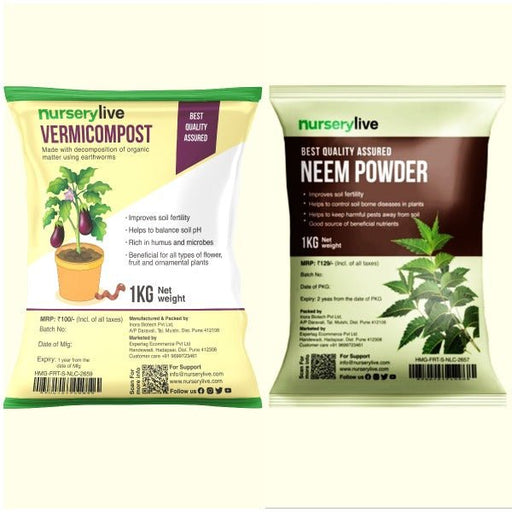
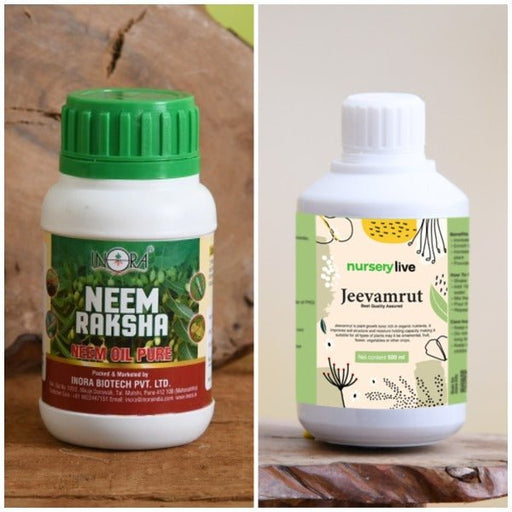
Dioon merolae is generally pest-resistant, but that doesn’t mean it’s immune to the occasional uninvited guest. Scale insects and mealybugs might try to crash the party, but with a little vigilance and some neem oil, you can send them packing. Think of yourself as the bouncer of your garden, keeping the riffraff away from your prized Dioon!

Dioon merolae Lifespan

If you’re looking for a long-term commitment, Dioon merolae is your plant soulmate. With a lifespan that can stretch into the hundreds of years, this tree is like the tortoise in the race of life—slow and steady wins the longevity game. Plant it once, and you’ll have a green companion for generations to come, making it a true heirloom in your garden.

Dioon merolae Uses

Dioon merolae isn’t just a pretty face; it’s a versatile plant that can be used in landscaping, as a specimen tree, or even in container gardens. Its striking appearance makes it a conversation starter at any garden party. Plus, it’s drought-tolerant once established, so you can show off your green thumb without the guilt of overwatering!

Dioon merolae Hardiness Zones

Dioon merolae is a tough cookie that thrives in USDA hardiness zones 9 to 11. It’s like the cool kid in school who can hang out with everyone but prefers the warm crowd. If you live in a cooler climate, consider bringing this beauty indoors during the winter months. It’s the perfect excuse to show off your indoor gardening skills!

Dioon merolae Toxicity

Good news for pet owners! Dioon merolae is non-toxic to cats and dogs, making it a safe addition to your home. You can let your furry friends roam freely without worrying about them munching on your beloved plant. Just remember, while it’s safe, it’s still a plant, so keep an eye on those curious noses!

Dioon merolae Aesthetic Appeal

With its striking, feathery leaves and robust trunk, Dioon merolae is the ultimate showstopper in any garden. It’s like the supermodel of the plant world, turning heads and stealing hearts wherever it goes. Whether you’re aiming for a tropical vibe or a modern landscape, this plant adds a touch of elegance that’s hard to resist.

Trending Collections

Save 40% with Gardening Solutions

You may also need

FAQ

What is Dioon merolae?

Dioon merolae is a charming cycad native to Mexico, known for its striking appearance and resilience. With its glossy, feathery leaves and stout trunk, it’s like the plant world’s version of a well-groomed gentleman. Perfect for those who want to add a touch of prehistoric elegance to their garden!

How do I care for Dioon merolae?

Caring for Dioon merolae is like nurturing a diva; it loves bright light but can tolerate some shade. Water it moderately, allowing the soil to dry out between drinks. Fertilize during the growing season, and watch it thrive like it’s auditioning for a botanical beauty pageant!

Where can I buy Dioon merolae?

You can find Dioon merolae at specialty nurseries or online plant retailers. Just remember, it’s not your average houseplant, so be prepared to search a bit. Think of it as a treasure hunt for the perfect green companion that will make your friends green with envy!
Is Dioon merolae suitable for indoor planting?

While Dioon merolae prefers the great outdoors, it can be grown indoors if you provide ample light and space. Just ensure it has a pot big enough to accommodate its ambitions. It’s like giving a lion a cozy corner in your living room—possible, but not without some planning!
What type of soil does Dioon merolae need?

Dioon merolae thrives in well-draining soil, ideally a mix of sand, peat, and perlite. Think of it as a sandy beach vacation for your plant—no soggy bottoms allowed! This ensures its roots stay happy and healthy, avoiding the dreaded root rot party.

How often should I water Dioon merolae?

Water Dioon merolae when the top inch of soil feels dry, which usually translates to every 1-2 weeks. It’s like a plant version of a spa day—too much water, and it’ll feel overwhelmed. Keep it balanced, and it’ll reward you with lush, vibrant foliage!

Does Dioon merolae need fertilizer?

Yes, Dioon merolae enjoys a good meal! Fertilize it with a balanced, slow-release fertilizer during the growing season. Think of it as a gourmet dining experience for your plant—just don’t overdo it, or it might get a bit too full and refuse to grow!

Can Dioon merolae survive in cold climates?

Dioon merolae is not a fan of frost; it prefers warmer climates. If you live in a chilly area, consider bringing it indoors during winter. It’s like giving your plant a cozy blanket—just make sure it doesn’t get too cold, or it might throw a tantrum!

What pests affect Dioon merolae?

Dioon merolae can attract pests like scale and mealybugs, but don’t worry! A gentle wipe with soapy water or neem oil can send them packing. Think of it as a plant spa treatment—refreshing and rejuvenating, ensuring your cycad stays as fabulous as ever!

How long does Dioon merolae live?

Dioon merolae is a long-lived plant, often thriving for decades, if not centuries! It’s like the tortoise of the plant world—slow and steady wins the race. With proper care, you could be passing it down to future generations, making it a true family heirloom!

Is Dioon merolae toxic to pets?

Good news for pet lovers! Dioon merolae is not considered toxic to cats or dogs. However, it’s always wise to keep an eye on your furry friends, as they might find the leaves too tempting. Better safe than sorry—after all, we don’t want any plant-related drama in the house!