Skip to content

Arenga englerii - Plant

Sold out
Original price ₹ 249
₹ 249
₹ 249
Current price ₹ 249

Product includes

SrNoItem Name
1Arenga englerii - Plant

Arenga englerii - The Unique Sugar Palm

Arenga englerii, commonly known as the Sugar Palm, is a stunning tropical plant native to Southeast Asia. This perennial palm is characterized by its striking fan-shaped leaves and robust trunk, making it a popular choice for landscaping and indoor decor. With its ability to thrive in various environments, Arenga englerii is not only visually appealing but also contributes positively to the ecosystem by providing habitat and food for local wildlife.

Why It's Special

What sets Arenga englerii apart is its unique ability to produce sugar-rich sap, which can be harvested and processed into a variety of products, including sugar and alcoholic beverages. This versatile palm is not just a beautiful addition to your garden; it also plays a significant role in local economies where it is cultivated for its sap.

Special Features

Arenga englerii is known for its impressive height, reaching up to 20 feet, and its lush, green foliage that can grow up to 10 feet long. Its resilience to drought and adaptability to different soil types make it an excellent choice for gardeners looking for a low-maintenance yet striking plant.

Growing Instructions

  • Plant in well-draining soil with a pH of 6.0 to 7.0.
  • Choose a location with partial shade to full sun exposure.
  • Water regularly, allowing the top inch of soil to dry out between waterings.
  • Fertilize with a balanced fertilizer every 4-6 weeks during the growing season.

Care Instructions

  • Prune dead or damaged fronds to promote healthy growth.
  • Monitor for pests such as scale and spider mites; treat with insecticidal soap if necessary.
  • Provide protection from strong winds to prevent damage to the fronds.

Uses

  • Harvest sap for sugar production and local beverages.
  • Utilize the leaves for thatching and crafting materials.
  • Use as an ornamental plant in gardens and landscapes.

Fun Facts

  • Arenga englerii can live for over 100 years, making it a long-lasting addition to any garden.
  • The sap harvested from this palm is known as "toddy" and is a traditional drink in many cultures.
  • This palm is also known for its ability to sequester carbon, contributing positively to the environment.

Arenga englerii Care

If you think caring for a plant is as easy as watering it and saying sweet nothings, think again! Arenga englerii, also known as the sugar palm, requires a bit more finesse. This tropical beauty thrives in well-draining soil and loves a good dose of humidity. So, if you live in a desert, you might want to reconsider your life choices. Regular pruning and occasional fertilization will keep this palm looking fabulous. Remember, a happy plant is a well-fed plant!

Arenga englerii Growth Rate

Patience is a virtue, especially when it comes to the growth rate of Arenga englerii. This slowpoke can take its sweet time to reach its full height, which can be up to 20 feet. But hey, good things come to those who wait! With the right conditions, you’ll be rewarded with a stunning palm that will make your neighbors green with envy. Just don’t expect it to grow overnight; it’s not a magic beanstalk!

Arenga englerii Propagation

Want to multiply your Arenga englerii like rabbits? Propagation is the name of the game! This palm can be propagated through seeds, but don’t expect instant gratification. Germination can take several months, so patience is key. Once you’ve got those little seedlings sprouting, treat them like royalty. With a little TLC, you’ll have a mini forest of sugar palms in no time. Just remember, with great power comes great responsibility!

Arenga englerii Soil Requirements

If you think all soil is created equal, think again! Arenga englerii has a preference for well-draining, loamy soil that’s rich in organic matter. It’s like a five-star restaurant for plants! Avoid heavy clay or compacted soils, as they’ll leave your palm feeling suffocated. A good mix of sand and compost will do wonders. So, roll up your sleeves and get your hands dirty; your Arenga englerii will thank you!

Arenga englerii Sunlight Needs

Sunlight is the lifeblood of any plant, and Arenga englerii is no exception. This palm loves bright, indirect light but can tolerate some shade. Think of it as the diva of the plant world—she wants her spotlight but doesn’t want to be scorched! Too much direct sunlight can lead to crispy fronds, and nobody wants that. So, find that sweet spot where your palm can bask in the glow without getting burned.

Arenga englerii Watering Schedule

Watering Arenga englerii is like a delicate dance; too much and you’ll drown it, too little and it’ll wither away. Aim for a consistent watering schedule, allowing the top inch of soil to dry out between drinks. This palm prefers to be moist but not soggy—think of it as a spa day for plants! During the growing season, you might need to up the ante, but in winter, let it chill. Your palm will appreciate the thoughtfulness!

Arenga englerii Fertilization

If you want your Arenga englerii to strut its stuff, fertilization is key! A balanced, slow-release fertilizer during the growing season will keep this palm looking lush and vibrant. Think of it as a gourmet meal for your plant. Just don’t overdo it; too much fertilizer can lead to a case of the “burnt tips.” Follow the instructions, and your palm will be the belle of the botanical ball!

Arenga englerii Pests and Diseases

Every plant has its enemies, and Arenga englerii is no different. Watch out for pesky pests like spider mites and mealybugs that can turn your palm into their personal buffet. Regular inspections and a good insecticidal soap can keep these invaders at bay. And if your palm starts showing signs of distress, don’t panic! A little TLC and prompt action can save the day. After all, every hero needs a sidekick!

Arenga englerii Indoor vs. Outdoor

it’s a palm that loves to be the center of attention!

Arenga englerii Landscape Design

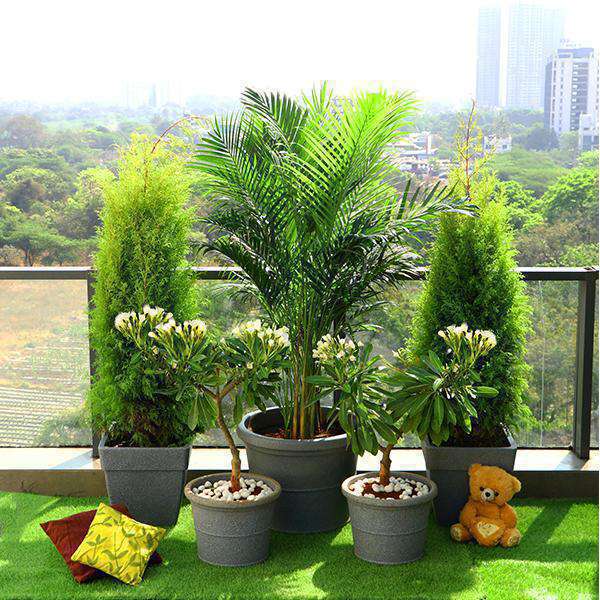
If you’re looking to jazz up your landscape, Arenga englerii is your go-to plant! With its feathery fronds and tropical vibe, it can transform any dull garden into a paradise. Use it as a focal point or plant it in clusters for a more dramatic effect. Just be sure to give it enough space to spread its wings—this palm doesn’t do cramped quarters! Your garden will thank you for the upgrade.

Arenga englerii Uses

Beyond its stunning appearance, Arenga englerii has some practical uses too! The sap can be harvested to make sugar, giving it the nickname “sugar palm.” Talk about a sweet deal! Additionally, its fronds can be used for thatching and crafting. So, not only will you have a beautiful plant, but you’ll also have a source of natural sweetness and materials for your DIY projects. Who knew a palm could be so versatile?

Trending Collections

Save 40% with Gardening Solutions

You may also need

FAQ

What is Arenga englerii?
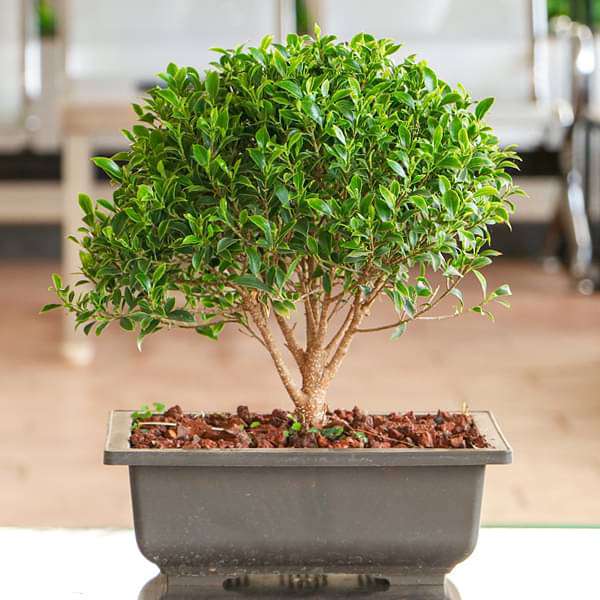
Arenga englerii, also known as the sugar palm, is a tropical beauty that hails from Southeast Asia. With its feathery fronds and robust trunk, it’s like the palm tree’s stylish cousin. Perfect for adding a touch of the exotic to your garden, it’s a plant that knows how to make an entrance!

How do I care for Arenga englerii?

Caring for Arenga englerii is like nurturing a diva; it loves bright, indirect light and humidity. Water it regularly, but don’t drown it—think of it as a spa day, not a swim meet. Fertilize during the growing season, and watch it flourish like the star it is!

What are the ideal growing conditions for Arenga englerii?

Arenga englerii thrives in warm, humid environments, making it the perfect plant for tropical climates. It prefers well-draining soil and partial shade, so think of it as a plant that enjoys lounging by the pool rather than sunbathing. Keep it cozy, and it’ll reward you with lush foliage!

Can Arenga englerii be grown indoors?

Absolutely! Arenga englerii can be a fabulous indoor companion, provided you give it enough light and humidity. Place it near a bright window, and mist it occasionally to keep it happy. Just remember, it’s not a fan of cold drafts—no one likes a chill, right

How tall does Arenga englerii grow?

Arenga englerii can reach impressive heights of up to 20 feet in its natural habitat, but indoors, it might settle for a more modest 6 to 10 feet. It’s like that friend who’s tall but knows when to slouch for the group photo. Just give it space to stretch!

Is Arenga englerii cold hardy?

Sadly, Arenga englerii is not a fan of the cold. It prefers temperatures above 50°F, so if you live in a chilly area, consider it a tropical vacation plant. Bring it indoors during winter, or it might just throw a tantrum and drop its leaves!

What pests affect Arenga englerii?

Watch out for pesky pests like spider mites and scale insects that might try to crash the party. Regularly inspect your plant and give it a gentle shower to keep these uninvited guests at bay. If they persist, a little insecticidal soap can send them packing!

How often should I water Arenga englerii?

Watering Arenga englerii is like keeping a pet goldfish; you don’t want to overdo it! Allow the top inch of soil to dry out before watering again. In the growing season, it’ll appreciate a good drink, but in winter, ease up—no one likes a soggy bottom!

Can I propagate Arenga englerii?

Propagation of Arenga englerii is a bit tricky, as it prefers to be left alone. The best method is through seeds, which can take their sweet time to germinate. Patience is key here; think of it as waiting for a fine wine to age—worth it in the end!

What are the benefits of growing Arenga englerii?

Growing Arenga englerii not only beautifies your space but also improves air quality. It’s like having a personal air purifier that doubles as a conversation starter. Plus, its tropical vibes can transport you to a beach paradise, even if you’re stuck in the office!

Is Arenga englerii toxic to pets?

Good news for pet lovers! Arenga englerii is non-toxic to cats and dogs, so you can let your furry friends roam freely around this tropical gem. Just keep an eye on them; they might mistake its fronds for a new chew toy!

Where can I buy Arenga englerii?

You can find Arenga englerii at local nurseries, garden centers, or online plant retailers. Just make sure to choose a reputable seller to ensure you’re getting a healthy plant. It’s like dating; you want to make sure you’re not getting a lemon!