Baptisia tinctoria benefits
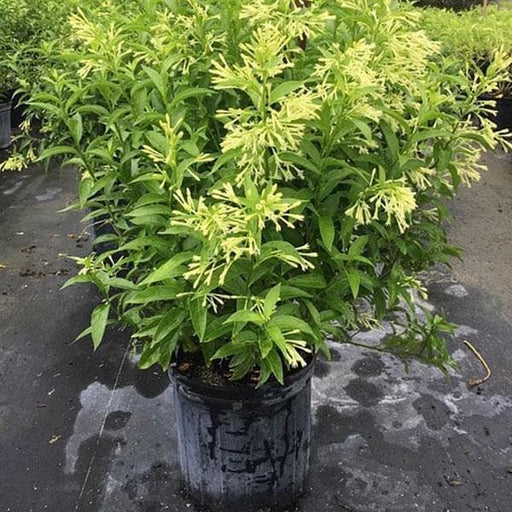
Baptisia tinctoria, also known as wild indigo, is not just a pretty face in the garden; it’s a powerhouse of benefits! This perennial plant boasts a deep taproot that helps it thrive in poor soils, making it the eco-warrior of the plant world. It’s drought-tolerant, so you can forget about those pesky watering schedules. Plus, its stunning yellow flowers attract pollinators, ensuring your garden is buzzing with life. And let’s not forget its medicinal properties; it has been used in traditional medicine for various ailments. So, if you want a plant that’s low-maintenance and high-impact, Baptisia tinctoria is your go-to!
Baptisia tinctoria care
Caring for Baptisia tinctoria is like having a pet rock—minimal effort for maximum reward! This hardy perennial thrives in full sun to partial shade and doesn’t demand much in terms of soil quality. Just plant it, sit back, and watch it grow! Water it occasionally, especially during its first year, and then let it strut its stuff. Pruning? Nah, it’s not a diva; just let it be. The only thing you might need to do is remove any dead stems in late winter. So, if you’re looking for a plant that won’t text you for attention, Baptisia tinctoria is your perfect match!
Baptisia tinctoria propagation
Propagating Baptisia tinctoria is like baking a cake—follow the recipe, and you’ll have more plants than you know what to do with! You can start from seeds or divide established plants. If you’re going the seed route, soak them overnight to soften their tough exterior, then plant them in well-draining soil. Patience is key, as they can take a while to germinate. If you prefer the division method, wait until spring or fall, dig up a mature plant, and slice it into sections. Replant those sections, and voilà! You’ve just multiplied your wild indigo army.
Baptisia tinctoria uses
Baptisia tinctoria isn’t just a pretty face; it’s a multi-talented superstar! Beyond its ornamental appeal, this plant has been used historically for dyeing fabrics, thanks to its rich pigments. Imagine wearing a dress dyed with the hues of wild indigo—talk about a conversation starter! It’s also a fantastic addition to pollinator gardens, attracting bees and butterflies like a magnet. Plus, its deep roots help prevent soil erosion, making it a hero in sustainable gardening. So, whether you’re looking to beautify your space or make a fashion statement, Baptisia tinctoria has got you covered!
Baptisia tinctoria toxicity
Fear not, plant lovers! Baptisia tinctoria is not on the naughty list when it comes to toxicity. While it’s always wise to keep an eye on what your pets and kids are munching on, this plant is generally considered non-toxic. However, like any good rule, there are exceptions. Consuming large quantities can lead to some gastrointestinal upset, so it’s best to admire this beauty from a distance if you’re feeling peckish. In short, Baptisia tinctoria is a safe bet for your garden, allowing you to enjoy its beauty without worrying about any toxic surprises!
Baptisia tinctoria soil requirements
Baptisia tinctoria is the laid-back friend of the plant world when it comes to soil requirements. It thrives in a variety of soil types, from sandy to clay, as long as it’s well-draining. This plant doesn’t need a fancy soil mix or constant pampering; it’s perfectly content to make itself at home in less-than-ideal conditions. Just ensure it’s not sitting in waterlogged soil, or it might throw a tantrum. So, if you’ve got some less-than-stellar dirt in your garden, Baptisia tinctoria will happily take it off your hands!
Baptisia tinctoria sunlight needs
If you’re looking for a plant that loves the sun but isn’t a sunbather, Baptisia tinctoria is your perfect match! This perennial thrives in full sun to partial shade, making it versatile enough to fit into various garden spots. It’s like that friend who can party all day but also enjoys a cozy evening indoors. While it prefers at least six hours of sunlight, it can tolerate some shade, especially in hotter climates. So, whether you have a sun-drenched garden or a partially shaded nook, Baptisia tinctoria will shine bright!
Baptisia tinctoria pests
When it comes to pests, Baptisia tinctoria is like the bouncer at an exclusive club—keeping unwanted guests at bay! This resilient plant is generally pest-resistant, making it a low-maintenance choice for gardeners. However, it’s not entirely immune to the occasional intruder. Aphids and spider mites might try to crash the party, but a simple spray of water or insecticidal soap can send them packing. So, if you’re looking for a plant that can hold its own against pests while still looking fabulous, Baptisia tinctoria is your go-to!
Baptisia tinctoria companion plants
Pairing Baptisia tinctoria with the right companions is like assembling the ultimate dream team! This perennial loves to hang out with other drought-tolerant plants like coneflowers, black-eyed Susans, and ornamental grasses. Together, they create a vibrant tapestry of colors and textures that will make your garden the talk of the town. Plus, these companions share similar soil and sunlight needs, making them the perfect match. So, if you want to create a harmonious garden that’s both beautiful and functional, Baptisia tinctoria and its buddies are ready to shine!
Baptisia tinctoria flowering season
Get ready for a floral fiesta because Baptisia tinctoria knows how to put on a show! This perennial bursts into bloom in late spring to early summer, showcasing stunning spikes of bright yellow flowers that will make your garden pop. The flowers are not just a feast for the eyes; they also attract pollinators, turning your garden into a buzzing paradise. After the show, the plant continues to impress with its attractive seed pods, which add interest even after the blooms fade. So, if you want a plant that knows how to party, Baptisia tinctoria is the life of the garden!
Baptisia tinctoria landscape design
Incorporating Baptisia tinctoria into your landscape design is like adding a splash of sunshine to your garden palette! With its striking yellow flowers and lush foliage, this perennial makes a bold statement in any setting. It works beautifully in borders, wildflower gardens, or even as a focal point in a mixed planting scheme. Its upright habit adds height and structure, while its drought tolerance means it can thrive in various conditions. So, if you’re looking to elevate your landscape design and bring some vibrant energy to your outdoor space, Baptisia tinctoria is the star you’ve been searching for!


 White Marble Pebbles (1 kg)
₹199
White Marble Pebbles (1 kg)
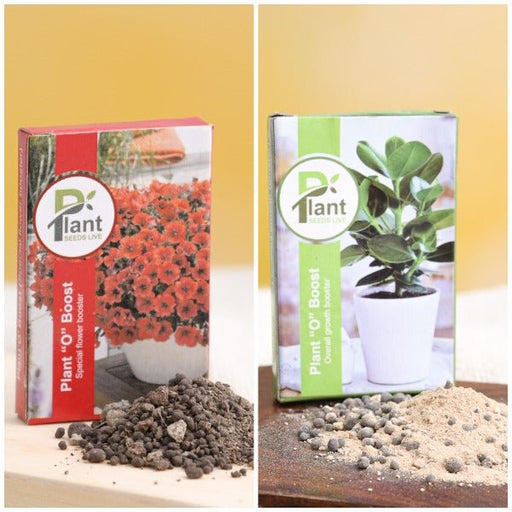
₹199 Plant O Boost — Growth Booster
₹239
Plant O Boost — Growth Booster
₹239 Garden Essential Plant Care Kit
₹599
Garden Essential Plant Care Kit
₹599