Skip to content

Alocasia indica

Sold out
Original price ₹ 249
₹ 249
₹ 249
Current price ₹ 249

Product includes

SrNoItem Name
1Alocasia indica

Alocasia Indica: The Majestic Elephant Ear Plant

Alocasia indica, commonly known as the Indian Elephant Ear, is a stunning tropical plant native to Southeast Asia. With its large, heart-shaped leaves that can grow up to 3 feet long, this plant adds a dramatic touch to any indoor or outdoor space. Its striking foliage not only enhances aesthetic appeal but also purifies the air, making it a perfect addition to your home or garden.

What sets Alocasia indica apart is its unique ability to thrive in various light conditions, from bright indirect light to partial shade. This adaptability, combined with its exotic appearance, makes it a favorite among plant enthusiasts. Additionally, its historical significance in traditional medicine adds to its allure, as it has been used for centuries in various cultures for its therapeutic properties.

One of the special features of Alocasia indica is its impressive growth rate. With the right care, this plant can flourish quickly, providing lush greenery and a tropical vibe to your surroundings. Its large leaves not only create a visual impact but also serve as a natural humidifier, improving indoor air quality.

Growing Instructions

  • Plant in well-draining potting mix enriched with organic matter.
  • Place in bright, indirect sunlight; avoid direct sunlight to prevent leaf burn.
  • Maintain a temperature range of 65°F to 80°F (18°C to 27°C).
  • Water regularly, allowing the top inch of soil to dry out between waterings.

Care Instructions

  • Fertilize every 4-6 weeks during the growing season with a balanced liquid fertilizer.
  • Humidity is key; mist the leaves or use a humidifier to maintain moisture levels.
  • Prune dead or yellowing leaves to encourage new growth and maintain plant health.
  • Repot every 1-2 years to refresh soil and provide more space for growth.

Uses

  • Ideal for indoor decoration, enhancing living spaces with its lush foliage.
  • Can be used in landscaping for tropical-themed gardens or as a focal point.
  • Leaves can be used in traditional medicine, though caution is advised due to potential toxicity.

Fun Facts

  • Alocasia indica is part of the Araceae family, which includes other popular houseplants like Philodendron and Monstera.
  • This plant is known for its ability to adapt to various environments, making it a resilient choice for plant lovers.
  • In some cultures, the leaves are used in cooking, though they must be prepared properly to remove toxins.

Environmental Impact

Alocasia indica plays a vital role in its native ecosystem, providing habitat and food for various wildlife. As a houseplant, it contributes to improved indoor air quality by filtering toxins, making it an eco-friendly choice for homes and offices.

Alocasia indica Care

If you think caring for Alocasia indica is like raising a pet rock, think again! This tropical beauty demands attention, but don’t worry, it’s not as high-maintenance as a diva. Keep the soil moist but not soggy, and provide bright, indirect light. Remember, it’s not a fan of cold drafts or direct sunlight—think of it as a sunbather who prefers a nice umbrella drink.

Alocasia indica Benefits

Beyond its stunning foliage, Alocasia indica is like the Swiss Army knife of houseplants. It purifies the air, making your home feel fresher than a morning breeze. Plus, it’s a natural humidifier, so say goodbye to dry skin and hello to a mini rainforest vibe in your living room.

Alocasia indica Propagation

Want to multiply your Alocasia indica like rabbits? Propagation is your answer! You can divide the rhizomes or try your hand at water propagation. Just remember, patience is key—this isn’t a fast-food drive-thru, but the results are worth the wait.

Alocasia indica Pests

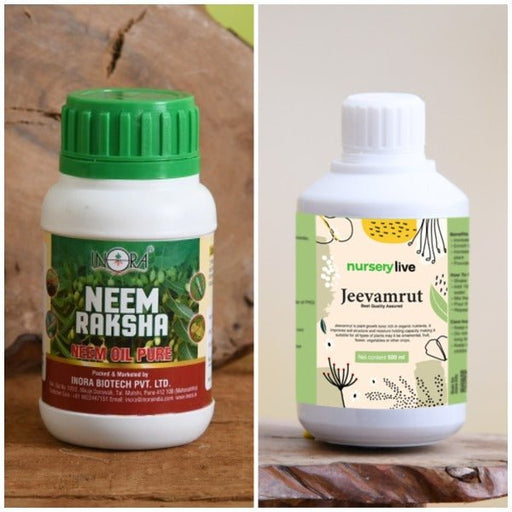
If your Alocasia indica starts looking like it’s been through a battle, pests might be the culprits. Spider mites and aphids are the usual suspects. But fear not! A little neem oil or insecticidal soap can send these uninvited guests packing.

Alocasia indica Toxicity

While your Alocasia indica is a showstopper, it’s also a bit of a drama queen. It contains calcium oxalate crystals, making it toxic to pets and humans if ingested. So, keep it out of reach of curious paws and little hands—no one wants a trip to the vet or the ER!

Alocasia indica Light Requirements

This plant is a bit of a light snob. It thrives in bright, indirect light, so don’t even think about placing it in a dark corner. It’s like a celebrity who needs the spotlight—give it the right lighting, and it’ll reward you with lush, vibrant leaves.

Alocasia indica Soil

The right soil is like a comfy bed for your Alocasia indica. A well-draining potting mix is essential to prevent root rot. Think of it as a luxurious spa treatment for its roots—fluffy, airy, and just the right amount of moisture.

Alocasia indica Size

This plant can grow to be quite the show-off, reaching heights of up to 3 feet or more. It’s like the gentle giant of houseplants, making a statement without being too overbearing. Just make sure you have enough space for its grand entrance!

Alocasia indica Varieties

Alocasia indica isn’t just a one-hit wonder; it has a few fabulous relatives. From the striking Alocasia zebrina to the elegant Alocasia amazonica, there’s a whole family of eye-catching plants to explore. Each variety brings its own flair to the party!

Alocasia indica Watering

Watering your Alocasia indica is an art form. Too much, and you’ll drown it; too little, and it’ll wilt like a sad flower. Aim for a Goldilocks approach—just the right amount of moisture to keep it happy and thriving.

Alocasia indica Location

Finding the perfect spot for your Alocasia indica is like matchmaking. It needs a cozy nook with bright, indirect light and a bit of humidity. Avoid placing it near heating vents or drafty windows—this plant prefers a stable environment, much like a homebody!

Alocasia indica Repotting

Repotting your Alocasia indica is like giving it a new wardrobe. Every couple of years, it’ll need a fresh pot to accommodate its growing roots. Choose a pot that’s one size up, and watch it flourish in its new digs—just like a plant version of a glow-up!

Trending Collections

Save 40% with Gardening Solutions

You may also need

FAQ

What is Alocasia indica?

Alocasia indica, also known as Indian Taro, is a tropical plant with striking arrow-shaped leaves that can make any room feel like a rainforest. This beauty thrives in warm, humid conditions and is a favorite among plant enthusiasts for its dramatic foliage and easy care. Just don’t forget to give it a drink!

How do I care for Alocasia indica?

Caring for Alocasia indica is like nurturing a diva; it loves bright, indirect light and humidity. Keep the soil consistently moist but not soggy, and watch out for pesky pests. A little misting goes a long way, and don’t forget to shower it with compliments—plants thrive on positive vibes!

What are the ideal growing conditions for Alocasia indica?

Alocasia indica prefers warm temperatures between 65°F to 80°F and high humidity. Think of it as a tropical vacation for your plant! Use well-draining soil and place it in bright, indirect sunlight. If you can’t provide humidity, a pebble tray or humidifier will do the trick. Your plant will thank you!

Can Alocasia indica be grown indoors?

Absolutely! Alocasia indica is a fabulous indoor companion, adding a touch of exotic flair to your home. Just ensure it gets enough light and humidity, and it will thrive like a star in the spotlight. Remember, it’s not just a plant; it’s a conversation starter!

Is Alocasia indica toxic to pets?

Yes, Alocasia indica is toxic to pets, so keep your furry friends at bay! The plant contains calcium oxalate crystals, which can cause irritation if ingested. If your pet has a penchant for munching on greenery, it’s best to place this beauty out of reach. Safety first, plant lovers!

How often should I water Alocasia indica?

Watering Alocasia indica is a balancing act; aim for once a week, but adjust based on humidity and temperature. The soil should be kept moist but not soggy—think of it as a spa day for your plant. Always check the top inch of soil before watering; nobody likes a soggy bottom!

What pests affect Alocasia indica?

Alocasia indica can attract pests like spider mites, aphids, and mealybugs. These little intruders can be a nuisance, but don’t fret! Regularly inspect your plant and wipe its leaves with a damp cloth. If pests invade, a gentle insecticidal soap or neem oil will send them packing. Bye-bye, bugs!

How do I propagate Alocasia indica?

Propagating Alocasia indica is like playing plant matchmaker! You can do this through offsets or division. Carefully separate the offsets from the main plant and pot them in fresh soil. Keep them warm and humid, and soon you’ll have a mini jungle of Alocasia beauties to show off!

What is the growth rate of Alocasia indica?

Alocasia indica is a fast-growing plant, especially during the growing season. With the right care, you can expect new leaves to unfurl every few weeks. Just remember, it’s not a race; give it the love and attention it deserves, and it will reward you with lush foliage in no time!

Can Alocasia indica survive in low light?

While Alocasia indica can tolerate low light, it won’t be throwing a party anytime soon. For optimal growth, it craves bright, indirect light. If you must place it in a dim corner, be prepared for slower growth and fewer leaves. It’s like putting a sunbather in the shade—no fun!

What are the common diseases affecting Alocasia indica?

Alocasia indica can fall victim to root rot and leaf spot diseases, often due to overwatering or poor drainage. Keep an eye out for yellowing leaves or mushy roots. If you spot trouble, act fast! Trim affected areas and adjust your watering routine. Prevention is key to keeping your plant healthy!

How do I fertilize Alocasia indica?

Fertilizing Alocasia indica is like giving it a gourmet meal! Use a balanced liquid fertilizer every 4-6 weeks during the growing season. Dilute it to half strength to avoid overwhelming your plant. Just remember, too much of a good thing can lead to a plant bellyache, so moderation is essential!