Ranunculus sceleratus
(MRP Inclusive of all taxes)
- Shipping ₹79 for entire order
- Dispatch in 7 days
- Country of origin: India
(MRP Inclusive of all taxes)
Save 29%
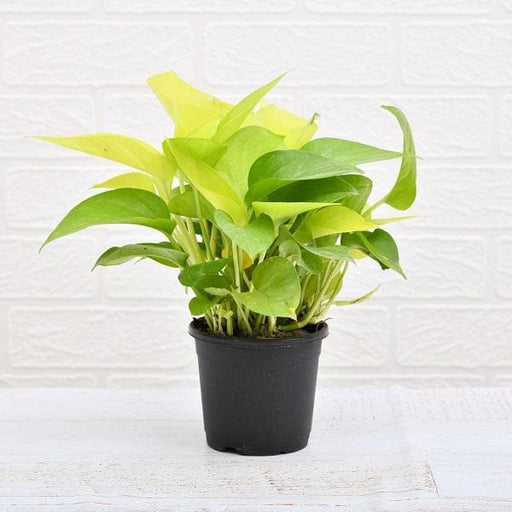
Air Purifier Money Plant with Pot The Air Purifier Money Plant, also known as Pothos or Epipremnum aureum, is a stunning indoor plant that...
View full details
Save up to 15%
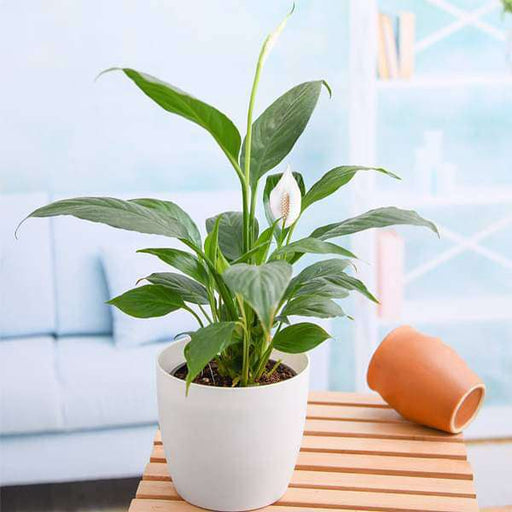
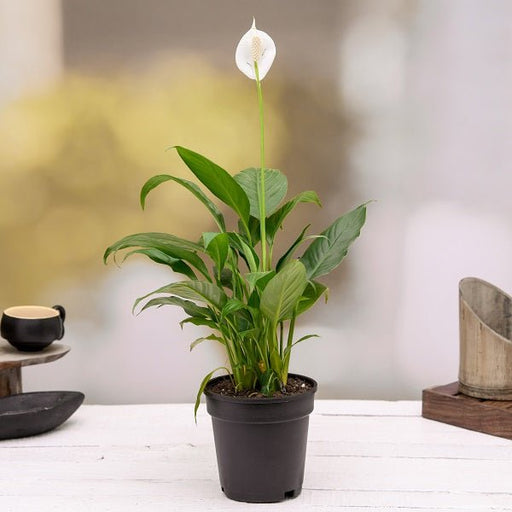
Peace Lily, Spathiphyllum - Plant The Peace Lily, scientifically known as Spathiphyllum, is a stunning houseplant celebrated for its elegant white...
View full details
Save 25%
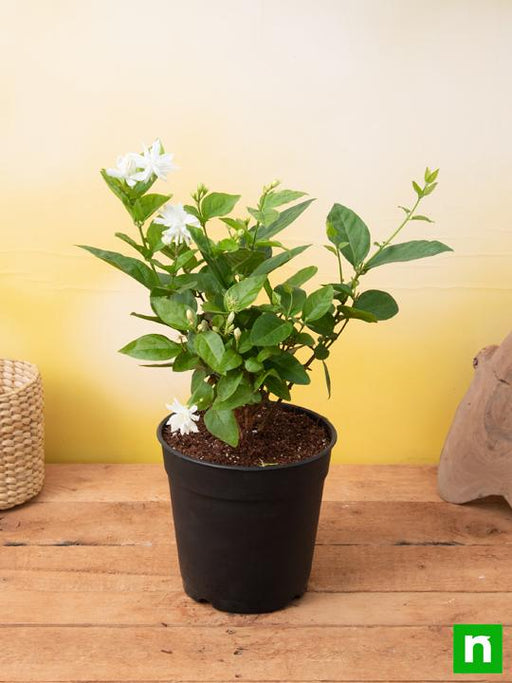
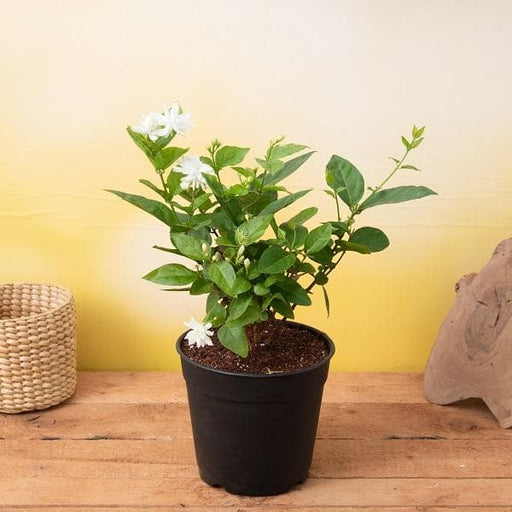
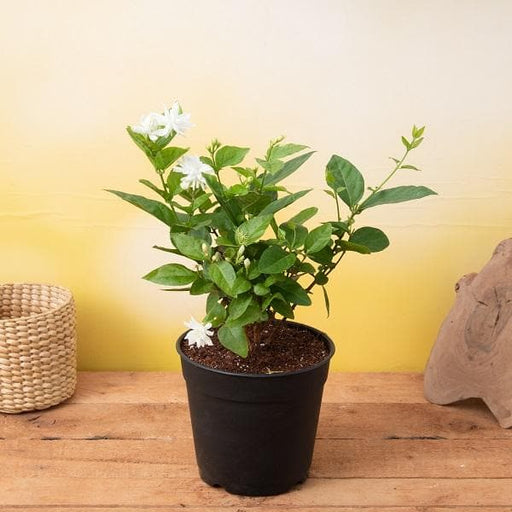
Jasminum sambac, Mogra, Arabian Jasmine - Plant Jasminum sambac, commonly known as Mogra or Arabian Jasmine, is a fragrant flowering plant...
View full details
Save 18%
Combo Constituents Includes the Parijat Tree (Night-Flowering Jasmine), a culturally significant plant with fragrant flowers. Description The Pari...
View full details
Save 25%
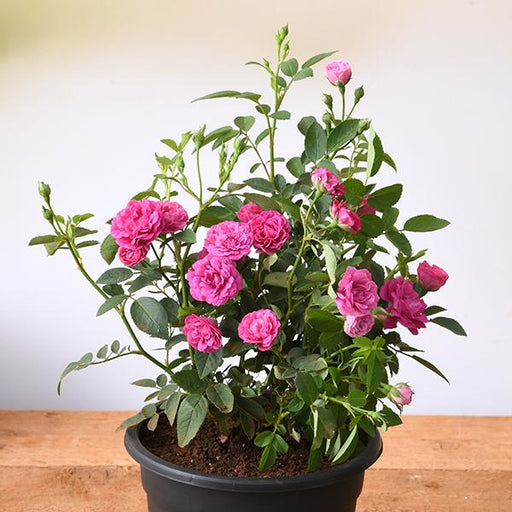
Miniature Rose, Button Rose (Any Color) - Plant The Miniature Rose, also known as the Button Rose, is a charming and compact flowering plant that ...
View full details
Save 25%
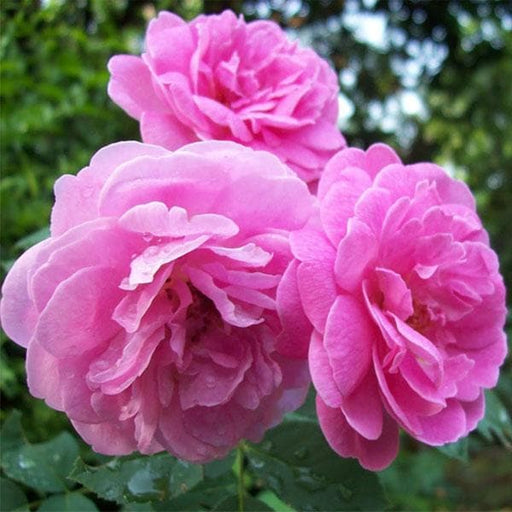
Damascus Rose, Scented Rose (Any Color) - Plant The Damascus Rose, also known as Rosa damascena, is a timeless symbol of beauty and romanc...
View full details
Save 17%
Beautiful Fragrant Mogra, Arabian Jasmine Plant with Pot The Beautiful Fragrant Mogra, also known as Arabian Jasmine (Jasminum sambac), is...
View full details
Save 15%
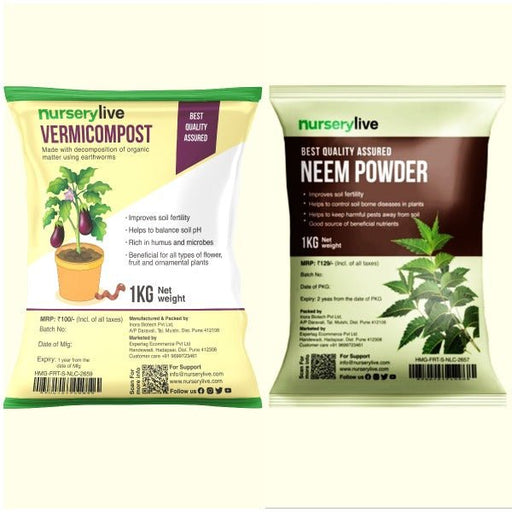
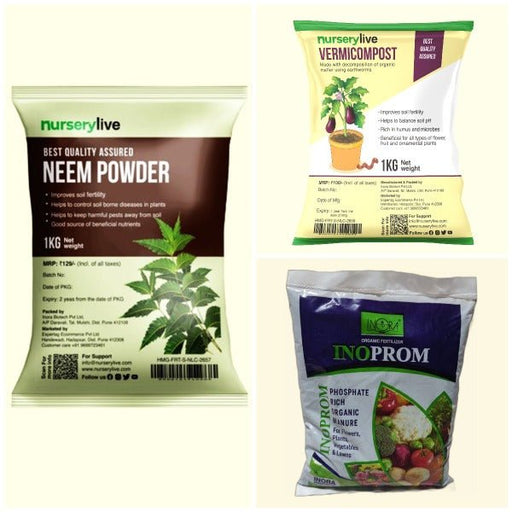
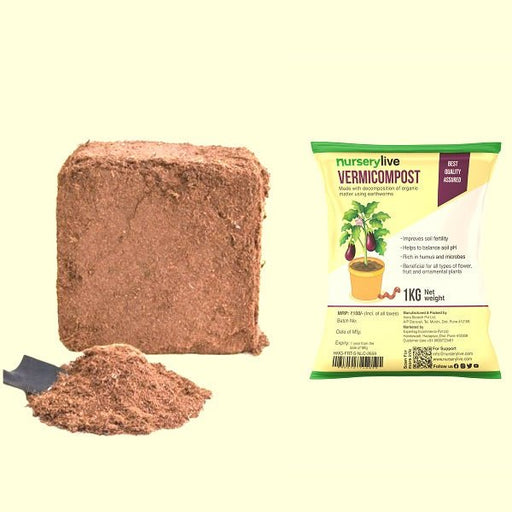
Pack of Vermicompost and Neem Cake for House Plants Transform your indoor garden with our premium Pack of Vermicompost and Neem Cake, spec...
View full details
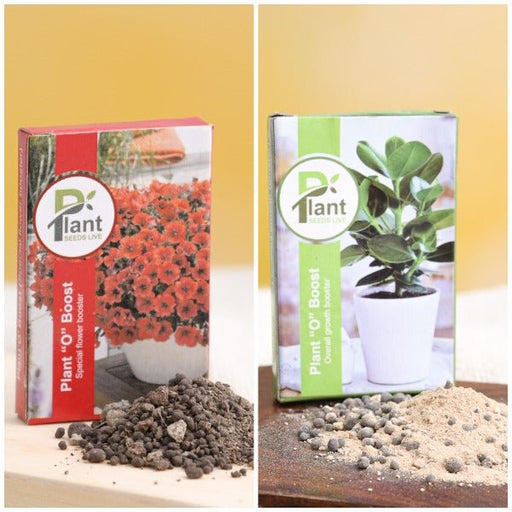
Pack of Plant Growth and Flower Boosters Unlock the full potential of your garden with our Pack of Plant Growth and Flower Boosters! This ...
View full details
Save 38%
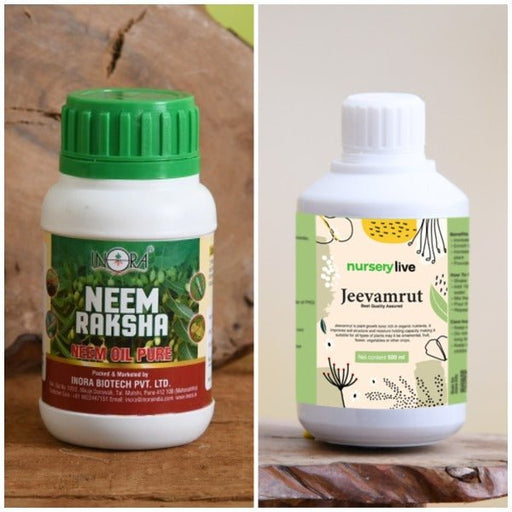
Combo of Jeevamrut and Neem Raksha for Easy Growth and Protection of Houseplants Transform your indoor garden with our exclusive combo of ...
View full details
Save 22%
Plant Nutrients Kit (Pack of 16) for a Healthy Garden Transform your garden into a lush paradise with our Plant Nutrients Kit, featuring 1...
View full details
Save 16%
Combo of Top Plant Fertilizers Elevate your gardening game with our exclusive Combo of Top Plant Fertilizers, featuring two bags of premiu...
View full details
Save 24%
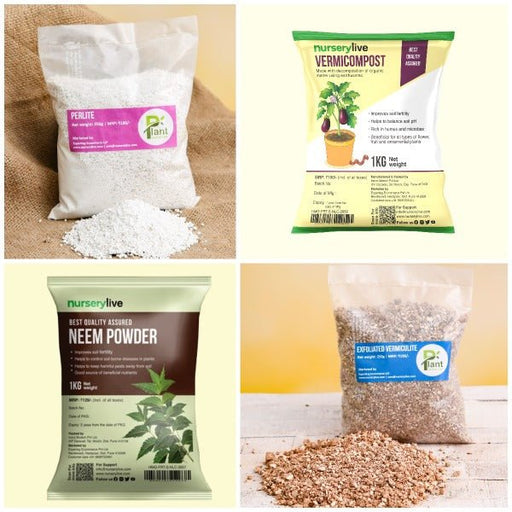
Pack of 4 Additives to Make Soil Healthy and Nutrient Rich Transform your garden into a thriving ecosystem with our Pack of 4 Additives de...
View full details
Save 30%
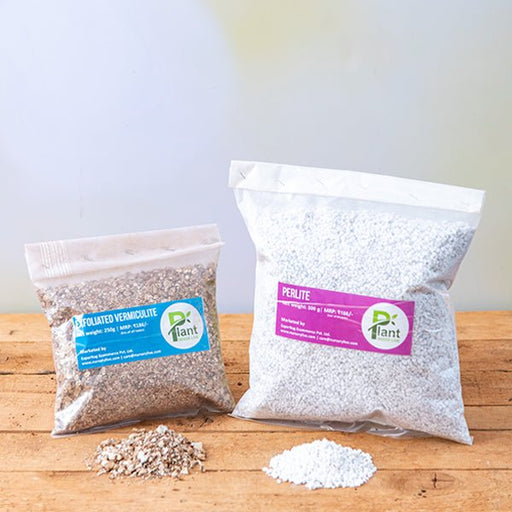
Transform your gardening experience with our premium Combo of Perlite and Vermiculite. This unique blend is designed to enhance soil aeration and ...
View full details
Save 27%
Combo of 2 Vermicompost and Cocopeat - Enrich Your Soil Naturally! Transform your garden into a thriving ecosystem with our Combo of 2 Ver...
View full details
Save 35%
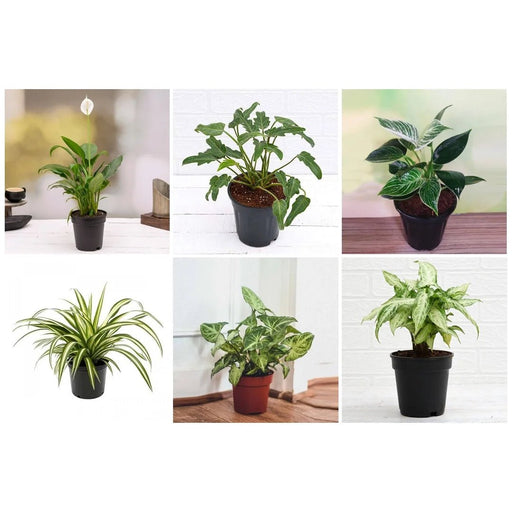
Best 6 Plants for Perfect Indoor Garden Transform your living space into a lush oasis with our curated collection of the Best 6 Plants for a...
View full details
Save up to 50%
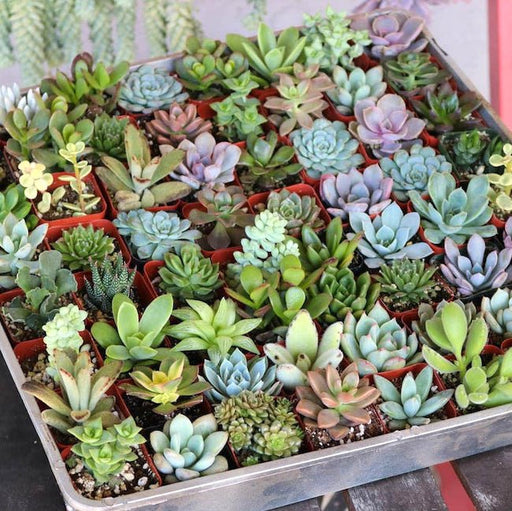
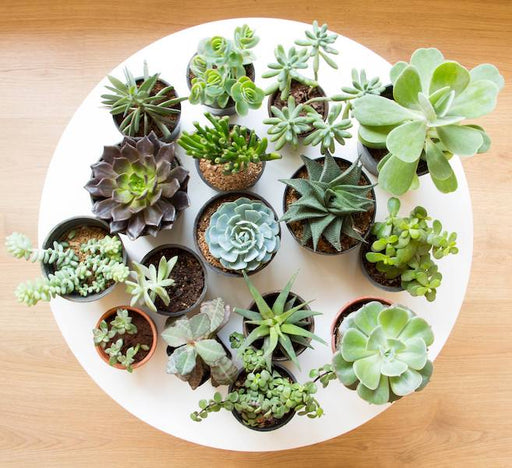
Mini Succulent Garden Pack Transform your space with our Mini Succulent Garden Pack, featuring a delightful collection of 4 any variety beautiful s...
View full details
Save 30%
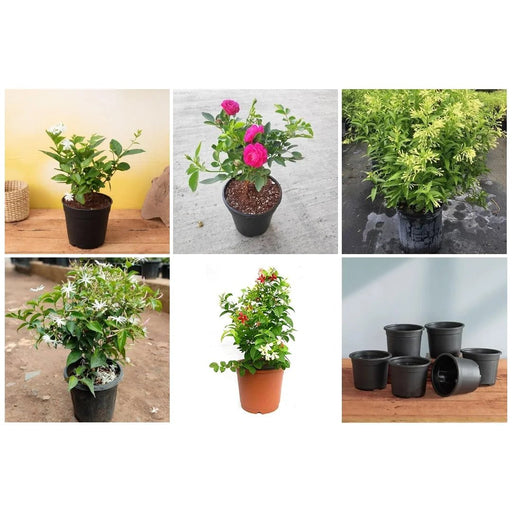
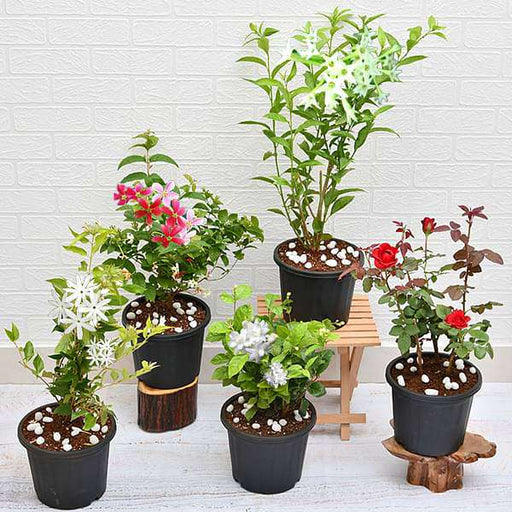
5 Best Fragrant Plants Transform your garden or indoor space into a fragrant paradise with our curated selection of the 5 Best Fragrant Plants. Th...
View full details
Save 24%
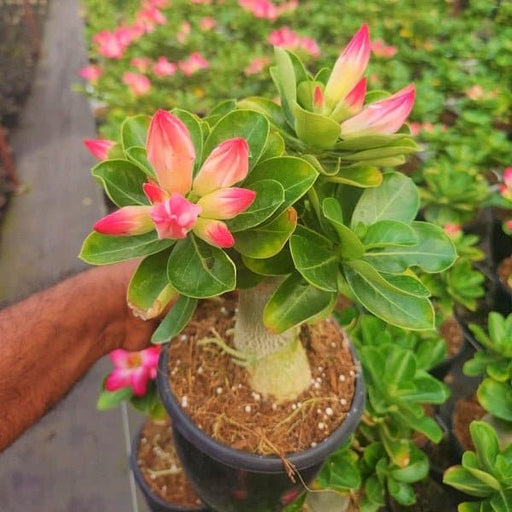
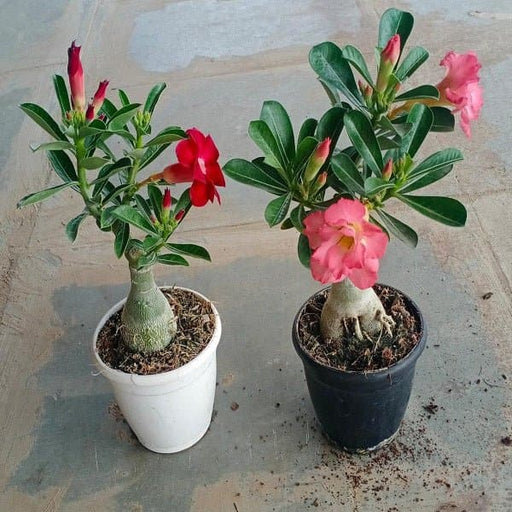
Set of 2 Bonsai Looking Grafted Adeniums Transform your indoor or outdoor space with our exquisite Set of 2 Bonsai Looking Grafted Adenium...
View full details
Save 45%
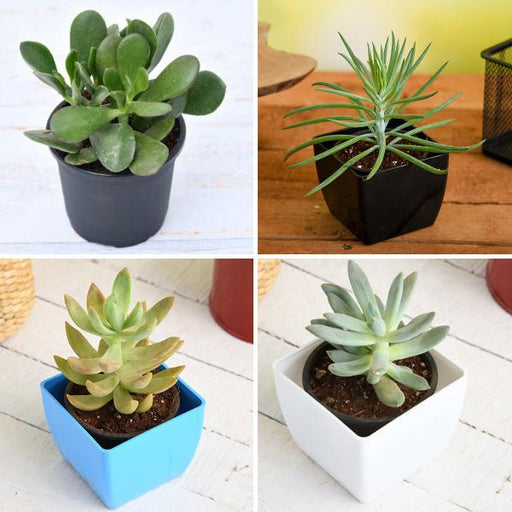
Top 4 Die Hard Succulents Pack Transform your indoor or outdoor space with our Top 4 Die Hard Succulents Pack, featuring a curated selecti...
View full details
Save 30%
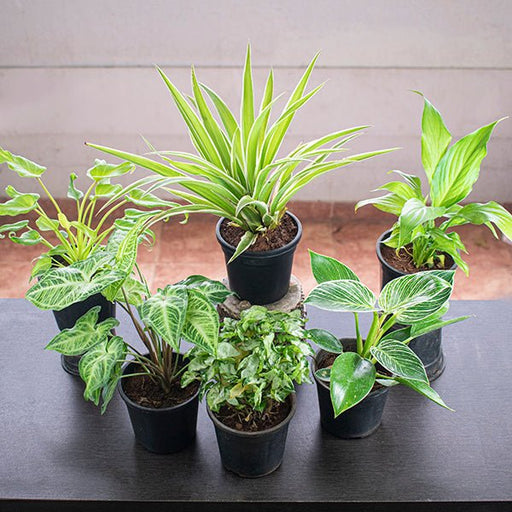
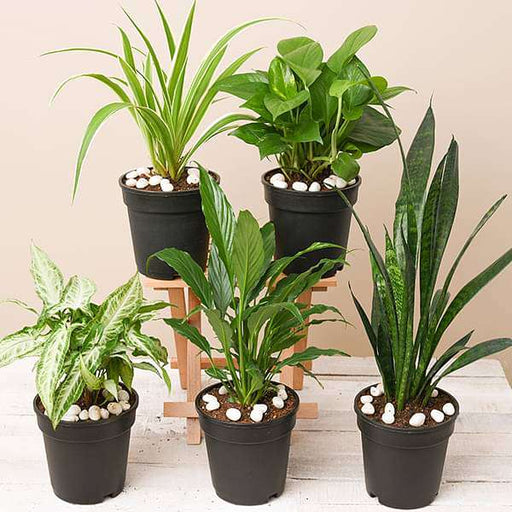
5 Best Indoor Plants Pack Transform your living space into a lush oasis with our '5 Best Indoor Plants Pack.' This carefully curated collection fe...
View full details
Save 25%
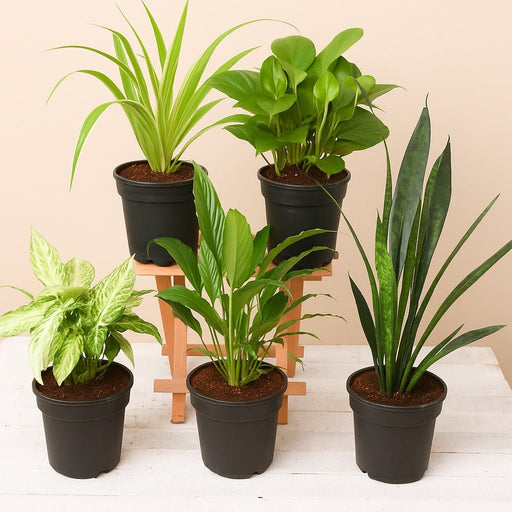
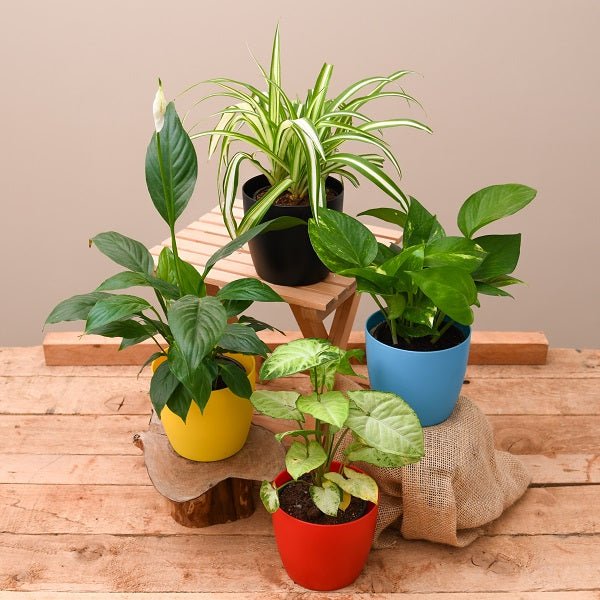
Set of 4 Evergreen Air Purifier Plant Pack Transform your indoor space into a lush, green oasis with our Set of 4 Evergreen Air Purifier Pla...
View full details| SrNo | Item Name |
|---|---|
| 1 | Ranunculus sceleratus |
Ranunculus sceleratus, commonly known as the Cursed Buttercup, is a perennial herbaceous plant belonging to the Ranunculaceae family. This aquatic or semi-aquatic species is characterized by its glossy, bright yellow flowers and deeply lobed leaves. Found in wetlands, marshes, and along the edges of ponds, it thrives in moist environments, making it a unique addition to aquatic gardens.
Despite its beauty, Ranunculus sceleratus is known for its toxic properties, which can be harmful to livestock and humans if ingested. This duality of being both attractive and potentially dangerous makes it a fascinating subject for botanists and gardeners alike.
Ranunculus sceleratus stands out due to its striking appearance and ecological significance. It plays a vital role in wetland ecosystems, providing habitat and food for various wildlife species. Its ability to thrive in challenging environments makes it a resilient plant, showcasing nature's adaptability.
Moreover, its toxicity has historical significance, as it has been used in traditional medicine and folklore, highlighting the complex relationship humans have with this plant.
This plant features unique adaptations that allow it to flourish in aquatic settings. Its floating leaves and buoyant stems enable it to survive in waterlogged conditions, while its vibrant flowers attract pollinators, contributing to biodiversity.
This cheeky little plant loves to hang out in wet, marshy areas, making it the ultimate water-loving party crasher. You’ll find it lounging around in ditches, ponds, and even the occasional muddy field, soaking up the sun and enjoying the company of its aquatic friends. It thrives in places where most plants would throw in the towel, proving that it’s not just a pretty face but also a resilient survivor.
Ah, the dark side of our beloved Ranunculus sceleratus! This plant comes with a warning label, as it contains toxic compounds that can make you feel less than fabulous if ingested. Think of it as nature’s way of saying, “Look, but don’t touch!” It’s a reminder that not all beauty is safe, and sometimes, the most alluring things can pack a punch.
While it may be toxic, this plant has found its way into traditional medicine cabinets, where it’s been used for various ailments. Some herbal enthusiasts swear by its potential benefits, but let’s be honest—approaching this plant with caution is the name of the game. It’s like that friend who’s fun at parties but might spill your secrets afterward.
Spotting this plant is like playing a game of botanical hide-and-seek. With its bright green, lobed leaves and yellow flowers, it’s a showstopper in the wild. Just remember, if you see it growing in a wetland, it’s probably not just there for the ambiance. It’s a master of disguise, blending in with its surroundings while still demanding attention.
This plant is the overachiever of the botanical world, growing rapidly in the right conditions. It’s like that friend who finishes a marathon in record time while you’re still tying your shoelaces. With its ability to spread quickly, it can take over a space faster than you can say “invasive species,” so keep an eye on it if you’re trying to maintain a tidy garden.
If you find yourself with a Ranunculus sceleratus invasion, fear not! There are ways to manage this enthusiastic grower. Think of it as a game of whack-a-mole—remove it from your garden before it takes over. Manual removal, herbicides, or even introducing competitive plants can help keep this overzealous plant in check.
This plant plays a role in its ecosystem, providing habitat and food for various critters. It’s like the local diner for insects and small animals, offering a buffet of tasty treats. However, its rapid growth can sometimes tip the balance, leading to a plant party that overshadows other species.
While it may not be the first choice for your garden, some adventurous landscapers have embraced its wild charm. Imagine a naturalistic pond area where Ranunculus sceleratus can thrive without causing chaos. Just be prepared for the occasional surprise guest, as this plant can spread like gossip in a small town.
This plant is a double-edged sword when it comes to water quality. On one hand, it can help filter pollutants, acting like nature’s little water purifier. On the other hand, its rapid growth can lead to oxygen depletion in water bodies, making it a bit of a drama queen in aquatic ecosystems.
Our friend Ranunculus sceleratus is a favorite among certain wildlife, providing food and shelter for various species. It’s like a five-star restaurant for insects and a cozy home for amphibians. Just remember, while it’s a hit with the locals, it can also be a bit of a diva, demanding attention and space.
As climate change continues to shake things up, Ranunculus sceleratus may find itself thriving in new areas. It’s like that one friend who adapts to every situation, no matter how chaotic. This adaptability can lead to shifts in local ecosystems, making it a plant to watch as the climate continues to change.
This plant has made its way into various folklore tales, often symbolizing beauty and danger. It’s the classic story of the enchanting yet toxic flower, captivating hearts while reminding us to tread carefully. Just like a good fairy tale, it teaches us that not everything that glitters is gold, and sometimes, the most alluring things come with a twist.

Ranunculus sceleratus, also known as the cursed buttercup, is a perennial plant that thrives in wet habitats. With its glossy leaves and bright yellow flowers, it’s like nature’s little spotlight stealer. But beware, this beauty is toxic, so don’t let its charm fool you into a floral romance!
You’ll find Ranunculus sceleratus hanging out in marshes, ditches, and along riverbanks, living its best life in wet, muddy conditions. It’s the ultimate water-loving diva, thriving in places where most plants would drown. So, if you’re looking for a plant that enjoys a splash, this is your go-to!
Absolutely! Ranunculus sceleratus is like that friend who looks great but has a dark side. All parts of the plant contain toxic compounds that can cause skin irritation and gastrointestinal distress if ingested. So, while it may look inviting, keep your distance unless you want a not-so-fun adventure!
Identifying Ranunculus sceleratus is a piece of cake—if that cake were a bright yellow flower! Look for its glossy, lobed leaves and those cheerful yellow blooms that pop up in clusters. Just remember, if it’s in a wet area and looks too good to be true, it probably is!
Yes, it can be a bit of a party crasher! Ranunculus sceleratus has a tendency to spread rapidly in suitable habitats, outcompeting native plants. It’s like that overzealous guest who takes over the dance floor—fun at first, but soon you’re left with a crowded mess!
While it may be tempting to invite Ranunculus sceleratus to your garden party, think twice! Its toxic nature and invasive tendencies make it a less-than-ideal guest. Stick to safer, more well-behaved plants that won’t turn your garden into a botanical battleground!
Ranunculus sceleratus doesn’t discriminate; it can affect a variety of animals. Livestock, pets, and even wildlife can suffer from its toxic effects. So, if you’re a farmer or a pet owner, keep an eye out for this sneaky plant—it’s not the kind of friend you want around!
Ranunculus sceleratus is a master of reproduction, using both seeds and vegetative means to spread its influence. It’s like the overachiever in the plant world, ensuring its legacy continues. So, if you see one, know that it’s not just a pretty face—it’s on a mission!
While some plants have medicinal uses, Ranunculus sceleratus is not one of them. Its toxic properties overshadow any potential benefits, making it more of a cautionary tale than a herbal remedy. So, if you’re looking for a cure, steer clear of this little troublemaker!
Eating Ranunculus sceleratus is a big no-no! Its toxic compounds can lead to some serious health issues, including nausea and skin irritation. So, unless you’re trying to audition for a horror movie, keep this plant off your plate and stick to safer greens!
Ranunculus sceleratus can disrupt local ecosystems by outcompeting native flora and altering habitats. It’s like that one friend who takes over the conversation, leaving others feeling overshadowed. While it may thrive in wet areas, its presence can lead to a decline in biodiversity.