Expert Support
Available 24/7
Available 24/7
 Save 10%
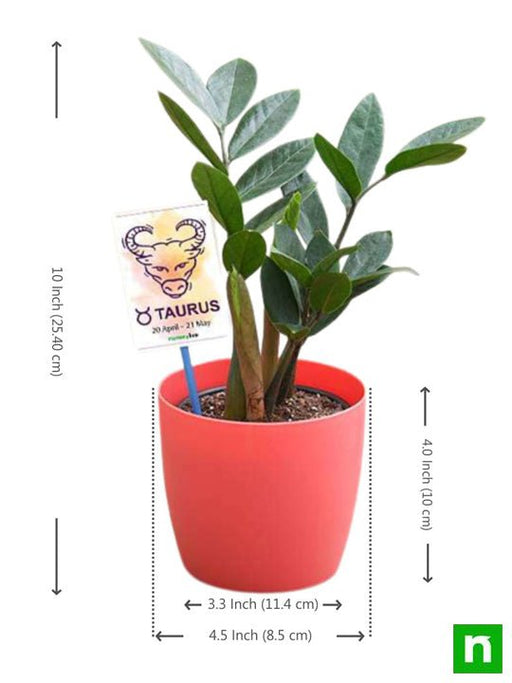
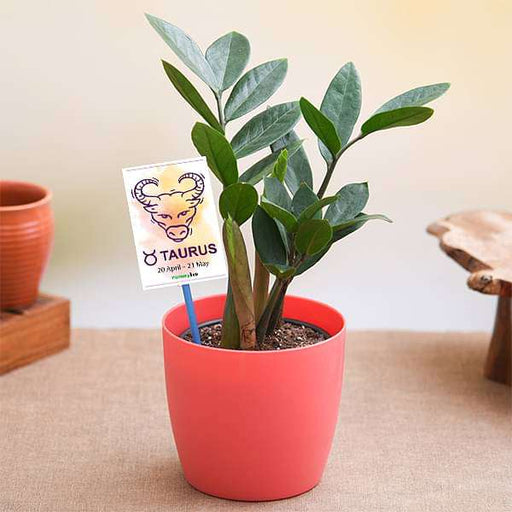
DescriptionGive this gift with Peperomia to your loved ones who have Taurus or Vrishabha Rashi and make their life more happy and prosperous. Best...
View full details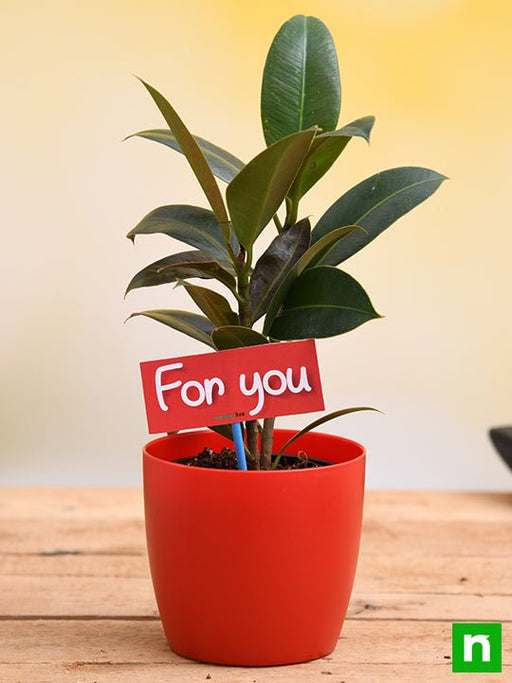
 Save 10%
DescriptionAir Purifying Rubber Plant is planted in colorful pot and flag. This is an excellent choice for gifting to your loved ones.About It is b...
View full details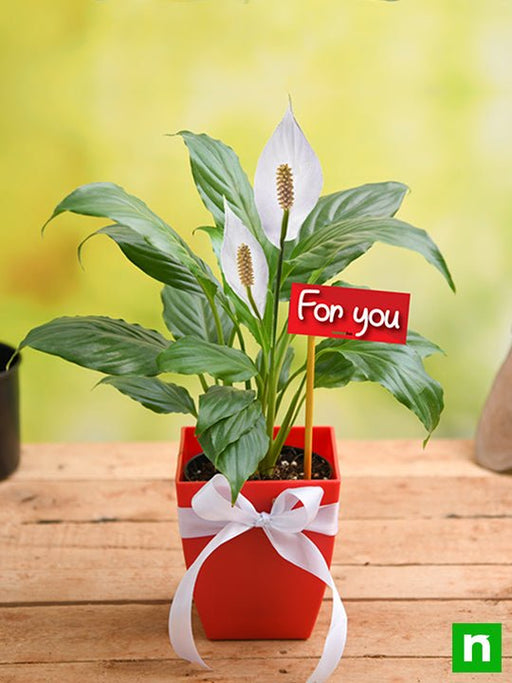
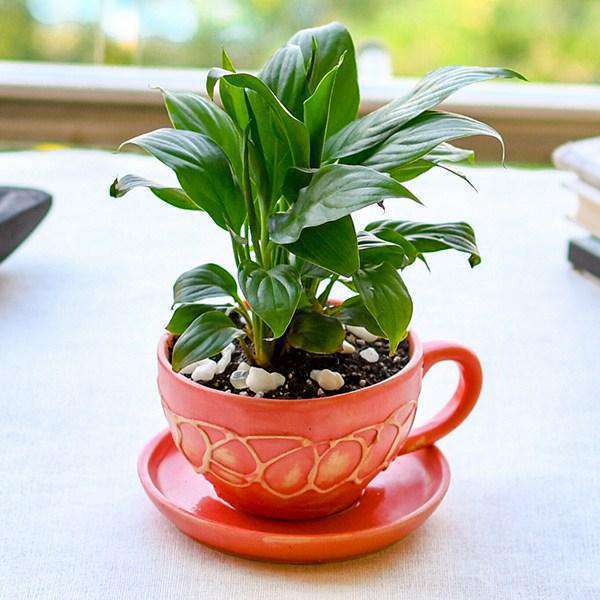
DescriptionShow your love with Peace lily plant along with colorful pot, ribbon and for you flag. One of the rarest indoor flowering plant. Best ai...
View full details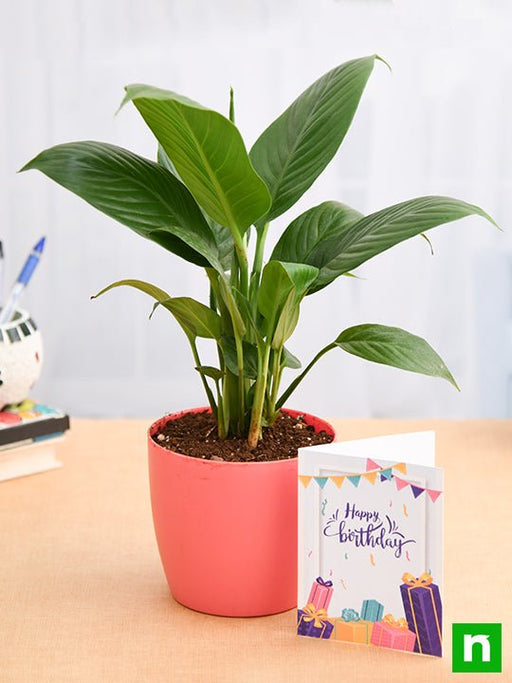
 Save 15%
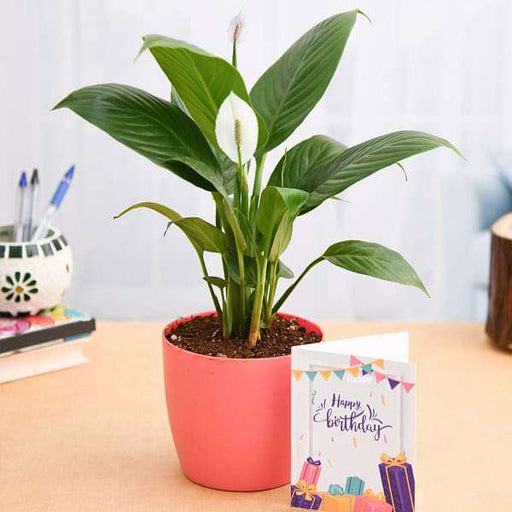
DescriptionBirthday wishes pack contain Peace lily plant and birthday card. This pack is specially designed for the birthday wishes. One of the ra...
View full details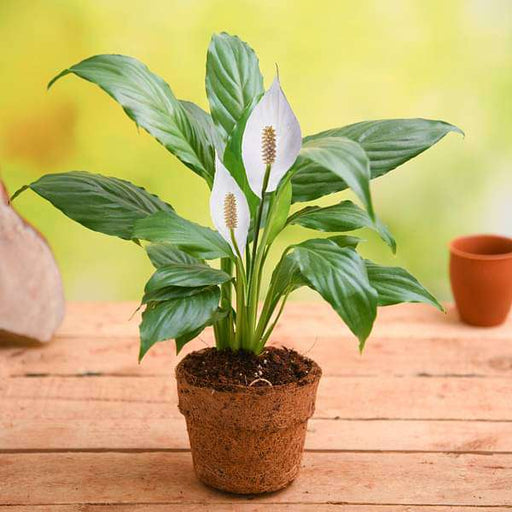 Save 10%
DescriptionThis eco-friendly gift pack contains 1 Peace Lily, Spathiphyllum plant along with coco pot. One of the rarest indoor flowering plant. B...
View full details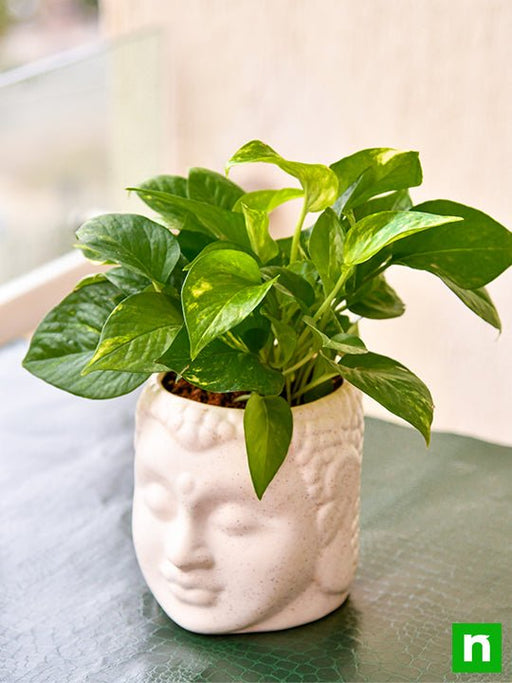
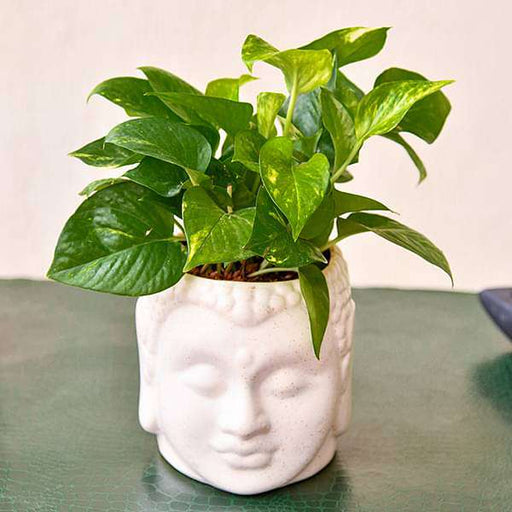 Save 24%
DescriptionGive love to your best people by gifting them a money plant in a ceramic pot. Top 5 things to Know:NASA recommended air purifier plant. ...
View full details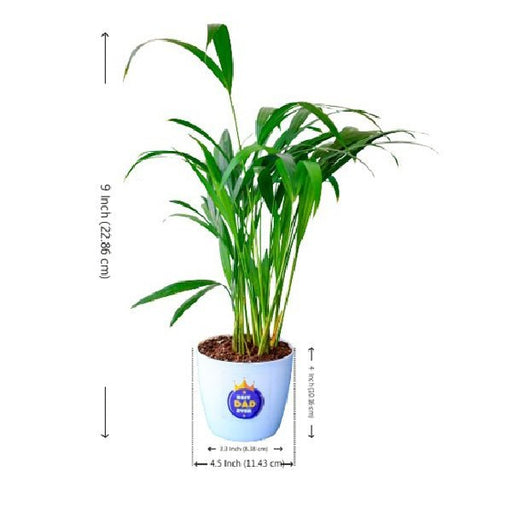
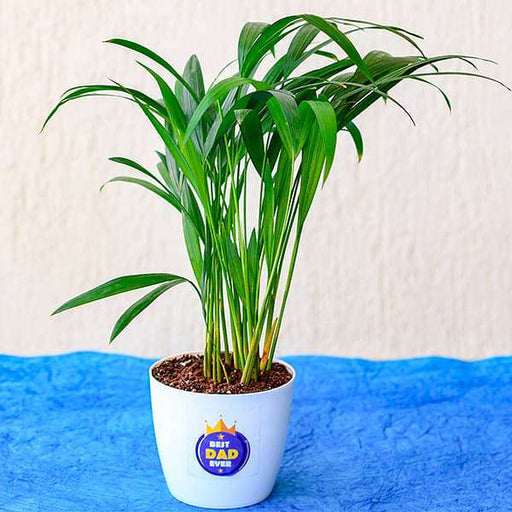
DescriptionYour Dad is the best, so he deserves the best. Let your Dad know how much he means to you by gifting him Areca palm in the beautiful pla...
View full details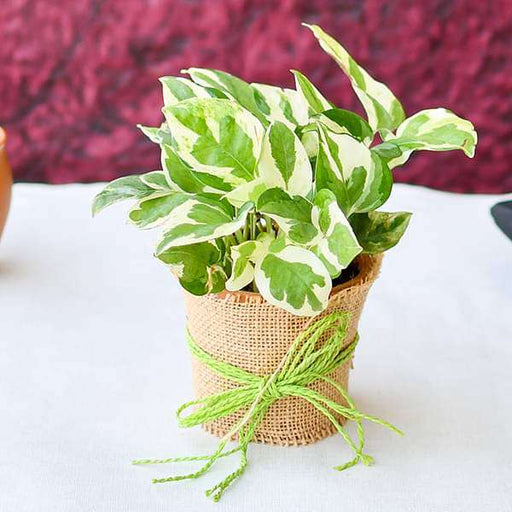
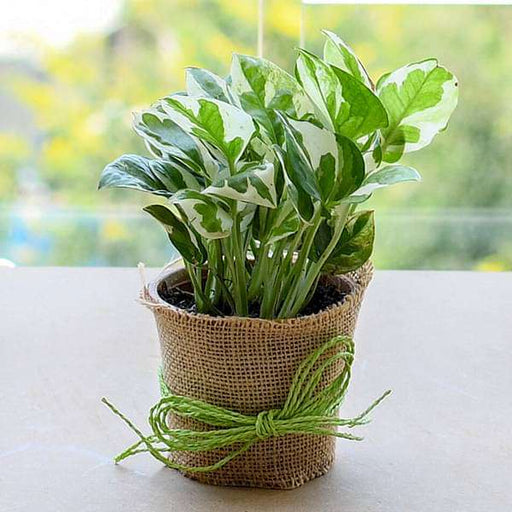
DescriptionThe quality of gift depends on the sincerity of the giver. Gift Air purifying money plant along with a jute wrap and a decorative knot. ...
View full details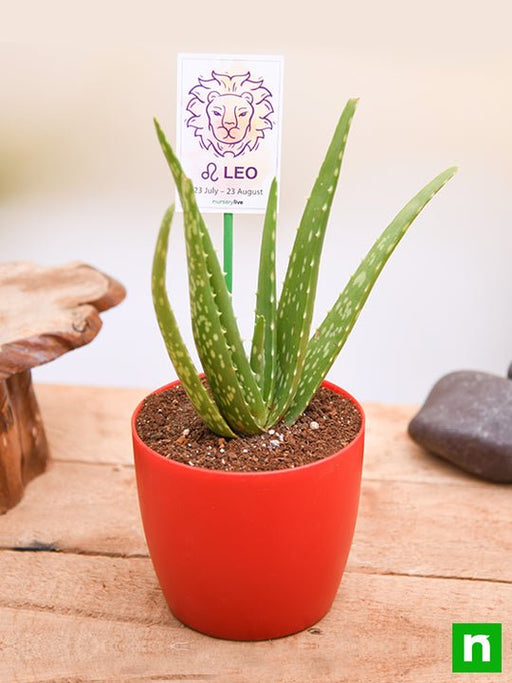
 Save 10%
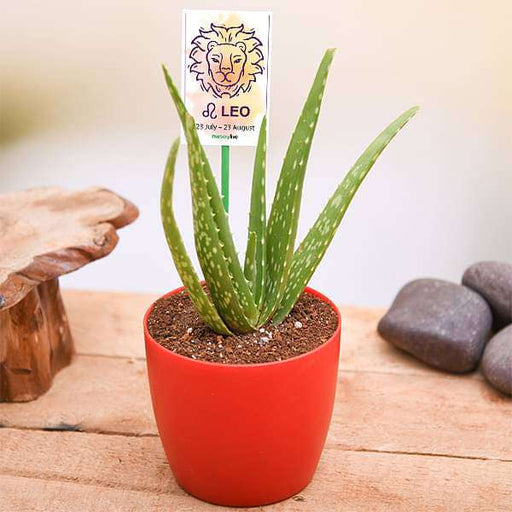
DescriptionGive this gift with Aloe vera to your loved ones who have Leo or Singh Rashi and make their life more happy and prosperous. Low maintena...
View full details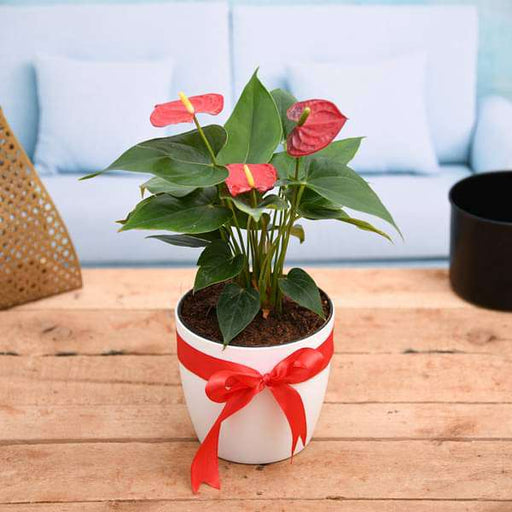 Save 10%
Description This single pack contains beautiful Anthurium potted in a white color pot along with ribbon to give happiness to your loved ones. One ...
View full details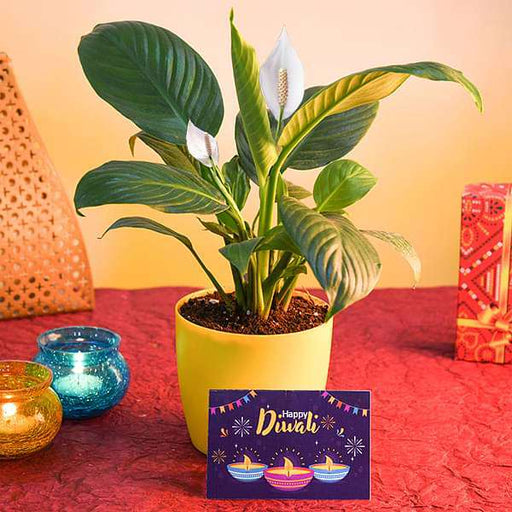 Save 10%
DescriptionWish Happy Diwali to your loved ones with Peace lily in yellow color pot along with greeting card. One of the rarest indoor flowering pl...
View full details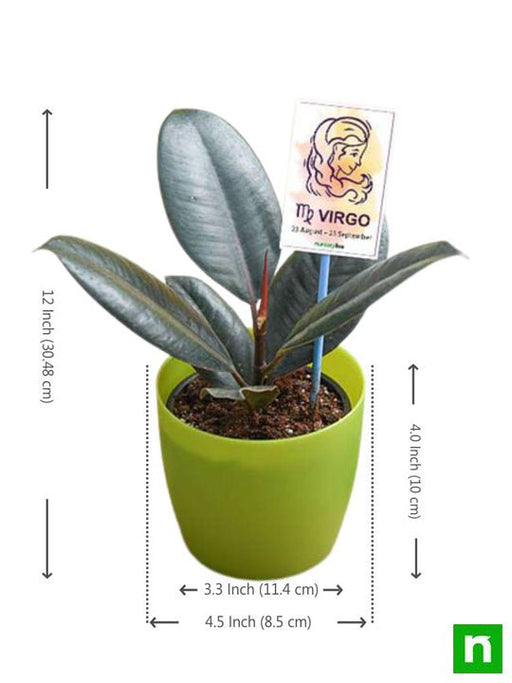
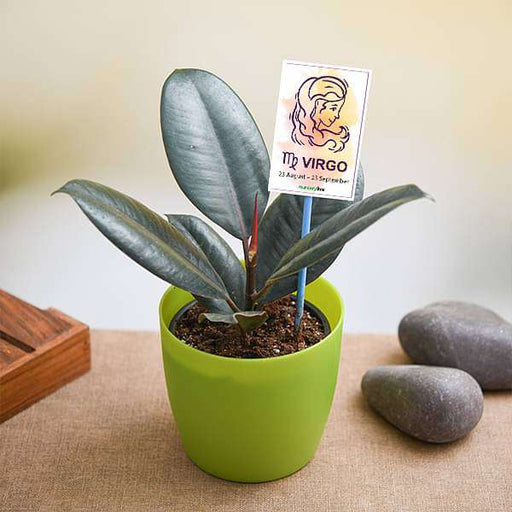
DescriptionGive this gift with Rubber plant to your loved ones who have Virgo or Kanya Rashi and make their life more happy and prosperous. Low mai...
View full details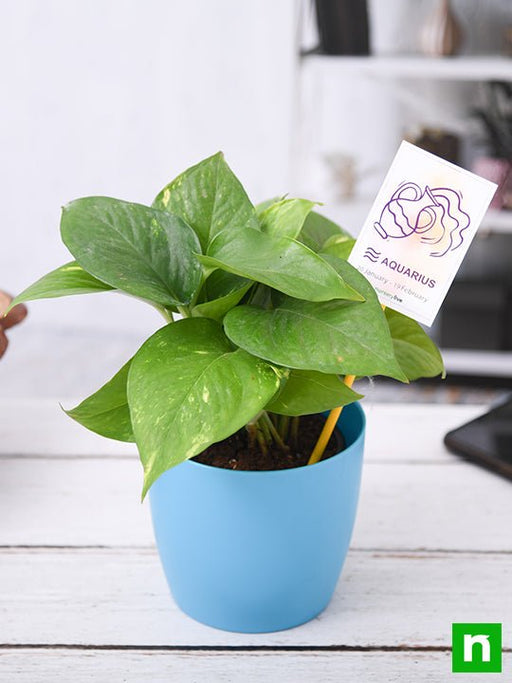
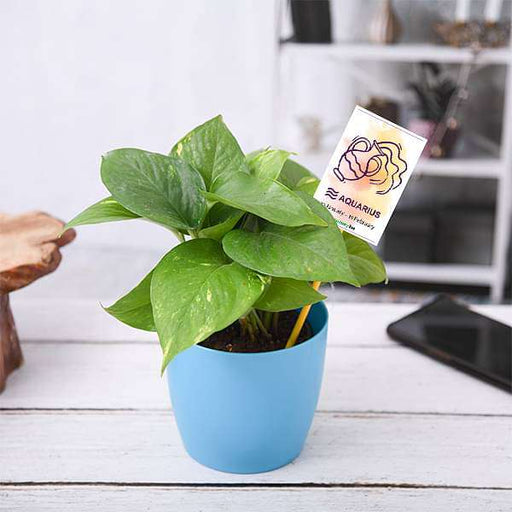 Save 10%
DescriptionGive this gift with Money plant to your loved ones who have Aquarius or Kumbh Rashi and make their life more happy and prosperous. Best ...
View full details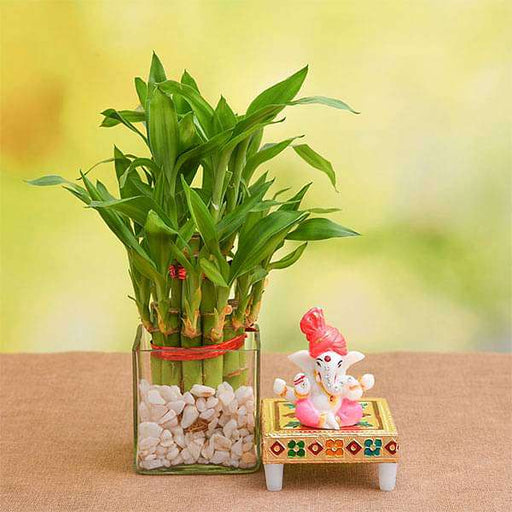 Save 13%
DescriptionGift your dear ones Lucky Bamboo plant in glass vase with Lord Ganesha idol, chowki and pebbles. Bring good fortune and positive vibes. ...
View full details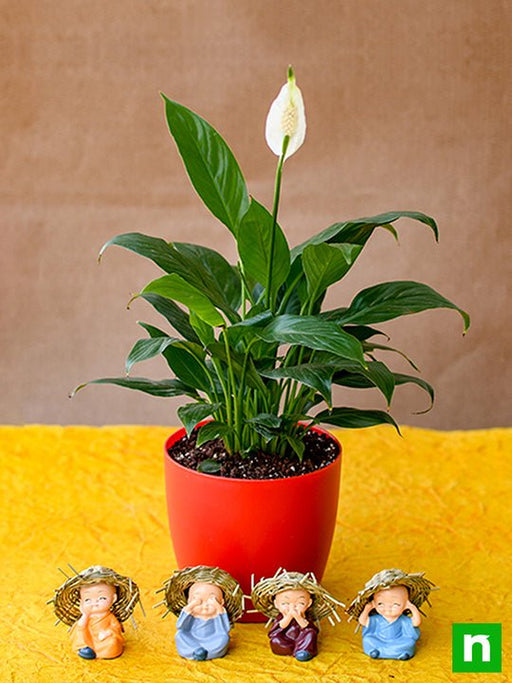
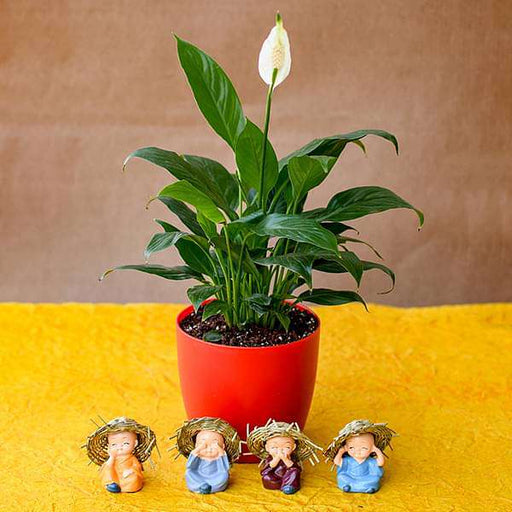 Save 10%
DescriptionGive Happiness to your family and friends by gifting an elegant Peace lily in a red color pot along with cute monks. One of the rarest i...
View full details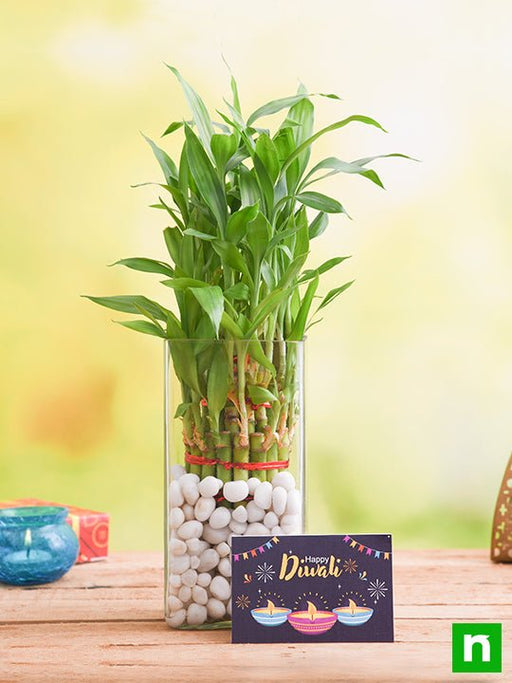
 Save 10%
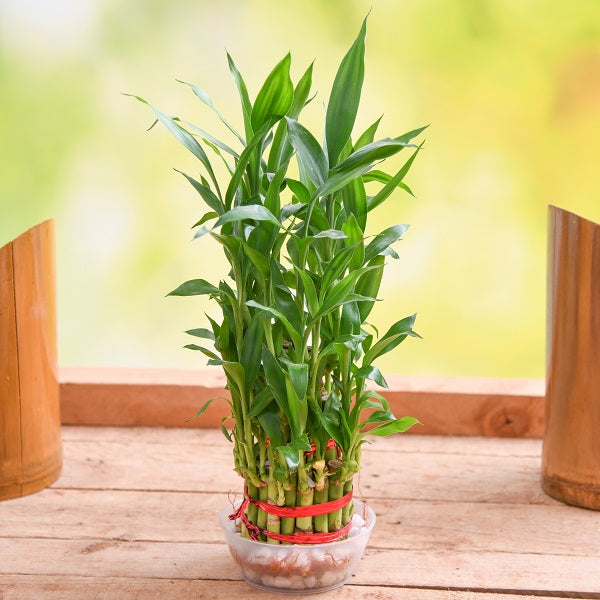
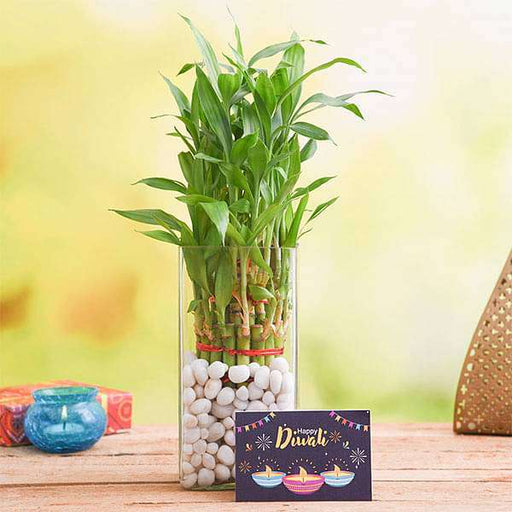
DescriptionWish good luck to your loved ones with 3 layer Lucky bamboo in glass vase and greeting card. Bring good fortune and positive vibes. Bes...
View full details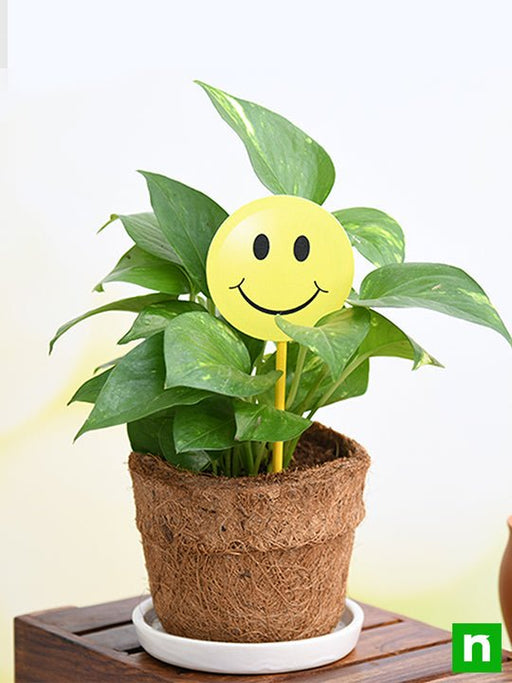
 Save 10%
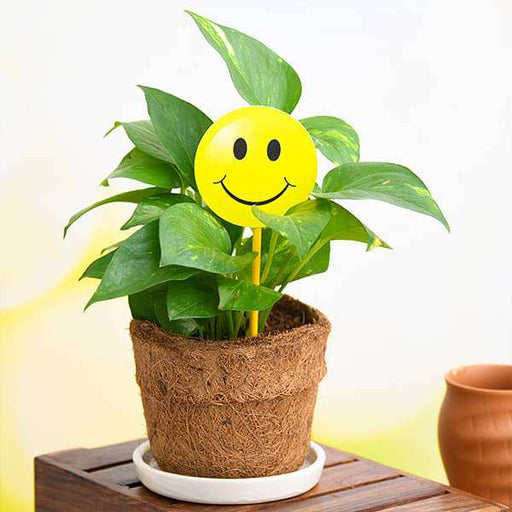
DescriptionMoney plant is one of the popular houseplants. This gift contains money plant which potted into an eco-friendly coco pot with a smiley f...
View full details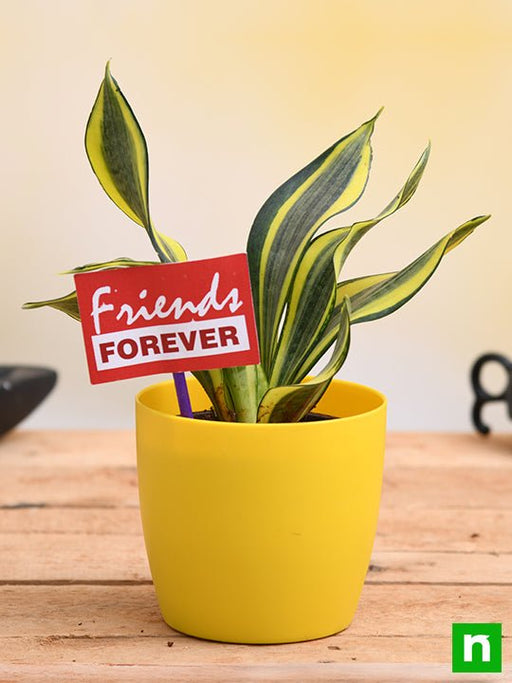
 Save 10%
DescriptionCelebrate Friendship with Sansevieria plant along with colorful pot and a flag. Best air purifier plant. Best plant for AC rooms. Zero m...
View full details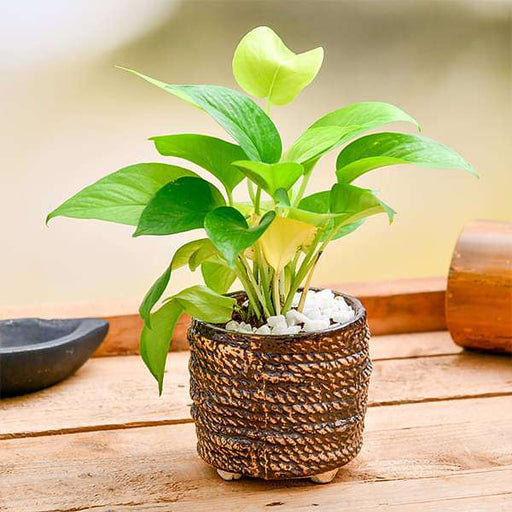 Save 10%
DescriptionIt is in giving that we receive, so give a valuable gift to your loved ones by gifting a money plant in a ceramic pot along with white p...
View full details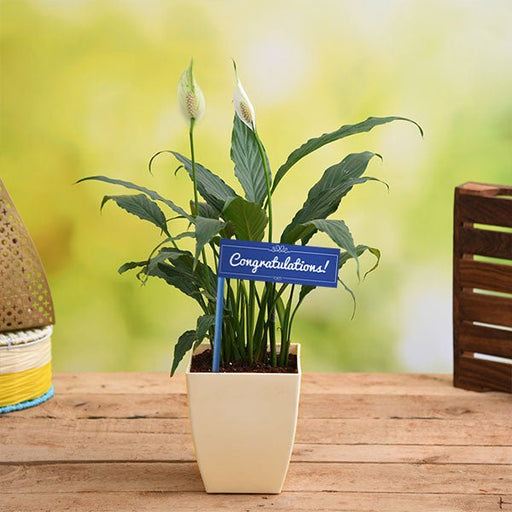
DescriptionIt is a good idea to congratulate with peace lily and flag. The white color flower of the peace lily makes you happy.About This pack is ...
View full details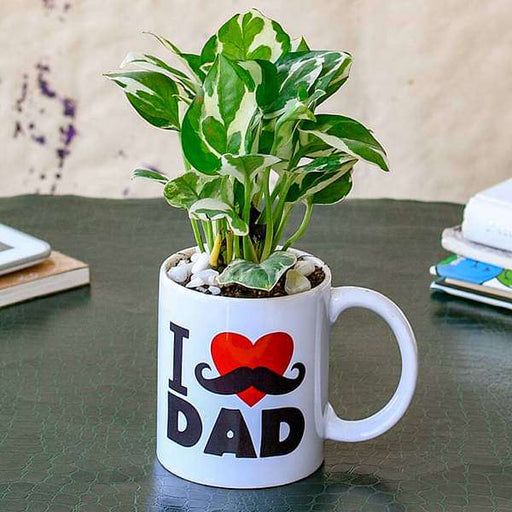 Save 10%
DescriptionGive happiness to the greatest role model of your life by gifting a Money plant along with an I Love You Dad printed mug and decorative ...
View full details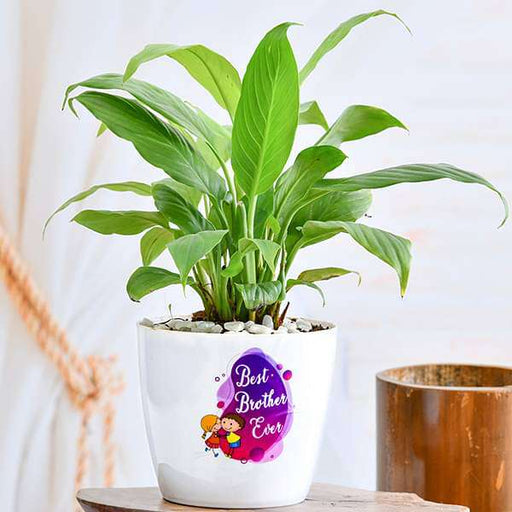 Save 10%
DescriptionWish your brother lots of prosperity, love and happiness on the auspicious occasion of Raksha Bandhan by gifting him Peace lily along wi...
View full details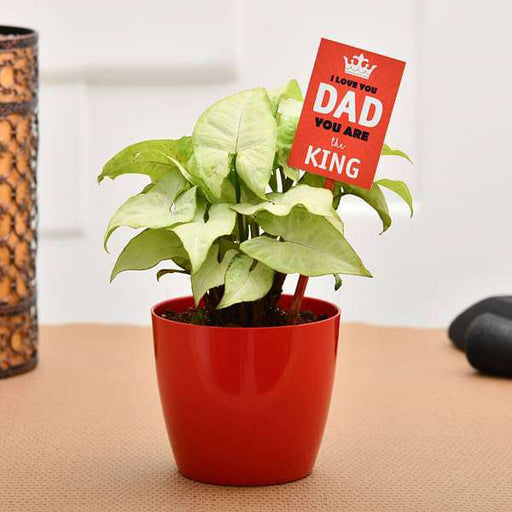
DescriptionA Dad is one who has faith in you when you fail, thank him for all his faith in you by gifting a Syngonium plant potted in a plastic pot...
View full details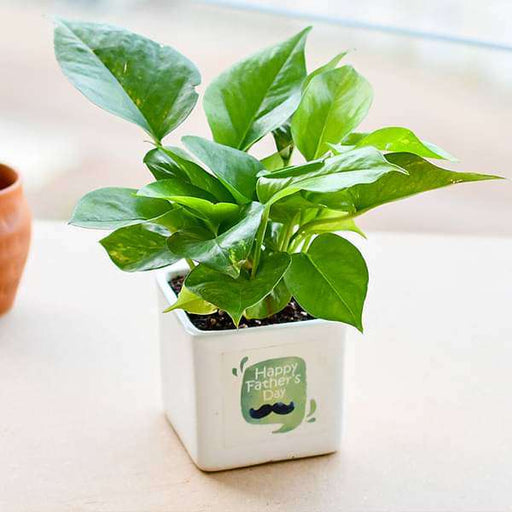 Save 10%
DescriptionA father is a person who deserves only the best. Show your love and appreciation on this father s day gift him an adorable Money plant i...
View full details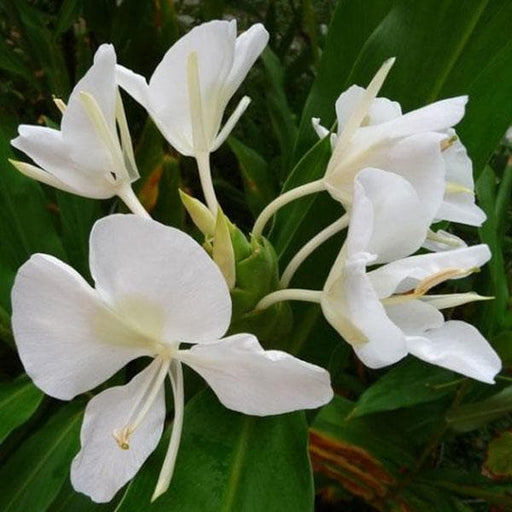 Save 13%
DescriptionThe white and scented species is Hedychium coronarium. It belongs to Zingiberaceae (Ginger) family. The plant blooms very profusely from...
View full details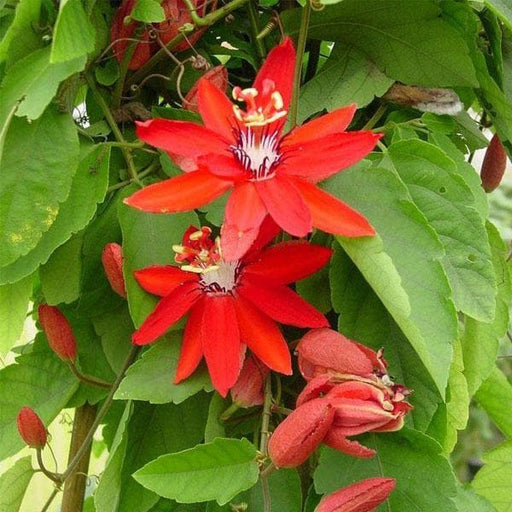 Save 14%
DescriptionPassion flowers are in the top ten of one of the most spectacular vines that could grace a garden. Passiflora vitifolia is a vine with c...
View full details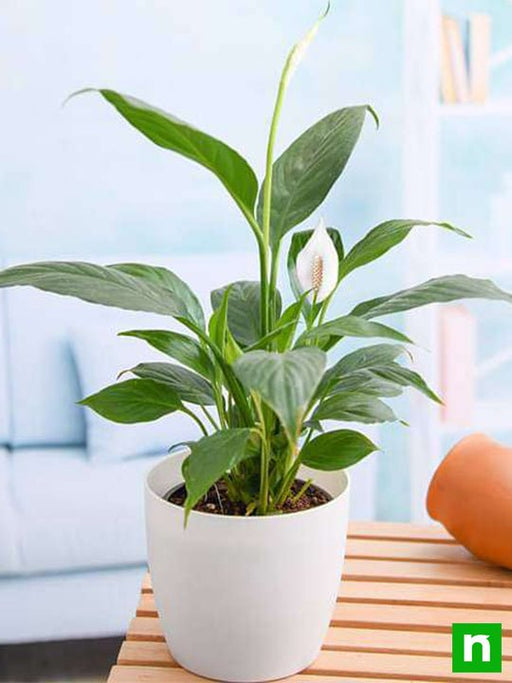
 Save up to 15%
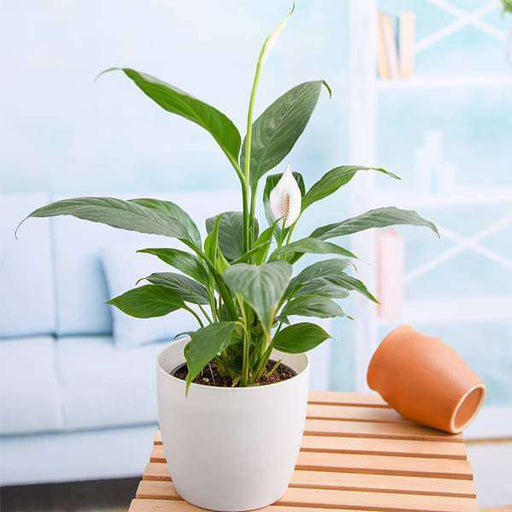
DescriptionPeace Lily Plant is a very popular and very rare indoor flowering houseplant. It is also an excellent air purifier plant.What makes it s...
View full details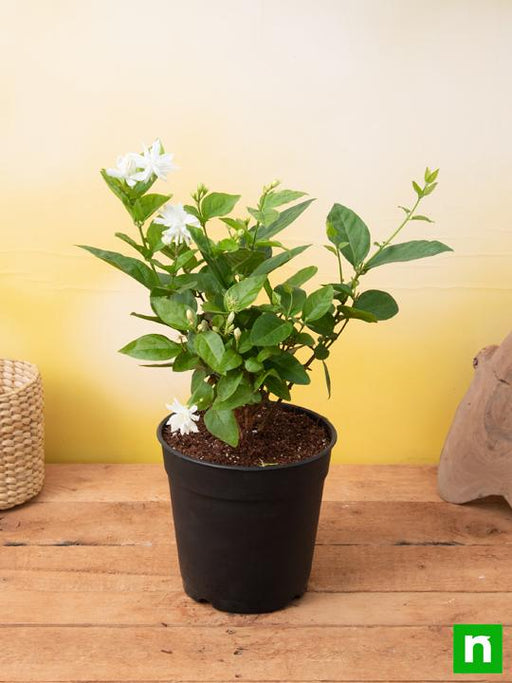
 Save 20%
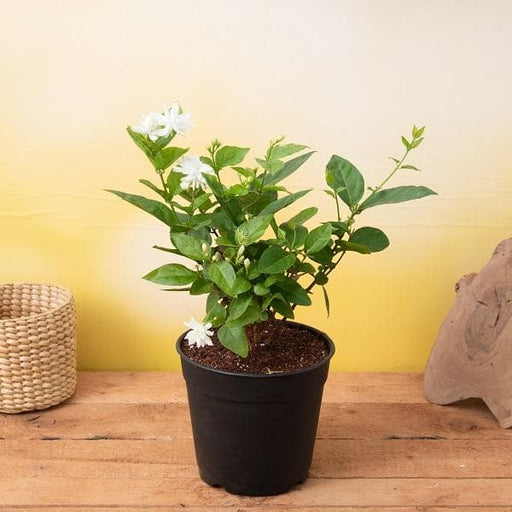
DescriptionFlowers make intimate connections they increase our connectivity with family and friends. Mogra plant is famously known as Jasmine flowe...
View full details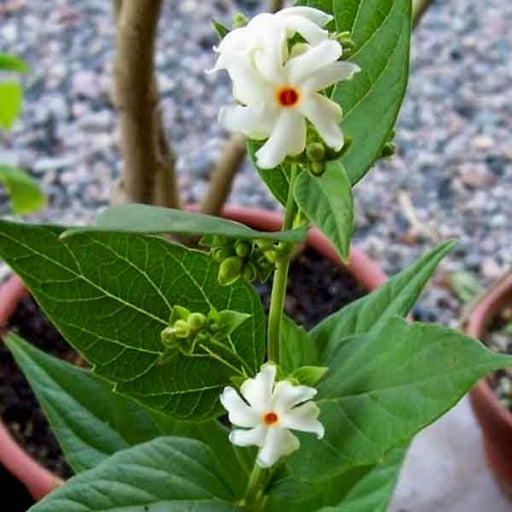
 Save 14%
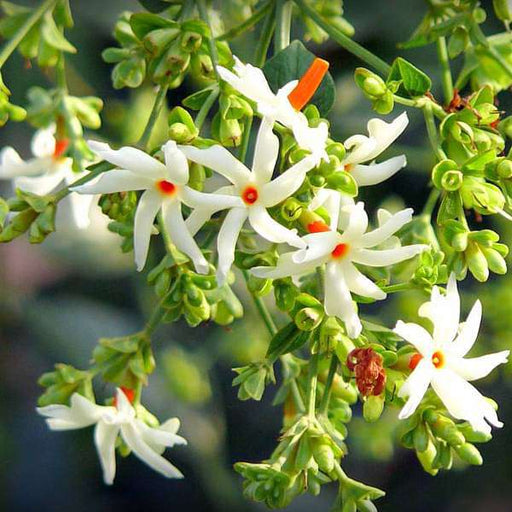
DescriptionHave you ever stumbled upon a tree that made you stop and stare?A tree that seemed to possess a beauty so rare that it made you question...
View full details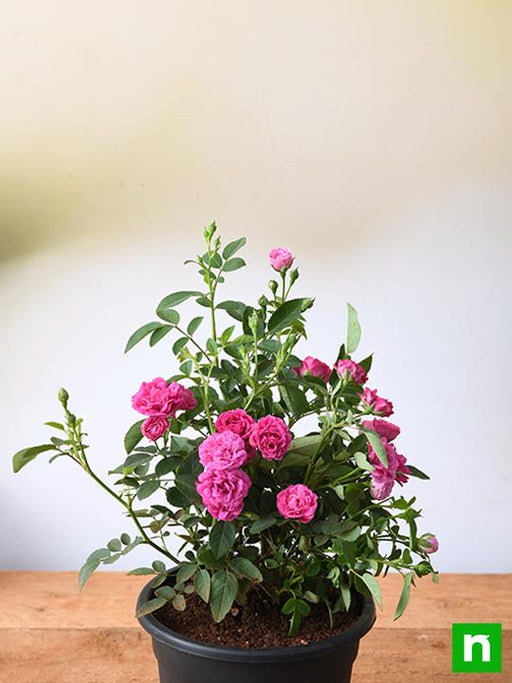
 Save 14%
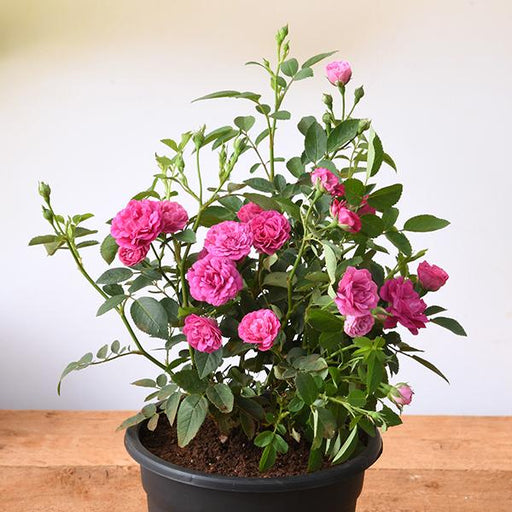
DescriptionButton Rose is a perennial flowering shrub plant. Roses are best ornamental plants.What makes it special: One of the best flowering plan...
View full details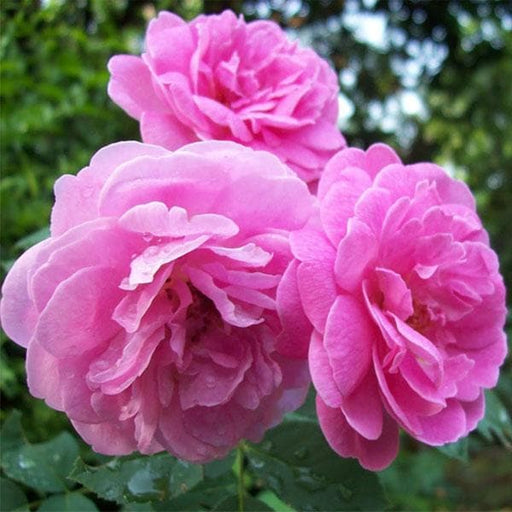 Save 20%
DescriptionDamascus roses are known for its distinct fragrance. Enjoy the real and oldest scent of rose. The Damascus rose is a deciduous shrub gr...
View full details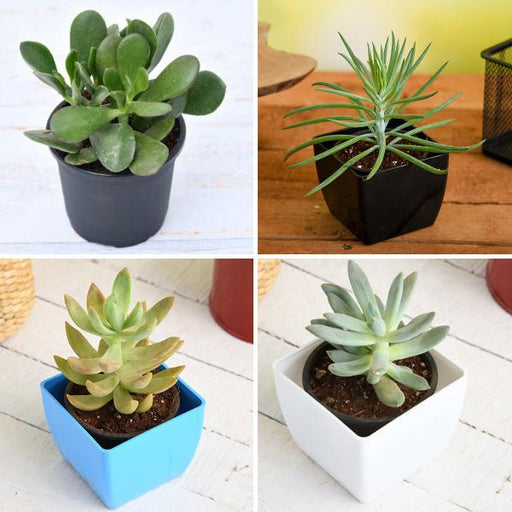 Save 45%
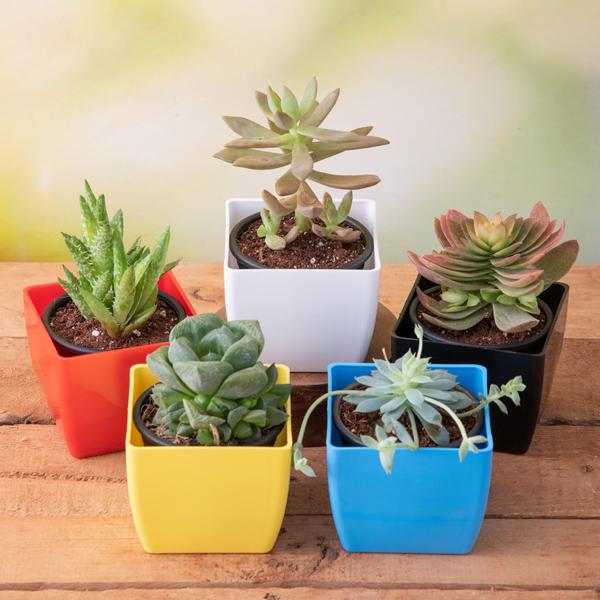
Description Pack of 4 succulents that are very easy to care for. A perfect pack to start growing plants worry-free. About You get 4 succulent plant...
View full details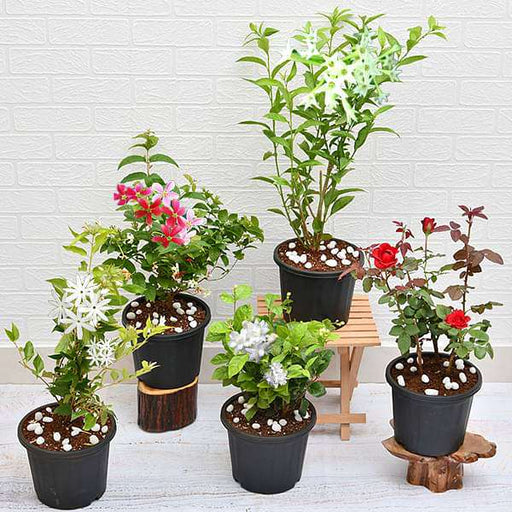 Save 12%
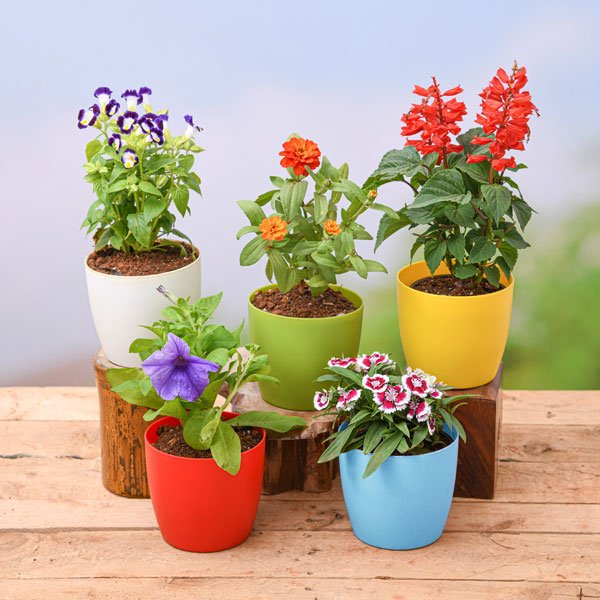
DescriptionAromatic plants bring into a room or house an often overlooked benefit. These plants have a pleasant scent.About You plant a hope when ...
View full details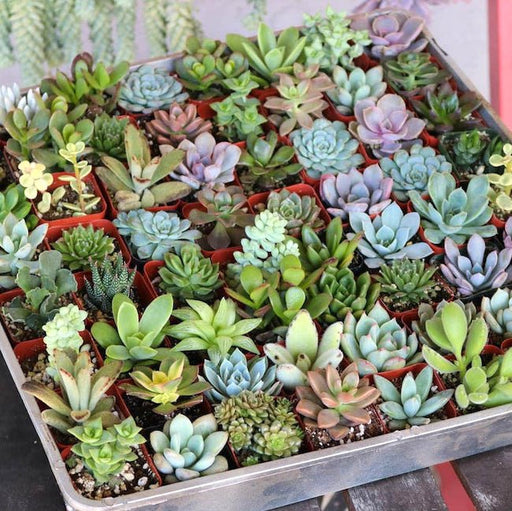
 Save up to 50%
DescriptionIf you long for indoor greenery but have not succeeded with houseplants, consider these beautiful succulents. A perfect pack to start gr...
View full details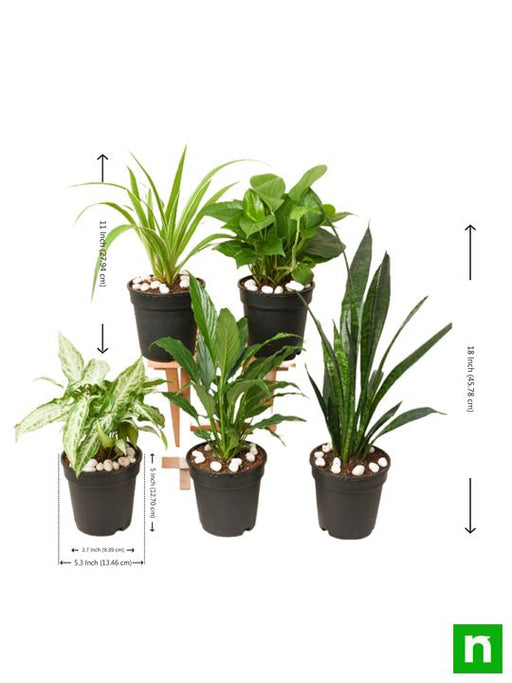
 Save 21%
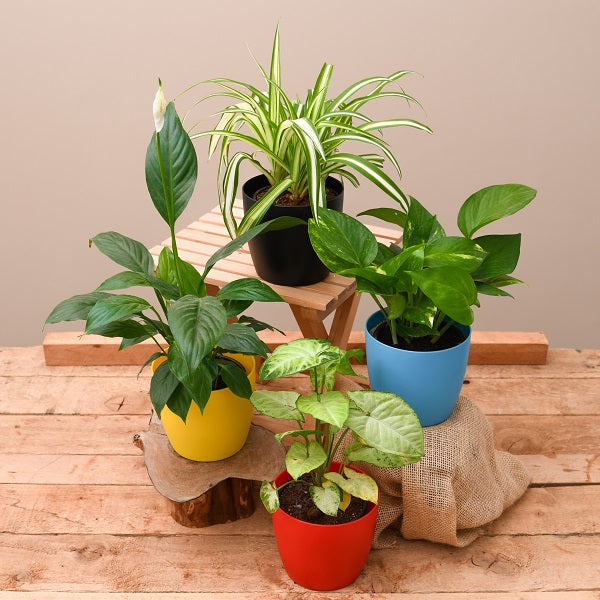
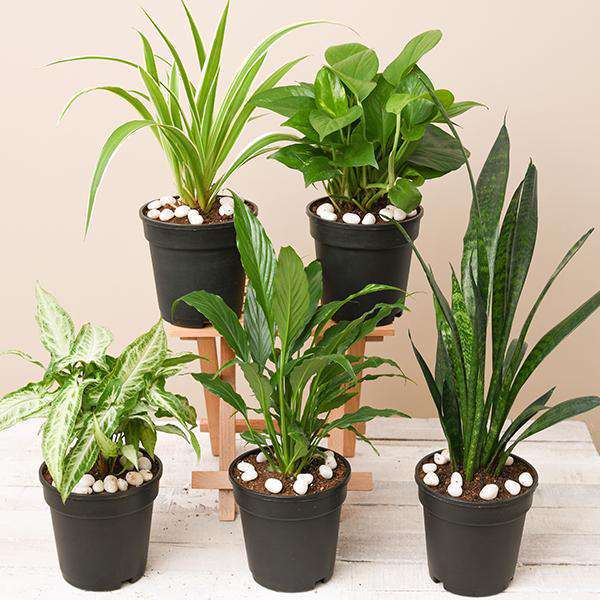
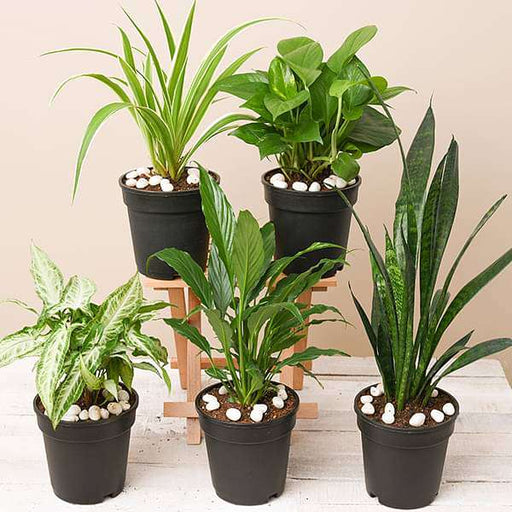
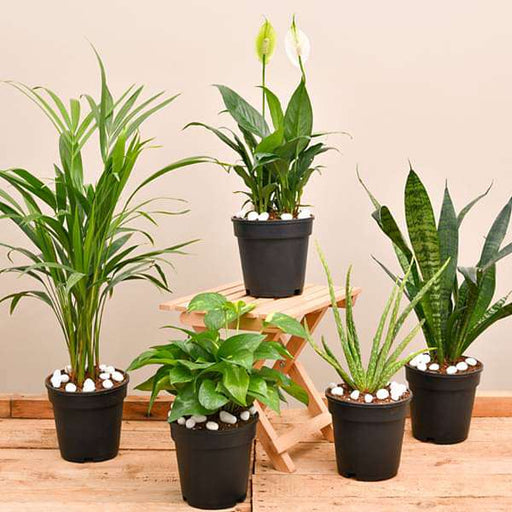
DescriptionThis plants pack contains amazing 5 houseplants + 5 Pots. Surround your home with these best pollution killer plants for a clean and hea...
View full details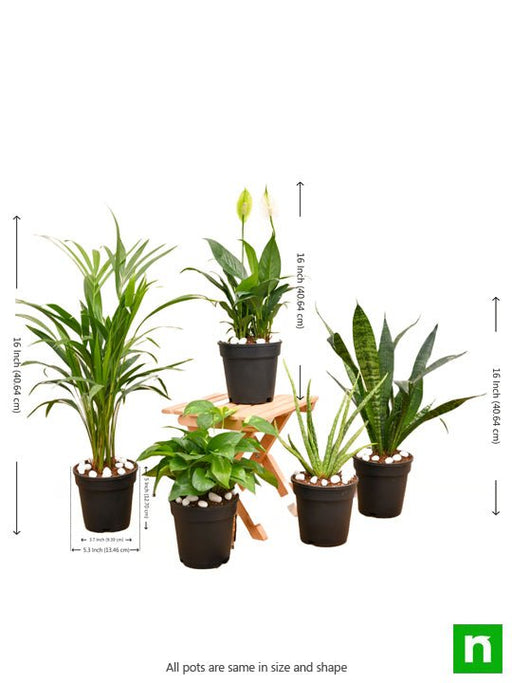
 Save 20%
DescriptionIf you or anyone from your family wants to breathe fresh air, cleaner air in their homes, this 5 plants pack purify the air around and r...
View full details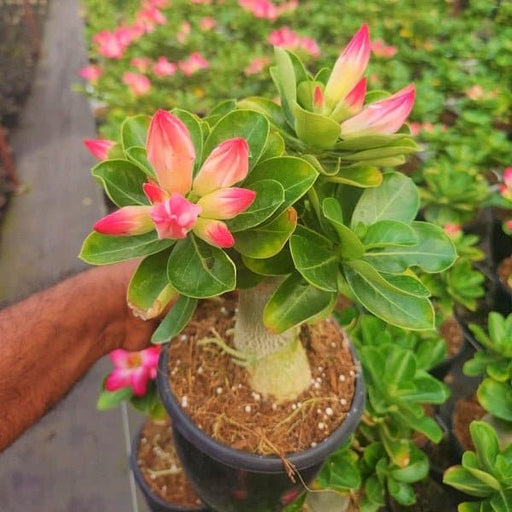
 Save 40%
DescriptionSet of 2 Bonsai Looking Grafted Adenium PlantsAbout You get 2 Bonsai looking hardy grafted Adenium plants in a single pack.Plants are k...
View full details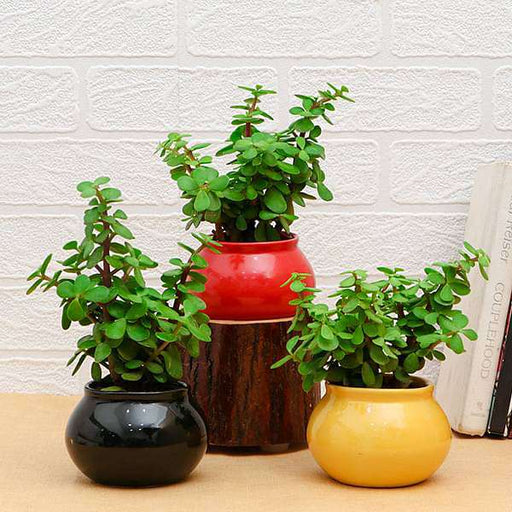 Save 22%
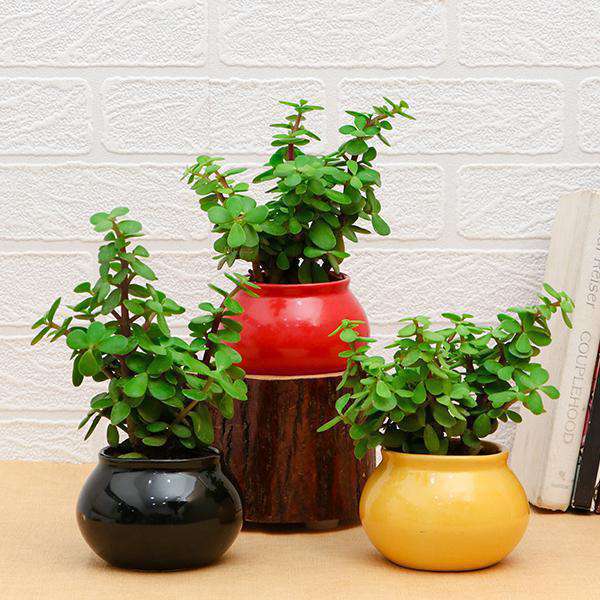
DescriptionThe Jade plant is an extremely popular succulent houseplant with fleshy leaves. According to popular belief, these plants will bring goo...
View full detailsGifting is a very precious and crucial way of expressing your love and gratitude towards your friends and family. Having the ability to make your loved ones feel special is something, isn’t it? Air purifying plant gifts is one such great idea when it comes to giving gifts to someone.
These plants will not only create a safer environment for your friends and family to live in but will also highlight the appearance of the house. Some air purifier plant gifts that you can check out are- Lucky Bamboo, Areca Palm, Kanya Rashi, Haworthia, Syngonium, and Peace Lily.
We are highly exposed to dangerous pollutants and toxins, even when we are indoors. Air purifying plant gifts are an excellent way of bolstering the well-being and health of your family.
These plants are extremely safe to use and will thus effectively create a healthier and cleaner surrounding for you. Gifting air purifying plant gifts to your loved ones can not only add value to your relationship but will also help you contribute towards a safer and healthier environment.
At Nursery Live, you will stumble across an array of vibrant air purifying plants. These plants come with a wide variety of uses and features as follows:
Why is NurseryLive the best fit for you?
Nursery Live is a top-notch online shopping website that offers a few of the most superior-quality air purifying plants. NurseryLive never fails to surprise its customers with some of the most phenomenal products. Here is why NurseryLive is the best fit for you-
You can now scroll through Nursery Love’s air purifying plant gift collection to buy elegant and charming plants for your loved ones.
Give the gift of cleaner air with air purifier plant gifts. These natural wonders not only beautify spaces but also help remove toxins and improve indoor air quality.
Explore the best air purifier plants for gifting, such as spider plants, snake plants, and peace lilies. These green champions work hard to cleanse the air and make your recipient's home a healthier place.
Discover low-maintenance air purifier plants that even the busiest recipient can enjoy. Hardy and easy to care for, these gifts require minimal effort for maximum benefits.
Choose allergy-friendly air purifier plant gifts that won't trigger sniffles or sneezes. These hypoallergenic options are perfect for sensitive recipients who need clean air without the worry.
Keep furry friends safe with air purifier plant gifts that are non-toxic to pets. Your recipient will appreciate the thoughtful consideration for their beloved animal companions.
Ensure your air purifier plant gift thrives with proper care instructions. Including helpful tips and advice, your recipient will know exactly how to keep their new green friend healthy.
Enhance your air purifier plant gift with a stylish planter or pot. A well-chosen container will complement the plant and elevate the aesthetic appeal of any space.
Create a curated collection of air purifier plants for gifting. These thoughtfully chosen gift sets provide a variety of air-cleaning benefits and make an impressive, impactful present.
Improve workplace air quality and productivity with air purifier plant gifts for the office. These green gems are perfect for brightening up workspaces and promoting a healthier environment.
Welcome friends or family to their new abode with air purifier plant gifts. These thoughtful presents help create a healthier, more inviting living space for your loved ones.
Keep the clean air coming with a subscription-based air purifier plant gift service. Your recipient will receive new air-cleaning plants at regular intervals, growing their indoor oasis.
Encourage hands-on gifting with DIY air purifier plant kits. These engaging gifts allow recipients to learn about and grow their own air-cleaning plants from scratch.
Explore reputable delivery services that specialize in air purifier plant gifts. With careful handling and timely shipping, your gift will arrive in perfect condition, ready to purify the air.
Create a healthier nursery with air purifier plant gifts that are safe for little ones. These baby-friendly options promote a cleaner, fresher environment for your recipient's growing family.
Impress your recipient with fascinating facts about air purifier plants. Sharing the science behind these natural wonders will make your gift even more meaningful.
Pair your air purifier plant gift with a gift card to a local nursery or online plant shop. This thoughtful addition allows your recipient to further expand their collection.
Enhance your air purifier plant gift with essential care accessories like watering cans, misters, and pruning shears. These practical extras show you care about the well-being of their new green companion.
Gift an educational experience with a workshop or class on air purifier plants. Your recipient will gain valuable knowledge and hands-on experience in caring for their air-cleaning plants.
An air purifier plant gift is a plant that is known for its ability to purify the air by removing harmful pollutants from the environment. These plants absorb toxins such as formaldehyde, benzene, and trichloroethylene from the air, improving the air quality and making it healthier to breathe. These plants work by absorbing these toxins through their leaves and roots, breaking them down into harmless compounds that are then absorbed into the soil.
Air purifier plants are an excellent gift option as they offer numerous benefits. They help to improve indoor air quality, reduce stress and anxiety, boost productivity and concentration, and promote a sense of well-being. They also add a touch of greenery and freshness to any room, making them a perfect gift for any occasion.
There are several air purifier plants that are great for gifting. Some of the most popular options include the Peace Lily, Spider Plant, Snake Plant, Aloe Vera, and Bamboo Palm. These plants are easy to care for and are known for their ability to remove harmful toxins from the air.
Caring for your air purifier plant gift is relatively easy. Most plants require moderate light, regular watering, and well-draining soil. It is essential to keep the soil moist but not waterlogged, and to avoid over-fertilizing the plant. Regular pruning and repotting can also help to keep the plant healthy and thriving.
Yes, air purifier plants can be kept in the bedroom as they are known for their ability to improve air quality and promote better sleep. However, it is essential to choose a plant that does not produce too much oxygen at night, as this can interfere with sleep. Some good options for the bedroom include the Snake Plant, Spider Plant, and Peace Lily.
Yes, air purifier plants can help with allergies by removing allergens such as dust, mold, and pollen from the air. They can also help to reduce the symptoms of allergies, such as sneezing and coughing, by improving air quality.
The lifespan of air purifier plants can vary depending on the species and the care they receive. Some plants can last for several years with proper care, while others may only survive for a few months. Regular pruning, repotting, and fertilizing can help to extend the life of the plant.
Yes, air purifier plants can be kept outdoors, provided they are placed in a suitable location. Some plants are better suited to outdoor conditions than others, and it is essential to choose a plant that is appropriate for the climate and weather conditions in your area.
Air purifier plants do not require special soil, but they do require well-draining soil that is rich in nutrients. It is essential to choose a potting mix that is appropriate for the plant species and to avoid overwatering, which can lead to root rot.
Yes, air purifier plants can be used in offices to improve air quality and promote a sense of well-being. They can also help to reduce stress and anxiety, which can improve productivity and overall job satisfaction.
The number of air purifier plants needed per room can vary depending on the size of the room and the species of the plant. As a general rule, it is recommended to have at least one air purifier plant per 100 square feet of living space. However, some larger plants such as the Bamboo Palm or Areca Palm can cover an area of up to 200 square feet.
The frequency of watering air purifier plants can vary depending on the species, pot size, and environmental conditions. As a general rule, most air purifier plants require watering once or twice a week. It is essential to avoid overwatering the plant, as this can lead to root rot and other problems.
Yes, air purifier plants can be grown from seeds, but it can take several months or even years for the plant to mature. It is often easier and faster to propagate the plant through stem cuttings or by dividing the plant.
Most air purifier plants require moderate to bright indirect sunlight. However, some species such as the Snake Plant or ZZ Plant can tolerate low light conditions. It is important to choose a plant that is appropriate for the lighting conditions in your home or office.
Some air purifier plants such as the Peace Lily or Snake Plant can be toxic to pets if ingested in large quantities. It is important to keep these plants out of reach of pets and to monitor their behavior around the plant. It is also recommended to choose pet-safe plants such as the Spider Plant or Boston Fern.
Air purifier plants are generally safe for humans and have been shown to offer numerous health benefits. However, some plants such as the Rubber Plant or Ficus can release allergens or irritants that can cause respiratory problems in sensitive individuals.
Yes, air purifier plants can help to remove cigarette smoke from the air by absorbing harmful toxins such as formaldehyde, benzene, and ammonia. However, it is important to note that air purifier plants are not a substitute for proper ventilation and air filtration systems.
Some signs that an air purifier plant needs to be repotted include root bound, yellowing leaves, or soil that dries out quickly. It is important to choose a pot that is slightly larger than the current pot and to use fresh potting soil.
Air purifier plants can be propagated through stem cuttings, division, or layering. Stem cuttings involve cutting a piece of the stem and placing it in water or soil to root. Division involves separating the plant into smaller sections and repotting them separately. Layering involves burying a portion of the stem in soil until it roots and then separating it from the parent plant.
Air purifier plants can be purchased from local nurseries, garden centers, or online retailers such as Nurserylive. It is important to choose a reputable seller and to choose plants that are healthy and free of pests and disease.